
Are you curious about what’s truly best for your puppy’s health and happiness? The raw diet for puppies is gaining attention, and for good reason.
Imagine your puppy bursting with energy, sporting a shiny coat, and maintaining a strong immune system. Sounds ideal, right? By choosing a raw diet, you can take an active role in your puppy’s well-being from the very start. This approach isn’t just a trend; it taps into a natural way of feeding that aligns with what your puppy’s ancestors thrived on.
Stick with us, and discover how this diet could transform your puppy’s life, ensuring they grow into a vibrant, healthy dog.
Benefits Of Raw Diets
Choosing a raw diet for your puppy can bring noticeable benefits that affect their overall health and happiness. Many pet owners observe positive changes soon after switching to raw meals. These benefits often go beyond just nutrition, influencing digestion, skin condition, immunity, and energy.
Improved Digestion
Raw diets are packed with natural enzymes that help break down food more efficiently. This can lead to less gas, firmer stools, and fewer digestive upsets. Have you noticed your puppy struggling with digestion on commercial kibble? Switching to raw might ease their tummy troubles quickly.
Enhanced Coat And Skin Health
Feeding raw can make a visible difference in your puppy’s coat. The high-quality proteins and fats help reduce itching and dryness, giving the fur a shiny, soft look. If your puppy has dull or flaky skin, a raw diet could help restore their natural glow.
Stronger Immune System
Raw diets include fresh ingredients rich in vitamins and minerals that support immune function. This means your puppy can fight off infections more effectively and recover faster from illnesses. Think about how often your puppy gets sick; a stronger immune system could mean fewer vet visits.
Increased Energy Levels
Many owners report that their puppies become more lively and playful after starting a raw diet. The balanced nutrition fuels their body better, helping them stay active throughout the day. Would you like your puppy to have more stamina during playtime? Raw food might be the boost they need.
Essential Nutrients For Puppies
Puppies need specific nutrients to grow strong and healthy. A raw diet can provide these nutrients naturally and in the right balance. Understanding these essential nutrients helps ensure your puppy develops well and stays active.
Proteins And Amino Acids
Proteins build muscles, skin, and organs. Puppies require high-quality proteins from meat, organs, and bones. Amino acids, the building blocks of protein, support growth and repair tissues. A raw diet rich in animal protein meets these needs effectively.
Healthy Fats
Fats supply energy and support brain development. Omega-3 and Omega-6 fatty acids improve skin and coat health. Healthy fats also help absorb fat-soluble vitamins. Including fish oils or fatty meats in the diet ensures puppies get enough essential fats.
Vitamins And Minerals
Vitamins and minerals regulate body functions and strengthen the immune system. Vitamin A, D, E, and B-complex are vital for puppies. Minerals like zinc, iron, and selenium aid growth and metabolism. Feeding a variety of raw foods ensures a rich supply of these nutrients.
Calcium And Phosphorus Balance
Calcium and phosphorus build strong bones and teeth. The correct ratio is crucial for healthy growth. Too much or too little can cause bone problems. Raw meaty bones and organ meats naturally provide balanced calcium and phosphorus for puppies.
Components Of A Raw Puppy Diet
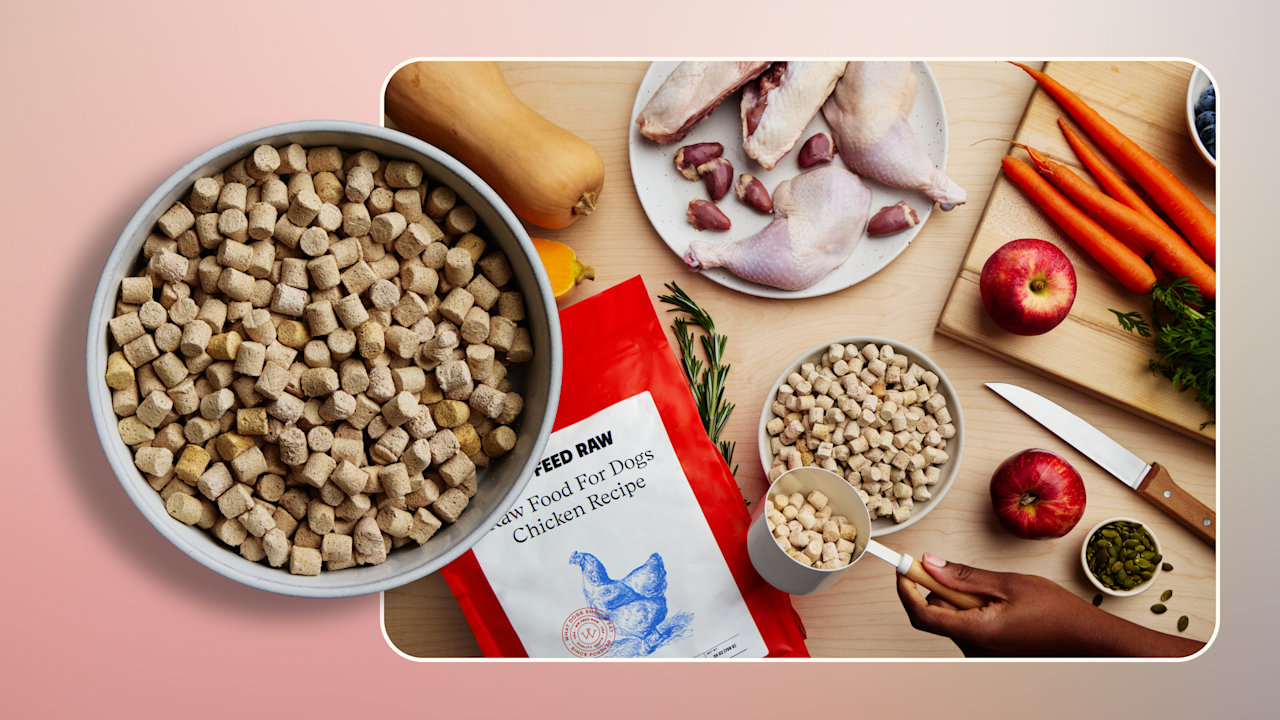
A raw diet for puppies includes several key components to ensure balanced nutrition. Each part plays a vital role in supporting healthy growth and development. Understanding these components helps provide the right nutrients your puppy needs.
Muscle Meat
Muscle meat forms the bulk of a raw puppy diet. It provides high-quality protein essential for muscle growth. Common choices include chicken, beef, turkey, and lamb. Fresh, lean cuts work best to supply energy and vital amino acids.
Raw Bones
Raw bones offer calcium and phosphorus, crucial for strong bones and teeth. They also help keep puppy teeth clean. Always choose raw, edible bones safe for puppies, such as chicken necks or wings. Avoid cooked bones as they can splinter and harm your puppy.
Organs
Organs provide important vitamins and minerals. Liver, kidney, and heart are rich in nutrients like vitamin A, iron, and zinc. Organs should make up about 10-15% of the diet. Rotate different organs to cover a wide range of nutrients.
Fruits And Vegetables
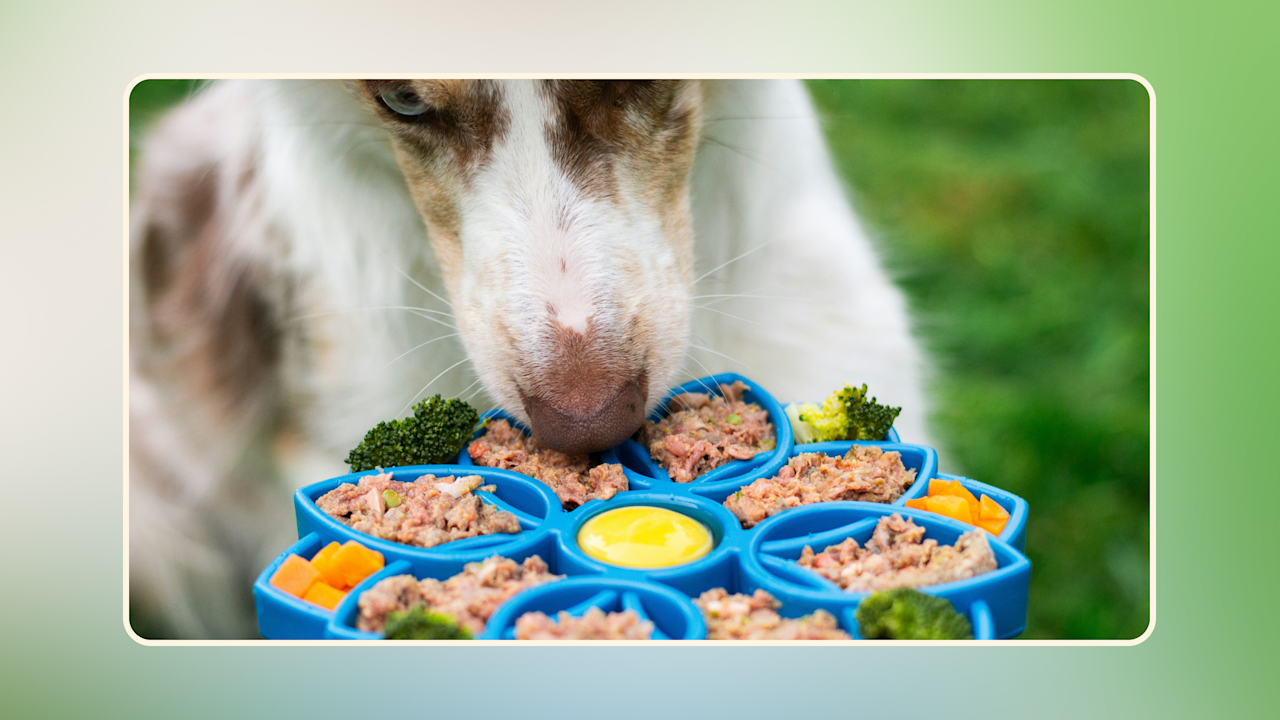
Fruits and vegetables supply fiber, vitamins, and antioxidants. Suitable options include carrots, spinach, blueberries, and apples. These help with digestion and support the immune system. Chop or puree them for easier eating and nutrient absorption.
Meal Preparation Tips
Preparing raw meals for puppies requires care and attention. Proper meal preparation ensures your puppy gets safe, nutritious food. It supports healthy growth and avoids health risks. Follow these tips to prepare meals that are balanced and safe.
Safe Handling Practices
- Wash hands thoroughly before and after handling raw meat.
- Use separate cutting boards for raw meat and other foods.
- Sanitize all utensils and surfaces after meal prep.
- Keep raw ingredients refrigerated until ready to use.
- Avoid cross-contamination between raw meat and cooked food.
Portion Sizes
Feed puppies small, frequent meals to support energy needs. Portion sizes depend on puppy’s age, weight, and breed. Start with 2-3% of puppy’s body weight daily. Divide this into two or three meals for better digestion. Monitor weight and adjust portions as puppy grows.
Balancing The Diet
- Include muscle meat, organs, and bones in each meal.
- Add vegetables and fruits for vitamins and fiber.
- Use fish oil or flaxseed oil for healthy fats.
- Ensure calcium and phosphorus are balanced for bone health.
- Consult a vet or nutritionist to create a balanced plan.
Storage Guidelines
- Store raw meals in airtight containers or freezer bags.
- Label containers with date and contents for easy tracking.
- Freeze meals in portions for quick thawing and use.
- Thaw meals in the refrigerator, not at room temperature.
- Discard any leftovers not eaten within two hours.
Transitioning To A Raw Diet
Transitioning your puppy to a raw diet requires patience and care. Puppies need time to adjust to new foods. The change should be gradual to avoid stomach upset. Understanding your puppy’s readiness helps make the switch smooth. A clear plan guides you through the process. Knowing common challenges helps you handle them easily.
Signs Your Puppy Is Ready
- Shows interest in new food types
- Has a healthy appetite and energy level
- Digestive system is stable with no diarrhea
- Regular bowel movements
- Good hydration and no vomiting
Step-by-step Transition Plan
- Start by mixing 10% raw food with 90% current diet
- Increase raw food by 10% every 3-4 days
- Watch for any digestive upset during transition
- Keep fresh water available at all times
- Once fully raw, maintain a balanced meal plan
Common Challenges And Solutions
| Challenge | Solution |
|---|---|
| Refusal to eat raw food | Try different protein sources or textures |
| Digestive upset | Slow down the transition pace and monitor closely |
| Loose stools | Reduce raw food amount temporarily, add fiber |
| Lack of energy | Check nutrient balance and consult a vet |
Credit: wefeedraw.com
Potential Risks And Precautions
Feeding puppies a raw diet can offer benefits but also comes with risks. Understanding these risks helps keep your puppy safe and healthy. Taking precautions reduces dangers linked to raw feeding.
Bacterial Contamination
Raw meat may carry harmful bacteria like Salmonella and E. coli. Puppies are more vulnerable to infections from these germs. Always buy fresh, high-quality meat from trusted sources. Clean all surfaces and bowls after feeding. Wash your hands well before and after handling raw food.
Nutritional Deficiencies
A raw diet can lack important vitamins and minerals. Puppies need balanced nutrients for growth and development. Missing nutrients can cause health problems later. Use recipes designed by experts or add supplements. Monitor your puppy’s weight and energy to spot issues early.
Choking Hazards
Raw bones can break into sharp pieces that may choke puppies. Small bones or hard chunks are especially risky. Offer only safe, size-appropriate bones. Supervise your puppy during meals. Remove any bone fragments immediately to prevent swallowing.
Consulting A Veterinarian
Talk to your vet before starting a raw diet. They can advise on proper nutrition and risks. Vets may recommend tests to check your puppy’s health. Regular check-ups help track growth and catch problems early. Always follow professional advice for best results.
Supplementing A Raw Diet
Feeding your puppy a raw diet can be incredibly rewarding, but it’s important to understand when and how to add supplements. Not all raw diets cover every nutrient your growing pup needs. Knowing what to add, when, and how much can make a big difference in their health and development.
When Supplements Are Needed
Raw diets often focus on meat, bones, and organs, but some nutrients might still be missing. For example, puppies need calcium and certain vitamins that aren’t always in the right amounts from raw meat alone.
Think about your puppy’s energy levels, coat condition, and stool quality. If you notice any issues, supplements might help fill in the gaps. Also, if you’re feeding a homemade raw diet, supplements ensure your puppy gets a balanced intake.
Popular Supplements For Puppies
Some supplements frequently added to raw diets include:
- Calcium:Often given as ground eggshell or bone meal to support strong bones.
- Fish oil:Provides omega-3 fatty acids for a shiny coat and brain development.
- Probiotics:Aid digestion and promote gut health.
- Vitamin E:Supports immune function and skin health.
- Zinc:Helps with skin and coat quality and wound healing.
When my puppy started raw feeding, adding fish oil made a noticeable difference in her coat. It became softer and shinier within weeks.
Dosage And Safety
Giving the right amount of supplements is crucial. Too little won’t help, and too much can cause harm.
Follow dosage instructions carefully, and adjust based on your puppy’s size and weight. It’s a good idea to consult your vet before starting any new supplement, especially for puppies under six months.
Keep an eye on your puppy’s reaction. If you notice any changes in behavior, digestion, or skin, pause the supplement and check with a professional.
Are you tracking your puppy’s progress and adjusting supplements as needed? It’s a simple step that ensures your pup thrives on a raw diet.
Credit: wefeedraw.com
Monitoring Puppy Growth And Health
Monitoring your puppy’s growth and health is vital when feeding a raw diet. Puppies grow fast and need balanced nutrition to develop strong bones and muscles. Careful observation helps spot issues early and ensures your puppy thrives.
Tracking Weight And Development
Weigh your puppy regularly to follow its growth progress. Use a simple scale and record the weight weekly. Watch for steady gains. Sudden weight loss or lack of growth signals a problem. Check your puppy’s energy levels and playfulness too. Healthy puppies stay active and alert.
Identifying Signs Of Imbalance
Watch for signs of nutritional imbalance. These can include:
- Dull coat or hair loss
- Diarrhea or constipation
- Low energy or lethargy
- Slow growth or weight loss
- Frequent infections or illness
Spotting these early helps prevent long-term health issues. Consult a vet if you notice any signs.
Adjusting The Diet Over Time
Your puppy’s needs change as it grows. Adjust the raw diet to fit each stage:
- Increase protein and fat for active growth
- Add more calcium for bone development
- Reduce calories as growth slows
- Include variety for balanced nutrition
Track changes and respond quickly to keep your puppy healthy. Regular vet visits support the best diet plan.
Common Myths About Raw Feeding
Raw diets for puppies often face many misunderstandings. These myths can make pet owners worry unnecessarily. Clearing up these false ideas helps you make better feeding choices. Understanding the facts about raw feeding is important for your puppy’s health.
Raw Diets And Parasites
Many believe raw diets increase parasite risks. This is not always true. Safe handling and sourcing quality meat reduce dangers. Freezing meat kills many parasites. Proper hygiene during preparation is crucial. Cooking is not the only way to avoid parasites.
Myth Of Inadequate Nutrition
Some think raw diets lack essential nutrients. Balanced raw meals include proteins, fats, vitamins, and minerals. Consulting a vet ensures the diet meets puppy needs. Variety in raw ingredients supports complete nutrition. Nutritional supplements help fill any gaps.
Raw Feeding And Dental Health
People assume raw feeding harms teeth. Raw bones can actually help clean teeth naturally. Chewing raw items reduces plaque and tartar buildup. Avoid cooked bones as they can splinter and hurt gums. Regular dental care remains important alongside raw feeding.

Credit: wefeedraw.com
Frequently Asked Questions
What Is A Raw Diet For Puppies?
A raw diet for puppies consists of uncooked meat, bones, fruits, and vegetables. It mimics a natural, ancestral canine diet. This diet supports healthy growth, strong teeth, and improved digestion when properly balanced and prepared.
Is A Raw Diet Safe For Puppies?
Yes, a raw diet is safe if balanced and hygienically prepared. Consult your vet to ensure nutritional needs are met. Proper handling minimizes bacteria risks. Puppies benefit from improved digestion and energy on a raw food diet.
How To Transition Puppies To A Raw Diet?
Transition gradually over 7-10 days by mixing raw food with current diet. Increase raw portions daily while decreasing old food. This helps prevent digestive upset and allows puppies to adjust to new flavors and textures safely.
What Are The Benefits Of A Raw Diet For Puppies?
Raw diets provide natural nutrients, improve coat health, and boost energy. Puppies often experience better digestion, stronger immunity, and healthier teeth. This diet can reduce allergies and support overall well-being when balanced correctly.
Conclusion
Choosing a raw diet for puppies can support healthy growth and strong muscles. Fresh ingredients provide natural nutrients puppies need daily. Always check with your vet to keep your puppy safe and happy. Feeding raw takes time and care but can be rewarding.
Watch your puppy’s health and adjust the diet as needed. A balanced raw diet helps puppies grow into healthy adult dogs. Simple, fresh food can make a big difference. Start slow, stay consistent, and enjoy your puppy’s progress.







