
Do you find yourself constantly worrying about your cat’s allergies? You’re not alone.
Many cat owners like you are on a quest to find solutions that bring comfort to their beloved pets. Enter the world of the feline hypoallergenic diet—where relief and health go hand in paw. Imagine a life where your cat is free from constant itching and discomfort, and you can finally enjoy peace of mind.
This isn’t just a possibility; it can be your reality. Dive into this article to uncover how a hypoallergenic diet can transform your cat’s life and bring harmony to your home. Keep reading, because the solution you’ve been searching for is just a few scrolls away.
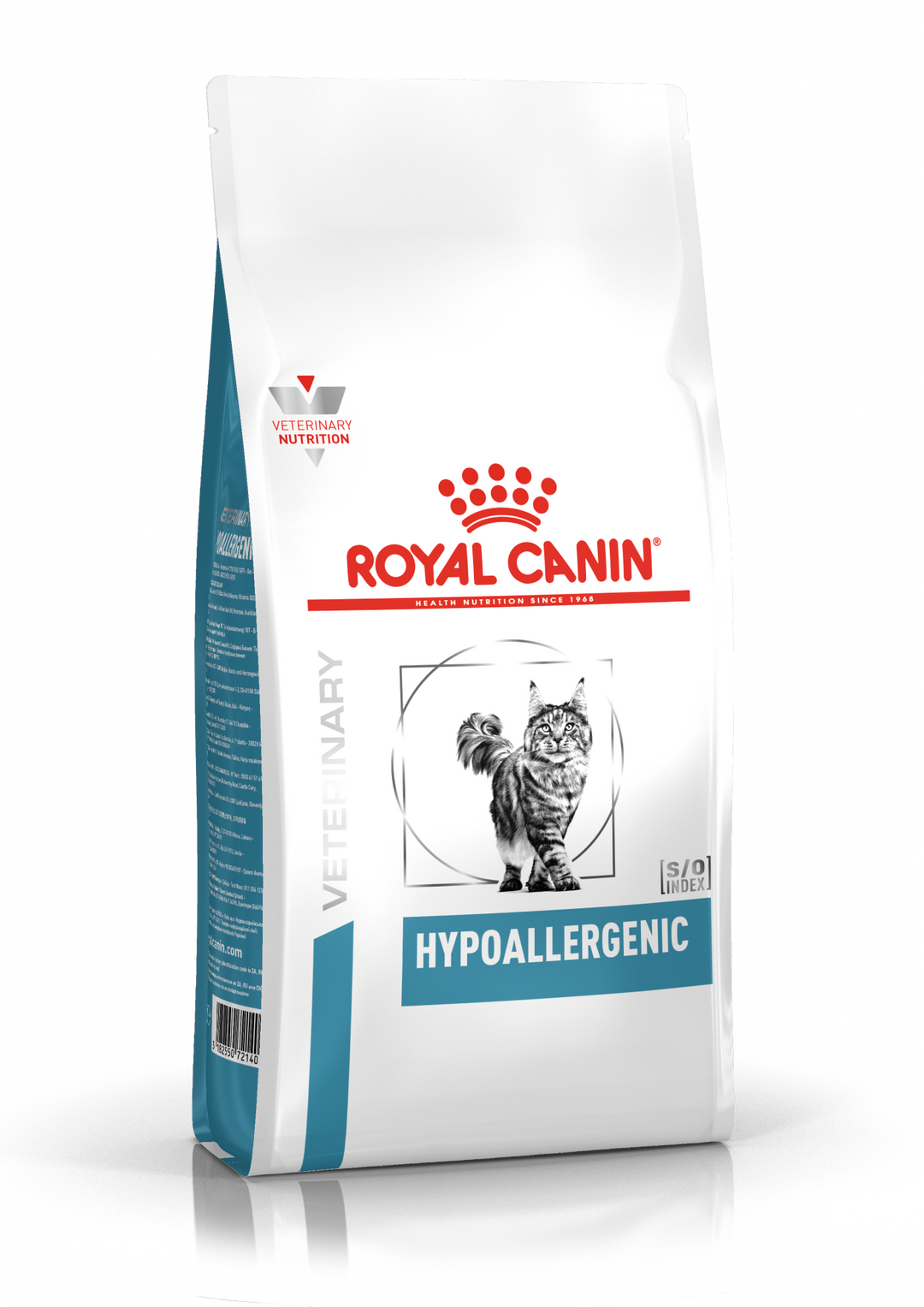
Credit: vetcentral.com.sg
Causes Of Feline Allergies
Feline allergies happen when a cat’s immune system reacts to certain substances. These reactions can cause discomfort and health problems. Understanding what triggers these allergies is important for managing them effectively. Allergies in cats can come from food, environment, or even parasites.
Common Allergens In Cats
- Proteins in food such as beef, chicken, or fish
- Pollens from trees, grasses, and weeds
- Dust mites found in the home
- Mold spores in damp areas
- Fleas and flea saliva
- Certain chemicals in cleaning products or shampoos
Symptoms To Watch For
- Itchy skin or constant scratching
- Red, inflamed, or scaly skin patches
- Hair loss or bald spots
- Frequent sneezing or coughing
- Runny eyes or nose
- Digestive problems like vomiting or diarrhea
Benefits Of A Hypoallergenic Diet
A hypoallergenic diet offers many benefits for cats prone to allergies. It helps ease symptoms and supports overall health. This diet avoids common allergens found in regular cat food.
Switching to a hypoallergenic diet can improve your feline’s quality of life. It targets the root causes of allergic reactions and skin problems.
Reducing Allergic Reactions
A hypoallergenic diet minimizes exposure to proteins that trigger allergies. It uses limited or novel ingredients rarely found in other foods.
This lowers the chance of itching, sneezing, and digestive upset. Cats experience fewer flare-ups and discomfort.
Clearer breathing and calmer behavior often follow a diet change. The immune system reacts less aggressively to food components.
Improving Skin And Coat Health
Hypoallergenic diets often include essential fatty acids. These nutrients nourish skin and promote a shiny coat.
Reduced inflammation means less redness, dryness, and hair loss. Cats regain a smooth, soft coat over time.
Better skin health also lowers the risk of infections caused by scratching. A healthy coat protects your cat from the environment.
Types Of Hypoallergenic Cat Foods
Hypoallergenic cat foods help manage food allergies in cats. These diets reduce allergic reactions by limiting or changing the ingredients. Different types of hypoallergenic foods suit various needs. Understanding these types helps you choose the best option for your feline friend.
Novel Protein Diets
Novel protein diets use proteins your cat has never eaten before. This lowers the chance of an allergic reaction. Common novel proteins include duck, venison, or rabbit. These diets help identify and avoid allergens that cause symptoms.
Hydrolyzed Protein Diets
Hydrolyzed protein diets break down proteins into tiny pieces. These pieces are too small to trigger the immune system. This type is ideal for cats with severe allergies. It helps reduce skin and digestive problems linked to allergies.
Limited Ingredient Diets
Limited ingredient diets contain few ingredients to reduce allergy risks. They often focus on one protein and one carbohydrate source. This simplicity helps pinpoint the exact allergen. It also makes digestion easier for sensitive cats.
Choosing The Right Diet For Your Cat
Choosing the right diet for a cat with hypoallergenic needs is essential. It supports their health and reduces allergy symptoms. A proper diet keeps your cat happy and comfortable every day.
Finding the best food requires patience and care. Each cat reacts differently to ingredients. Understanding this helps you make the best choice for your pet.
Consulting A Veterinarian
Start by talking to a trusted veterinarian. They know about feline allergies and nutrition. A vet can recommend diets that suit your cat’s specific needs. They may suggest allergy tests or special foods.
Veterinarians guide you on safe options. Their advice helps avoid foods that cause reactions. Visit your vet regularly to monitor your cat’s progress.
Reading Food Labels Carefully
Check food labels for ingredients that trigger allergies. Look for common allergens like beef, dairy, and wheat. Many hypoallergenic diets use novel proteins such as duck or venison.
Labels also show if the food is grain-free or contains artificial additives. Avoid foods with unknown or complex ingredients. Simple, clear labels are easier to understand and trust.
Trial And Error Approach
Trying different diets helps find the best match. Switch foods slowly to watch for reactions. Keep a diary of your cat’s behavior and symptoms.
Be patient. Some cats take weeks to show improvement. If one diet fails, try another recommended by your vet. This process narrows down the safest and most effective food.
Homemade Vs Commercial Hypoallergenic Diets
Choosing between homemade and commercial hypoallergenic diets for your cat can be challenging. Both options aim to reduce allergic reactions, but they come with different benefits and drawbacks. Understanding these differences helps you make the best decision for your feline friend’s health and happiness.
Pros And Cons Of Homemade Meals
Homemade hypoallergenic diets let you control every ingredient. This means you can avoid specific allergens and tailor meals to your cat’s preferences and needs.
However, creating balanced meals at home is not easy. You must ensure your cat gets all essential nutrients, which often requires guidance from a veterinary nutritionist.
- Pros:Full control over ingredients, fresh food, and customization.
- Cons:Time-consuming, risk of nutritional imbalance, and often costly due to specialty ingredients.
Have you ever wondered if your homemade meals truly meet your cat’s dietary needs? Without proper planning, you might unintentionally cause more harm than good.
Reliable Commercial Brands
Commercial hypoallergenic diets are formulated to meet strict nutritional standards. These products undergo rigorous testing to ensure safety and allergy control.
Many vets recommend trusted brands because they simplify feeding and reduce guesswork. Plus, commercial diets often come with clear ingredient lists, making it easier to avoid allergens.
- Pros:Balanced nutrition, convenience, and consistent quality.
- Cons:Limited ingredient variety and sometimes higher cost than regular cat food.
Brands like Hill’s Prescription Diet, Royal Canin, and Purina Pro Plan Veterinary Diets offer hypoallergenic formulas that have helped countless cats. Could switching to a commercial diet be the relief your cat needs?
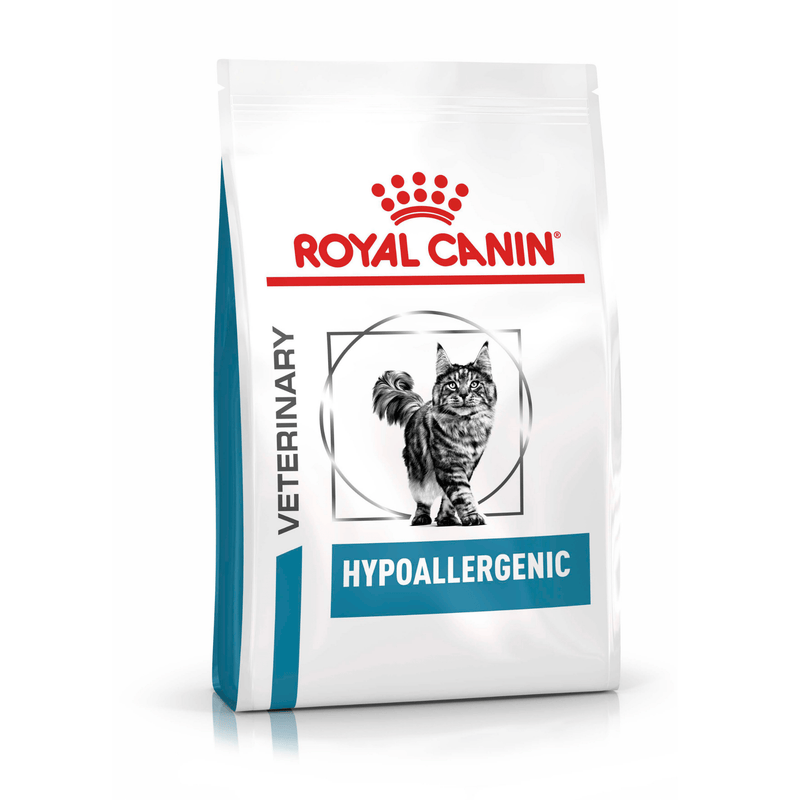
Credit: pdsapetstore.org.uk
Transitioning Your Cat To A New Diet
Switching your cat to a hypoallergenic diet requires patience and careful attention. Cats can be sensitive to sudden changes in their food, which may cause digestive upset or refusal to eat. Helping your feline friend adjust smoothly increases the chances they’ll accept the new diet and benefit from it.
Gradual Introduction Tips
Start by mixing a small amount of the new hypoallergenic food with your cat’s current diet. Aim for about 25% new food and 75% old food for the first few days. This helps your cat get used to the taste and texture without overwhelming their system.
Slowly increase the new food portion every 3 to 4 days until your cat is eating 100% of the hypoallergenic diet. Keep an eye on how your cat responds to each change. You may notice some reluctance initially, but patience often pays off.
Try warming the food slightly or adding a little water to enhance aroma and appeal. Some cats respond well to these simple tweaks, making the transition easier.
Monitoring For Reactions
Watch your cat closely for any signs of discomfort or allergic reactions during the transition. Symptoms like vomiting, diarrhea, itching, or unusual behavior should be noted immediately.
Keep a daily journal to track your cat’s eating habits, stool quality, and energy levels. This record can be invaluable if you need to consult your vet later.
If negative reactions occur, pause the transition and consult your veterinarian. They can help determine if the new diet is suitable or if an alternative approach is needed.
Additional Allergy Management Tips
Managing your cat’s allergies goes beyond just their diet. Paying attention to other factors can make a big difference in reducing symptoms and improving their comfort. Here are some practical tips you can apply right away to help your feline friend feel better.
Environmental Controls
Keeping your home clean is key to minimizing allergens that affect your cat. Vacuum frequently using a vacuum with a HEPA filter to trap dust, pollen, and pet dander. You might also consider using an air purifier to reduce airborne irritants.
Think about your cat’s sleeping area—wash their bedding weekly in hot water to eliminate allergens. Avoid smoking indoors and limit the use of strong cleaning products that can trigger reactions. Have you noticed if certain rooms or spots seem to worsen your cat’s symptoms? Adjusting their access to those areas can help.
Regular Grooming
Brushing your cat regularly helps remove loose hair and dander that can cause allergic reactions. Use a gentle brush and try to groom your cat outside or in a well-ventilated area to keep allergens from spreading indoors.
Bathing your cat occasionally with a hypoallergenic shampoo can also reduce skin irritation and allergens. It might feel challenging at first, but many cats tolerate short, calm baths when introduced gradually. Have you tried grooming your cat as a way to spot early signs of allergies?
Supplements And Medications
Some supplements, like omega-3 fatty acids, support skin health and reduce inflammation linked to allergies. You can find these in fish oil capsules or special feline supplements available at pet stores or from your vet.
In more severe cases, veterinarians may recommend antihistamines or prescription medications to control allergic reactions. Always consult your vet before starting any new treatment to ensure safety and effectiveness. Have you discussed allergy medications as part of your cat’s overall care plan?

Credit: www.amazon.ca
Frequently Asked Questions
What Is A Feline Hypoallergenic Diet?
A feline hypoallergenic diet reduces allergens that trigger cat allergies. It uses limited ingredients and novel proteins to minimize immune reactions. This diet helps cats with food sensitivities or allergies feel better and avoid symptoms like itching or digestive issues.
Which Ingredients Are Common In Hypoallergenic Cat Food?
Hypoallergenic cat food often includes novel proteins like duck or venison. It avoids common allergens such as chicken, beef, dairy, and grains. These foods use hydrolyzed proteins to reduce allergen size, making them less likely to provoke an immune response in sensitive cats.
How Long Does A Hypoallergenic Diet Take To Show Results?
Typically, results appear within 6 to 8 weeks of starting the diet. Consistent feeding with hypoallergenic food helps identify and reduce allergy symptoms. Patience is essential, as gradual improvement confirms the diet’s effectiveness for your cat’s health.
Can All Cats Benefit From A Hypoallergenic Diet?
Not all cats need a hypoallergenic diet. It is best for cats with diagnosed food allergies or intolerances. Consult a veterinarian before switching diets to ensure it suits your cat’s specific health needs and avoids unnecessary dietary changes.
Conclusion
Choosing the right hypoallergenic diet helps keep your cat healthy. It reduces allergy symptoms and improves their comfort. Always watch your cat’s reaction to new foods. Consult your vet for the best diet plan. A careful diet can make a big difference.
Your cat will feel better and more energetic. Small changes can lead to happier, healthier pets. Feeding the right food shows how much you care. Keep learning and adjusting for your cat’s needs. A happy cat means a happy home.







