
Do pull-ups build muscle? It’s a question that sparks curiosity and intrigue.
If you’re looking to transform your upper body and boost your strength, you’re in the right place. Imagine achieving a strong, sculpted physique without relying on fancy gym equipment or complicated routines. Pull-ups could be your secret weapon. You might wonder how this simple exercise could be so powerful.
The truth is, pull-ups are more than just a test of strength; they’re a gateway to unlocking your body’s true potential. As you read on, you’ll discover why pull-ups are a game-changer for muscle building, and you’ll learn how to incorporate them into your fitness routine effectively. Ready to uncover the secrets of pull-ups and muscle growth? Let’s dive in.

Credit: www.youtube.com
How Pull Ups Target Muscles
Pull ups are a powerful exercise that focus on multiple muscles. They use your body weight to create resistance. This resistance helps build strength and muscle size. Understanding how pull ups target muscles helps you see their full benefit.
Primary Muscle Groups Worked
Pull ups mainly work the muscles in your back and arms. The biggest muscle targeted is the latissimus dorsi. This muscle runs from your mid-back to your sides. It helps pull your body upward during the exercise.
Your biceps also play a key role. They assist in bending your elbows. The muscles around your shoulders, such as the deltoids, help stabilize your movement. The trapezius muscles in your upper back support your posture.
Role Of Secondary Muscles
Besides the main muscles, pull ups engage several smaller muscles. The core muscles, including abs and obliques, work to keep your body stable. Your chest muscles help slightly during the pulling motion. Forearm muscles grip the bar tightly and assist in pulling up.
Even your lower body works mildly to keep balance. These secondary muscles improve overall strength and coordination. They support the main muscles and enhance muscle growth during pull ups.
Muscle Growth Through Pull Ups
Pull ups are a classic exercise known for strength and muscle gains. They target multiple upper body muscles, helping them grow stronger and bigger. Understanding how pull ups contribute to muscle growth can help you train smarter and see results faster.
Mechanics Of Muscle Hypertrophy
Muscle hypertrophy means muscle growth. It happens when muscle fibers endure stress and tiny damage. The body repairs this damage, making muscles thicker and stronger. Exercises that create enough tension and fatigue trigger this process.
Pull ups involve lifting your entire body weight. This puts strong tension on muscles like the lats, biceps, and shoulders. The repeated effort causes muscle fibers to break down and rebuild larger.
Pull Ups And Muscle Activation Levels
Muscle activation shows how much a muscle works during an exercise. Pull ups activate many muscles at once. The latissimus dorsi, or lats, are the primary muscles used. Biceps, traps, and rhomboids also engage strongly.
- Lats get the highest activation, helping widen the back.
- Biceps assist in pulling the body up.
- Shoulder and arm stabilizers keep the movement controlled.
This high muscle activation makes pull ups effective for building upper body muscle. The effort needed recruits many fibers, encouraging growth and strength.
Types Of Pull Ups For Different Gains
Pull ups are a powerful exercise, but the type you choose can shape your results in very different ways. Each variation targets muscles differently, helping you focus on strength, size, or endurance. Understanding these types can help you tailor your workout to your specific muscle-building goals.
Wide Grip Pull Ups
Wide grip pull ups place more emphasis on your lats, the broad muscles on the sides of your back. This grip reduces the involvement of your biceps, making your back work harder. If your goal is a wider, more defined upper back, wide grip pull ups should be part of your routine.
When I switched to wide grip pull ups, I noticed my back felt more engaged and started looking broader after just a few weeks. It’s challenging but highly effective if you want that V-shaped back.
Chin Ups
Chin ups use an underhand grip, which shifts the focus towards your biceps along with your back muscles. They are generally easier to perform than wide grip pull ups because your arms assist more in the movement. If you want to build both your biceps and back, chin ups offer a balanced approach.
Think about your grip position here: a narrower, underhand grip means your arms will take on more of the workload, helping you develop stronger, thicker biceps alongside your lats.
Neutral Grip Pull Ups
Neutral grip pull ups have your palms facing each other, which is easier on the shoulders and wrists. This grip evenly distributes the load between your biceps and back muscles. It’s great if you want a balanced upper body workout without straining your joints.
After switching to neutral grip, I found my shoulder discomfort reduced significantly, allowing me to do more reps and build muscle consistently. Consider this grip if joint pain has limited your pull up progress.
Progressions To Increase Strength
Building strength with pull ups doesn’t happen overnight. You need to challenge your muscles progressively to see real gains. Adjusting the difficulty level through different pull up variations can push your limits and help you break plateaus.
Assisted Pull Ups
If you struggle with regular pull ups, assisted pull ups are your starting point. You can use resistance bands or a pull up machine to reduce the weight you lift. This allows you to practice the full movement while building the necessary muscle strength.
Try to decrease the assistance gradually. This small change forces your muscles to work harder each time. Have you tried using a partner to help lift your legs during the pull up? It’s a simple trick that can boost your strength quickly.
Weighted Pull Ups
Once regular pull ups feel easier, adding weight increases the challenge. Use a weight belt, vest, or hold a dumbbell between your feet. This added resistance forces your muscles to adapt and grow stronger.
Start with a small weight and increase it as your strength improves. Even a few extra pounds can make a big difference in muscle growth. How much weight can you add before your form starts to break down? Paying attention to this balance is key for progress.
Negative Pull Ups
Negative pull ups focus on the lowering phase, which builds strength even if you can’t do many full pull ups. Jump or step up to the top position, then slowly lower yourself down. This eccentric movement puts your muscles under tension longer.
Try to lower yourself for at least 3-5 seconds. This slow descent boosts muscle control and strength. Have you noticed how controlling the negative phase can make your next pull up easier? It’s a powerful way to build muscle without needing to do a full pull up right away.
Common Mistakes And Fixes
Pursuing muscle growth through pull ups can be very effective. Yet, common mistakes can reduce results and cause injury. Fixing these errors helps build strength safely. Understanding typical problems leads to better workouts and faster progress.
Improper Form Issues
Pull ups need correct form for muscle gain and safety. Many make these errors:
- Using momentum instead of muscle power
- Not fully extending the arms at the bottom
- Pulling with the arms only, neglecting the back
- Allowing the body to swing excessively
Fix these by:
- Controlling every movement slowly
- Fully stretching arms before each pull
- Engaging back muscles to lift
- Keeping the body stable and straight
Overtraining Risks
Doing too many pull ups without rest harms muscles. Overtraining leads to:
- Muscle fatigue and soreness
- Reduced muscle growth
- Higher risk of injury
Prevent these by:
- Allowing 48 hours rest between pull up sessions
- Listening to your body’s signals
- Mixing pull ups with other exercises

Credit: www.menshealth.com
Pull Ups In Muscle Building Routines
Pull ups are a staple in many muscle building routines because they target multiple upper body muscles at once. They primarily work your back, shoulders, and arms, especially the lats and biceps. But using pull ups alone might limit your overall muscle growth if you don’t balance them with other exercises.
Combining Pull Ups With Other Exercises
Adding pull ups to a routine with other exercises helps you build a well-rounded physique. You should pair them with pushing movements like push-ups or bench presses to balance your upper body strength.
Incorporate exercises that hit your lower body too, such as squats or lunges. This keeps your entire body strong and reduces muscle imbalances. When I started combining pull ups with rows and dips, I noticed my muscle definition improved much faster.
- Pull ups for back and biceps
- Push exercises for chest and triceps
- Leg exercises for overall strength
Frequency And Volume For Growth
How often you do pull ups affects your muscle gains. Training pull ups about 2-3 times a week allows your muscles enough time to recover and grow.
Pay attention to volume—this means the total number of sets and reps. For muscle building, aim for 3-5 sets of 6-12 reps. If you can easily do more than 12, it’s time to add extra weight or try harder variations.
Have you tracked your progress over weeks? Consistency combined with the right frequency and volume is key to seeing muscle growth from pull ups.
Nutrition And Recovery Tips
Building muscle from pull ups doesn’t stop at your workout. What you eat and how you rest play huge roles in turning those reps into real muscle growth. Paying attention to nutrition and recovery can make your efforts pay off faster and keep you injury-free.
Diet For Muscle Repair
Your muscles need fuel to repair and grow after a pull up session. Protein is the star here because it provides the building blocks called amino acids. Aim to add sources like chicken, fish, eggs, or plant-based proteins such as beans and lentils to your meals.
Don’t forget about carbs—they replenish your energy and help protein do its job better. Whole grains, fruits, and vegetables are excellent choices. Also, healthy fats from nuts, seeds, and olive oil support hormone balance crucial for muscle growth.
Think about timing too. Eating a balanced meal or snack within an hour after your workout can speed up recovery. Ever noticed how you feel stronger the next day after a good post-workout meal? That’s why nutrition matters as much as the exercise itself.
Rest And Sleep Importance
Muscle growth happens while you rest, not while you’re working out. Sleep is when your body releases growth hormones that repair muscle fibers torn during pull ups. Lack of sleep can slow down this process and leave you feeling weak.
Try to get at least 7-8 hours of quality sleep each night. If you’ve ever pulled an all-nighter, you know your strength and focus take a hit—imagine doing that repeatedly while training.
Besides sleep, give your muscles time to recover between workouts. Overtraining can lead to injury and stall your progress. Listening to your body’s signals is key—are your arms still sore or fatigued? If yes, take it easy before pushing hard again.
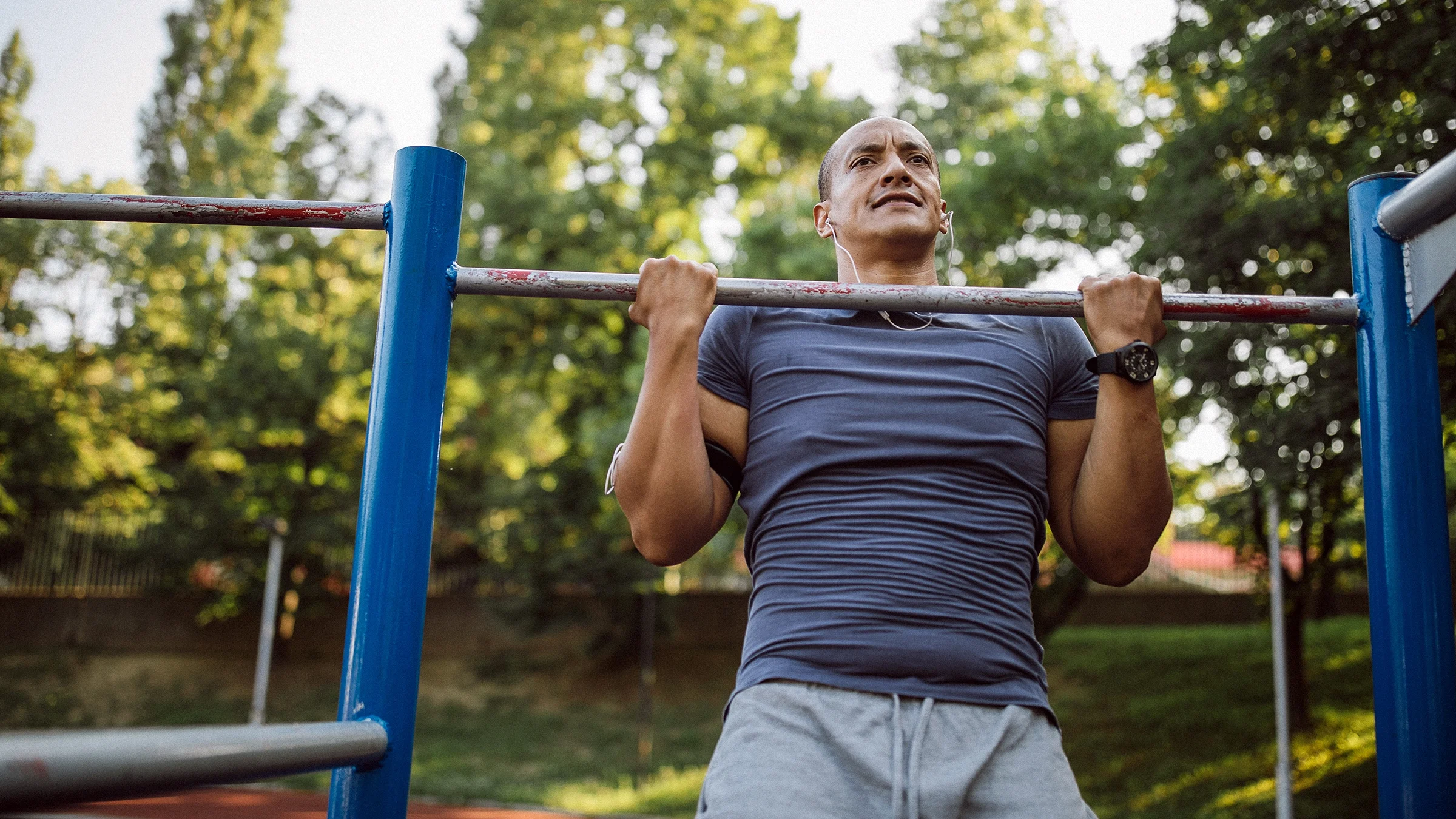
Credit: www.goodrx.com
Frequently Asked Questions
Do Pull Ups Help Build Upper Body Muscle?
Yes, pull ups effectively target back, shoulders, and arm muscles. They promote muscle growth and strength when done consistently.
How Many Pull Ups Build Noticeable Muscle?
Performing 8-12 pull ups per set, 3-4 times weekly, supports muscle growth. Progressive overload is key for visible results.
Can Beginners Build Muscle With Pull Ups?
Absolutely, beginners can build muscle by starting with assisted pull ups and gradually increasing reps and intensity over time.
Do Pull Ups Alone Build Muscle Mass?
Pull ups build muscle but combining them with other exercises enhances overall muscle mass and balanced strength development.
Conclusion
Pull ups help build muscle by working many upper body muscles. They target your back, shoulders, and arms effectively. Doing pull ups regularly increases strength and muscle size. You can add variety to challenge your muscles more. Combining pull ups with good nutrition speeds up muscle growth.
Remember to start slow and focus on form. Consistency is key to seeing real muscle gains. Pull ups are a simple, effective way to build upper body muscle. Give them a try and watch your strength improve.







