
Have you ever wondered if your time spent gliding through the water is doing more than just keeping you fit? What if swimming could be your secret weapon for building muscle mass?
You might picture weightlifting or intense gym sessions when you think of muscle-building, but swimming might just surprise you. As you dip into this article, you’ll discover how swimming can contribute to muscle growth and why it might be the versatile workout your fitness routine needs.
Curious to know if you can swap those dumbbells for a pair of goggles? Let’s dive into the fascinating link between swimming and muscle mass, and see how it can transform your fitness journey.
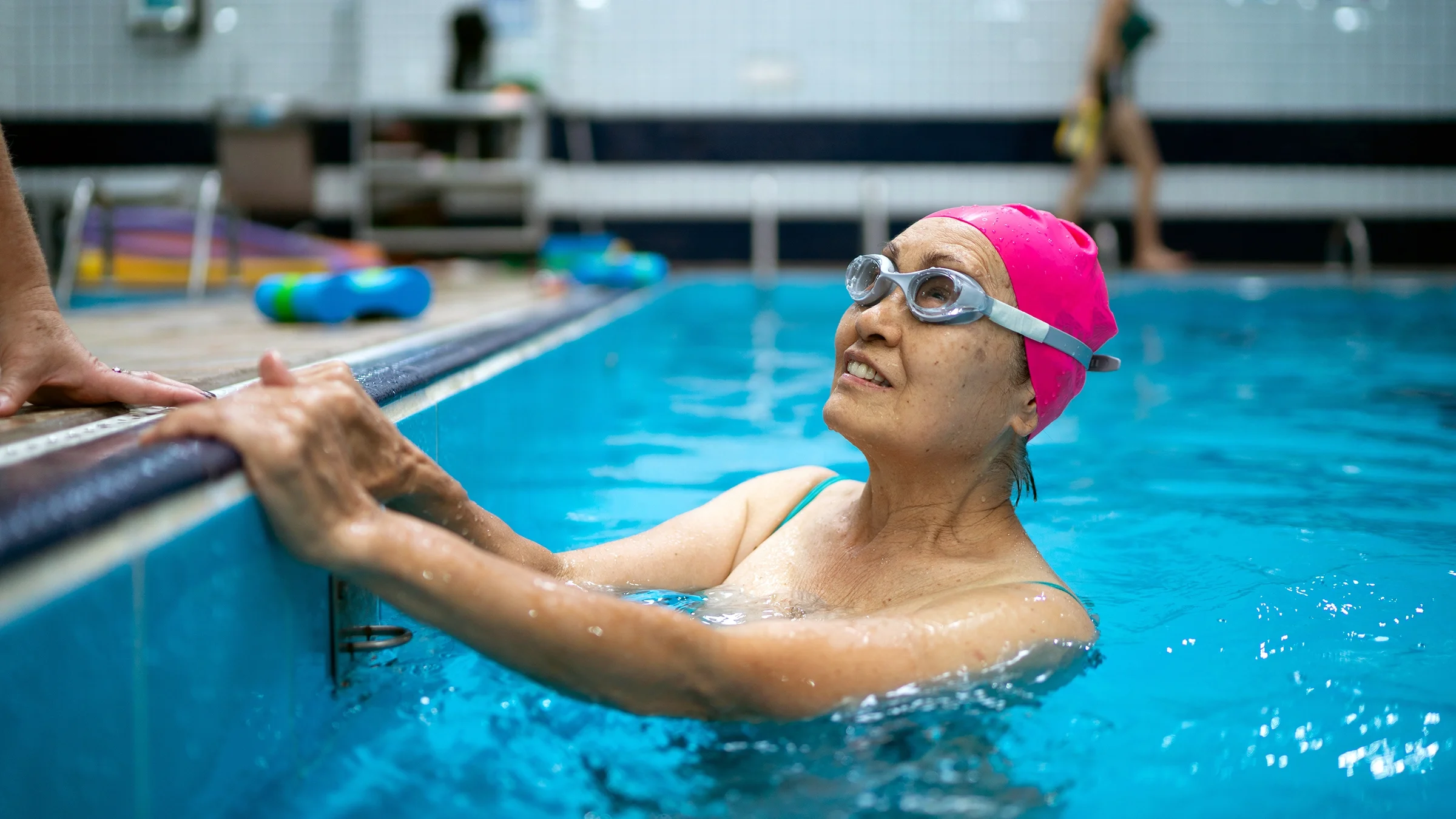
Credit: www.goodrx.com
How Swimming Affects Muscle Growth
Swimming influences muscle growth through various factors. It works many muscle groups at once. This makes it a unique exercise for building muscle. The water’s resistance plays a key role in how muscles respond. Different swimming strokes target muscles in distinct ways. Muscle endurance and strength improve with consistent swimming sessions.
Muscle Engagement In Different Strokes
Each swimming stroke uses muscles differently. Freestyle mainly works the shoulders, arms, and core. Breaststroke focuses more on the chest, thighs, and calves. Backstroke engages the back muscles and legs. Butterfly stroke is the most intense, involving the entire upper body and core. Changing strokes helps develop balanced muscle growth.
Resistance Provided By Water
Water creates natural resistance during swimming. This resistance is constant and smooth. It forces muscles to work harder than on land. Muscles contract against this resistance to move the body forward. This action helps build muscle strength and size. The resistance also reduces the risk of injury.
Impact On Muscle Endurance And Strength
Swimming improves muscle endurance through repeated movements. Muscles adapt to work longer without fatigue. Strength increases as muscles get stronger from resistance. It also enhances muscle tone and definition. Regular swimming sessions build both endurance and power. This leads to better overall muscle fitness.

Credit: legendaryswimmers.com
Muscle Groups Targeted By Swimming
Swimming is a full-body exercise that works many muscle groups. It uses both strength and endurance. The water’s resistance helps build muscle gently but effectively. Different strokes focus on different muscles. Understanding these muscles helps you see how swimming shapes your body.
Upper Body Muscles
Swimming heavily engages the upper body muscles. The shoulders work hard to pull through the water. The arms push and pull to propel the body forward. Key muscles used include:
- Deltoids (shoulders)
- Biceps and triceps (arms)
- Latissimus dorsi (back)
- Pectorals (chest)
These muscles get stronger with regular swimming. They also improve endurance and tone.
Core Muscles
The core stabilizes the body during swimming. It keeps the body aligned and balanced in water. Important core muscles worked are:
- Abdominals
- Obliques
- Lower back muscles
Strong core muscles enhance swimming technique and reduce injury risk. They also contribute to overall body strength.
Lower Body Muscles
The legs provide powerful kicks to move the body forward. Swimming targets several lower body muscles, such as:
- Quadriceps (front thighs)
- Hamstrings (back thighs)
- Glutes (buttocks)
- Calves
Leg muscles gain strength and endurance from consistent swimming. These muscles help maintain speed and balance in water.
Comparing Swimming To Traditional Weight Training
Comparing swimming to traditional weight training reveals clear differences in how each builds muscle. Both activities improve strength but target muscles differently. Understanding these distinctions helps choose the best approach for muscle growth and overall fitness.
Muscle Hypertrophy Differences
Weight training focuses on lifting heavy loads to break muscle fibers. This process creates muscle hypertrophy, or muscle growth. Swimming uses water resistance, which is gentler on muscles. It builds endurance and tone but usually causes less muscle size increase.
Benefits Of Low-impact Resistance
Swimming offers low-impact resistance that protects joints and reduces injury risk. The water supports body weight, easing stress on bones. This makes swimming ideal for people with joint problems or arthritis. It also improves cardiovascular health while strengthening muscles.
Limitations For Maximum Muscle Gain
Swimming alone rarely produces large muscle gains like weightlifting. Water resistance is constant but not heavy enough to maximize hypertrophy. Swimmers may need extra weight training to build bulk. Muscle gain depends on workout intensity, volume, and recovery time.

Credit: www.traindaly.com
Optimizing Swimming For Muscle Growth
Optimizing swimming for muscle growth means making your workouts tougher and more focused. Swimming alone can tone muscles, but specific techniques boost strength and size better. Adjust your swim routine to challenge your muscles more deeply.
Targeting muscle growth requires adding intensity and resistance. Focus on workouts that push your muscles harder during each swim session. This approach helps build muscle mass effectively.
Incorporating Sprint Intervals
Sprint intervals involve swimming at maximum speed for short bursts. These high-intensity efforts activate fast-twitch muscle fibers responsible for growth. Rest periods between sprints help muscles recover and prepare for the next burst.
Try sets like 25 to 50 meters at full speed, followed by a rest. Repeat several times to increase muscle fatigue and encourage growth. Sprinting also boosts metabolism, supporting muscle repair.
Using Swim Equipment For Resistance
Swim gear adds extra resistance, making muscles work harder. Tools like paddles, fins, and drag suits increase water resistance. This resistance forces muscles to generate more power during each stroke.
- Paddles enlarge hand surface area, improving upper body strength.
- Fins increase leg resistance, building stronger calves and thighs.
- Drag suits create extra drag, enhancing overall muscle effort.
Incorporate these tools gradually to avoid strain. Focus on controlled movements to maximize muscle engagement.
Combining Swimming With Strength Training
Strength training complements swimming by targeting muscles with heavier loads. Weight lifting or bodyweight exercises build muscle mass faster. Swimming then enhances muscle endurance and flexibility.
Plan workouts to alternate swimming days with strength training. Focus on compound exercises like squats, push-ups, and pull-ups. This combination improves overall muscle size and performance.
Nutrition And Recovery For Swimmers
Nutrition and recovery are vital parts of building muscle mass through swimming. Without proper fuel and rest, your body can’t repair and grow stronger. Paying attention to what you eat and how you recover helps you maximize the muscle-building benefits of your swim sessions.
Protein Intake For Muscle Repair
Your muscles need protein to repair tiny tears caused by intense swimming. Aim to include high-quality protein sources like lean meats, eggs, dairy, or plant-based options such as beans and lentils in your daily meals.
Try eating a protein-rich snack within 30 minutes after swimming to jumpstart recovery. Have you noticed a difference in your energy or muscle soreness when you skip this step?
Hydration And Its Effects
Swimming might not make you sweat like land workouts, but you still lose fluids. Staying hydrated improves your endurance and helps transport nutrients to your muscles.
Drink water before, during, and after your swim. Adding electrolytes can be helpful after long sessions to replace lost minerals. How often do you check your hydration levels during training?
Rest And Recovery Strategies
Your muscles grow stronger when you rest, not while you’re swimming. Incorporate rest days and aim for at least 7-8 hours of quality sleep each night to support muscle recovery.
Consider gentle stretching or foam rolling to reduce muscle stiffness. Have you tried adjusting your rest schedule to see how it affects your swim performance and muscle gains?
Common Myths About Swimming And Muscle Mass
Swimming is often misunderstood when it comes to building muscle mass. Many myths confuse swimmers and fitness enthusiasts about what swimming can really do for the body. Clearing up these myths helps people set realistic goals and appreciate the benefits of swimming.
Swimming Causes Muscle Loss
Some believe swimming makes muscles shrink. This idea comes from seeing lean swimmers with low body fat. Swimming tones muscles and builds endurance without heavy bulk. It burns fat but also strengthens muscles through resistance from water. Muscle loss usually happens without proper nutrition, not from swimming itself.
Swimming Is Only For Endurance
Swimming trains the heart and lungs, but it does more than that. The water’s resistance forces muscles to work hard. This builds muscle strength and size over time. Swimming uses almost every muscle group in the body. It improves muscle tone as well as endurance, proving it is not just cardio.
Muscle Gain Happens Quickly In Water
Muscle gain from swimming takes time, like any exercise. Water resistance helps build muscle slowly and steadily. Gains are usually less bulky than weightlifting but still visible. Swimming develops lean, strong muscles rather than huge muscles fast. Patience and consistent swimming are key to muscle growth.
Success Stories And Real-world Examples
Seeing real success stories can help you understand how swimming impacts muscle mass. People from different backgrounds have used swimming not just for fitness but to build noticeable muscle. These examples show what’s possible when you train smart and stay consistent in the pool.
Athletes Who Built Muscle Through Swimming
Many swimmers at competitive levels develop impressive muscle tone. Take Michael Phelps, for example—his broad shoulders and powerful legs reflect years of swimming combined with strength training. His physique proves that swimming alone can sculpt muscle, especially when paired with a focused routine.
Other athletes, like triathletes, rely heavily on swimming to build endurance and muscle strength. Their training often involves intense swim sessions designed to increase resistance and muscle engagement. These athletes show that targeted swimming workouts can lead to real muscle gains.
Before And After Transformations
Stories of everyday swimmers reveal dramatic changes. One individual started swimming laps three times a week and noticed more defined arms and back within months. The key was consistent effort and gradually increasing swim intensity.
Many transformations highlight how swimming improves muscle balance. Unlike weightlifting, swimming works your whole body evenly, reducing muscle imbalances that can cause injuries. Have you considered how full-body muscle engagement might change your own fitness results?
Expert Opinions On Swimming And Muscle Growth
Fitness trainers often praise swimming for building lean muscle rather than bulky mass. Experts point out that swimming provides resistance from water, which challenges muscles differently than weights. This helps you build strength and tone without adding excessive bulk.
Physiologists emphasize the role of swimming in improving muscle endurance and recovery. They recommend combining swimming with strength training for those aiming for larger muscle gains. Could mixing these two approaches be the answer to your muscle-building goals?
Frequently Asked Questions
Does Swimming Help Increase Muscle Size Effectively?
Swimming builds muscle endurance and tone but is less effective for large muscle mass growth. It mainly enhances lean muscle and overall strength through resistance in water.
How Does Swimming Compare To Weightlifting For Muscle Gain?
Swimming provides full-body resistance and cardiovascular benefits but doesn’t target muscle hypertrophy like weightlifting. Weightlifting is better for rapid muscle size increase.
Can Swimming Alone Build Significant Muscle Mass?
Swimming alone improves muscle tone and endurance but usually won’t create significant muscle bulk. Combining swimming with strength training yields better muscle mass results.
Which Muscles Benefit Most From Swimming Workouts?
Swimming primarily works shoulders, back, core, and legs. These muscles get toned and strengthened due to constant water resistance during strokes.
Conclusion
Swimming helps build muscle by using many body parts together. It tones muscles and improves strength over time. The water creates resistance, which challenges your muscles gently. While swimming may not bulk muscles like weightlifting, it still shapes and firms your body.
It also boosts endurance and flexibility, which support muscle health. Regular swimming can be a good way to stay fit and strong. Try combining swimming with other exercises for better muscle growth. Keep moving, stay active, and enjoy the benefits of swimming.







