
Are you curious about whether your cycling routine is doing wonders for your leg muscles? You’ve come to the right place.
Imagine pedaling through scenic trails, feeling the wind on your face, and knowing that every push of the pedal is sculpting and strengthening your legs. The idea is enticing, isn’t it? But does cycling really build leg muscle, or is it just a great cardio workout?
You’re about to discover the truth behind this question, and it might just revolutionize your fitness journey. With insights backed by science and expert opinions, this article will reveal how cycling can transform your legs and why it might be the perfect exercise to incorporate into your routine. Keep reading to unlock the secrets of cycling and leg strength!
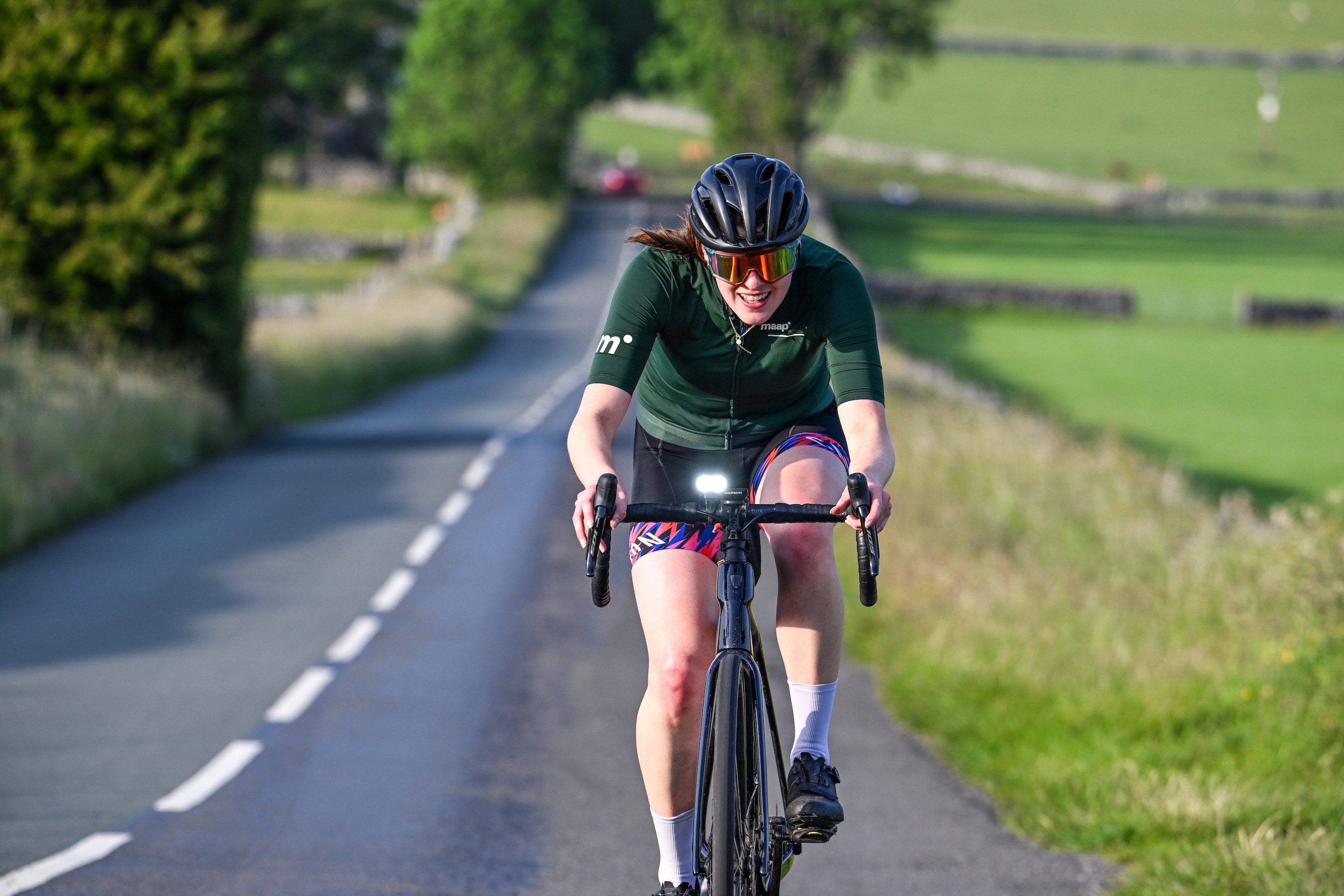
Credit: www.cyclingweekly.com
How Cycling Engages Leg Muscles
Cycling is more than just a fun outdoor activity or a way to get around; it’s a powerful workout for your legs. Understanding how cycling engages your leg muscles can help you make the most out of every pedal stroke. Let’s look closely at which muscles you’re working and how different pedaling techniques affect them.
Muscle Groups Activated
When you pedal, several key leg muscles work together to keep you moving smoothly. The quadriceps, located at the front of your thighs, power the downstroke. These muscles push the pedal down with force.
At the same time, the hamstrings at the back of your thighs help pull the pedal back up. This creates a continuous circular motion rather than just pushing down.
Your calves also play a role by stabilizing your ankle and aiding the pedal’s movement, especially during the toe-down phase. Don’t forget the glutes—they engage when you pedal hard or climb hills, adding extra strength and endurance.
Pedaling Techniques And Muscle Use
How you pedal changes which muscles get the most work. A smooth, circular pedaling technique spreads the effort evenly across your quadriceps, hamstrings, calves, and glutes. This balance prevents early fatigue and builds overall muscle strength.
On the other hand, mashing straight down with your feet mainly targets your quadriceps. This might feel powerful but can tire you out faster and neglect other muscles.
Have you ever tried “pulling” up with your feet using clip-in pedals? This method activates your hamstrings and calves more, improving your pedaling efficiency. Experiment with different techniques and notice how your legs respond.
Muscle Growth From Regular Biking
Muscle growth from regular biking is a topic many fitness enthusiasts and casual riders wonder about. Biking is often praised for its cardiovascular benefits, but it also plays a significant role in developing your leg muscles. Understanding how your muscles respond to cycling can help you maximize gains and improve overall leg strength.
Effects Of Resistance And Duration
The amount of resistance you cycle against directly impacts muscle growth. Higher resistance, like pedaling uphill or using a bike with adjustable gears, forces your muscles to work harder and stimulates muscle fibers to grow stronger.
Duration matters too. Longer rides with moderate resistance build endurance, while shorter, intense sessions with heavy resistance promote muscle size and strength. Have you noticed your legs feeling more pumped after a tough hill climb? That’s your muscles adapting and growing.
Adding intervals of increased resistance during your ride can boost muscle development. It’s not just about how long you ride, but how you challenge your muscles that counts.
Comparing Cycling To Other Leg Workouts
Cycling targets the quadriceps, hamstrings, calves, and glutes, but the muscle engagement differs from traditional leg workouts like squats or lunges. While cycling is a low-impact exercise that builds endurance and tones muscles, weightlifting exercises typically lead to faster hypertrophy due to heavier loads and varied movement patterns.
However, cycling can complement these workouts well. If squats leave you feeling too sore to ride, cycling offers active recovery that still engages your leg muscles. Plus, it’s easier on your joints, making it a sustainable option for muscle maintenance over time.
Which do you find more effective for your muscle goals: the steady resistance of cycling or the explosive power of weight training? Combining both might be the key to balanced leg development.
Strength Benefits Beyond Muscle Size
Bicycling does more than just build visible muscle. It strengthens the body in many subtle ways. These benefits improve overall physical health and performance. The strength gained from cycling supports daily activities and other exercises.
Endurance Improvements
Cycling boosts muscle endurance, allowing longer activity without fatigue. Your leg muscles get better at using oxygen efficiently. This helps maintain energy for extended periods. Endurance growth reduces tiredness during long walks or sports. The heart and lungs also grow stronger from regular cycling.
Joint And Tendon Strengthening
Riding a bike puts gentle pressure on joints and tendons. This low-impact exercise helps strengthen these areas over time. Stronger joints mean less chance of injury and pain. Tendons become more flexible and resilient. Cycling supports knee and ankle health by promoting steady movement and stability.
Optimizing Bicycle Workouts For Leg Strength
Optimizing bicycle workouts for leg strength requires careful planning. Focused cycling sessions can build muscle and improve endurance. Adjusting your route and workout intensity helps target key leg muscles.
Choosing The Right Terrain And Resistance
Select terrain that challenges your leg muscles. Hills increase resistance and force muscles to work harder.
- Flat roads improve speed and endurance.
- Hilly routes build strength and power.
- Gravel or off-road paths engage stabilizing muscles.
Use bike gears to control resistance. Higher gears push leg muscles more. Lower gears allow faster pedaling but less muscle load.
Incorporating Interval Training
Interval training mixes high-intensity bursts with recovery periods. This method enhances muscle growth and stamina.
- Sprint hard for 30 seconds.
- Pedal slowly for 1-2 minutes.
- Repeat cycles for 15-30 minutes.
Intervals push your muscles beyond normal limits. This stress promotes muscle repair and growth.
Common Myths About Cycling And Leg Muscles
Cycling often sparks many myths about its effects on leg muscles. Some believe it always creates bulky legs. Others worry about muscle imbalances. These ideas can confuse those who want to start cycling or build leg strength. Clearing up common myths helps riders make better choices.
Cycling And Bulky Legs
Many think cycling makes legs bulky like bodybuilders. This is not true for most riders. Cycling mainly builds lean muscle and improves endurance. The activity uses low resistance but long duration. This combination tones muscles rather than making them large.
Bulky legs usually come from heavy weightlifting. It needs high resistance and short, intense sessions. Cycling does not provide this type of training. Instead, it shapes legs with slim, strong muscles.
Leg Muscle Imbalance Concerns
Some worry cycling causes leg muscle imbalances. They fear overdeveloped quads and weak hamstrings. Balanced leg muscles are important for knee health and performance.
Proper cycling form and bike fit help avoid imbalances. Pedaling evenly engages both front and back leg muscles. Adding stretching and strength exercises can improve balance further. Paying attention to technique prevents common problems.

Credit: www.bicycling.com
Tips To Maximize Muscle Gains From Cycling
Cycling is a great way to build leg muscles, but certain tips can help increase those gains. Proper habits improve strength and muscle growth faster. Focus on key areas like nutrition and exercise variety to get the best results from your rides. Simple changes can make a big difference in muscle development.
Nutrition For Muscle Repair
Muscles need fuel to grow and repair. Eating enough protein supports muscle recovery after cycling. Include foods like chicken, eggs, beans, and dairy in your meals. Carbohydrates are also important to refill energy stores. Drink water often to stay hydrated and help muscles work well. Avoid skipping meals, especially after exercise.
Cross-training For Balanced Strength
Relying only on cycling may cause muscle imbalances. Add exercises that target different leg muscles and your core. Strength training like squats, lunges, and planks helps build overall power. Stretching improves flexibility and reduces injury risk. Rest days are essential to allow muscles to heal and grow stronger.
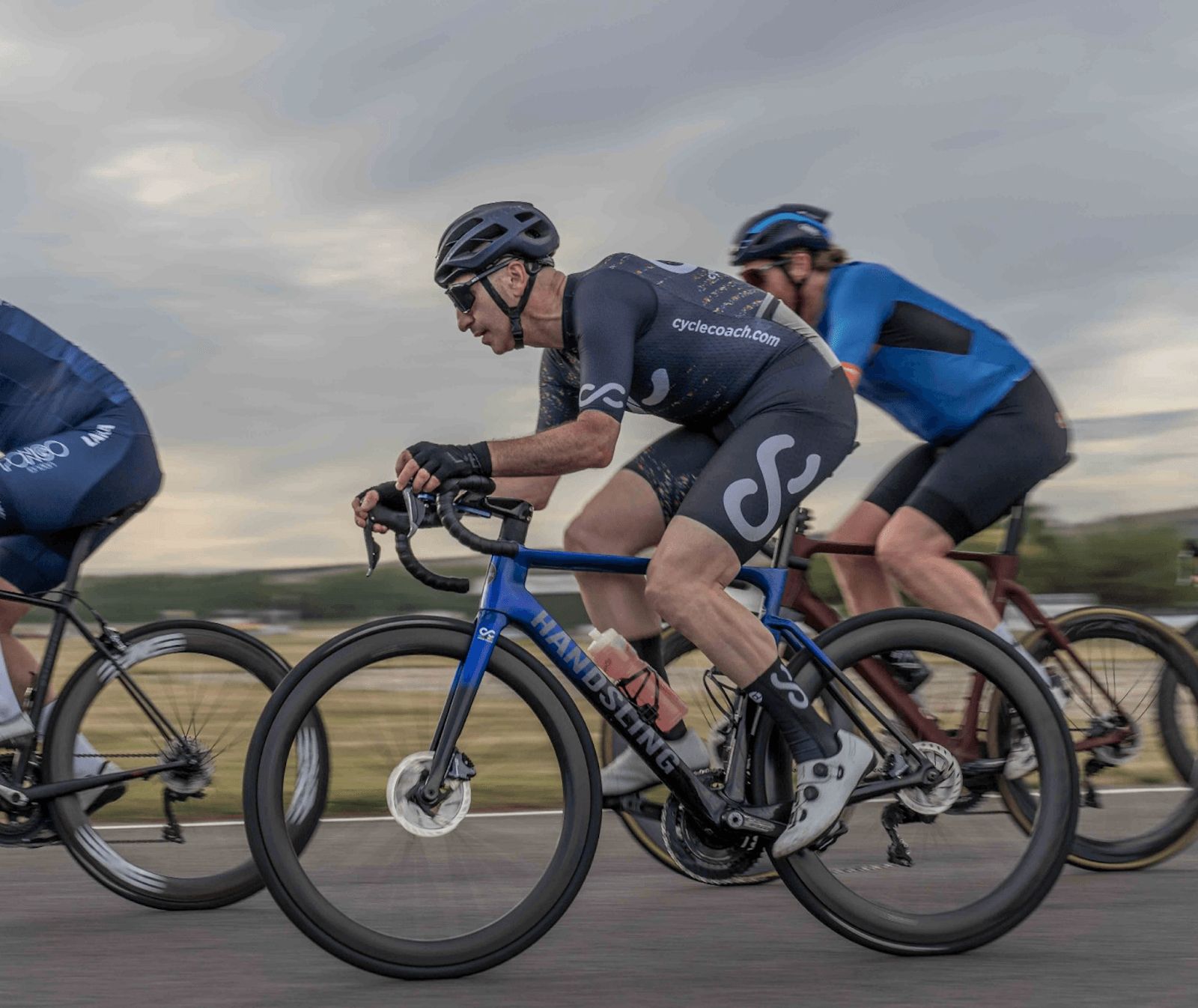
Credit: rouvy.com
Frequently Asked Questions
Does Cycling Increase Leg Muscle Size?
Cycling builds leg muscles by engaging quads, hamstrings, calves, and glutes. Regular cycling tones muscles but may not cause significant bulk.
How Does Cycling Tone Leg Muscles?
Cycling involves repetitive pedaling, which strengthens and tones leg muscles. It improves muscle endurance and definition without excessive strain.
Can Cycling Replace Leg Workouts?
Cycling offers a low-impact leg workout that improves muscle strength and endurance. However, combining cycling with strength training yields better muscle growth.
Which Leg Muscles Does Cycling Target?
Cycling primarily targets quadriceps, hamstrings, calves, and gluteal muscles. These muscles work together to pedal and maintain balance.
Conclusion
Bicycle riding helps build leg muscles steadily over time. It works key muscles like the quads, hamstrings, and calves. Regular cycling tones muscles and improves strength without harsh impact. It suits all fitness levels and ages well. Adding hills or speed boosts muscle growth even more.
So, cycling is a simple way to shape your legs. Keep riding often, and you will see results. Small steps lead to strong legs and better health.







