
Are you on a mission to build muscle mass but unsure if carbs should be a part of your diet? You’re not alone.
Many fitness enthusiasts are confused about the role of carbohydrates in muscle building. Some swear by them, while others avoid them like the plague. So, what’s the real deal? Are carbs your friend or foe in your quest for a stronger, more muscular physique?
Keep reading to uncover the truth about carbs and muscle growth. This could be the game-changer you need to optimize your diet and finally achieve those muscle goals you’ve been striving for.

Credit: www.reddit.com
Role Of Carbs In Muscle Growth
Carbohydrates play a key role in muscle growth beyond just filling your plate. They fuel your workouts, help your body use protein effectively, and speed up recovery. Understanding how carbs impact these areas can change how you plan your meals and training.
Energy Source For Workouts
Your muscles rely heavily on carbs for energy during exercise. When you eat carbs, your body stores them as glycogen in muscles and liver. This glycogen is the main fuel for high-intensity workouts like weightlifting or sprinting.
Without enough glycogen, your strength and endurance drop quickly. Have you ever felt tired halfway through a workout? It might be your carb stores running low. Keeping your glycogen topped up ensures you push harder and lift heavier.
Carbs And Protein Interaction
Carbs don’t just provide energy; they also help protein do its job better. Eating carbs with protein triggers insulin release, which helps shuttle amino acids into muscle cells. This process supports muscle repair and growth.
If you focus only on protein, you could miss out on this powerful synergy. A balanced meal with both carbs and protein after training can maximize muscle gains. Think of carbs as the delivery truck that helps protein reach the muscles faster.
Impact On Recovery
Recovery depends a lot on how quickly your glycogen stores get replenished. After intense training, your muscles are like empty batteries needing a quick recharge. Carbs speed up this process, reducing muscle soreness and fatigue.
Skipping carbs after a workout may slow your progress and leave you feeling drained. How quickly do you bounce back from tough sessions? Adjusting your carb intake might be the key to faster recovery and consistent gains.
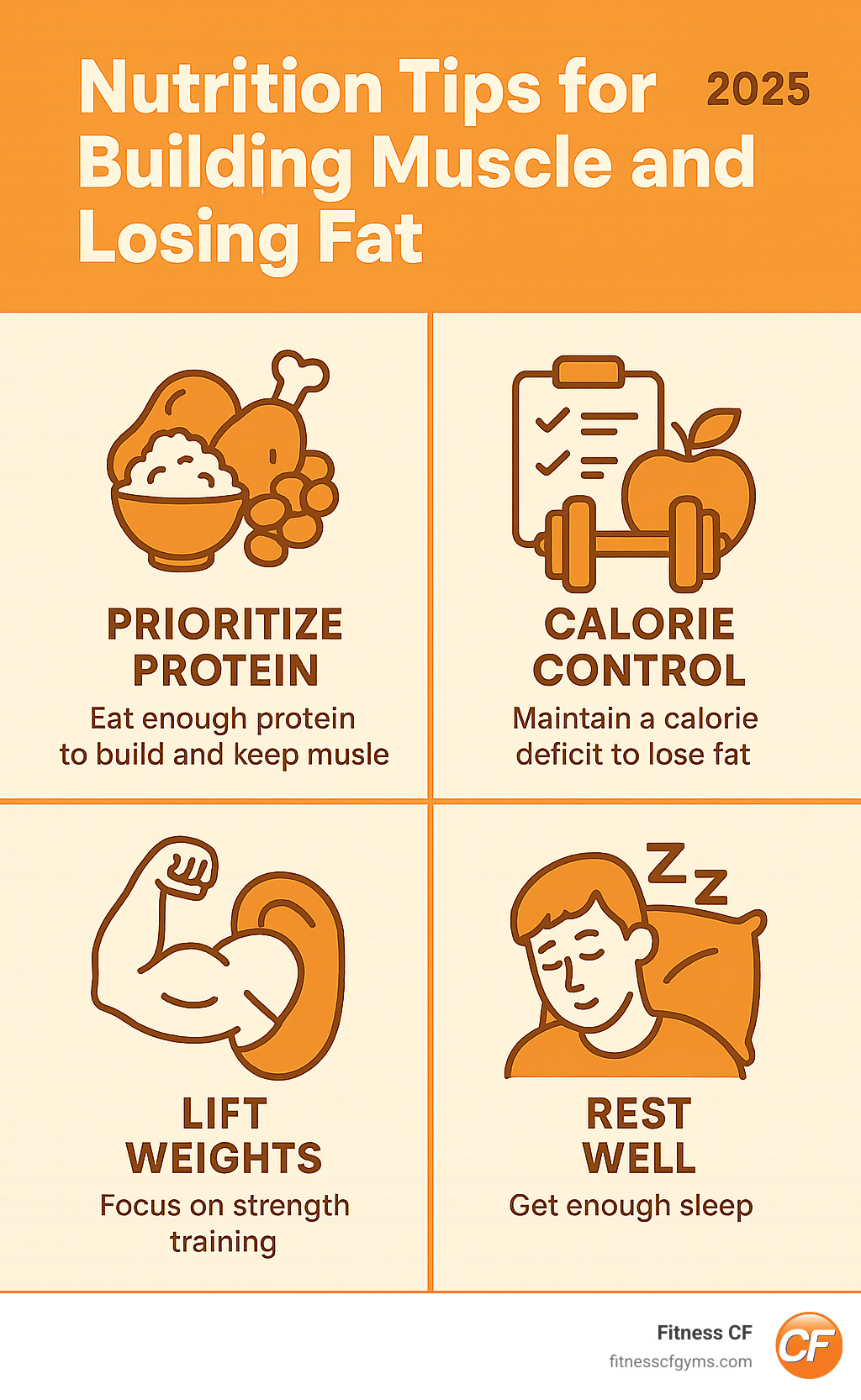
Credit: fitnesscfgyms.com
Carbs Vs Other Nutrients
Carbohydrates, proteins, and fats are the three main nutrients that fuel the body. Each one plays a different role in muscle growth and recovery. Understanding how carbs compare to other nutrients helps in planning a balanced diet for building muscle mass.
Carbs Compared To Protein
Proteins are the building blocks of muscle. They repair muscle fibers damaged during exercise. Carbs provide the energy needed to perform workouts and support protein’s work. Without enough carbs, the body uses protein for energy, reducing muscle repair. Carbs help save protein for muscle growth rather than fuel. Eating enough carbs boosts workout performance and recovery speed.
Carbs Compared To Fats
Fats are a long-lasting energy source. They support hormone production, including hormones that affect muscle growth. Carbs provide quicker energy than fats, especially during intense exercise. Muscles rely on carbs for fast energy to lift weights or do cardio. Fats help keep energy steady during rest or low-intensity activity. Both nutrients are important but serve different energy needs.
Balancing Macronutrients
Muscle building needs a mix of carbs, protein, and fats. Too few carbs can limit training intensity. Too few proteins slow muscle repair. Fats support overall health and hormone balance. A good balance might look like:
- 40-50% of calories from carbs
- 25-35% from protein
- 20-30% from fats
Adjust these based on your body, goals, and activity level. Balanced macronutrients keep energy high and muscles growing.
Types Of Carbohydrates
Carbohydrates play a key role in building muscle mass, but not all carbs are created equal. Understanding the different types of carbohydrates helps you choose the right ones to fuel your workouts and recovery. Let’s break down the basics to help you make smarter choices for muscle gain.
Simple Vs Complex Carbs
Simple carbs are made of one or two sugar molecules, which makes them quick to digest and absorb. This means you get an instant energy boost, but it also causes rapid spikes and drops in blood sugar.
Complex carbs contain longer chains of sugar molecules. They take longer to break down, providing you with steady energy over a longer period. Examples include whole grains, vegetables, and legumes.
Which type suits you better depends on your workout timing. Do you need a quick energy kick before lifting, or sustained fuel throughout the day?
Best Carb Sources For Muscle Gain
Choosing the right carb sources can impact your muscle-building success. Focus on nutrient-dense options that support recovery and keep you full.
- Oats:Packed with fiber and slow-digesting carbs to keep energy consistent.
- Sweet potatoes:Rich in vitamins and provide complex carbs for lasting fuel.
- Brown rice:A great source of whole grains with a balanced carb profile.
- Quinoa:Offers carbs and protein, making it ideal for muscle repair.
- Fruits:Provide simple carbs and antioxidants for quick energy and recovery.
Have you tried swapping out white bread or sugary snacks for these options? You might notice better energy levels during workouts.
Timing Carb Intake
When you eat carbs can be just as important as what you eat. Consuming carbs before your workout gives your muscles the energy to push harder.
Post-workout carbs help replenish glycogen stores and speed up recovery. Pairing them with protein maximizes muscle repair.
Try eating a balanced carb-protein meal 1-2 hours before training, and a similar snack within 30 minutes after. How does adjusting your carb timing affect your performance?
Carb Intake Strategies
Carbohydrates play a key role in muscle growth and recovery. Choosing the right carb intake strategy helps fuel workouts and supports muscle repair. Different approaches suit different goals and body types. Below are popular carb intake methods for muscle building.
Carb Cycling
Carb cycling involves alternating high and low carb days. It helps manage energy and fat levels. On high-carb days, muscles get glycogen for tough workouts. Low-carb days encourage fat burning. This method balances muscle gain with fat control. Many athletes use carb cycling to optimize performance and physique.
Low-carb Muscle Building
Low-carb muscle building limits carb intake while keeping protein high. The body uses fat for energy instead of carbs. This approach suits those who want lean muscle without extra fat. It requires careful meal planning to avoid low energy. Low-carb diets can reduce water weight and inflammation. Consistency and protein focus are essential here.
High-carb Muscle Building
High-carb muscle building emphasizes eating more carbs daily. Carbs provide quick energy for intense training. They refill glycogen stores to boost strength and endurance. This strategy works well for hard gainers and active individuals. Combining high carbs with enough protein supports muscle repair and growth. It is important to choose quality carbs for best results.
Common Myths About Carbs
Carbohydrates often get a bad reputation in fitness talks. Many myths confuse people about their role in muscle building. Clearing up these myths helps understand why carbs matter.
Carbs Cause Fat Gain
Carbs do not directly cause fat gain. Eating too many calories from any source leads to fat gain. Carbs provide energy for workouts and daily activities. Without enough carbs, the body may use muscle for fuel. Moderation and balance are key to avoid fat gain.
Carbs Are Not Needed For Muscle
Carbs are essential for muscle growth. They refill glycogen stores in muscles after exercise. Glycogen fuels intense workouts and helps recovery. Without carbs, workouts may feel weaker and shorter. Protein builds muscle, but carbs provide the needed energy.
Carbs And Insulin
Insulin is a hormone that helps store nutrients. Eating carbs raises insulin levels temporarily. Insulin helps shuttle glucose and amino acids into muscles. This process supports muscle repair and growth. Insulin itself does not cause fat gain; excess calories do.
Credit: medium.com
Practical Tips For Muscle Gain
Building muscle requires more than just lifting weights. It needs smart nutrition and planning. Carbohydrates play a key role in this process. Here are practical tips to help you include carbs effectively for muscle gain.
Meal Planning With Carbs
Plan your meals to include the right amount of carbs. Choose whole grains, fruits, and vegetables for steady energy. Balance carbs with protein and healthy fats. This supports muscle repair and growth.
- Include brown rice, oats, or quinoa as carb sources.
- Eat colorful vegetables for vitamins and fiber.
- Pair carbs with lean proteins like chicken or fish.
Post-workout Carb Choices
After exercise, carbs help restore energy quickly. Opt for fast-digesting carbs to refill muscle glycogen. Combine these with protein for better recovery.
- Try fruits like bananas or berries.
- Choose white rice or potatoes for quicker absorption.
- Include a protein shake or lean meat alongside carbs.
Monitoring Progress
Track your muscle gain and energy levels regularly. Adjust carb intake based on your results and workouts. Use a journal or app to record meals and performance.
- Note changes in strength and muscle size.
- Watch for energy dips or fatigue.
- Modify carb amounts to match activity intensity.
Frequently Asked Questions
Do Carbs Help In Building Muscle Mass?
Yes, carbs provide energy for workouts and aid muscle recovery. They help replenish glycogen stores, supporting muscle growth and performance.
Can I Build Muscle Without Eating Carbohydrates?
Building muscle without carbs is possible but less efficient. Carbs fuel workouts and recovery, so low-carb diets may limit muscle gains.
How Many Carbs Should I Eat To Build Muscle?
Aim for 3-6 grams of carbs per kilogram of body weight daily. Adjust based on activity level and muscle-building goals for best results.
When Should I Eat Carbs For Muscle Growth?
Consume carbs before and after workouts to fuel energy and aid recovery. This timing helps maximize muscle growth and performance.
Conclusion
Carbohydrates play a key role in building muscle mass. They give your body energy for workouts and help muscles recover. Without enough carbs, your strength and growth might slow down. Balance carbs with protein and healthy fats for best results.
Pay attention to your body’s needs and adjust your diet. Muscle building takes time, patience, and good nutrition. Keep carbs in your meal plan to support your fitness goals. Simple choices lead to steady progress.







