
Have you ever wondered if it’s possible to build muscle while on a calorie deficit? You’re not alone.
Many fitness enthusiasts and beginners alike grapple with this question. You might be trying to shed some unwanted pounds but still want to keep your hard-earned muscle or even add a bit more. The idea of cutting calories while gaining muscle might sound like a fitness myth.
But what if there’s more to the story? What if you could unlock the secret to achieving both goals simultaneously? We’ll dive deep into the science and strategies that can help you understand how to maximize muscle growth even when you’re consuming fewer calories. Whether you’re a seasoned gym-goer or just starting your fitness journey, the insights you’ll gain could transform your approach and results. Curious to find out how? Keep reading, as the answers might surprise you and redefine your path to fitness success.
Muscle Growth Basics
Understanding muscle growth is key to knowing how to build muscle. Muscle growth happens when muscle fibers repair after stress from exercise. This repair makes muscles stronger and bigger. Nutrition and calories play a big role in this process. Without the right fuel, muscles cannot grow efficiently.
Role Of Calories In Muscle Building
Calories provide energy for muscle repair and growth. The body uses calories to fuel workouts and recover afterward. If calorie intake is too low, the body lacks energy to build muscle. Adequate calories support protein synthesis, the process of creating new muscle tissue.
Calorie Surplus Vs Deficit Effects
A calorie surplus means eating more calories than the body burns. This extra energy helps muscles grow faster. In a calorie deficit, the body burns more calories than consumed. Muscle growth can slow or stop if energy is too low. Yet, muscle gain is still possible with smart training and nutrition in a deficit.
Importance Of Protein Intake
Protein is the building block of muscles. Eating enough protein helps repair damaged muscle fibers. It also supports new muscle growth. Aim for high-quality protein sources every day. This ensures muscles get the nutrients needed to grow and recover.
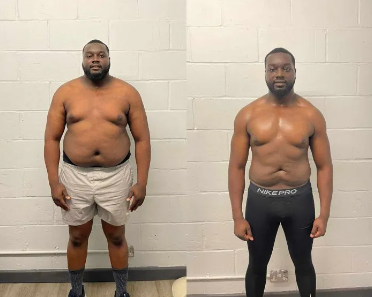
Credit: medium.com
Challenges Of Building Muscle In Deficit
Building muscle while eating fewer calories than your body burns is a tough balancing act. You need enough fuel to support muscle growth, but a calorie deficit means limited energy. This creates several challenges that can slow your progress or even cause setbacks.
Energy Limitations
Muscle growth requires energy, and when you’re in a calorie deficit, your body doesn’t have extra calories to spare. This can leave you feeling weak or less motivated during workouts. Have you noticed days when your strength just isn’t there? That’s often because your body is prioritizing basic functions over muscle building.
Without enough energy, it’s harder to push through intense training sessions. This means less stimulus for your muscles to grow. You might need to adjust your workout intensity or volume to match your current energy levels.
Recovery And Fatigue
Recovering from workouts is critical for muscle growth, but a calorie deficit can slow down this process. Your muscles repair and grow stronger while you rest, but with fewer nutrients and calories, recovery takes longer.
Have you ever felt unusually sore or tired for days after a workout? That’s a sign your recovery is lagging. Over time, accumulated fatigue can lead to burnout or even injury if you don’t listen to your body and allow proper rest.
Hormonal Impact
Calories play a big role in regulating hormones that influence muscle growth. When you eat less, levels of anabolic hormones like testosterone and insulin-like growth factor (IGF-1) can drop. These hormones help your muscles grow and recover efficiently.
At the same time, cortisol, a stress hormone, may increase during a calorie deficit. Higher cortisol can break down muscle tissue and slow your progress. Are you tracking how you feel throughout the day? Mood swings and low energy might be signs your hormones are off balance.
Effective Strategies To Build Muscle While Cutting
Building muscle while cutting calories is possible with the right approach. The key lies in smart strategies that protect muscle mass and support growth even in a calorie deficit. These strategies help you stay strong and lean at the same time.
Prioritize High Protein Diet
Protein is essential for muscle repair and growth. Eating enough protein preserves muscle during calorie cuts. Aim for lean sources like chicken, fish, eggs, and plant proteins. Spread protein intake evenly across meals. This helps maintain muscle protein synthesis throughout the day.
Strength Training Focus
Strength training signals your body to keep muscle. Use compound exercises like squats, deadlifts, and presses. These target multiple muscle groups efficiently. Lift weights with proper form and challenge your muscles. Consistent training helps reduce muscle loss during calorie deficit.
Manage Workout Intensity
Keep workout intensity high but avoid overtraining. Too much cardio can lead to muscle loss. Balance strength training with moderate cardio sessions. Rest days are important for recovery. Listen to your body to prevent burnout and injuries.
Optimize Nutrient Timing
Timing nutrients can improve muscle maintenance. Eat protein before and after workouts to fuel muscles. Include carbs around workouts for energy and recovery. Stay hydrated and avoid long gaps between meals. This keeps muscles nourished and ready to grow.

Credit: www.fit3d.com
Role Of Supplements
Supplements can play a key role if you’re trying to build muscle in a calorie deficit. While the deficit limits your overall energy intake, the right supplements help you get the nutrients your body needs to repair and grow muscle. They won’t replace hard training or a solid diet, but they can give you an edge when calories are tight.
Protein Powders
Protein is the building block of muscle, so keeping your intake high is crucial during a calorie deficit. Protein powders offer a quick and convenient way to boost your daily protein without adding too many calories. You can easily add a shake after workouts or between meals to hit your protein goals.
Many people underestimate how hard it is to consume enough protein from food alone when cutting calories. Using protein powder helped me stay consistent with my intake and recover faster from workouts. Have you tracked your protein intake lately?
Branched-chain Amino Acids
Branched-Chain Amino Acids (BCAAs) include leucine, isoleucine, and valine—three essential amino acids that support muscle recovery and reduce soreness. Taking BCAAs during or after workouts can help preserve muscle when you’re eating fewer calories. They may also improve workout performance by reducing fatigue.
If you struggle with muscle soreness or feel drained during training, BCAAs could be worth trying. They won’t magically build muscle alone, but they support your muscles when nutrition is limited. What if a simple scoop could ease your recovery?
Creatine Benefits
Creatine is one of the most researched supplements for muscle growth and strength. It helps your muscles produce energy during high-intensity exercise, allowing you to push harder even when in a calorie deficit. Many people see improved strength and muscle fullness after adding creatine to their routine.
During my own cut, creatine helped me maintain strength levels and keep my workouts intense. It’s affordable and safe for most people, making it a smart choice to support muscle maintenance. Could creatine be the missing piece in your muscle-building puzzle?
Monitoring Progress And Adjustments
Tracking your progress while trying to build muscle in a calorie deficit is essential. Without consistent monitoring, it’s easy to lose sight of what’s working and what isn’t. Making timely adjustments can help you stay on track and prevent frustration.
Track Body Composition
Rather than relying solely on the scale, focus on changes in your body composition. Use tools like skinfold calipers, bioelectrical impedance scales, or even progress photos to see how your muscle mass and fat levels are shifting.
Notice if your clothes fit differently or if you’re getting stronger in the gym. These signs often tell a clearer story than weight alone. Are you gaining muscle even if the number on the scale isn’t moving much?
Adjust Calories And Macros
If your progress stalls, consider tweaking your calorie intake and macronutrient ratios. You might need to increase protein to support muscle repair or adjust carbs to fuel your workouts better.
Small calorie changes, like adding 100-150 calories on workout days, can make a big difference. Have you tried adjusting your macros based on how your body feels and performs?
Listen To Recovery Signals
Pay attention to how your body recovers from workouts. Persistent fatigue, soreness, or lack of strength gains may indicate you’re not eating enough or recovering well.
Rest days and quality sleep are just as important as your diet and training. When was the last time you evaluated your recovery habits to support muscle growth?
Who Can Benefit Most
Building muscle while eating fewer calories is possible, but it depends on the person. Some groups gain muscle easier in a calorie deficit. Knowing who benefits most helps plan workouts and diets better.
Beginners And Muscle Memory
New lifters often gain muscle even with fewer calories. Their bodies respond fast to strength training. Muscle memory also helps those returning after a break. Muscles remember past strength and grow quicker.
Overweight Individuals
People with extra body fat can build muscle during calorie cuts. Fat stores provide energy for muscle growth. This makes losing fat and gaining muscle easier at the same time. Strength training is key for best results.
Advanced Lifters Considerations
Experienced lifters find it harder to build muscle in a calorie deficit. Their bodies are used to training and adapt slowly. Focus shifts to maintaining muscle while losing fat. Careful diet and workout plans are needed to avoid muscle loss.

Credit: www.youtube.com
Frequently Asked Questions
Can You Gain Muscle While Eating Fewer Calories?
Yes, gaining muscle in a calorie deficit is possible but challenging. Prioritize protein intake and strength training. Beginners or those returning to exercise see the best results. Muscle gain may be slower than in a calorie surplus but achievable with smart nutrition and workouts.
How Does Calorie Deficit Affect Muscle Growth?
A calorie deficit limits the energy available for muscle repair and growth. Your body may use stored fat for fuel, preserving muscle if protein intake is high. Proper training and nutrition help minimize muscle loss and allow some muscle gain even with fewer calories.
What’s The Best Diet For Muscle Gain In Deficit?
Focus on high protein intake, around 1. 6-2. 2 grams per kg of body weight. Balance carbs and fats to support energy and recovery. Nutrient-dense, whole foods are ideal. Consistency in eating and training is key to building muscle during calorie restriction.
Can Beginners Build Muscle In A Calorie Deficit?
Beginners can build muscle in a calorie deficit due to “newbie gains. ” Their bodies respond quickly to training and protein intake. Proper workout programs and nutrition support muscle synthesis even when calories are slightly reduced. Progress may slow as experience grows.
Conclusion
Building muscle in a calorie deficit is tough but possible. Focus on eating enough protein to support muscle growth. Strength training helps keep and build muscle even while losing fat. Be patient; progress may be slower than in a calorie surplus.
Track your food and workouts to stay on target. Rest and recovery play a big role in muscle gain. Small gains add up over time. Stay consistent and listen to your body. This approach can help improve your shape and strength together.







