
Ever wondered if sprinting can help you build muscle? You’re not alone.
Many fitness enthusiasts like you are constantly searching for efficient ways to get stronger and leaner. The idea that something as exhilarating and natural as sprinting could be your secret weapon is both exciting and intriguing. You might find yourself asking, “Can a short, intense burst of speed really shape my muscles?
” This question is more than just a curiosity; it’s a potential game-changer for your workout routine. Imagine achieving a sculpted physique without spending endless hours at the gym. The thought of sprinting transforming not just your stamina but also your muscle definition might sound too good to be true. But what if it isn’t? Stay with us as we unravel the science behind sprints and muscle growth. You’ll discover insights that could redefine your fitness strategy and lead you to the results you’ve been dreaming of. Don’t miss out on this opportunity to unlock the full potential of your workouts.

Credit: trackspikes.co
How Sprints Affect Muscle Growth
Sprints are a powerful form of exercise that can influence muscle growth in several ways. They challenge the body with intense bursts of effort, activating muscles differently than steady cardio or weightlifting. Understanding how sprints affect muscle growth helps you use them effectively in your training routine.
Muscle Fiber Activation
Sprinting activates fast-twitch muscle fibers. These fibers contract quickly and generate high force. They have the greatest potential for growth. Slow-twitch fibers, used in long-distance running, do not grow as much. Sprinting recruits more muscle fibers, increasing muscle strength and size over time.
Hormonal Responses
Sprints cause a spike in key growth hormones. These include testosterone and human growth hormone (HGH). Both hormones play a vital role in muscle repair and growth. The short, intense effort of sprints triggers this hormonal boost. This hormonal response supports muscle development after exercise.
Impact On Muscle Hypertrophy
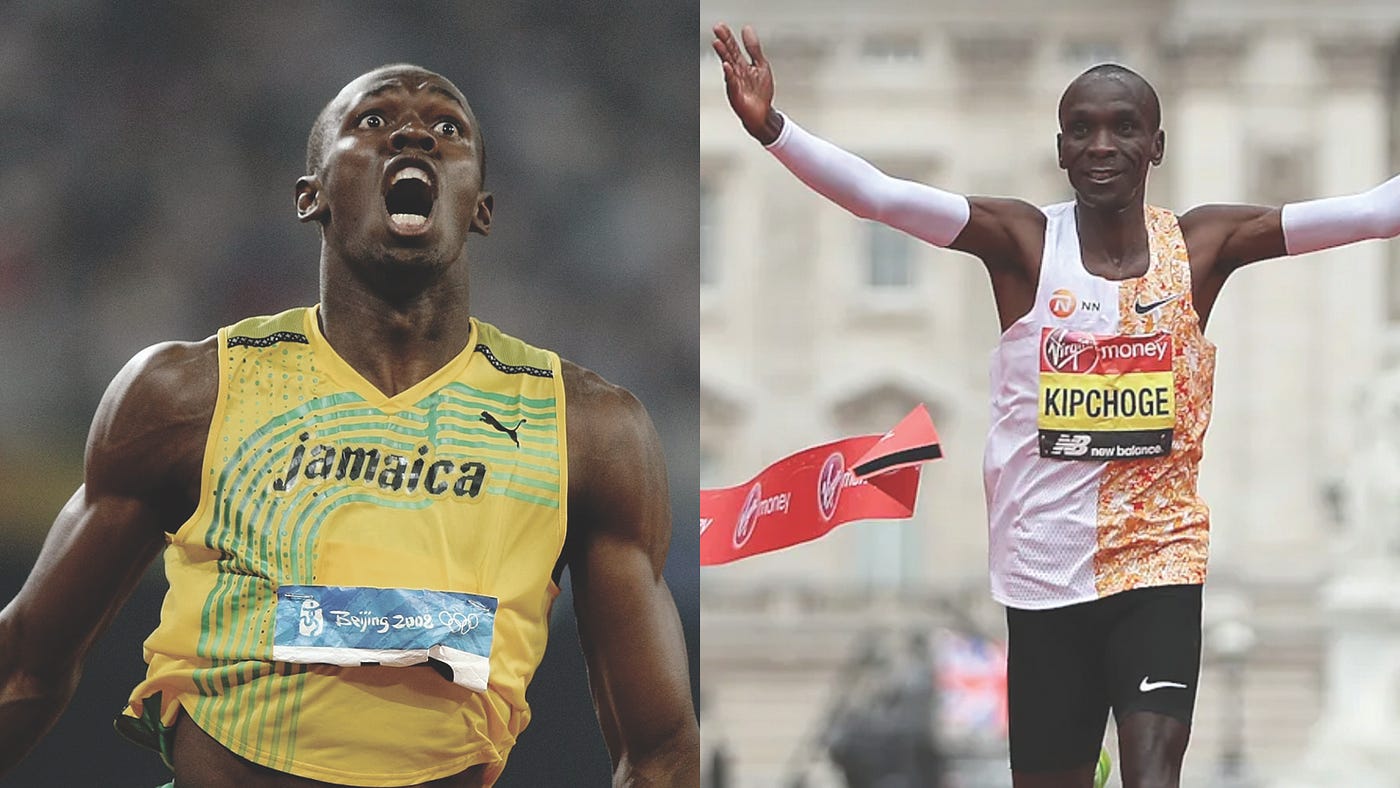
Muscle hypertrophy means muscle size increase. Sprinting promotes hypertrophy mainly in leg muscles. The explosive effort causes micro-tears in muscle fibers. Repairing these tears leads to muscle growth. Sprinting alone may not build large muscles like weightlifting. But it helps increase muscle tone, density, and power.
Credit: medium.com
Benefits Beyond Muscle Size
Sprints do more than just build muscle size. They improve various aspects of physical fitness that benefit overall health and performance. These benefits support better workouts and daily activities. Understanding these effects shows why sprints are a valuable exercise.
Improved Muscle Endurance
Sprinting trains muscles to work longer without getting tired. It boosts the ability to sustain high effort over time. This helps in sports and tasks that need lasting strength. Muscles recover faster between intense efforts. This makes repeated sprints easier and more effective.
Enhanced Metabolic Rate
Sprints raise the body’s metabolism even after exercise ends. This means more calories burn at rest. A higher metabolic rate helps with fat loss and weight control. It also improves energy use from food. This effect supports overall fitness and health.
Increased Strength And Power
Sprinting builds fast-twitch muscle fibers responsible for strength and power. These fibers help with explosive movements like jumping and lifting. Stronger muscles improve athletic performance and injury prevention. Power gained from sprints transfers to many sports and activities.
Sprint Training Techniques For Muscle Gain
Sprint training isn’t just about speed; it’s a powerful way to build muscle if done right. Different sprint techniques target muscle fibers in unique ways, pushing your body to grow stronger and more defined. Which sprint style fits your muscle-building goals depends on how you train and challenge your muscles during each session.
Interval Sprinting
Interval sprinting mixes short bursts of all-out speed with rest or light jogging. This pattern forces your muscles to contract explosively, encouraging growth in fast-twitch fibers responsible for power and size.
Try sprinting for 20-30 seconds, then walking or jogging for 1-2 minutes. Repeat this cycle 6-10 times. This approach helps you recover enough to maintain maximum effort each sprint, which is key for muscle stimulation.
Hill Sprints
Running uphill adds resistance naturally, making your muscles work harder than on flat ground. The incline forces your glutes, quads, and calves to push against gravity, increasing muscle activation and strength.
Start with short hills, sprinting up for 10-15 seconds, then walk down to recover. The steeper the hill, the tougher the workout, so choose a slope that challenges you but doesn’t risk injury.
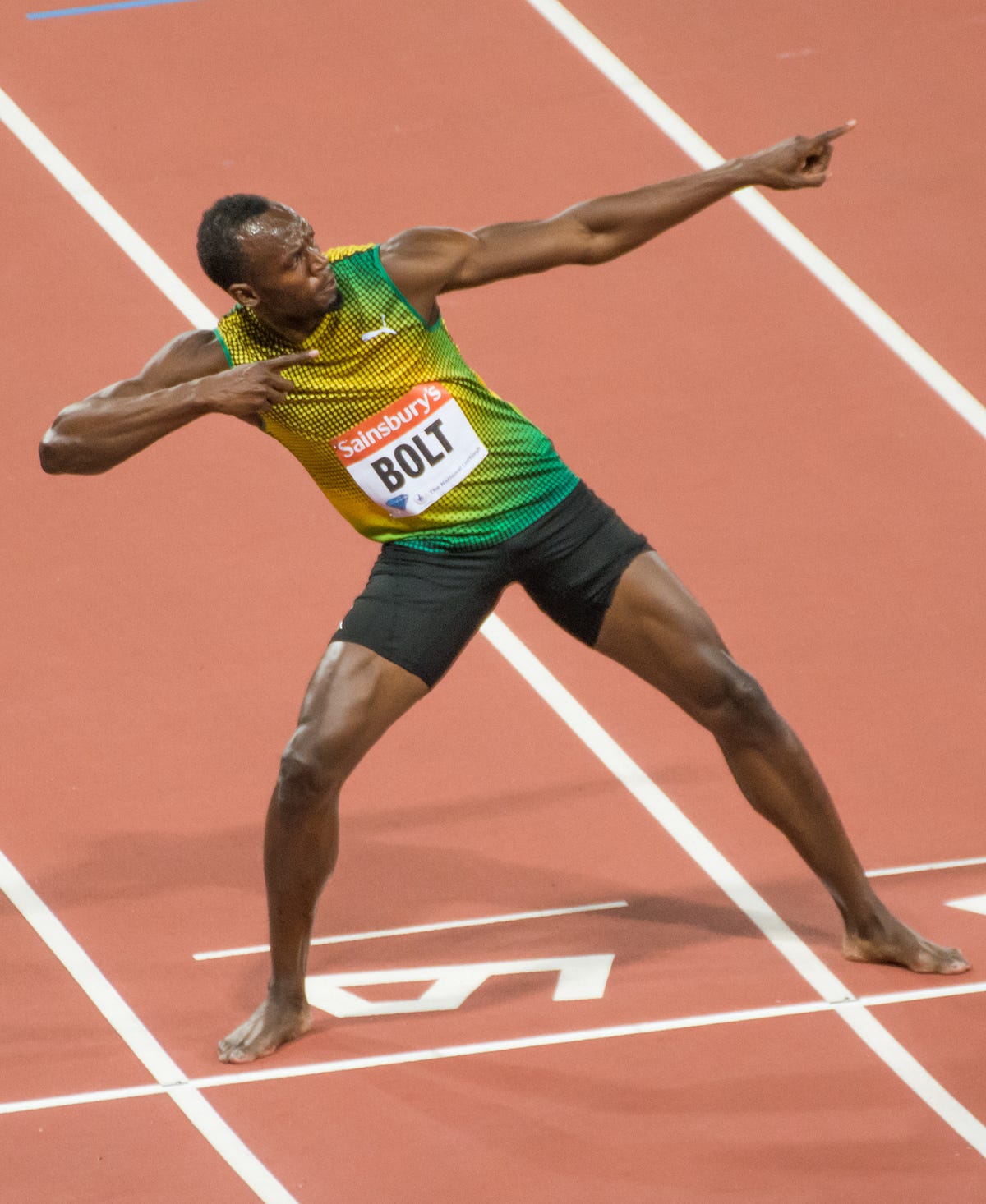
Resistance Sprints
Adding extra resistance during sprints ramps up muscle engagement dramatically. You can use parachutes, weighted vests, or sleds to increase the load your muscles must overcome.
This technique mimics strength training by making each sprint a heavy lift for your lower body. Remember to keep your sprints short and controlled to maintain good form and avoid injury.
Credit: medium.com
Combining Sprints With Strength Training
Combining sprints with strength training can be a game-changer for building muscle and boosting overall fitness. Sprinting activates fast-twitch muscle fibers, which are essential for explosive power and muscle growth. When paired with strength training, it creates a dynamic workout routine that hits multiple aspects of muscle development.
Optimizing Workout Schedules
Timing is crucial when you mix sprints and strength training. You don’t want one to drain your energy for the other. Plan your sprints on separate days from heavy lifting or schedule them after a light strength session.
For example, you might sprint on Monday, Wednesday, and Friday, and focus on strength training on Tuesday and Thursday. This spacing helps you give full effort during each workout. Think about your goals—if muscle gain is the priority, keep your sprint sessions short and intense.
Would splitting your workouts this way help you train smarter rather than harder?
Balancing Recovery And Performance
Recovery is where the magic happens. Both sprinting and lifting put a lot of stress on your muscles and nervous system. Without enough rest, you risk overtraining and injury.
Make sure to get quality sleep, hydrate well, and eat enough protein to fuel muscle repair. Active recovery days with light movement like walking or yoga can also speed up healing. Listen to your body—if you feel constantly fatigued, it’s a sign to dial back.
Have you noticed how proper recovery improved your strength or sprint speed before? Paying attention to this balance can make your combined workouts more effective and sustainable.
Common Myths About Sprints And Muscle
Sprints often get misunderstood when it comes to muscle building. Many believe they either cause muscle loss or serve only as a cardio tool. These myths can stop you from using sprints to their full potential in your fitness routine.
Sprints Cause Muscle Loss
Some people think sprinting burns too many calories and leads to muscle loss. But sprinting actually triggers muscle growth by activating fast-twitch muscle fibers. These fibers are responsible for strength and power, helping you build muscle rather than lose it.
Have you noticed how sprinters have defined muscles? That’s because sprinting promotes muscle retention and growth when paired with proper nutrition.
Sprints Are Only For Cardio
Many assume sprints are just a form of cardio, like jogging or cycling. However, sprinting is a high-intensity exercise that combines strength and endurance. It improves your cardiovascular health while also challenging your muscles to grow.
Think about how sprint workouts leave you breathless and sore in your legs and core. That’s muscle working hard, not just your heart.
Sprints Build Only Leg Muscles
It’s easy to think sprints only work your legs, but they actually engage your entire body. Your core stabilizes your movement, your arms pump to help drive speed, and your back supports your posture.
Next time you sprint, feel how your whole body is involved. This full-body effort contributes to overall muscle development, not just in your legs.
Nutrition Tips To Support Sprint-induced Muscle Growth
Sprinting is intense and demands proper nutrition to help muscles grow. Fueling the body right supports recovery and builds strength. Eating and drinking smartly around sprint workouts maximizes muscle gains. Nutrition plays a key role in boosting sprint results and muscle growth.
Protein Intake
Protein helps repair and build muscle tissue after sprints. Aim for lean sources like chicken, fish, beans, and eggs. Spread protein intake evenly throughout the day. Consuming protein within 30 minutes after sprinting speeds muscle recovery. Include at least 20-30 grams of protein in post-workout meals.
Hydration Strategies
Hydration keeps muscles working well during sprints. Drink water before, during, and after exercise. For longer sessions, use drinks with electrolytes to replace lost minerals. Proper hydration prevents cramps and boosts muscle function. Avoid sugary or caffeinated drinks that dehydrate the body.
Pre- And Post-sprint Meals
Eat a small meal 1-2 hours before sprinting. Include carbs and a little protein for energy and muscle support. Good options: oatmeal with fruit, or a banana with peanut butter. After sprinting, eat a balanced meal with carbs and protein. This helps restore energy and repair muscles fast.
Frequently Asked Questions
Do Sprints Help In Muscle Growth?
Yes, sprints build muscle by engaging fast-twitch fibers. They promote strength and size in leg muscles. Sprinting also boosts metabolism, aiding muscle development.
How Often Should I Sprint To Build Muscle?
Sprint 2-3 times weekly for muscle growth. Allow 48 hours for recovery between sessions. Consistency and proper rest optimize muscle gains and prevent injury.
Can Sprints Replace Weight Training For Muscle Building?
Sprints complement but don’t replace weight training. They develop power and endurance but lack the resistance needed for maximal muscle growth.
Which Muscles Benefit Most From Sprinting?
Sprinting primarily targets quads, hamstrings, glutes, and calves. It also engages core muscles for stability and balance during explosive movements.
Conclusion
Sprints help build muscle by using fast, powerful movements. They target fast-twitch muscle fibers that grow with effort. Sprinting also improves strength and endurance together. Combine sprints with good nutrition for best results. Rest and recovery are key for muscle growth.
Consistency in training will bring steady progress. Sprints alone may not build all muscles. Use them as part of a balanced workout plan. Keep pushing your limits to see real changes. Small steps add up to big muscle gains over time.







