
Ever looked in the mirror and wondered if there’s a fun and effective way to build muscle without lifting heavy weights? You might have heard whispers about Pilates, often associated with flexibility and core strength.
But can it really help you build muscle? Imagine a workout that not only strengthens your body but also sharpens your mind, leaving you feeling refreshed and revitalized. With Pilates, you might just be onto something transformative. Stick around as we dive into how Pilates can be your secret weapon in muscle building, and why it might be the perfect fit for your fitness journey.
How Pilates Builds Strength
Building strength through Pilates is often misunderstood as just improving flexibility or posture. However, Pilates actively engages your muscles in a way that promotes strength without bulky muscle gain. It challenges your body to stabilize, control, and resist movements, which translates into real muscular strength.
Muscle Engagement In Pilates
Pilates targets multiple muscle groups simultaneously, focusing on controlled, precise movements. You engage both the large muscle groups and the smaller stabilizing muscles that often get neglected in other workouts. This balanced muscle engagement helps you develop a well-rounded strength.
Think about holding a plank or performing a roll-up: you’re not just using your arms or legs but activating your entire body to maintain control. This full-body muscle activation builds strength by constantly challenging your muscles to work efficiently.
Core Activation And Stability
Your core is the powerhouse in Pilates. Every movement requires your abdominal and back muscles to engage, creating a strong and stable center. This core activation improves your overall strength because a stable core supports better movement and balance.
From my own experience, focusing on core stability in Pilates helped reduce lower back pain and improved my posture significantly. When your core is strong, other muscles can work more effectively, making your entire body stronger and less prone to injury.
Resistance Through Body Weight
Pilates uses your own body weight as resistance, which is both accessible and adaptable. You control the intensity by adjusting the speed, range of motion, and number of repetitions. This means you’re constantly challenging your muscles without the need for heavy equipment.
- Slow, controlled movements increase muscle tension.
- Holding poses builds endurance and strength.
- Repetitive sequences enhance muscle tone.
Have you noticed how holding a Pilates pose feels harder the longer you maintain it? That’s your muscles working against your body weight to build strength in a sustainable way.

Credit: www.youtube.com
Muscle Groups Targeted By Pilates
Pilates targets multiple muscle groups with precision, making it a versatile workout for building strength and tone. It challenges your body in ways that improve muscle balance and coordination. Understanding which muscles Pilates engages can help you focus your practice and see better results.
Upper Body Strength
Pilates works your arms, shoulders, chest, and back through controlled movements. Exercises like the Pilates push-up and swimming move your upper body muscles with resistance and stability. You’ll notice improved posture and stronger shoulders, which support everyday activities.
Have you felt your arms getting firmer after a few sessions? That’s because Pilates emphasizes slow, deliberate muscle engagement rather than fast, repetitive motions.
Lower Body Toning
Your legs, glutes, and hips get a thorough workout in Pilates. Moves like leg circles and bridges isolate these muscles to improve strength and shape. The focus on alignment helps prevent injuries and enhances muscle tone.
If you want more definition in your thighs or a lifted butt, Pilates offers targeted exercises that work deep muscle layers often missed in other workouts.
Core Muscle Development
The core is the foundation in Pilates. It targets your abs, lower back, and pelvic muscles to build a strong center. This support reduces back pain and improves balance.
Think about how much better your posture feels after practicing core exercises regularly. A strong core also makes other movements in your daily life easier and safer.
Pilates Vs Traditional Strength Training
Comparing Pilates and traditional strength training reveals key differences in how each method helps you build muscle. While both aim to improve your physical fitness, their approaches and outcomes vary significantly. Understanding these differences can help you choose the right workout for your goals.
Differences In Muscle Building Approach
Pilates focuses on controlled, low-impact movements that target core strength and muscle endurance rather than pure muscle size. Traditional strength training uses heavier weights and higher resistance to create muscle hypertrophy, meaning your muscles grow bigger and stronger.
In Pilates, you use your body weight and resistance from equipment like reformers to engage muscles deeply but gently. Strength training pushes muscles to fatigue through repetitive, heavy lifting, which causes muscle fibers to grow. Which approach aligns better with your fitness goals: sculpted endurance or visible muscle bulk?
Benefits Of Pilates For Muscle Endurance
Pilates builds muscle endurance by encouraging precise, sustained muscle engagement throughout exercises. This helps your muscles perform longer without fatigue, which is essential for daily activities and injury prevention.
Many people find Pilates improves posture, flexibility, and balance while strengthening muscles evenly. If you want toned muscles that support overall body function and reduce soreness, Pilates may be your go-to. How often do you push your muscles to endurance rather than just strength?
Combining Pilates With Weight Training
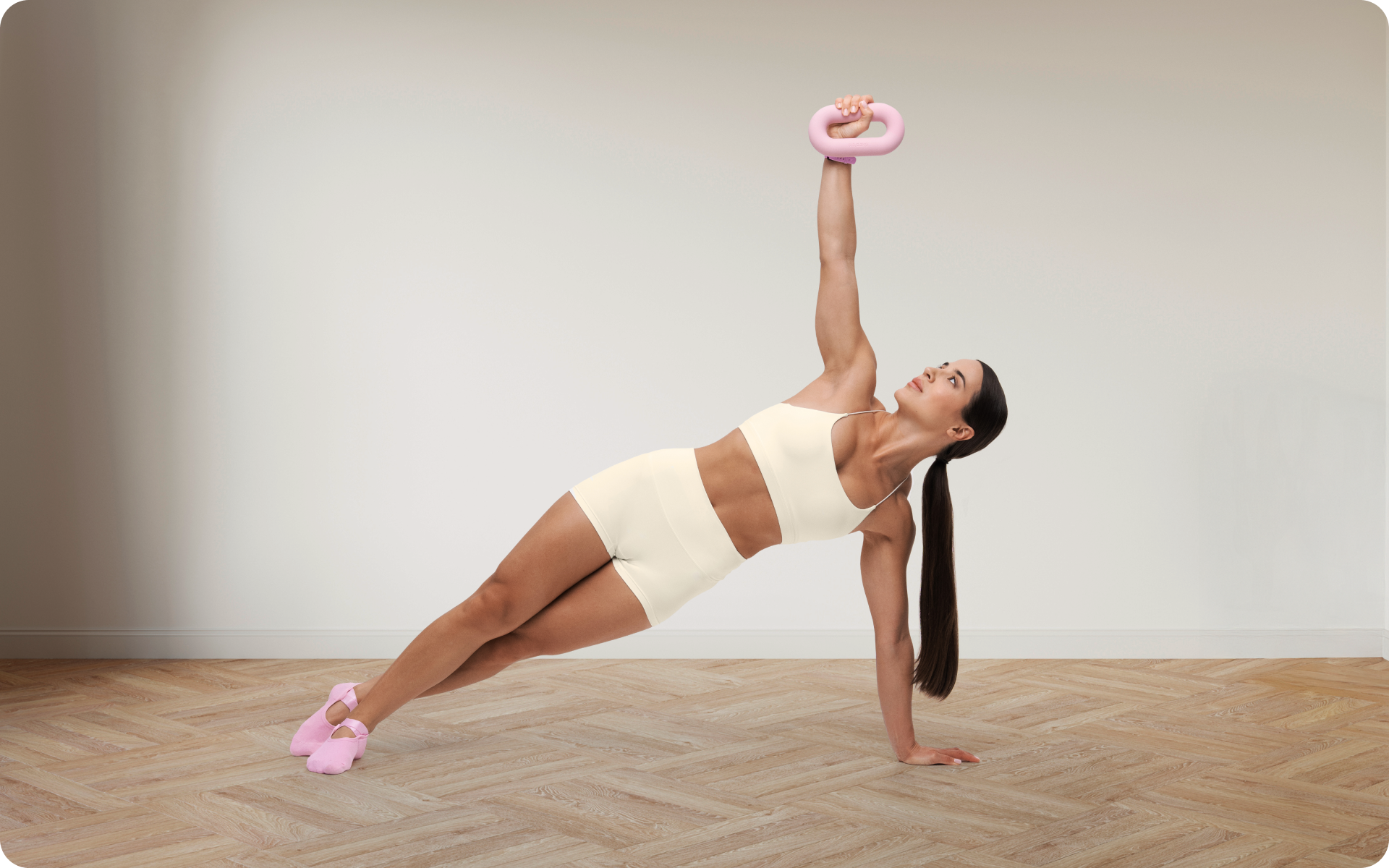
Pairing Pilates with traditional strength training can give you the best of both worlds. Pilates enhances your core stability and muscle control, making your weight training sessions more effective and safer.
This combination helps prevent muscle imbalances and overuse injuries common in heavy lifting. Try adding Pilates sessions on rest days or before lifting weights to improve flexibility and prepare your muscles for harder work. How could improving your muscle control change the way you lift weights?
Credit: betterme.world
Techniques To Maximize Muscle Growth In Pilates
Pilates can help build muscle with the right techniques. Focusing on muscle growth means challenging your body more than usual. This requires changes in your routine and paying attention to how you perform exercises. Simple adjustments can make Pilates more effective for muscle building.
Using Equipment For Added Resistance
Adding equipment increases the challenge for your muscles. Tools like resistance bands, Pilates rings, and weights add extra load. This forces muscles to work harder and grow stronger. Equipment also helps target different muscle groups more deeply. It makes your workouts more varied and intense without losing control.
Increasing Reps And Intensity
Doing more repetitions builds endurance and strength. Gradually increase the number of reps to push muscles. Raise the intensity by shortening rest times between sets. You can also try slower movements or hold positions longer. These changes make muscles adapt and grow over time.
Focus On Controlled Movements
Slow and controlled motions maximize muscle engagement. Precision helps muscles work fully during each movement. Avoid rushing through exercises to prevent injury and improve results. Control also improves balance and coordination. Paying close attention to form activates muscles better.
Real-life Results And Success Stories
Seeing real-life results is often the best way to understand if Pilates can help you build muscle. Many people share success stories that highlight how Pilates not only tones the body but also adds strength and muscle definition. These stories reveal the practical impact Pilates has on different bodies and fitness levels.
Transformations With Pilates
Many individuals have experienced noticeable changes in muscle tone and strength after regular Pilates practice. One woman, who struggled with weak core muscles, reported that after six months of Pilates, her abs were visibly firmer and she could hold plank positions much longer. This kind of transformation shows that Pilates can target deep muscle layers, improving both endurance and size.
Have you noticed changes in your muscle strength since starting Pilates? Tracking your progress can help you see how your body responds over time.
Athletes Incorporating Pilates
Professional athletes often add Pilates to their training to enhance muscle balance and prevent injuries. For example, tennis players use Pilates to build stronger, more controlled arm and shoulder muscles without bulk. This helps improve their swing power and accuracy.
Runners find that Pilates strengthens their core muscles, which supports better posture and reduces fatigue. Could Pilates be the missing piece in your training routine to improve muscle control and overall performance?
Expert Opinions On Muscle Gains
Fitness experts acknowledge that Pilates builds muscle differently than traditional weightlifting. Instead of rapid muscle growth, Pilates focuses on lean muscle development and improved muscle endurance. Experts suggest combining Pilates with other strength exercises for well-rounded muscle growth.
Physical therapists highlight how Pilates helps activate smaller stabilizing muscles that often get ignored. Strengthening these muscles can improve your overall muscle function and reduce injury risk.
Common Myths About Pilates And Muscle Building
Many people hesitate to try Pilates for muscle building because of common myths that surround it. These myths can make you doubt whether Pilates is effective for gaining strength and muscle tone. Let’s clear up some of the biggest misconceptions so you can decide if Pilates fits your fitness goals.
Pilates Is Only For Flexibility
Many believe Pilates is just about stretching and improving flexibility. While flexibility is part of Pilates, it also involves controlled resistance and muscle engagement. You use your own body weight to create tension, which challenges your muscles in ways that lead to strength gains.
Think about holding a plank or doing leg lifts in Pilates—these moves target muscles deeply and build endurance. Have you noticed how your core feels stronger after a Pilates session? That’s muscle building happening right there.
Muscle Building Requires Heavy Weights
You might assume lifting heavy weights is the only way to build muscle. But Pilates shows that muscle growth can come from controlled, precise movements without heavy equipment. It focuses on quality over quantity, emphasizing muscle control and alignment.
Many Pilates exercises engage multiple muscle groups simultaneously, making your muscles work harder than you might expect. This approach helps tone and strengthen muscles without the need for bulky weights. Could lighter resistance with better form give you the results you want?
Pilates Is Not Challenging Enough
Some think Pilates lacks intensity and is too gentle to build muscle. However, Pilates can be very demanding, especially as you progress. The exercises require concentration, balance, and controlled movement, which push your muscles to work hard.
Once you master basic moves, you can increase difficulty by adding resistance bands, weights, or using specialized equipment. Your muscles will respond to this challenge, growing stronger over time. Have you tried a Pilates class that left your muscles burning?
Tips For Starting Pilates To Build Muscle
Starting Pilates to build muscle can feel overwhelming if you’re not sure where to begin. The key is to approach it with clear intentions and practical steps that fit your lifestyle. Here are some tips to help you get started effectively and see real muscle-building results.
Choosing The Right Classes
Not all Pilates classes focus equally on muscle building. Look for classes labeled as “strength” or “advanced,” which often include more resistance and challenging moves.
Try different formats like reformer Pilates, which uses equipment to add resistance, or mat classes with added weights. This variety helps you find what pushes your muscles in the right way.
Ask instructors about the focus of their classes. Knowing if the session targets core, upper body, or full-body strength can help you match classes with your muscle goals.
Setting Realistic Goals
Building muscle with Pilates takes time. Set achievable targets like increasing reps or holding positions longer every two weeks.
Instead of aiming for dramatic muscle growth overnight, focus on gradual strength gains and improved muscle tone. This mindset keeps you motivated and less likely to get discouraged.
Think about how Pilates fits into your weekly routine. Can you commit to three sessions a week? Consistency beats intensity when starting out.
Tracking Progress Effectively
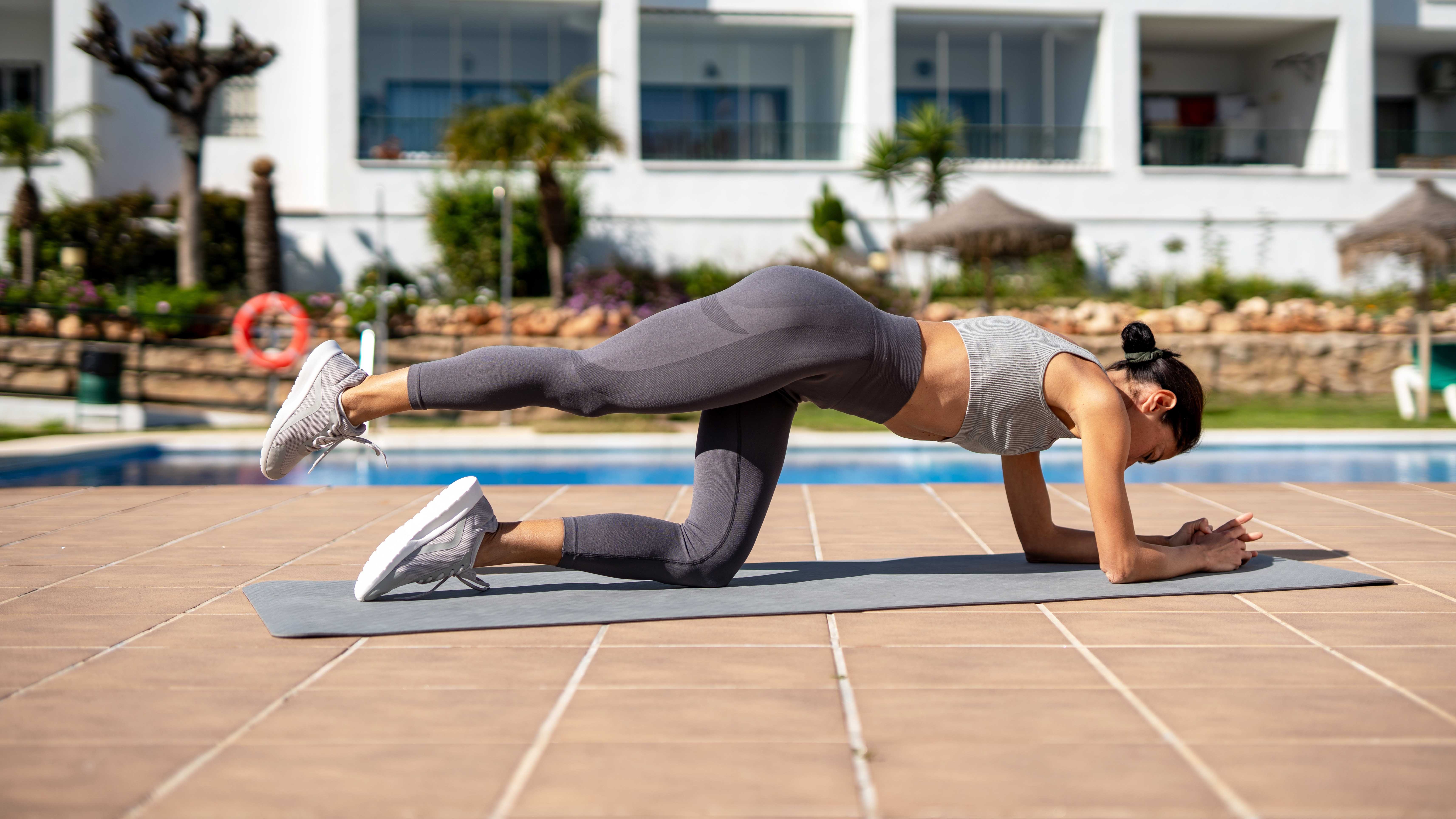
Tracking your progress helps you see improvements beyond just muscle size. Use a journal or app to note changes in strength, endurance, and how your clothes fit.
Take photos every few weeks to visually compare muscle definition. Sometimes gains show more clearly in images than numbers.
Pay attention to how your body feels during and after workouts. Feeling stronger or less fatigued during exercises is a clear sign of progress.
Credit: www.tomsguide.com
Frequently Asked Questions
Can Pilates Help Increase Muscle Size?
Pilates primarily tones muscles rather than significantly increasing size. It builds lean muscle by focusing on controlled movements and resistance. For larger muscle growth, combining Pilates with weight training is more effective.
How Does Pilates Build Muscle Strength?
Pilates builds muscle strength through slow, controlled exercises that engage deep core and stabilizer muscles. It improves endurance and overall muscle tone by using body weight and resistance tools.
Is Pilates Effective For Muscle Endurance?
Yes, Pilates enhances muscle endurance by promoting sustained muscle engagement during exercises. It conditions muscles to perform longer without fatigue, improving overall stamina and functional strength.
Can Pilates Replace Traditional Strength Training?
Pilates complements but does not fully replace traditional strength training. It focuses more on flexibility, core strength, and muscle tone, while traditional training builds bulk and maximal strength.
Conclusion
Pilates helps build muscle by using your own body weight. It focuses on slow, controlled movements. This strengthens deep muscles and improves posture. You may not gain big muscles fast. But your muscles become firm and toned. Pilates also improves balance and flexibility.
It suits all fitness levels and ages. Combine Pilates with other exercises for best results. Consistency matters more than intensity here. Give your body time to adapt and grow. Pilates builds strength in a gentle, effective way.







