
Are you trying to build muscle and wondering if carbs are your friend or foe? You’re not alone.
Many fitness enthusiasts are curious about the role carbohydrates play in muscle growth. With so much conflicting information out there, it can be tough to figure out what’s best for your body. But don’t worry, we’ve got you covered. We’ll uncover the truth about carbs and muscle building.
We’ll dive into how the right carbs can fuel your workouts, aid in recovery, and ultimately help you gain the muscle mass you desire. Stay with us, and you might just discover the missing piece to your muscle-building puzzle.
Role Of Carbs In Muscle Growth
Carbohydrates play a crucial role in muscle growth. They provide the necessary fuel for intense workouts. Carbs support various processes that help muscles grow and recover faster. Understanding how carbs work can improve your muscle-building results.
Energy Source For Workouts
Carbs break down into glucose, which your body uses for energy. During exercise, muscles rely on this glucose to perform well. Without enough carbs, energy levels drop, and workouts feel harder. Eating carbs before training helps maintain strength and endurance.
Carbs And Protein Synthesis
Protein synthesis is how your body builds new muscle tissue. Carbs help by increasing insulin levels, a hormone that promotes muscle repair. Insulin helps move amino acids from protein into muscles. This process speeds up muscle growth after exercise.
Glycogen Storage And Recovery
Your muscles store carbs as glycogen, a ready energy reserve. After workouts, glycogen stores are low and need replenishing. Eating carbs post-exercise restores glycogen quickly. This helps muscles recover and prepare for the next session.
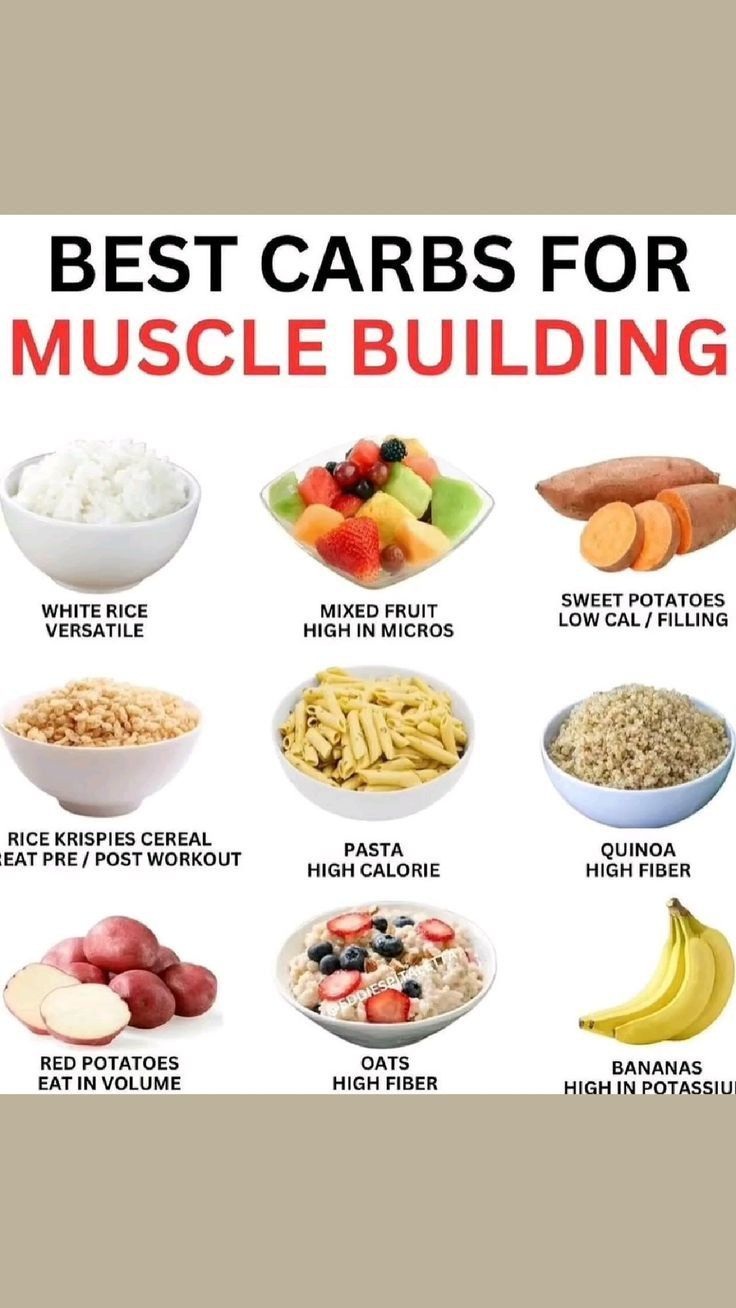
Credit: x.com
Types Of Carbs For Muscle Gain
Carbohydrates are essential for muscle growth. They provide energy and help repair muscles after workouts. Not all carbs are equal, though. Choosing the right type can improve your muscle gain results. Understanding the difference between simple and complex carbs is important. Also, knowing the best sources and timing your intake helps fuel your body better.
Simple Vs Complex Carbohydrates
Simple carbs digest quickly and provide fast energy. They include sugars found in fruits, honey, and candy. These carbs spike your blood sugar rapidly but may cause energy crashes. Complex carbs digest slowly and provide steady energy. They include whole grains, vegetables, and legumes. Complex carbs keep you full longer and support sustained workouts.
Best Carb Sources For Muscle Building
- Brown rice – rich in fiber and nutrients
- Oats – great for slow energy release
- Sweet potatoes – loaded with vitamins and minerals
- Quinoa – high in protein and carbs
- Whole grain bread – good for quick energy
- Fruits like bananas and apples – natural simple carbs
- Vegetables – provide fiber and essential nutrients
Timing Carb Intake
Eating carbs before workouts fuels your muscles. It boosts energy and improves performance. Post-workout carbs help replenish muscle glycogen. Combine carbs with protein after exercise for better recovery. Avoid heavy carb meals late at night. Spread carb intake throughout the day for steady energy. Timing carbs right supports muscle growth and workout success.
Carb Intake And Workout Performance
Carbohydrates play a key role in workout performance and muscle building. They are the body’s main energy source during exercise. Proper carb intake can improve strength, endurance, and recovery. Understanding when and how to consume carbs helps you get the best results from your workouts.
Pre-workout Carb Benefits
Eating carbs before exercise fuels your muscles. It boosts glycogen stores, which power your workout. This extra energy helps you train harder and longer. A small carb meal or snack 30 to 60 minutes before exercise works well. Examples include fruit, oatmeal, or a slice of bread. This helps maintain steady energy and reduces fatigue.
Post-workout Carb Importance
After exercise, carbs help refill muscle glycogen. This speeds up recovery and prepares muscles for the next session. Combining carbs with protein after workouts supports muscle repair. Good post-workout foods include rice with chicken, yogurt with fruit, or a smoothie. Eating carbs soon after training maximizes muscle growth and recovery.
Balancing Carbs With Other Nutrients
Carbs work best with protein and fats. Protein supports muscle repair and growth. Healthy fats provide long-lasting energy and aid nutrient absorption. A balanced meal includes all three nutrients. For example:
- Grilled chicken, sweet potatoes, and avocado
- Eggs, whole grain toast, and nuts
- Salmon, quinoa, and olive oil
Balance ensures steady energy and better workout results.
Carb Myths In Muscle Building
Carbohydrates have a mixed reputation in muscle building circles. Many ideas about carbs are based on myths rather than facts. Understanding these myths helps you make smarter nutrition choices for muscle growth. Let’s explore some common carb myths that often confuse people.
Carbs Cause Fat Gain
People often believe carbs directly cause fat gain. The truth is, fat gain comes from eating more calories than the body uses. Carbs provide energy, and excess calories from any source can lead to fat gain. Carbs alone do not cause fat storage.
Low-carb Diets And Muscle Loss
Some think low-carb diets protect muscle better than high-carb diets. Actually, carbs help preserve muscle by fueling workouts and recovery. Without enough carbs, the body may break down muscle for energy. Low-carb diets can increase muscle loss if protein intake is not enough.
Carb Cycling For Muscle Growth
Carb cycling means varying carb intake on different days. This can support muscle growth by matching carbs with workout intensity. High-carb days fuel hard training, while low-carb days help control fat gain. Carb cycling helps balance energy and muscle-building needs.
Practical Tips For Using Carbs
Carbohydrates play a crucial role in building muscle, but using them effectively requires more than just eating more pasta or bread. Knowing how to balance your carb intake with your training and recovery can make a noticeable difference in your muscle gains. Here are some practical tips to help you use carbs smartly for muscle growth.
Calculating Carb Needs
Your carb needs depend on your body weight, activity level, and workout intensity. A common guideline is to consume between 3 to 6 grams of carbs per kilogram of body weight daily. If you train intensely or frequently, lean toward the higher end.
Think about your energy demands: Are your workouts short and intense or longer and moderate? Adjusting your carb intake based on this can prevent fatigue and support recovery. Tracking your daily intake for a week can reveal patterns to tweak for better results.
Meal Planning For Muscle Gain
Timing your carbs around workouts can enhance muscle growth. Eating carbs before exercise provides the energy you need to push harder, while carbs after help replenish glycogen and repair muscles.
Try to include carbs in every meal with a focus on whole foods like sweet potatoes, brown rice, and oats. Don’t overlook vegetables—they provide carbs along with fiber and nutrients. Planning meals this way keeps your energy steady and supports muscle repair throughout the day.
Supplements And Carb Options
Supplements can be useful when you need quick carbs, especially after tough training sessions. Options like dextrose or maltodextrin powders digest fast and spike insulin to shuttle nutrients into muscles efficiently.
If you prefer natural sources, fruits such as bananas or dates can serve the same purpose. Experiment with what feels best for your digestion and energy levels. Have you noticed how certain carb sources affect your workout performance or recovery?
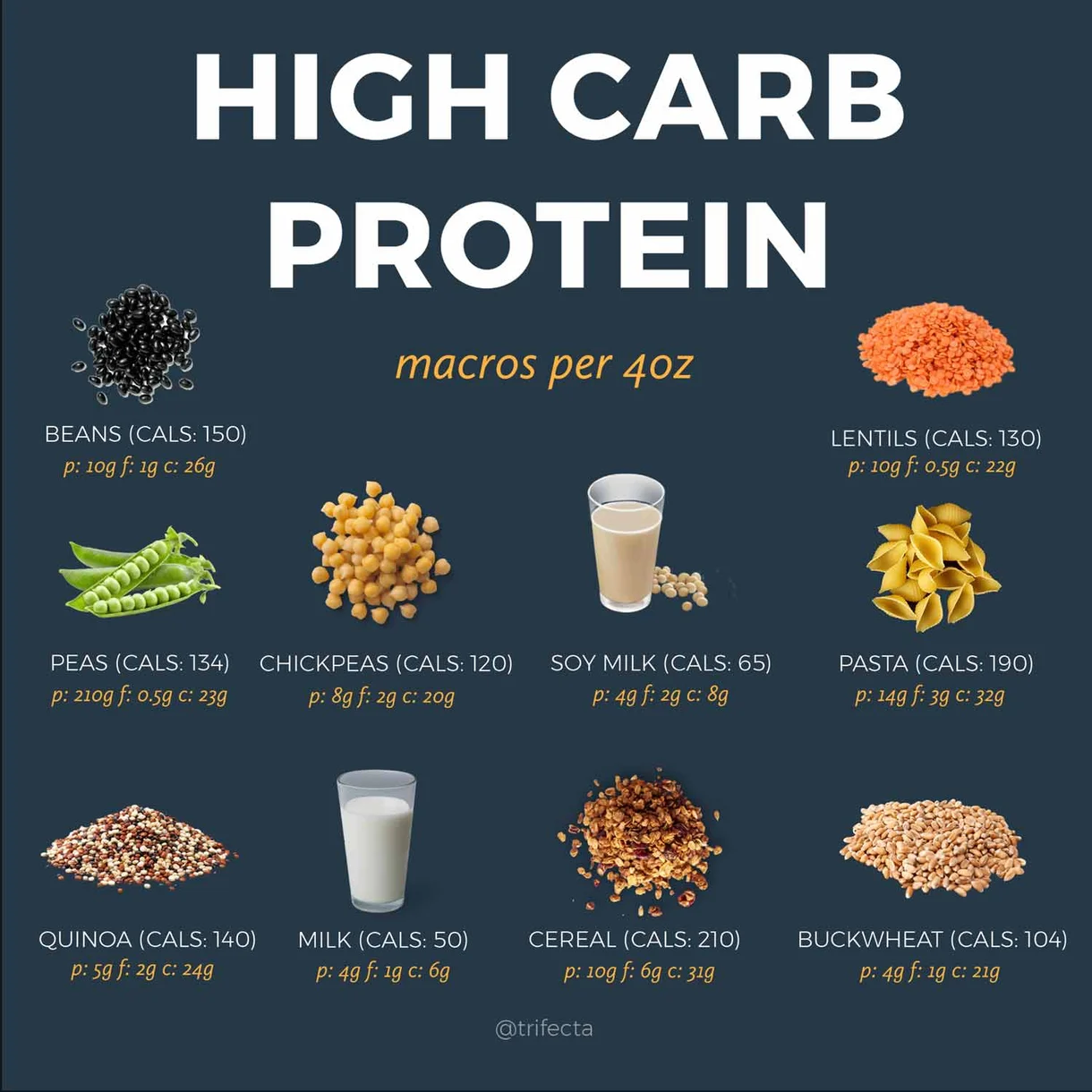
Credit: in.spartan.com
Credit: medium.com
Frequently Asked Questions
Do Carbs Help In Building Muscle Mass?
Yes, carbs provide energy for workouts and aid muscle recovery. They replenish glycogen stores, supporting muscle growth effectively.
How Many Carbs Should I Eat To Build Muscle?
Consume 3-7 grams of carbs per kg of body weight daily. Adjust intake based on activity level and muscle-building goals.
Can Low-carb Diets Affect Muscle Growth?
Low-carb diets may reduce energy and muscle glycogen. This can limit workout performance and slow muscle growth over time.
When Is The Best Time To Eat Carbs For Muscle Gain?
Consume carbs before and after workouts. Pre-workout carbs fuel exercise; post-workout carbs aid recovery and muscle repair.
Conclusion
Carbohydrates play a key role in building muscle. They provide energy needed for workouts. Without enough carbs, your body may feel tired. Eating carbs helps you recover faster after exercise. Balance carbs with protein for the best results. Choose whole grains, fruits, and vegetables often.
Too many carbs can lead to fat gain. Focus on quality and portion size. Remember, muscles grow with proper nutrition and rest. Keep your diet simple and consistent. This helps you reach your muscle goals.







