
Starting at the gym can feel overwhelming. You might wonder where to begin, what equipment to use, or how to create a workout that fits your goals.
But here’s the good news: you don’t have to figure it all out alone. This guide is made just for you, breaking down everything you need to know in simple steps. By the end, you’ll feel confident walking into the gym, knowing exactly what to do and how to get the most out of your time there.
Ready to make your gym visits easy and effective? Let’s dive in!
Choosing The Right Gym
Choosing a gym close to home or work saves time and keeps you consistent. Find a place with friendly staff and clean equipment for a better start.
Choosing the right gym is crucial for beginners. It sets the tone for your fitness journey. The perfect gym motivates and inspires you. Consider several factors before making your decision.Location And Accessibility
Choose a gym close to your home or work. This makes frequent visits easier. Check the gym’s operating hours. Ensure they fit your schedule. Ample parking or nearby public transport is a plus.Facilities And Equipment
Inspect the gym’s equipment quality. Look for modern, well-maintained machines. Check the variety of equipment available. Ensure it supports your workout goals. Look for amenities like showers and lockers. A clean environment is important too.Membership Options
Review the membership plans offered. Compare costs and benefits. Some gyms offer flexible monthly plans. Others may have annual contracts. Ask about any hidden fees. Check if they offer a trial period. By considering these factors, you’ll find a gym that suits you best.Setting Realistic Goals
Setting realistic goals is the key to making your gym experience positive and sustainable. Without clear and achievable targets, you might feel overwhelmed or lose motivation quickly. Goals give you direction and a sense of accomplishment as you progress.
Short-term Vs Long-term Goals
Short-term goals are your stepping stones. They might be as simple as going to the gym three times a week or adding 5 pounds to your lift in two weeks. These quick wins keep you engaged and build confidence.
Long-term goals focus on the bigger picture. Maybe you want to run a 5K or lose 20 pounds over six months. These goals require patience and consistency. Setting both helps you balance immediate motivation with lasting success.
Tracking Progress
How do you know if your goals are working? Tracking your progress provides clear answers. Use a workout journal, an app, or simple notes to record your exercises, weights, and how you feel after workouts.
Seeing progress on paper can be a huge morale boost. It also helps you adjust your plan if you’re not improving. Ask yourself: Are you getting stronger, faster, or more consistent? If not, what can you change?
Staying Motivated
Motivation can dip, and that’s normal. Find ways to keep your enthusiasm alive. Try mixing up your workouts, listening to energizing music, or pairing gym sessions with a friend.
Remember why you started. Maybe it’s to feel healthier or have more energy for daily life. Whenever motivation fades, remind yourself of these reasons. What small reward can you give yourself after reaching a goal?
Basic Gym Etiquette
Basic gym etiquette helps create a positive workout environment. It shows respect for others and their fitness goals. Following simple rules makes the gym a welcoming place. It also keeps everyone safe and comfortable. Learning these basics helps beginners feel confident and part of the gym community.
Proper Use Of Equipment
Use gym equipment as intended. Read instructions or ask staff for help. Avoid sitting on machines without exercising. Return weights and tools to their proper place after use. Do not hog machines; share time with others. This keeps the gym organized and fair for all users.
Respecting Others’ Space
Keep a safe distance from others during workouts. Avoid standing too close or interrupting someone’s routine. Wait your turn patiently for busy machines. Use headphones to listen to your music quietly. These habits show respect and help everyone focus better.
Hygiene Tips
Always wipe down machines after use with provided sprays or wipes. Bring a clean towel to absorb sweat. Wear clean workout clothes every visit. Use deodorant to stay fresh. Good hygiene protects health and makes the gym pleasant for everyone.
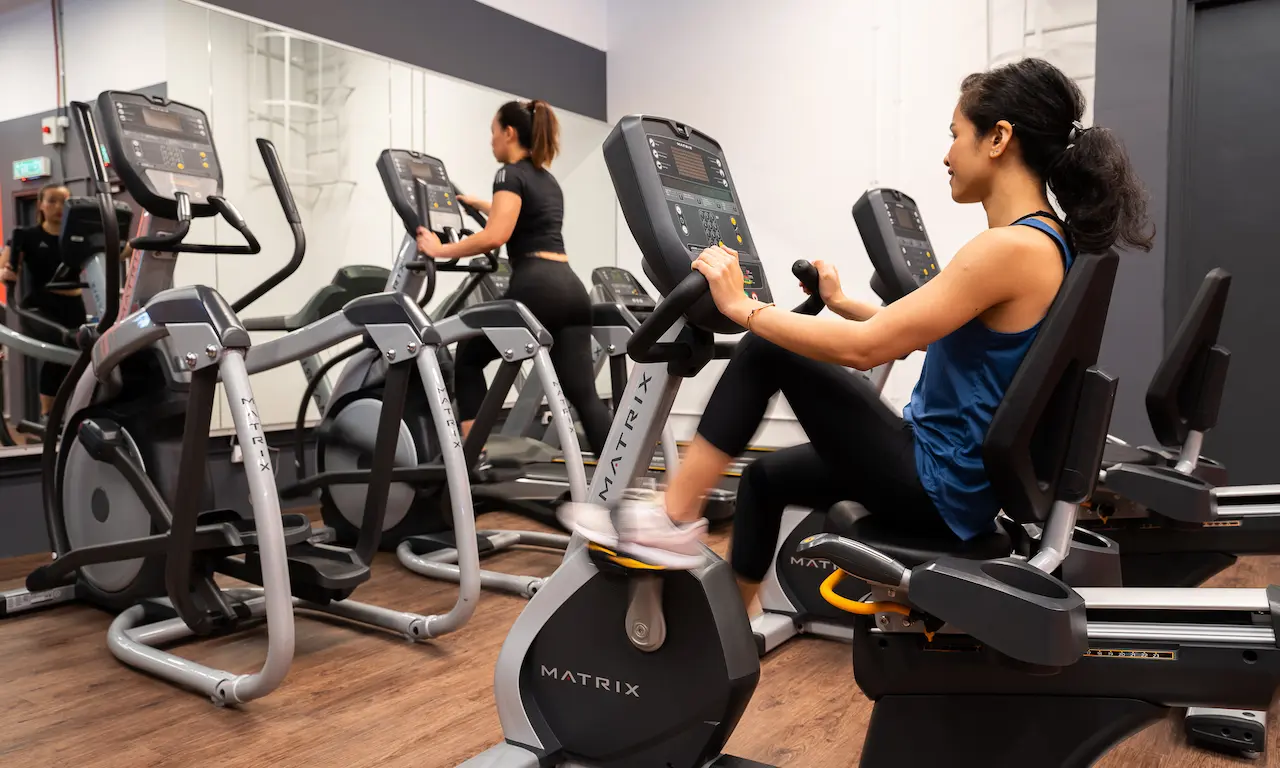
Credit: www.gofit-gym.com
Creating A Simple Workout Plan
Creating a simple workout plan helps build good habits and keeps workouts clear. A plan guides each session and helps track progress. It balances different exercise types for overall fitness. Start with easy steps to avoid injury and stay motivated.
Warm-up And Cool-down
Warm-up prepares your body for exercise. It raises your heart rate and loosens muscles. Spend 5 to 10 minutes on light activity like walking or stretching. This reduces injury risk and improves performance.
Cool-down helps your body recover. Slow down your pace and do gentle stretches for 5 to 10 minutes. This helps reduce muscle soreness and lowers heart rate safely.
Cardio Exercises
Cardio exercises improve heart and lung health. Common options include walking, jogging, cycling, or using machines like treadmills. Start with 10 to 20 minutes and increase time gradually. Aim for steady, moderate effort to build endurance.
- Choose activities you enjoy.
- Keep a steady pace.
- Breathe deeply and regularly.
Strength Training Basics
Strength training builds muscle and boosts metabolism. Use bodyweight exercises like squats, push-ups, and lunges. Light dumbbells or resistance bands also work well. Focus on proper form and slow, controlled movements.
- Start with 1 to 2 sets of 8 to 12 reps.
- Rest between sets to avoid fatigue.
- Increase weight or reps slowly over time.
Nutrition For Gym Beginners
Nutrition plays a key role in your gym progress. Eating the right foods fuels your body and helps muscles grow. Beginners must focus on balanced meals before and after workouts. Proper hydration supports energy and recovery too.
Pre-workout Meals
Eat a small meal 1 to 2 hours before exercise. Choose foods with carbs and some protein. Carbs give quick energy. Protein supports muscles during activity.
- Banana with peanut butter
- Oatmeal with milk
- Yogurt and fruit
- Whole grain toast with egg
Avoid heavy, greasy foods. They can cause discomfort while exercising.
Post-workout Nutrition
After exercise, your body needs nutrients to recover. Eat within 30 to 60 minutes post-workout. Focus on protein and carbs to repair muscles and refill energy.
- Grilled chicken with rice
- Cottage cheese and fruit
- Protein shake with a banana
- Egg and avocado sandwich
Skipping post-workout meals slows recovery and muscle growth.
Hydration Importance
Water is vital before, during, and after workouts. Dehydration lowers energy and focus. Drink small amounts regularly instead of large gulps.
- Drink water 30 minutes before exercise
- Take sips every 15-20 minutes during workout
- Rehydrate after exercise with water or electrolyte drinks
Proper hydration improves performance and helps avoid cramps.
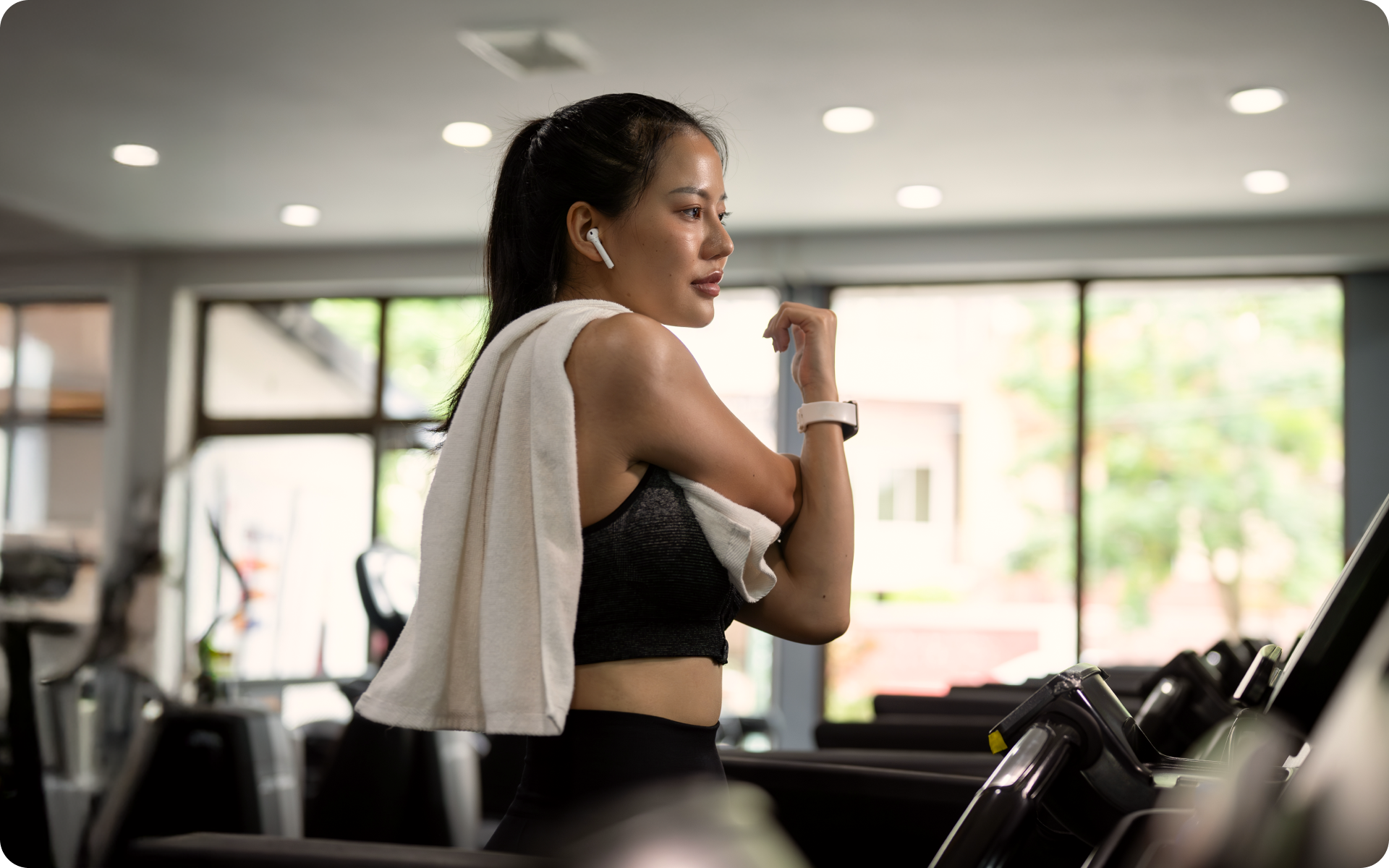
Credit: betterme.world
Avoiding Common Mistakes
Starting your gym journey can be exciting, but it’s easy to fall into common traps that slow down your progress or even cause injury. Knowing what mistakes to avoid helps you build a solid foundation and keeps your motivation high.
Overtraining Risks
Pushing yourself too hard without giving your body time to adapt can backfire quickly. Overtraining leads to fatigue, decreased performance, and even injury.
Think about how often you feel sore or exhausted after workouts. If it’s every day, your body might be telling you to slow down. Try to balance intensity with recovery to get the best results.
Ignoring Proper Form
Using the wrong technique is one of the fastest ways to get hurt and stall your progress. Proper form ensures you target the right muscles and avoid strain on joints.
It’s better to lift lighter weights with correct form than heavy weights poorly executed. If you’re unsure, ask a trainer or watch reliable tutorial videos to guide you.
Skipping Rest Days
Rest days aren’t optional—they’re essential for muscle repair and strength gains. Skipping rest can make you feel burnt out and increase the risk of injury.
Consider rest days as part of your workout plan, just like your exercise sessions. Your muscles grow when you rest, not while you’re working out.
Using Gym Resources
Using gym resources helps beginners feel confident and get better results. Gyms offer many tools to support your fitness journey. Knowing how to use these resources saves time and avoids injuries. It also makes workouts more fun and effective.
Personal Trainers
Personal trainers guide you through exercises and correct form. They create workout plans based on your goals and fitness level. Trainers teach proper techniques to prevent injury and improve results. They motivate and keep you focused during workouts. A few sessions can help you build confidence and learn gym basics.
Group Classes
Group classes offer a social and energetic workout environment. They include activities like yoga, spinning, or strength training. Classes provide structure and a clear routine to follow. An instructor leads the class, ensuring you perform exercises correctly. These sessions can boost motivation and make exercise enjoyable.
Online Tools And Apps
Many gyms offer online tools and apps for tracking progress. You can log workouts, monitor nutrition, and set goals. Apps often include video guides and tips for exercises. Using these tools keeps you organized and accountable. They help you stay on track even outside the gym.
Building Consistency
Building consistency is the key to making gym visits a regular part of life. It shapes habits, improves fitness levels, and boosts motivation. Without steady effort, progress can stall and interest may fade.
Consistency means showing up regularly and sticking to your plan. It creates a routine that becomes easier over time. The gym turns from a chore into a habit that supports your health goals.
Creating A Schedule
Set specific days and times for gym sessions. Treat these appointments like important meetings. Use a calendar or phone reminders to keep track. Starting with just two or three days a week works well for beginners.
Balance gym days with rest days to avoid burnout. Plan workouts that fit your energy levels and daily life. Consistency grows when exercise fits smoothly into your routine.
Overcoming Plateaus
Plateaus happen when progress slows or stops. It can feel frustrating and make motivation drop. Change your workout to challenge your body in new ways. Try different exercises, increase weights, or adjust reps.
Rest and nutrition also affect progress. Make sure to recover well and eat enough protein. Small changes keep your body moving forward and your mind engaged.
Celebrating Milestones
Recognize small wins along the way. Celebrate finishing a week of workouts or lifting heavier weights. These moments boost confidence and encourage you to keep going.
Track progress with photos, notes, or apps. Seeing improvement motivates you to stay consistent. Reward yourself with something simple, like a favorite meal or new workout gear.

Credit: www.gofit-gym.com
Frequently Asked Questions
What Should Beginners Wear To The Gym?
Wear comfortable, breathable clothes that allow movement. Choose proper shoes for support and avoid loose or restrictive outfits. Dress in layers if needed. This helps you stay comfortable and focused during workouts.
How Often Should Beginners Go To The Gym?
Start with 2-3 sessions per week to build consistency. Gradually increase frequency as your fitness improves. Rest days are important for muscle recovery and injury prevention.
What Basic Equipment Should Beginners Use?
Start with bodyweight exercises and simple machines like treadmills or stationary bikes. Use light dumbbells to learn proper form. Avoid heavy weights until your strength and technique improve.
How Long Should A Beginner Workout Last?
Aim for 30 to 45 minutes per session initially. Include warm-up, workout, and cool-down periods. This duration prevents burnout and supports gradual fitness gains.
Conclusion
Starting your gym journey can feel tough at first. Keep your goals clear and your routine simple. Consistency beats intensity every time. Listen to your body and rest when needed. Celebrate small wins to stay motivated. Remember, everyone begins somewhere.
Enjoy the process and stay patient with progress. Your efforts will bring results over time. Keep moving forward, one step at a time.







