
Have you ever faced a day when getting started feels impossible? When your energy dips and motivation just vanishes?
You’re not alone. Low motivation days can hit anyone, and they can slow down your progress fast. But what if you could flip the switch and regain your drive quickly? You’ll discover simple, effective ways to overcome those tough moments and keep moving forward.
Ready to take control of your motivation? Let’s dive in.
Causes Of Low Motivation
Low motivation often comes from feeling tired, stressed, or unsure about goals. Lack of clear direction and too many distractions can also drain energy and focus. Understanding these causes helps in finding ways to boost motivation again.
Feeling low on motivation can hit anyone at any time. It’s important to understand why this happens to better equip yourself to overcome it. Identifying the root causes can be a game changer in reclaiming your drive and energy.Common Triggers
Common triggers of low motivation often include unrealistic expectations and fear of failure. You might find yourself procrastinating because the task seems overwhelmingly large. Breaking tasks into smaller, manageable pieces can make them feel less daunting. Boredom is another common trigger. If you’re not interested in what you’re doing, motivation can plummet. Try to find a personal connection or inject a bit of fun into the task to reignite your interest.Impact Of Stress And Fatigue
Stress and fatigue can be silent motivation killers. When you’re exhausted, even simple tasks can seem insurmountable. Listen to your body. Are you getting enough rest? Stress often clouds our ability to focus. Consider techniques like deep breathing or short walks to clear your mind. These small breaks can refresh your energy and motivation levels.Role Of Environment
Your surroundings have a significant impact on your motivation. A cluttered, chaotic space can contribute to a cluttered mind. Organizing your workspace can create a more inviting environment. Think about the people around you. Are they supportive or do they drain your energy? Surrounding yourself with positive influences can uplift your spirits and motivate you to tackle your tasks with renewed vigor. Are there specific areas of your environment that need change to boost your motivation? Identifying these can help you create a space that supports your goals.Mindset Shifts To Boost Motivation
Low motivation days can feel like a heavy weight, making even simple tasks seem daunting. Changing your mindset can be the key to pushing through these tough moments. By adjusting how you think about challenges, progress, and success, you create a mental environment that supports action rather than resistance.
Adopting A Positive Attitude
How you talk to yourself shapes your motivation. Instead of focusing on what’s going wrong, try highlighting what’s possible. When I started reminding myself of past successes—even small ones—I noticed a shift in energy and willingness to keep going.
Try replacing negative thoughts with positive affirmations like “I can handle this” or “Every step counts.” This doesn’t mean ignoring difficulties but recognizing your ability to overcome them.
Setting Realistic Expectations
Do you set goals that feel overwhelming? Unrealistic expectations often kill motivation before you even start. Break your tasks into smaller, doable steps that fit your current energy level.
For example, instead of aiming to clean the entire house, focus on one room or even one corner. Achieving manageable goals builds momentum and prevents burnout.
Celebrating Small Wins
What have you accomplished today, no matter how small? Celebrating small wins fuels motivation by giving your brain a reward. I find that a quick mental “well done” or jotting down a success boosts my mood and focus instantly.
Make it a habit to acknowledge progress regularly. This simple practice reminds you that forward movement is happening, even on low-energy days.
Effective Daily Habits
Effective daily habits build a strong foundation for better motivation. Small, consistent actions keep energy levels steady. These habits help focus the mind and improve mood throughout the day.
Developing routines creates structure and reduces decision fatigue. This makes it easier to stay on track even during low motivation days. Simple habits can make a big difference over time.
Morning Routines That Energize
Start the day with activities that boost energy. Drinking water right after waking helps rehydrate your body. Bright light exposure signals your brain to wake up.
Include a healthy breakfast to fuel your body. Avoid heavy or sugary foods that cause crashes. Setting a small goal for the morning gives a sense of achievement early.
Incorporating Physical Activity
Exercise increases endorphins, which improve mood and energy. Even a short walk or stretching can help. Regular movement reduces stress and clears your mind.
Choose activities you enjoy to stay consistent. Try simple routines like:
- Walking around the block
- Light yoga or stretching
- Short home workouts
Physical activity breaks long periods of sitting and refreshes focus.
Mindfulness And Meditation
Mindfulness helps calm a restless mind. It improves focus and reduces negative thoughts. Meditation lowers stress and boosts mental clarity.
Start with just a few minutes daily. Sit quietly, breathe deeply, and focus on the present moment. Use guided meditation apps or simple breathing exercises to begin.
Practicing mindfulness regularly builds patience and emotional strength. This supports motivation during tough times.
Goal Setting Strategies
Goal setting is key to beating low motivation days. Clear goals guide your actions and boost focus. Without goals, it’s easy to feel lost or overwhelmed. Setting goals turns big tasks into clear targets to hit. This clarity helps keep your energy up and your mind sharp.
Breaking Tasks Into Manageable Steps
Large tasks can seem scary and drain your energy. Divide them into smaller, easy steps. Each small step feels doable and less stressful. Completing these steps builds confidence and keeps motivation alive. Celebrate small wins to keep your spirit high.
Prioritizing And Scheduling
Not all tasks hold equal importance. Choose what matters most and do those first. Use a simple schedule to plan your day. Scheduling creates a routine and reduces decision fatigue. Stick to your plan to maintain steady progress.
Using Visual Reminders
Visual cues help keep your goals in mind. Write your goals on sticky notes or a whiteboard. Place them where you see often, like your desk or fridge. These reminders push you to act, even on tough days. Seeing progress charts can also boost your will to continue.
Seeking Support And Accountability
Low motivation days can feel isolating and tough to handle alone. Seeking support and accountability helps push through these moments. Sharing your goals and struggles creates a sense of responsibility and encouragement. Support from others can bring fresh energy and new perspectives. Accountability keeps you focused and reminds you why you started.
Building A Support Network
Create a group of people who encourage your growth. These can be friends, family, or colleagues who understand your goals. Talk openly about your challenges and progress. Regular check-ins with your network keep you motivated. Choose people who listen well and offer positive feedback. A strong support network reduces feelings of stress and loneliness.
Partnering With Accountability Buddies
Find someone with similar goals to share your journey. Meet or message regularly to discuss progress and setbacks. Set clear expectations for each other. Simple actions like sending updates can boost motivation. Accountability buddies inspire each other to stay on track. This partnership builds trust and creates healthy pressure to keep moving forward.
Professional Help When Needed
Sometimes low motivation signals deeper issues. A coach or therapist can provide expert guidance. Professionals offer strategies tailored to your needs. They help identify obstacles and develop coping skills. Seeking help is a sign of strength, not weakness. Expert support can lead to lasting motivation and personal growth.
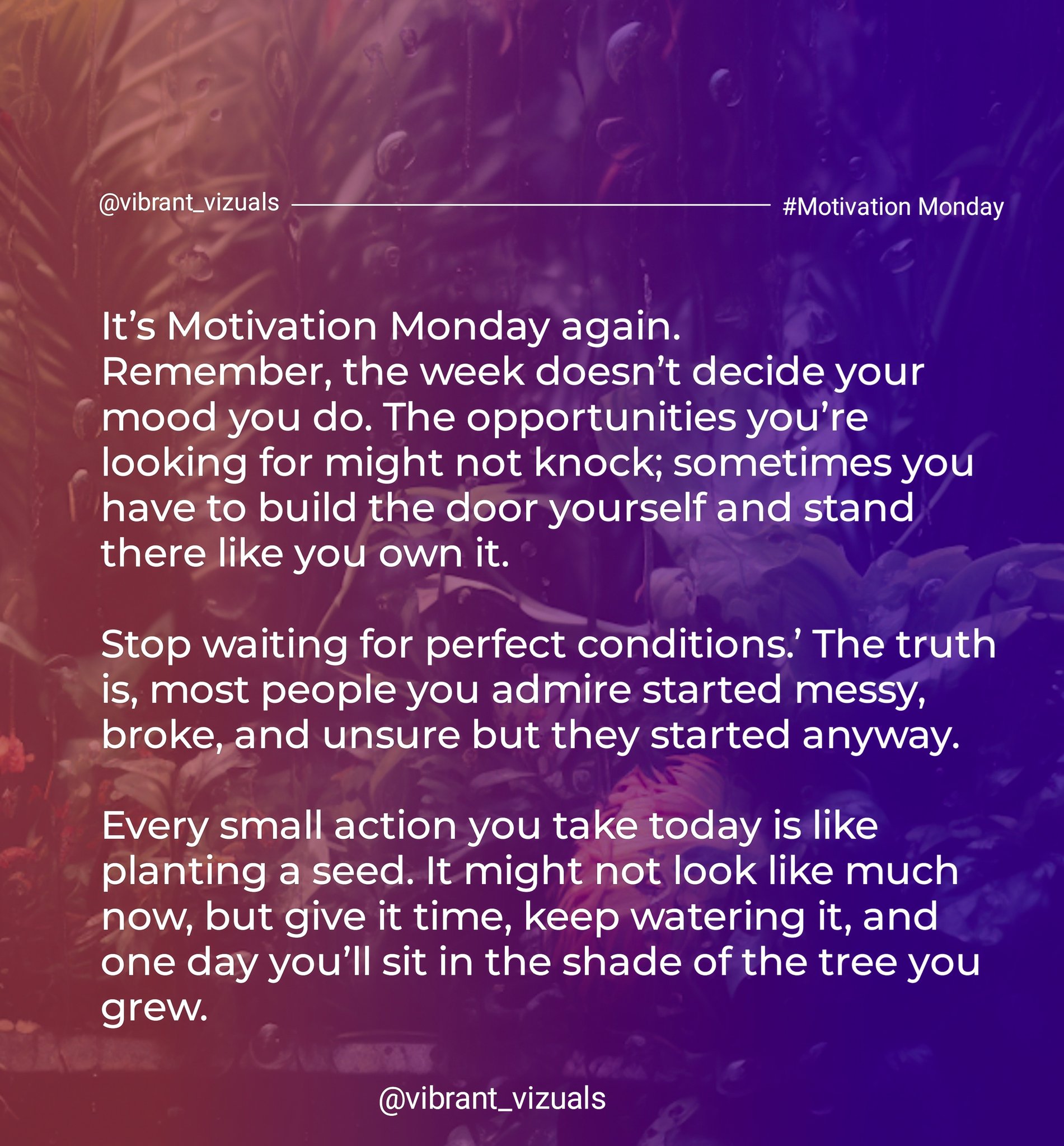
Credit: x.com
Techniques To Regain Focus
Regaining focus on low motivation days can feel tough. Techniques to sharpen your attention help you push through. These strategies create structure and reduce overwhelm.
Focus is easier when your mind knows what to expect. Clear plans and breaks improve mental energy. Small changes in your routine can make a big difference.
Time Blocking Methods
Time blocking divides your day into chunks for specific tasks. Assign a set time for each job. This stops multitasking and keeps your brain on one thing.
Use a calendar or planner to block these periods. Stick to the blocks strictly. This habit trains your mind to focus better and faster.
Limiting Distractions
Distractions drain attention and waste energy. Turn off phone notifications and close unused tabs. Create a workspace that is quiet and tidy.
Inform others of your work times to reduce interruptions. Use apps that block distracting websites if needed. Less noise means more focus.
Taking Strategic Breaks
Short breaks refresh your brain and prevent burnout. Step away from your desk for five to ten minutes. Stretch, walk, or breathe deeply during breaks.
Use breaks to clear your mind, not to check social media. Regular pauses improve concentration when you return to work. Balance work and rest for steady focus.
Maintaining Long-term Motivation
Maintaining long-term motivation can be difficult. Motivation often fades after the initial excitement of a new goal. Staying motivated over time requires consistent effort and smart strategies. It means building habits that keep you moving forward, even on tough days. Focus on simple actions that help you keep your energy and drive high.
Tracking Progress
Tracking progress helps you see how far you have come. It turns small steps into clear wins. Use journals, apps, or charts to record your achievements. Seeing progress boosts your confidence and keeps your motivation alive. Celebrate small victories to maintain a positive mindset.
Adapting To Setbacks
Setbacks are natural and happen to everyone. Accept them without losing your motivation. Use setbacks as lessons to improve your approach. Change your plan if needed but keep your goal in mind. Staying flexible helps you bounce back faster and stronger.
Continuous Learning And Growth
Learning new skills keeps your mind active and interested. Growth brings fresh ideas and energy to your goals. Read books, watch videos, or join groups related to your interests. Always look for ways to improve yourself. Growth creates motivation that lasts for a long time.

Credit: www.youtube.com
Credit: medium.com
Frequently Asked Questions
What Are Common Causes Of Low Motivation Days?
Low motivation days often result from stress, fatigue, lack of clear goals, or burnout. Understanding these causes helps tackle them effectively. Identifying triggers can improve productivity and mood, leading to better motivation management.
How Can I Quickly Boost Motivation During Low Days?
Quick motivation boosts include short breaks, physical activity, or listening to upbeat music. Setting small, achievable tasks also helps create momentum. These actions refresh your mind and enhance focus instantly.
What Daily Habits Improve Motivation Consistently?
Consistent habits like regular exercise, goal setting, and positive self-talk improve motivation. Maintaining a balanced routine with proper sleep and nutrition supports energy levels. These habits build a strong foundation for lasting motivation.
How Does Goal Setting Affect Motivation?
Clear, achievable goals provide direction and purpose, increasing motivation. Breaking big tasks into smaller steps reduces overwhelm and encourages progress. Goal setting helps maintain focus and commitment on low motivation days.
Conclusion
Low motivation days happen to everyone. Small steps can bring big changes. Take breaks and breathe deeply. Set simple goals to stay focused. Celebrate little wins along the way. Talk to someone for support. Remember, feelings will pass with time.
Keep trying and stay patient. Motivation will return, just stay steady. You have the strength to move forward.







