
Are you ready to take control of your fitness without leaving your house? A home gym workout guide is exactly what you need to build strength, boost energy, and feel great every day.
Imagine having the freedom to work out anytime, without crowded gyms or long drives. This guide will show you simple, effective exercises and tips to create your perfect workout space. Keep reading, and discover how easy it is to stay fit and motivated right at home.
Your best body starts here.
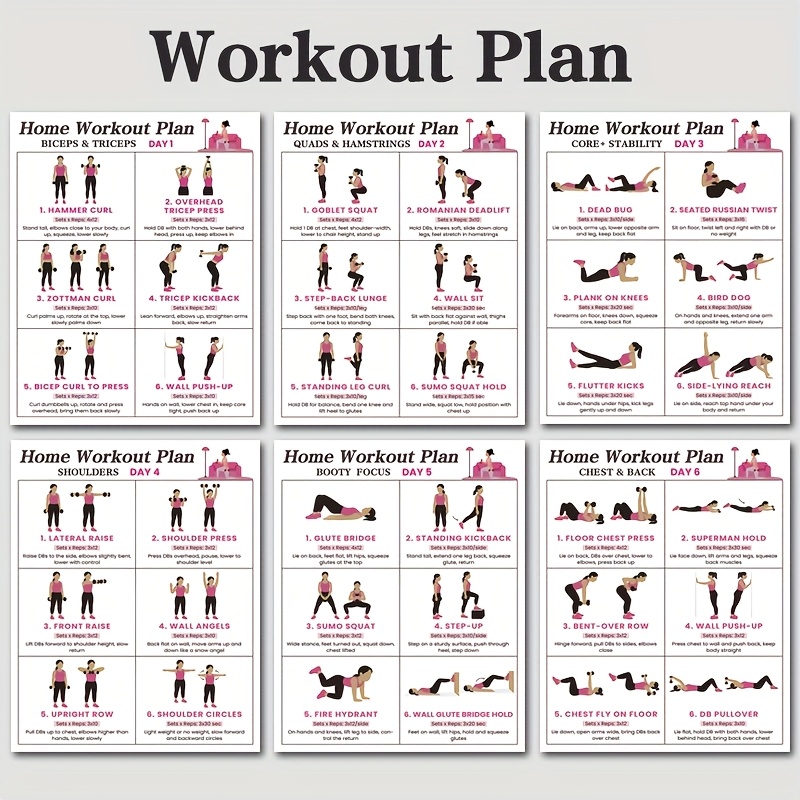
Credit: www.temu.com
Setting Up Your Space
Creating an effective home gym starts with setting up the right space. The area you choose impacts how often you use your gym and how comfortable you feel during workouts. Let’s look at how to pick the perfect spot, gather essential gear, and make the most of limited space.
Choosing The Right Room
Pick a room with enough natural light to keep you energized. A spare bedroom, garage, or even a corner of your living room can work well. Make sure the space has good ventilation to avoid feeling stuffy during intense sessions.
Think about distractions. Will you be interrupted by family or noise? A quieter spot helps you focus better on your exercises. Also, consider the floor type—hard floors can be tough on joints, so adding mats might be necessary.
Essential Equipment
Start with basics that offer versatility. Dumbbells, resistance bands, and a yoga mat cover strength, flexibility, and balance training. A jump rope adds cardio without taking up space.
As you progress, add equipment like a stability ball or adjustable bench to increase workout variety. Don’t buy everything at once—test what you enjoy first. What equipment do you find yourself reaching for most?
Maximizing Small Areas
Small spaces don’t have to limit your workouts. Use vertical storage like wall hooks or shelves to keep equipment organized and accessible. Foldable or stackable gear saves floor space.
Try multi-use items such as kettlebells or adjustable dumbbells to reduce clutter. Can you clear a few minutes to rearrange your furniture temporarily? This quick shift can open up more room for movement.

Credit: www.ubuy.com.eg
Planning Your Routine
Creating a clear workout plan helps build consistency and focus during home gym sessions. Setting specific goals and scheduling workouts improves progress and motivation.
Planning your home gym workout routine ensures steady progress and avoids burnout. It helps you stay consistent and motivated. Here’s how to create a balanced and effective routine:Balancing Cardio And Strength
A balanced workout includes both cardio and strength exercises. Cardio improves heart health and burns calories. Strength training builds muscles and boosts metabolism. Aim for three days of strength and two days of cardio weekly. Alternate these workouts for best results. For example, run on Monday and lift weights on Tuesday. This keeps your routine fresh and prevents overuse injuries.Scheduling Workouts
Plan workouts around your lifestyle. Morning, afternoon, or evening—choose what fits you best. Consistency is key. Set specific days and times for exercise. Treat workouts like important meetings. Stick to your schedule as much as possible. This builds a habit and makes skipping less likely. Flexibility is important too. If you miss a session, reschedule it.Tracking Progress
Tracking progress keeps you motivated and shows improvement. Use a journal or app to log workouts. Note exercises, sets, reps, and weights used. Track cardio duration and intensity too. Review your progress weekly. Celebrate small wins and adjust goals if needed. Seeing improvements boosts confidence and encourages you to continue.Effective Exercises At Home
Exercising at home can be simple and effective. No need for fancy equipment or a gym membership. The key is choosing the right exercises that fit your space and goals. This guide covers easy and powerful workouts you can do at home.
Bodyweight Workouts
Bodyweight exercises use your own weight for resistance. They build strength, improve balance, and boost endurance. Examples include:
- Push-ups to strengthen chest and arms
- Squats for leg and glute muscles
- Planks to engage the core
- Lunges to work legs and improve stability
- Burpees for full-body cardio and strength
No equipment needed. Perform sets with rest in between for best results.
Dumbbell And Kettlebell Moves
Small weights add challenge and variety to workouts. Dumbbells and kettlebells are compact and versatile. They target many muscles and increase strength. Try these moves:
- Dumbbell bicep curls for arm strength
- Kettlebell swings to work hips and core
- Dumbbell shoulder press for upper body power
- Kettlebell goblet squat for legs and balance
- Dumbbell rows to strengthen back muscles
Start with light weights. Increase gradually as you gain strength.
Resistance Band Training
Resistance bands are flexible and portable tools for strength training. They offer constant tension to muscles. Bands suit all fitness levels and help improve mobility. Effective exercises include:
- Band pull-aparts for shoulders and upper back
- Resistance band squats for lower body strength
- Band chest presses to engage chest muscles
- Band rows to target back and arms
- Glute bridges with bands for hip strength
Choose band resistance that matches your strength. Bands add variety to your home workouts.
Credit: www.etsy.com
Nutrition For Results
Nutrition plays a powerful role in shaping the results you get from your home gym workouts. What you eat before and after exercise can either fuel your performance or slow you down. Understanding the right foods and timing can make your efforts more effective and keep your energy steady.
Pre-workout Meals
A good pre-workout meal gives you energy and helps prevent fatigue. Aim to eat something 30 to 60 minutes before you start exercising. Choose foods that are easy to digest and provide a balance of carbs and protein.
- Try a banana with a spoonful of peanut butter for quick energy.
- Greek yogurt with a handful of berries offers protein and natural sugars.
- A slice of whole-grain toast with almond butter fuels your muscles steadily.
Ever noticed how skipping your pre-workout meal makes your exercises feel harder? That drop in energy can be avoided with the right snack.
Post-workout Recovery
What you eat after exercising helps repair muscles and restore energy. Within 30 minutes of your workout, focus on protein and carbs to support recovery.
- A protein shake with a banana can jump-start muscle repair.
- Grilled chicken with quinoa provides a solid mix of nutrients.
- Cottage cheese paired with pineapple delivers protein and vitamins for healing.
Notice how you feel stronger and less sore when you eat properly after a workout? That’s your body thanking you for the right fuel.
Hydration Tips
Water is a simple but powerful part of your workout nutrition. Staying hydrated helps maintain your strength and focus during exercise.
- Drink a glass of water 15-20 minutes before your session.
- Take small sips every 10-15 minutes while you work out.
- After exercising, replenish fluids with water or an electrolyte drink if you sweat heavily.
Have you ever felt sluggish or dizzy mid-workout? That’s often a sign you need to drink more water. Proper hydration keeps your body running smoothly, just like oil in a machine.
Staying Motivated
Staying motivated is key to keeping your home gym workouts consistent. Without motivation, workouts can become a chore. Motivation helps you push through tough days and reach your fitness goals. It keeps your energy high and your mind focused. Here are some ways to stay motivated at home.
Setting Realistic Goals
Set small, clear goals that you can reach easily. This builds confidence and keeps you encouraged. Avoid goals that are too hard or too vague. Write down your goals and check progress regularly. Celebrate each achievement, no matter how small. Realistic goals make workouts feel rewarding, not frustrating.
Creating A Routine
Make a workout schedule and stick to it. Choose times that fit your daily life best. A routine makes exercise a habit, not a task. Prepare your workout space ahead to avoid excuses. Try to keep the same workout days each week. Consistency helps your body and mind adjust to exercise.
Using Technology And Apps
Use fitness apps to track progress and stay on course. Many apps offer workout plans and video guides. They remind you to exercise and record your results. Technology can make workouts more fun and interactive. Join online fitness groups for support and motivation. These tools keep you connected and focused on your goals.
Avoiding Common Mistakes
A home gym offers great convenience but also brings common pitfalls. Avoiding mistakes helps keep workouts safe and effective. Understanding risks and how to prevent them improves your fitness journey. Focus on proper habits to get the best results.
Overtraining Risks
Exercising too much without rest can harm your body. Muscles need time to recover and grow stronger. Overtraining leads to fatigue, soreness, and injury. Signs include constant tiredness and poor performance. Balance workout days with rest or lighter activity. Listen to your body’s signals and avoid pushing too hard.
Poor Form And Injuries
Incorrect exercise form causes strain and injury. Using wrong posture or technique reduces workout benefits. Common problems include back pain, joint issues, and muscle strains. Start with light weights or no weights to learn moves. Use mirrors or record yourself to check form. Stop if you feel sharp pain and seek guidance.
Neglecting Warm-ups And Cool-downs
Skipping warm-ups and cool-downs increases injury risk. Warm-ups prepare muscles and joints for exercise. Cool-downs help your heart rate and breathing return to normal. Spend 5 to 10 minutes on each. Try gentle stretches, light cardio, or mobility exercises. These habits improve performance and reduce soreness after workouts.
Frequently Asked Questions
What Equipment Is Essential For A Home Gym Workout?
Essential equipment includes dumbbells, resistance bands, a yoga mat, and a stability ball. These tools support versatile workouts and fit small spaces.
How Can I Create An Effective Home Gym Routine?
Focus on balanced workouts targeting strength, cardio, and flexibility. Plan sessions with warm-up, main exercises, and cool-down stretches.
What Are The Benefits Of Working Out At Home?
Home workouts save time, offer privacy, and allow flexible scheduling. They also reduce gym membership costs and travel hassles.
How Do I Stay Motivated For Home Workouts?
Set clear goals, track progress, and vary exercises to avoid boredom. Use music or online classes to keep sessions engaging.
Conclusion
Creating a home gym helps you stay fit and save time. Small space? No problem. Use simple equipment and follow a clear plan. Exercise regularly for steady progress and better health. Enjoy the comfort of working out at home. Keep your routine fun and mix different workouts.
Stay motivated by tracking your improvements every week. Your body and mind will thank you for it. Start today, and feel stronger tomorrow.







