
You want to achieve your goals, but something always gets in the way: inconsistency. You start strong, then lose focus or motivation.
What if you could train consistency just like any other skill? Imagine having the power to stick to your plans, day after day, without burning out or giving up. This isn’t about willpower alone—it’s about building habits and mindsets that make consistency natural for you.
Keep reading, and you’ll discover simple, practical steps to turn consistency into your strongest skill. Your success depends on it.
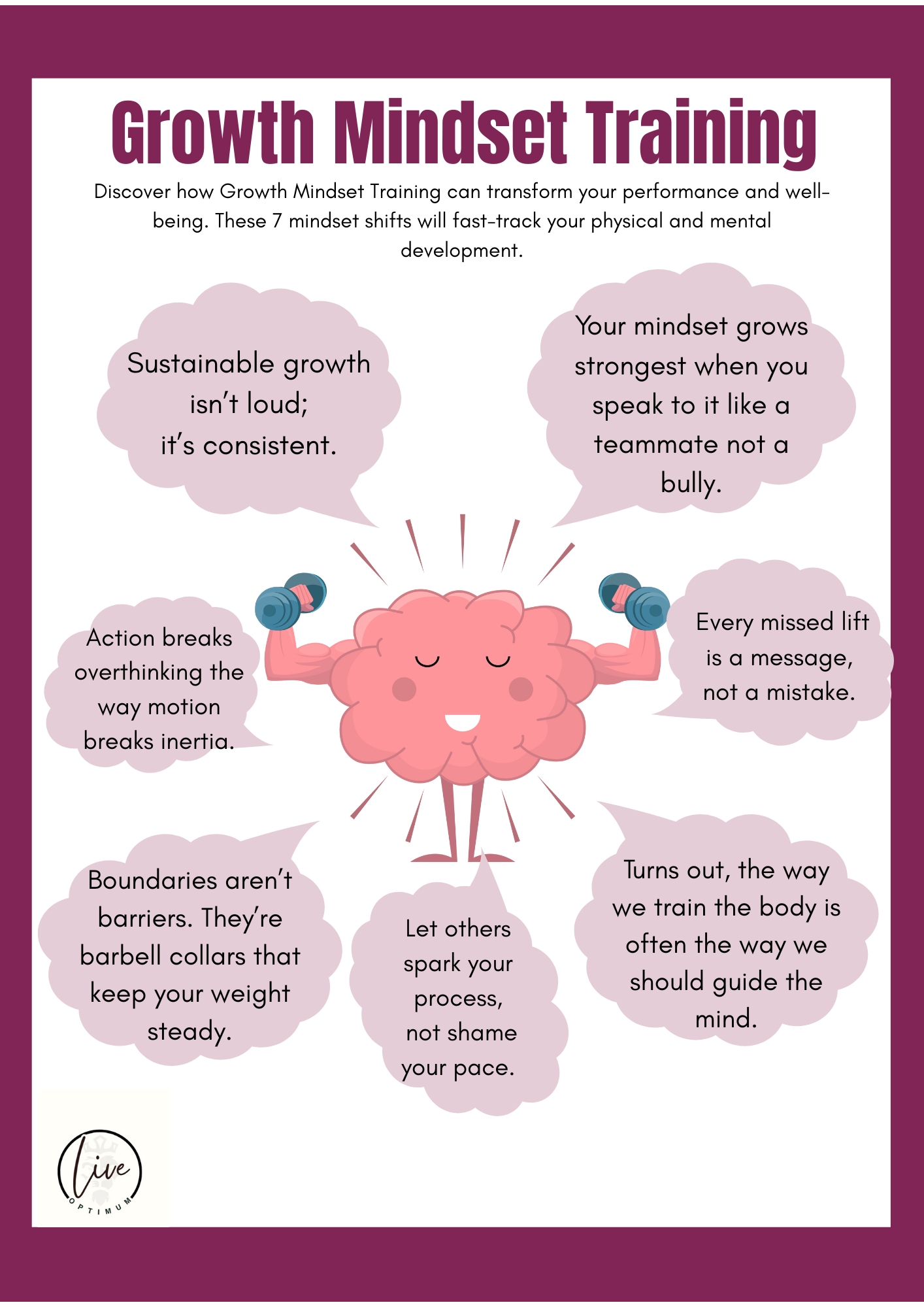
Credit: liveoptimum.com
The Power Of Consistency
Consistency is more than just showing up every day; it’s a skill that shapes your habits, mindset, and results. Building consistency means training yourself to act steadily, even when motivation fades or distractions arise. This steady effort compounds over time and unlocks achievements that quick bursts of energy simply can’t match.
Why Consistency Drives Success
Success rarely happens overnight. It’s the result of repeated actions done well over time. When you commit to consistent effort, you create momentum that carries you through challenges and plateaus.
Think about learning a new language. Practicing just 15 minutes daily beats cramming for hours once a week. Consistency builds your skills gradually, making progress feel natural and less overwhelming.
Consistency also builds trust—both with others and yourself. When you deliver regularly, people rely on you. More importantly, you prove to yourself that you can follow through, which boosts confidence and motivation.
Common Myths About Consistency
Many believe consistency means doing the exact same thing every day without fail. That’s not true. Consistency is about steady progress, not perfection.
Another myth is that you need huge blocks of time to be consistent. In reality, small, focused efforts repeated often can create powerful results. Even five minutes of deliberate practice counts.
Some think consistency kills creativity by making routines rigid. However, consistency provides a stable foundation from which creativity can flourish. When you’re consistent, you free your mind to experiment because your basics are solid.
Ask yourself: Are you holding back because you think consistency means being perfect? What small step can you take today to build your consistency muscle?

Credit: themathscoach.academy
Building Daily Success Habits
Consistency grows through small, daily actions repeated over time. Training this skill builds strong habits that lead to lasting success. Focus on simple routines and steady effort to develop reliable patterns.
Building Daily Success Habits is key to developing consistency as a skill. Small actions, repeated daily, lead to big changes. These habits create a solid foundation for achieving long-term goals. Let’s explore how to build these habits effectively.Choosing Small, Impactful Actions
Start with tiny, manageable tasks. Small actions are easier to stick with. They also prevent overwhelm. For instance, read one page of a book daily. Or write a single sentence in your journal. Small actions add up over time. They build confidence and momentum. Choose actions that align with your values. This ensures they remain meaningful and motivating.Linking Habits To Your Goals
Connect daily habits to your larger goals. This alignment keeps motivation high. Write down your goals and identify supportive habits. For example, if your goal is to get fit, commit to ten-minute walks daily. If saving money is your aim, skip buying coffee every morning. Linking habits to goals provides clear purpose. It turns abstract goals into tangible actions. This connection enhances focus and consistency.Techniques To Train Consistency
Training consistency requires practical techniques that fit daily life. These methods help build steady habits and keep motivation high. Consistency grows stronger with clear steps and simple tracking.
Using Habit Stacking
Habit stacking links a new habit to an existing one. This makes it easier to remember and perform the new task. For example, after brushing teeth, do five minutes of stretching. The old habit acts as a trigger for the new one. Over time, the new habit becomes automatic.
Setting Clear And Realistic Expectations
Clear goals prevent frustration and burnout. Set targets that match your current ability and time. Break big goals into smaller, manageable tasks. Realistic expectations keep you motivated and reduce the chance of quitting. Adjust goals as you improve.
Tracking Progress Effectively
Tracking shows how far you have come. Use a journal, app, or calendar to mark each success. Visual progress boosts confidence and encourages continuation. Note challenges and solutions to learn from mistakes. Consistent tracking helps maintain focus on your goals.
Overcoming Challenges
Building consistency as a skill is not easy. Challenges will arise on this journey. Overcoming these obstacles is key to staying on track. Persistence turns difficulty into growth. Understanding how to handle setbacks and keep motivation alive helps maintain steady progress.
Dealing With Setbacks
Setbacks are normal in any learning process. They test your patience and commitment. Instead of quitting, try to see setbacks as lessons. Analyze what caused the problem. Adjust your plan to avoid repeating mistakes.
Small failures do not erase your progress. Keep a record of your achievements. Remind yourself why you started. Use setbacks to strengthen your resolve. This mindset transforms obstacles into opportunities.
Maintaining Motivation Over Time
Motivation can fade after the initial excitement. Finding ways to stay motivated is crucial. Set clear, simple goals to track progress. Celebrate small wins to boost confidence.
Build a routine that fits your lifestyle. Consistency becomes easier when it feels natural. Surround yourself with supportive people or communities. Positive feedback encourages continued effort.
Visualize the benefits of your consistent actions. This keeps your mind focused on the end goal. Motivation grows stronger with each small step forward.
Tools And Resources
Building consistency isn’t just about willpower—it’s about having the right tools at your fingertips. The right apps and journaling techniques can turn your intentions into daily habits. These resources help you track progress, reflect on setbacks, and keep your motivation alive.
Apps To Support Habit Building
Apps can act as your daily accountability partner. They remind you to stick to your goals and celebrate small wins along the way. For example, apps like Habitica turn habit building into a game, while Streaks focuses on creating unbroken chains of success.
- Habitica:Uses gamification to make habit tracking fun and rewarding.
- Streaks:Helps you focus on building consecutive days of progress.
- Loop Habit Tracker:Offers simple, customizable tracking with insightful charts.
- Coach.me:Combines habit tracking with access to coaching if you need extra support.
Choosing an app that fits your style can make consistency feel less like a chore and more like a challenge you want to win. Which app might fit your personality best?
Journaling And Reflection Methods
Journaling isn’t just about writing down what you did—it’s about understanding why you did it. Reflecting on your daily actions helps identify patterns that either help or hurt your consistency.
Try keeping a simple habit journal where you note what you accomplished, what obstacles came up, and how you felt. This can reveal surprising insights. You might discover that certain times of day work better for your habits or that specific triggers set you off track.
- Use bullet points to quickly jot down wins and challenges.
- Ask yourself questions like, “What helped me stay consistent today?”
- Write down one small adjustment to try tomorrow.
Reflection turns random efforts into deliberate practice. When was the last time you paused to ask yourself why a habit stuck or slipped away?

Credit: medium.com
Frequently Asked Questions
What Is Consistency In Training As A Skill?
Consistency in training means practicing regularly with focus. It builds habits and improves skills over time. This steady effort boosts performance and leads to long-term success in any area.
How Can I Develop Consistency In Daily Routines?
Start small with achievable goals and track progress. Use reminders and create a fixed schedule. Reward yourself for sticking to routines to stay motivated and build lasting consistency.
Why Is Consistency Important For Skill Improvement?
Consistency reinforces learning by repeated practice. It helps build muscle memory and mental focus. Without consistency, progress is slow and skills may degrade over time.
How Long Does It Take To Train Consistency?
Training consistency varies, but usually takes weeks to months. Regular practice and patience are key. The more you commit, the faster consistency becomes a natural habit.
Conclusion
Training consistency takes time and patience. Small daily steps build strong habits. Focus on progress, not perfection. Celebrate each effort you make. Over time, consistency becomes easier. Keep your goals clear and simple. Remember, practice shapes your skills. Consistency helps you reach long-term success.
Stay committed and trust the process. Consistent actions lead to lasting change.







