
Are you thinking about starting a gluten free diet but don’t know where to begin? You’re not alone.
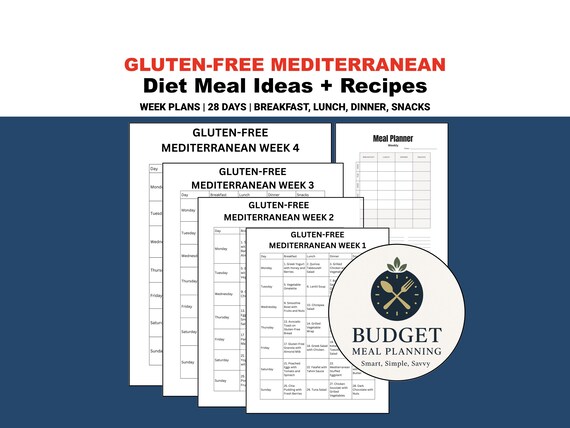
Cutting out gluten can feel overwhelming at first, especially when it comes to planning your meals. That’s why having a simple, clear Gluten Free Diet Plan for Beginners Pdf can make all the difference. Imagine having a handy guide that helps you choose the right foods, avoid hidden gluten, and enjoy delicious meals without stress.
Keep reading, and you’ll discover easy steps and tips that fit your lifestyle perfectly. This guide is made just for you—so you can feel confident and energized every day.
Credit: www.etsy.com
Benefits Of A Gluten Free Diet
Choosing a gluten free diet can bring noticeable changes to your health and daily life. Many people find relief from uncomfortable symptoms and discover a new level of well-being once they cut gluten from their meals. Understanding the specific benefits helps you decide if this diet fits your needs and how it might improve your lifestyle.
Health Improvements
Removing gluten from your diet often leads to reduced inflammation in the body. This can lower the risk of chronic diseases such as arthritis or heart issues. Some people also notice clearer skin and fewer headaches after going gluten free.
Have you ever wondered why certain foods leave you feeling sluggish or achy? Cutting gluten might be the key to feeling better overall.
Common Conditions Helped
Gluten free diets are especially helpful for people with celiac disease, an autoimmune condition where gluten damages the small intestine. It also helps those with gluten sensitivity who experience symptoms without the autoimmune response.
Conditions like irritable bowel syndrome (IBS) and certain skin problems, such as eczema, often improve when gluten is removed. If you suffer from any of these, trying a gluten free plan might ease your symptoms significantly.
Energy And Digestion Boost
Many people report feeling more energetic and less bloated after switching to gluten free foods. Digestive issues like gas, diarrhea, or constipation can improve quickly.
Imagine having consistent energy throughout the day without the afternoon slump. A gluten free diet might help you get there by supporting better nutrient absorption and gut health.
Credit: wellresourced.com
Foods To Avoid
Starting a gluten-free diet means knowing which foods to avoid. Many common foods contain gluten or may have hidden gluten. Avoiding these foods helps prevent health issues and keeps your diet safe.
Hidden Gluten Sources
Gluten hides in many unexpected places. Sauces, soups, and salad dressings often contain gluten as a thickener. Some processed meats and canned foods may also include gluten fillers. Cross-contamination in kitchens can expose gluten-free foods to gluten.
Processed Foods Risks
Processed foods pose a high risk for gluten. They may have additives or flavorings with gluten. Snack foods, frozen meals, and baked goods often contain wheat or barley. Avoiding processed foods reduces the chance of gluten exposure.
Reading Labels Effectively
Check every label carefully. Look for wheat, barley, rye, and malt. Ingredients like “modified food starch” or “natural flavor” can hide gluten. Choose products labeled “gluten-free” to be safe. When in doubt, contact the manufacturer for details.
Safe Gluten Free Foods
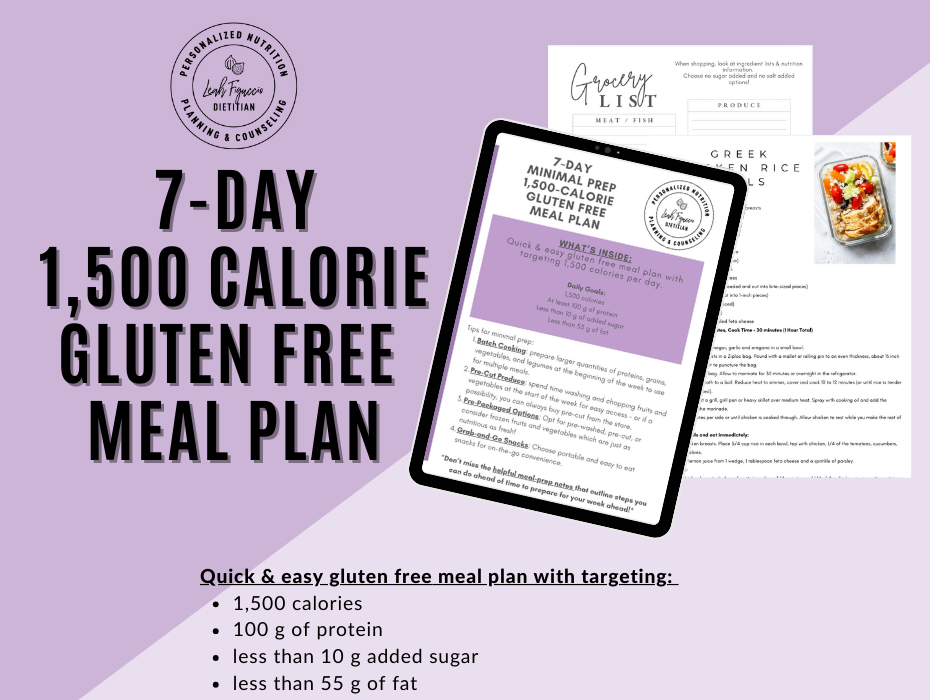
Explore a beginner-friendly gluten-free diet plan in a downloadable PDF. Discover safe foods like fruits, vegetables, and lean proteins. This guide simplifies meal planning for a healthier lifestyle.
Embarking on a gluten-free diet can be both exciting and daunting. Whether you’re doing it for health reasons or personal choice, knowing which foods are safe is crucial. The good news is there’s a wide variety of delicious, naturally gluten-free foods that you can enjoy without worry.Naturally Gluten Free Grains
Many people mistakenly believe that all grains contain gluten, but that’s not the case. Quinoa, for example, is a versatile grain that’s packed with protein and easy to cook. Rice is another staple that comes in many varieties—jasmine, basmati, and even wild rice. Corn is also naturally gluten-free and can be enjoyed in various forms, from popcorn to tortillas. These grains provide a hearty base for many meals and are perfect for anyone starting their gluten-free journey.Fruits And Vegetables
Fruits and vegetables are naturally gluten-free and are the cornerstone of any healthy diet. Apples, bananas, and berries are all excellent snack options that are easy to grab and go. Leafy greens like spinach and kale are nutrient powerhouses that can be added to salads or smoothies. Don’t forget root vegetables like sweet potatoes and carrots, which are not only gluten-free but also rich in vitamins. Why not try roasting them for a delicious side dish?Proteins And Dairy
Proteins are essential, and the good news is, most are naturally free of gluten. Chicken, beef, and fish can all be enjoyed without concern. Eggs are another excellent source of protein and can be prepared in countless ways. When it comes to dairy, milk, cheese, and yogurt are generally safe, but always check the labels for any added gluten-containing ingredients. Opt for plain varieties to be on the safe side and add your own flavors with fresh fruits or herbs. By focusing on these safe, naturally gluten-free foods, you can create a varied and enjoyable diet. What new recipes will you try today?
Credit: www.beautybites.org
Meal Planning Tips
Planning meals is key to success on a gluten free diet. It helps avoid stress and ensures healthy eating every day. Preparing your meals ahead saves time and keeps your diet balanced. Follow simple tips to make your gluten free meal plan easy and effective.
Balanced Nutrition
A good gluten free meal plan must include all food groups. Focus on:
- Gluten free grains like rice, quinoa, and corn
- Fresh fruits and vegetables for vitamins and minerals
- Lean proteins such as chicken, fish, beans, and eggs
- Healthy fats from nuts, seeds, and olive oil
Balance is important to keep energy levels up and support your health. Avoid relying too much on gluten free processed snacks.
Simple Recipes For Beginners
Start with easy recipes that use few ingredients. Choose meals that take less than 30 minutes to cook. Examples include:
- Grilled chicken with steamed vegetables
- Quinoa salad with fresh herbs and lemon
- Omelet with spinach and cheese
- Rice bowls with beans and avocado
Simple recipes build confidence and reduce kitchen stress. Try new flavors slowly to find what you like.
Batch Cooking And Prep
Cook large portions and store meals for later. Batch cooking saves time on busy days. Tips for batch cooking:
- Prepare grains and proteins in bulk
- Chop vegetables ahead and keep in containers
- Freeze meals in single portions
- Label containers with dates and contents
This method keeps you ready with healthy options anytime. It helps avoid last-minute gluten mistakes.
Shopping Guide
Starting a gluten free diet can feel confusing at first. A clear shopping guide helps you choose the right foods. This guide covers the basics you need for your kitchen. It also shows how to pick safe brands and save money. Follow these tips to shop smart and enjoy your new diet.
Grocery List Essentials
Buy naturally gluten free foods. Fresh fruits and vegetables are great. Meat, fish, and eggs provide protein. Rice, potatoes, and beans offer healthy carbs. Nuts and seeds add good fats. Don’t forget dairy or dairy alternatives for calcium.
- Fresh fruits and vegetables
- Meat, fish, and eggs
- Rice, potatoes, and beans
- Nuts and seeds
- Dairy or dairy substitutes
Check labels on packaged items. Gluten can hide in sauces and seasonings. Choose products labeled “gluten free” to be safe.
Choosing Gluten Free Brands
Many brands now offer gluten free options. Look for certification marks on packaging. These marks show the product meets strict gluten limits. Read ingredient lists carefully. Avoid items with wheat, barley, rye, or malt. Pick brands known for quality and safety.
- Look for gluten free certification
- Check all ingredients
- Avoid wheat, barley, rye, malt
- Choose trusted brands
Budget Friendly Options
Gluten free products can cost more. Focus on whole foods to save money. Buy fresh produce in season. Shop at local markets or discount stores. Cook meals from scratch. Avoid processed gluten free snacks often.
- Choose whole, natural foods
- Buy seasonal fruits and vegetables
- Shop local markets or discount stores
- Cook homemade meals
- Limit processed gluten free products
Dining Out Safely
Dining out while following a gluten-free diet can feel tricky. Many worry about hidden gluten or cross-contact with other foods. With the right approach, eating safely away from home becomes easier. This section shares clear tips to help beginners enjoy meals out without stress.
Communicating With Restaurants
Tell the server about your gluten-free needs clearly. Ask if the kitchen understands gluten allergies or celiac disease. Request details about menu items and how they are prepared. Always confirm that your meal will be free from gluten. Being polite but firm helps ensure your safety.
Avoiding Cross Contamination
Cross contamination happens when gluten touches gluten-free food. Ask if the restaurant uses separate utensils and cooking areas. Check if they change gloves before preparing your meal. Avoid fried foods cooked in shared oil. Simple questions can reduce the risk of gluten exposure.
Best Cuisine Choices
- Grilled meats and fresh vegetables
- Rice, quinoa, and gluten-free grains
- Salads with simple dressings
- Mexican dishes like corn tortillas and beans
- Middle Eastern foods with chickpeas and rice
Pick dishes with natural gluten-free ingredients. Avoid breaded, battered, or heavily processed foods. Choosing the right cuisine makes dining out safer and more enjoyable.
Common Challenges
Starting a gluten-free diet can feel like a big change, and it’s normal to face some bumps along the way. Understanding the common challenges helps you prepare and find smart ways to handle them. Whether it’s fighting cravings, dealing with social events, or keeping your spirits high, every hurdle has practical solutions.
Dealing With Cravings
Cravings for gluten-packed foods can hit hard, especially if you’ve enjoyed bread, pasta, or baked goods for years. Instead of trying to ignore these urges, find gluten-free alternatives that satisfy your taste buds without guilt.
- Keep gluten-free snacks like rice cakes or fruit handy to curb sudden hunger.
- Try recipes using almond flour or gluten-free oats to recreate your favorite treats.
- Drink plenty of water to help reduce the intensity of cravings.
Ask yourself: What triggers your cravings? Is it stress, boredom, or habit? Identifying this can help you respond better and avoid falling back into old patterns.
Managing Social Situations
Eating out or attending social gatherings can be tricky when you have to avoid gluten. You might worry about limited options or accidentally eating something unsafe.
- Call ahead to restaurants to check their gluten-free menu choices.
- Bring a safe dish to share at potlucks or parties.
- Politely inform hosts or servers about your dietary needs to avoid confusion.
Think about how you can stay confident in these moments. How can you politely explain your diet without feeling awkward? Preparation is your best friend here.
Staying Motivated
Keeping up with a gluten-free diet takes commitment, and some days you might feel like giving up. Remind yourself why you started and focus on the benefits you’ve already noticed.
- Track your progress with a journal to see improvements in energy or digestion.
- Connect with online communities for support and recipe ideas.
- Set small, achievable goals to celebrate along the way.
What keeps you going when the going gets tough? Finding your personal motivation can make all the difference and turn this diet into a sustainable lifestyle.
Tracking Progress
Tracking your progress on a gluten free diet plan is essential for staying motivated and making sure your body responds well to the changes. Without monitoring, it’s easy to lose sight of what works and what doesn’t. Keeping tabs on your food intake and symptoms can help you customize your plan to fit your unique needs.
Food Journals
Writing down what you eat every day makes a huge difference. It helps you identify hidden sources of gluten and keeps you accountable.
Use a simple notebook or a digital app to log meals, snacks, and drinks. Note the ingredients and brands, especially for packaged foods. This habit not only tracks your diet but also reveals patterns, like which foods make you feel best or worst.
Have you noticed a sudden headache or bloating after a meal? Your food journal can help you connect the dots.
Symptom Monitoring
Tracking symptoms is just as important as tracking meals. Pay attention to digestive issues, skin changes, energy levels, and mood swings.
Create a daily checklist or use a symptom tracker app to rate how you feel throughout the day. Be honest and specific; note when symptoms appear and how severe they are.
This ongoing record allows you to spot trends over weeks. For example, if fatigue eases after removing gluten, that’s a sign your plan is working.
Adjusting The Plan
Your gluten free diet plan isn’t set in stone. Use the insights from your food journal and symptom tracker to tweak your meals.
If you find certain gluten free products still cause discomfort, try swapping them out. Maybe add more fresh vegetables or try new gluten free grains like quinoa or buckwheat.
Ask yourself: Are you feeling better or worse? Adjusting your plan based on real data helps you avoid frustration and keeps your journey on track.
Resources And Tools
Starting a gluten-free diet can feel overwhelming without the right support. Having access to practical resources and tools simplifies your journey and keeps you motivated. The right apps, websites, and printable guides can make a big difference in managing your gluten-free lifestyle effectively.
Recommended Apps
Apps can be your best friend when managing a gluten-free diet. They help you scan product labels, find safe restaurants, and track your meals on the go. Apps like Find Me Gluten Freeand Gluten Free Scannerprovide instant info on gluten-free options near you.
Personal experience: I once avoided a great meal because I wasn’t sure about the ingredients. Using these apps now saves me time and stress every day. What if you had all the gluten-free info right in your pocket?
Helpful Websites
Websites offer a wealth of updated information and community support. Sites like Celiac Disease Foundationand Gluten-Free Livingprovide trusted advice, recipes, and tips. They also feature blogs and forums where you can ask questions and share experiences with others.
Do you want to connect with people who understand your challenges? These websites are a great place to start building that support network.
Printable Guides And Pdfs
Having printable guides and PDFs on hand makes meal planning and grocery shopping easier. Look for resources that list gluten-free foods, safe brands, and meal ideas. Many offer shopping checklists and quick reference charts to keep in your kitchen or wallet.
For example, a simple gluten-free food chart on your fridge can prevent accidental gluten intake. How often do you find yourself unsure about what’s safe to eat? These guides answer that question instantly.
Frequently Asked Questions
What Is Included In A Gluten Free Diet Plan Pdf?
A gluten free diet plan PDF typically includes meal ideas, shopping lists, and tips. It helps beginners avoid gluten-containing foods. The plan guides on safe grains, snacks, and recipes. It simplifies gluten-free living for better health and digestion.
How Do I Start A Gluten Free Diet For Beginners?
Start by removing wheat, barley, and rye from your meals. Focus on naturally gluten-free foods like fruits, vegetables, and meats. Use a gluten free diet plan PDF to guide your shopping and cooking. Always read food labels carefully to avoid hidden gluten.
Can A Gluten Free Diet Help With Gluten Intolerance?
Yes, a gluten free diet reduces symptoms of gluten intolerance. It prevents digestive issues like bloating, diarrhea, and fatigue. Following a structured plan ensures you avoid gluten and improve your health. Always consult a healthcare provider before starting any diet.
Where Can I Find A Reliable Gluten Free Diet Plan Pdf?
Reliable gluten free diet plans are available on health websites and nutrition blogs. Look for plans created by registered dietitians or nutrition experts. Check for updated and easy-to-follow content to support your gluten free journey. Avoid plans that lack scientific backing.
Conclusion
A gluten free diet plan can improve your health and digestion. This PDF guide helps beginners start with easy steps. You will find simple meal ideas and shopping tips inside. Staying consistent brings better results over time. Enjoy new foods while avoiding gluten safely.
Use this plan to feel better every day. Small changes make a big difference in how you feel. Keep learning and adjusting to fit your needs. Your body will thank you for the care you give.







