
Are you tired of feeling stuck in your fitness routine? Setting clear, short term fitness goals can be the game-changer you need.
When you break down your big dreams into smaller, achievable steps, staying motivated becomes easier. Imagine waking up each day with a clear purpose, knowing exactly what to focus on—and seeing real progress fast. This guide will show you how to set smart, short term goals that keep you energized and on track.
Ready to take control of your fitness journey? Let’s dive in.
Benefits Of Short Term Fitness Goals
Setting short term fitness goals can transform the way you approach your workouts and health journey. These goals break down your larger ambitions into achievable steps, making progress feel more immediate and real. Understanding the benefits of short term fitness goals will help you stay on track and enjoy the journey.
Boosting Motivation Quickly
Short term goals give you a quick win. When you hit a target within days or weeks, your brain releases dopamine, the feel-good chemical. This boost in motivation encourages you to keep pushing forward.
Have you ever noticed how celebrating a small achievement makes you want to tackle the next challenge? That’s the power of short term goals working in your favor.
Tracking Progress Effectively
Tracking progress becomes easier when you focus on smaller targets. You can measure changes in strength, endurance, or even daily habits without waiting months to see results.
Try keeping a simple fitness journal or using an app to log your workouts and improvements. This clarity helps you identify what works and what needs adjustment.
Building Consistent Habits
Short term goals help you create routine behaviors that stick. By focusing on daily or weekly tasks, you form habits that feel manageable rather than overwhelming.
Think about how brushing your teeth became automatic over time. Fitness habits can become just as natural when built step-by-step with clear goals guiding you.
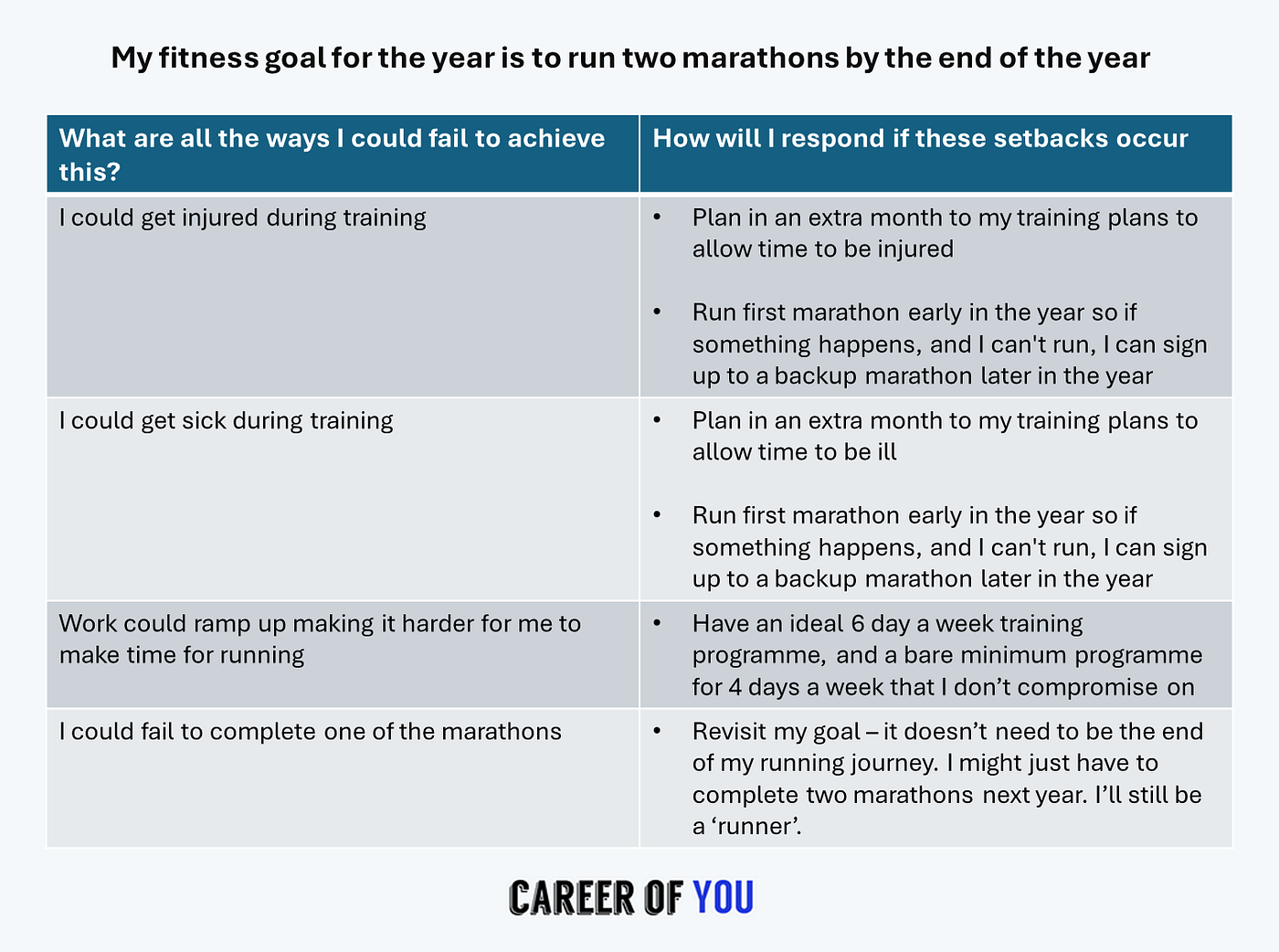
Credit: medium.com
Choosing Realistic Goals
Realistic goals keep motivation strong and prevent frustration. Choose targets that fit your current fitness level and time available. Small, clear goals help track progress and build confidence.
Setting short-term fitness goals requires choosing realistic targets. Realistic goals keep you motivated and focused. They ensure your fitness journey is sustainable. Here’s how to choose goals wisely.Assessing Current Fitness Level
Begin by evaluating your current fitness level. Understand your strengths and weaknesses. This helps in setting achievable goals. Identify areas needing improvement. Use simple tests, like a timed run or push-ups. This gives a clear starting point.Setting Measurable Targets
Create specific and measurable targets. Avoid vague goals like “get fit.” Instead, aim to “run 5 miles in 30 minutes.” This clarity helps track progress. Use numbers, times, and dates. This makes goals concrete and reachable.Balancing Challenge And Achievability
Find the right balance between challenge and achievability. Goals should push you, but not overwhelm. If a goal is too easy, it won’t motivate. Too hard, and it could discourage. Adjust goals based on progress. Keep them realistic yet challenging.Types Of Short Term Fitness Goals
Setting short term fitness goals can feel overwhelming if you’re unsure where to focus your energy. Different goals demand different approaches, and knowing the types of fitness goals available helps you pick what fits your lifestyle and current fitness level. Understanding these categories lets you track progress clearly and stay motivated.
Strength And Muscle Building
Strength and muscle building goals often revolve around lifting heavier weights or increasing the number of repetitions you can do. You might aim to add 10 pounds to your bench press or complete three sets of 12 push-ups without stopping.
Tracking small gains in muscle size or strength keeps you motivated. Have you tried adding just one extra rep each workout? That small change can lead to noticeable results in a few weeks.
Weight Loss And Fat Reduction
Weight loss goals usually focus on reducing body fat through a combination of diet and exercise. You could set a target to lose 5 pounds in a month or reduce your waist size by an inch.
Instead of obsessing over the scale, measure progress with how your clothes fit or your energy levels. What daily habits can you adjust to support this goal? Maybe swapping sugary drinks for water or adding a 20-minute walk after meals.
Improving Endurance And Stamina
Endurance and stamina goals focus on how long and how well your body performs physical activity. This could mean running a mile without stopping or increasing your cycling time by 10 minutes.
Building stamina requires consistent effort over short periods. Have you tried breaking your cardio sessions into intervals? This approach often makes endurance gains feel more manageable and rewarding.
Creating A Structured Plan
Creating a structured plan is essential for setting short term fitness goals that stick. It helps you stay focused and measure your progress clearly. Without a plan, workouts can feel random and motivation may fade quickly.
Designing Workout Routines
Start by choosing exercises that match your current fitness level and goals. For example, if you want to build strength, include weight lifting or bodyweight exercises like push-ups and squats. If your goal is improving stamina, add cardio workouts such as running or cycling.
Variety matters. Mixing different types of exercises keeps your routine interesting and prevents plateaus. Think about targeting different muscle groups on different days to avoid overworking one area.
Scheduling Consistent Sessions
Pick specific days and times for your workouts and treat them like important appointments. Consistency builds habit, which is key to progress. Ask yourself: what time of day do you feel most energized? Plan your sessions around that.
Track your schedule with a calendar or app. This visual reminder can motivate you to stick with your plan. Also, keep your sessions manageable—30 to 45 minutes can be enough to make a difference without overwhelming your day.
Incorporating Rest And Recovery
Rest days are not a sign of weakness; they are critical to your progress. Muscles need time to repair and grow stronger after workouts. Skipping rest can lead to burnout or injury.
Plan at least one or two rest days each week. Use these days for light activities like walking or stretching if you want to stay active. How do you feel after a rest day? Often, you’ll notice more energy and motivation for your next workout.
Tracking And Adjusting Progress
Tracking and adjusting your progress is key for short term fitness goals. It helps you see what works and what needs change. Regular check-ins keep motivation high and guide your next steps. This process keeps your goals clear and achievable.
Using Fitness Apps And Tools
Fitness apps help track workouts, steps, and calories. Many apps offer easy ways to log food and exercise. Some tools measure heart rate or sleep quality. Using these tools gives quick feedback on your daily progress. Apps often send reminders to keep you on track.
Monitoring Physical Changes
Measure changes in weight, body size, or strength regularly. Take photos to see visual progress over time. Notice how clothes fit differently as your body changes. Track energy levels and how easily you complete exercises. These signs show real improvements beyond numbers.
Tweaking Goals Based On Results
Adjust your goals based on what your tracking shows. Make goals easier if progress is slow or harder if too easy. Change workout types or intensity to match your needs. Keep goals clear and specific to stay focused. Small changes help maintain steady improvement.

Credit: health.clevelandclinic.org
Staying Motivated Throughout
Staying motivated throughout your fitness journey is essential to keep making progress toward your short-term goals. Motivation can dip, especially when results seem slow or life gets busy. Understanding how to maintain your drive helps you push through those tough days and keeps your momentum alive.
Celebrating Small Wins
Recognizing even the tiniest achievements can boost your motivation significantly. Did you add an extra five minutes to your workout? Celebrate it. These small wins build confidence and make your goals feel more achievable.
Try keeping a journal or checklist to track these moments. Looking back at your progress reminds you how far you’ve come and encourages you to keep going.
Finding Support Systems
Having people who support your fitness goals can make a huge difference. Whether it’s a workout buddy, an online community, or a coach, sharing your journey creates accountability.
Ask yourself, who in your life motivates you? Surrounding yourself with positive influences often sparks renewed energy on days you feel like giving up.
Overcoming Common Obstacles
Every fitness journey encounters hurdles like time constraints, fatigue, or lack of motivation. Instead of getting discouraged, identify these challenges early and plan how to tackle them.
- Struggling with time? Shorten your workouts but increase intensity.
- Feeling tired? Prioritize rest and nutrition to recharge.
- Losing motivation? Revisit your reasons for starting and adjust goals if needed.
What obstacle has stopped you before, and how can you approach it differently now?

Credit: business.shapescale.com
Frequently Asked Questions
What Are Examples Of Effective Short Term Fitness Goals?
Effective short term fitness goals include losing 5 pounds in a month, running 2 miles without stopping, or completing three workout sessions weekly. These goals are specific, measurable, and achievable within weeks, helping you stay motivated and track progress easily.
How Do I Create Realistic Short Term Fitness Goals?
Start by assessing your current fitness level and lifestyle. Set goals that challenge you but are attainable, like increasing workout duration gradually. Avoid setting overly ambitious targets to prevent burnout and injury. Realistic goals boost confidence and maintain motivation.
Why Are Short Term Fitness Goals Important?
Short term fitness goals provide immediate motivation and clear milestones. They help track progress, adjust routines, and build healthy habits. These goals keep you focused and encouraged, making long term fitness achievements more manageable and sustainable.
How Often Should I Review My Short Term Fitness Goals?
Review your short term fitness goals every 2 to 4 weeks. Regular reviews help evaluate progress, identify challenges, and adjust goals as needed. This keeps your fitness journey flexible and aligned with your evolving capabilities and lifestyle.
Conclusion
Setting short term fitness goals helps you stay focused and motivated. Break big goals into small, clear steps. Track your progress regularly to see real improvements. Celebrate each achievement, no matter how small. Stay flexible and adjust goals when needed.
Enjoy the process and keep moving forward. Small changes lead to big results over time. Start today, and watch your fitness grow step by step.







