
Have you ever felt tired, unmotivated, or even frustrated with your workouts? You’re not alone.
Gym burnout can sneak up on anyone, draining your energy and making you want to quit. But what if you could stop burnout before it takes hold? This article will show you simple, powerful ways to protect your mind and keep your workouts exciting and rewarding.
Keep reading to discover how you can stay mentally strong and enjoy every step of your fitness journey.

Credit: freesoul.com
Signs Of Gym Burnout
Recognizing the signs of gym burnout is key to protecting both your physical health and mental well-being. Burnout doesn’t happen overnight—it sneaks in through subtle changes in how you feel and perform. Being aware of these signals lets you adjust your routine before exhaustion takes over.
Physical Symptoms
You might notice persistent muscle soreness that doesn’t improve with rest. Fatigue hits harder than usual, making workouts feel like a chore instead of a challenge. Sometimes, your body may feel unusually weak or you could experience frequent headaches and disrupted sleep.
Have you ever pushed through a workout only to feel completely drained afterward? That’s a clear sign your body is asking for a break.
Emotional Exhaustion
Burnout affects your mood as much as your muscles. You could find yourself feeling irritable or anxious before even stepping into the gym. The excitement and satisfaction you once felt might fade, replaced by frustration or dread.
Ask yourself: Are you working out because you want to, or because you feel you have to? If it’s the latter, your emotional energy is probably running low.
Loss Of Motivation
One of the most obvious signs is losing interest in your workouts. You might skip sessions more often or cut them short without a clear reason. Goals that once inspired you now seem distant or meaningless.
Think about how often you look forward to your gym time. If the answer is rarely or never, it’s time to reassess your approach before burnout deepens.
Credit: www.fettleandsports.com
Mental Strategies To Stay Motivated
Staying motivated at the gym can be tough. Mental strategies help keep the spark alive. They make workouts enjoyable and keep burnout at bay. Let’s dive into some techniques.
Setting Realistic Goals
Start with small, achievable goals. They provide quick wins. These victories boost confidence. As confidence grows, aim higher. Realistic goals prevent overwhelming feelings. They make progress visible and rewarding. Consistent achievements fuel long-term motivation.
Visualizing Success
Picture your future self. Imagine reaching your fitness goals. Visualizing success creates a mental roadmap. It enhances focus and determination. This mental image inspires daily actions. Regular visualization leads to tangible results. It strengthens your commitment to the journey.
Positive Self-talk
Words matter. Speak kindly to yourself. Positive self-talk boosts mood and energy. Replace negative thoughts with encouragement. Words like “I can do this” uplift spirits. They transform challenges into opportunities. Cultivate a positive mindset for lasting motivation.
Building A Balanced Workout Routine
Building a balanced workout routine is key to keeping your mind fresh and motivated. It helps prevent the mental fatigue that often leads to gym burnout. Instead of pushing yourself every day with the same exercises, try to create a plan that feels sustainable and enjoyable.
Incorporating Rest Days
Rest days are not a sign of weakness—they’re essential for your mental recovery. Taking time off lets your brain reset, reducing stress and keeping your motivation high. Think of rest days as part of your workout, not a break from it.
Try scheduling at least one or two full rest days each week. Use this time to focus on activities that relax you, like stretching, walking, or meditation. Have you noticed how a day off can make your next workout feel easier and more exciting?
Varying Exercise Types
Doing the same workout every day can become boring fast. Mixing different types of exercises keeps your routine interesting and challenges your body in new ways. This variety can help you stay mentally engaged and physically balanced.
Switch between strength training, cardio, yoga, or even dance workouts. For example, if you usually lift weights, add a yoga session to improve flexibility and calm your mind. What new activity could you try this week to shake things up?
Listening To Your Body
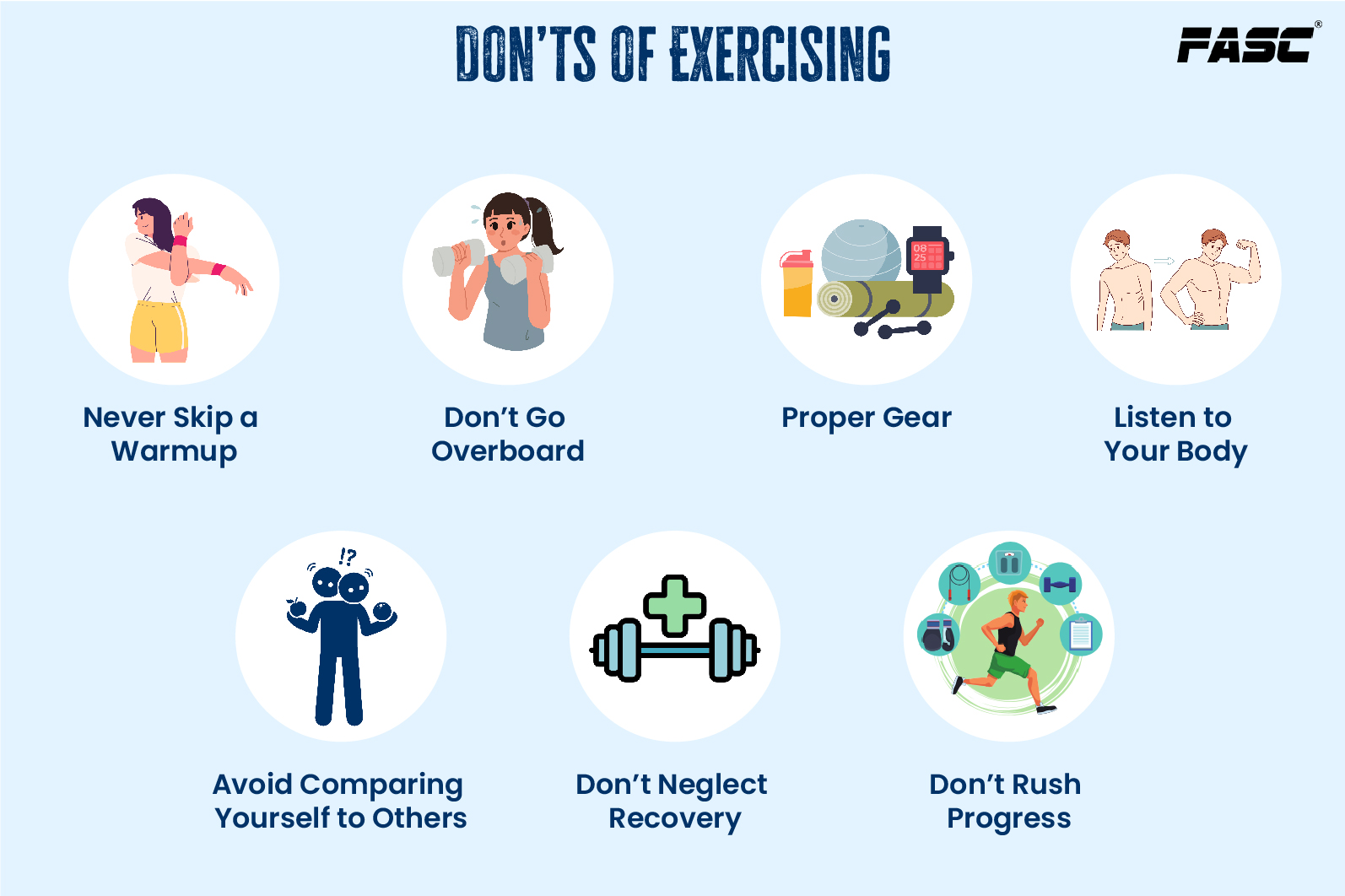
Your body sends signals that you shouldn’t ignore. Paying attention to how you feel during and after workouts can prevent overtraining and mental burnout. If you feel unusually tired, unmotivated, or stressed, it’s okay to slow down.
Adjust your routine based on these signals—maybe do lighter exercises or take an extra rest day. Trusting your body helps you maintain a positive relationship with fitness. When was the last time you paused and really checked in with how your body feels?
Credit: www.lemon8-app.com
Creating A Supportive Environment
Creating a supportive environment can dramatically reduce the risk of gym burnout. Surrounding yourself with encouragement and understanding makes workouts feel less like a chore and more like a shared journey. This kind of environment keeps your motivation steady and your mindset positive.
Finding Workout Partners
Working out with a partner adds accountability and fun to your routine. When you have someone waiting for you at the gym, it’s harder to skip sessions.
Choose partners who match your fitness goals and energy levels. This helps keep both of you motivated without feeling pressured.
Think about how having a friend to celebrate small victories with can boost your mental strength. Could a workout buddy be the key to keeping your enthusiasm alive?
Joining Fitness Communities
Fitness communities, whether online or local, offer a sense of belonging. Sharing your progress and challenges with others creates encouragement and support.
These groups often provide tips, motivation, and even friendly competition. They can transform your gym routine into a social experience.
Have you considered how a community might help you push through tough days? Connecting with others can make all the difference.
Seeking Professional Guidance
Working with a trainer or coach gives you expert advice tailored to your needs. Professionals can design workouts that prevent burnout by balancing intensity and recovery.
They also help you set realistic goals and celebrate milestones, which keeps your mental focus sharp. A coach acts as both a guide and a cheerleader.
Could personalized support be what you need to stay mentally fresh and avoid burnout?
Mindfulness And Stress Management
Mindfulness and stress management play a crucial role in keeping your mental energy strong and your motivation high at the gym. When your mind feels calm and focused, your body follows suit, making workouts more effective and enjoyable. Learning to manage stress outside the gym can prevent burnout and keep your fitness journey sustainable.
Practicing Meditation
Taking just a few minutes to meditate can dramatically improve how you handle gym stress. Meditation helps clear your mind, allowing you to focus fully on your workout without distractions. Even a short daily session can build mental resilience, so you don’t feel overwhelmed by tough training days.
Try sitting quietly, paying attention to your breath or a simple mantra. If your mind wanders, gently bring it back without judgment. This simple practice can reduce anxiety and increase your mental stamina for physical challenges.
Breathing Techniques
Controlled breathing is a powerful tool to calm your nervous system during high-intensity workouts or stressful moments. Techniques like deep belly breathing or the 4-7-8 method help lower your heart rate and clear your mind.
- Deep belly breathing:Breathe in slowly through your nose, letting your stomach rise, then exhale fully through your mouth.
- 4-7-8 breathing:Inhale for 4 seconds, hold for 7 seconds, and exhale for 8 seconds.
You might be surprised how much these simple breaths improve your focus and reduce tension during exercise. Next time you feel fatigued or stressed at the gym, pause and try a few deep breaths.
Managing External Stressors
Stress outside the gym can drain your mental energy and make workouts feel like a chore. Identifying and addressing these external pressures can help you stay mentally fresh and motivated.
Ask yourself: What non-gym stressors affect your mood most? Work deadlines, family issues, or lack of sleep might be the culprits.
Try setting boundaries such as:
- Limiting work emails after hours
- Scheduling relaxing activities with friends or family
- Prioritizing sleep to recharge your body and mind
Reducing outside stress can turn your gym time into a positive, stress-relieving experience rather than another source of pressure.
Tracking Progress Without Pressure
Tracking your gym progress helps keep motivation alive without causing stress. It shows growth over time and highlights efforts made. The key is to record achievements gently, avoiding harsh self-judgment or pressure. This mindset supports mental well-being and sustains long-term fitness habits.
Using Journals Or Apps
Writing down workouts or using apps makes progress visible. Journals allow space for thoughts and feelings about each session. Apps often have reminders and easy ways to log sets, reps, or time. These tools help focus on improvement, not just numbers. Tracking consistently builds a habit without overwhelming the mind.
Celebrating Small Wins
Every improvement deserves recognition, no matter how small. Completing an extra rep or adding a few minutes counts. Celebrations boost confidence and keep the gym journey enjoyable. Simple rewards like a rest day or a favorite healthy snack work well. Small wins make big goals feel closer and more doable.
Adjusting Expectations
Set goals that match current fitness and lifestyle. Avoid aiming for perfection or rapid changes. Adjust targets based on energy levels and daily demands. Flexibility reduces disappointment and keeps workouts fun. Realistic expectations help maintain steady progress and prevent burnout.
Frequently Asked Questions
What Are The Signs Of Mental Gym Burnout?
Mental gym burnout includes loss of motivation, fatigue, irritability, and decreased performance. You may also feel anxious or dread workouts. Recognizing these signs early helps prevent long-term burnout and keeps your fitness journey healthy and sustainable.
How Can I Mentally Prepare For Gym Workouts?
Set realistic goals, visualize success, and practice positive self-talk. Preparing mentally reduces stress and builds confidence. Consistent mental preparation helps maintain focus and enjoyment during workouts, preventing mental fatigue.
Why Is Rest Important To Avoid Gym Burnout?
Rest allows your mind and body to recover, reducing stress and fatigue. It improves performance, motivation, and mental clarity. Incorporating regular rest days prevents burnout and promotes long-term fitness success.
How Does Variety In Workouts Prevent Burnout?
Changing exercises keeps workouts interesting and challenges different muscle groups. Variety prevents boredom and mental fatigue. It also boosts motivation and helps you stay committed to your fitness goals.
Conclusion
Avoiding gym burnout starts with listening to your mind and body. Take breaks when feeling tired or stressed. Change your workout routine to keep it fresh and fun. Set small, clear goals to stay motivated without pressure. Remember, rest is as important as exercise.
Focus on enjoying the process, not just results. Stay positive and patient with yourself. This balance helps keep workouts healthy and enjoyable for the long run. Keep your mental health strong, and your fitness journey will last.







