
Have you ever felt stuck, working hard but not seeing the results you want? It’s frustrating, right?
The secret to breaking free might be simpler than you think. When you adopt a long-term mindset, you start building real progress that lasts. This isn’t about quick fixes or instant success—it’s about steady steps that add up over time.
You’ll discover why thinking long term can change everything for your goals and how it helps you create lasting results. Keep reading, because what you learn here could transform the way you approach your success.
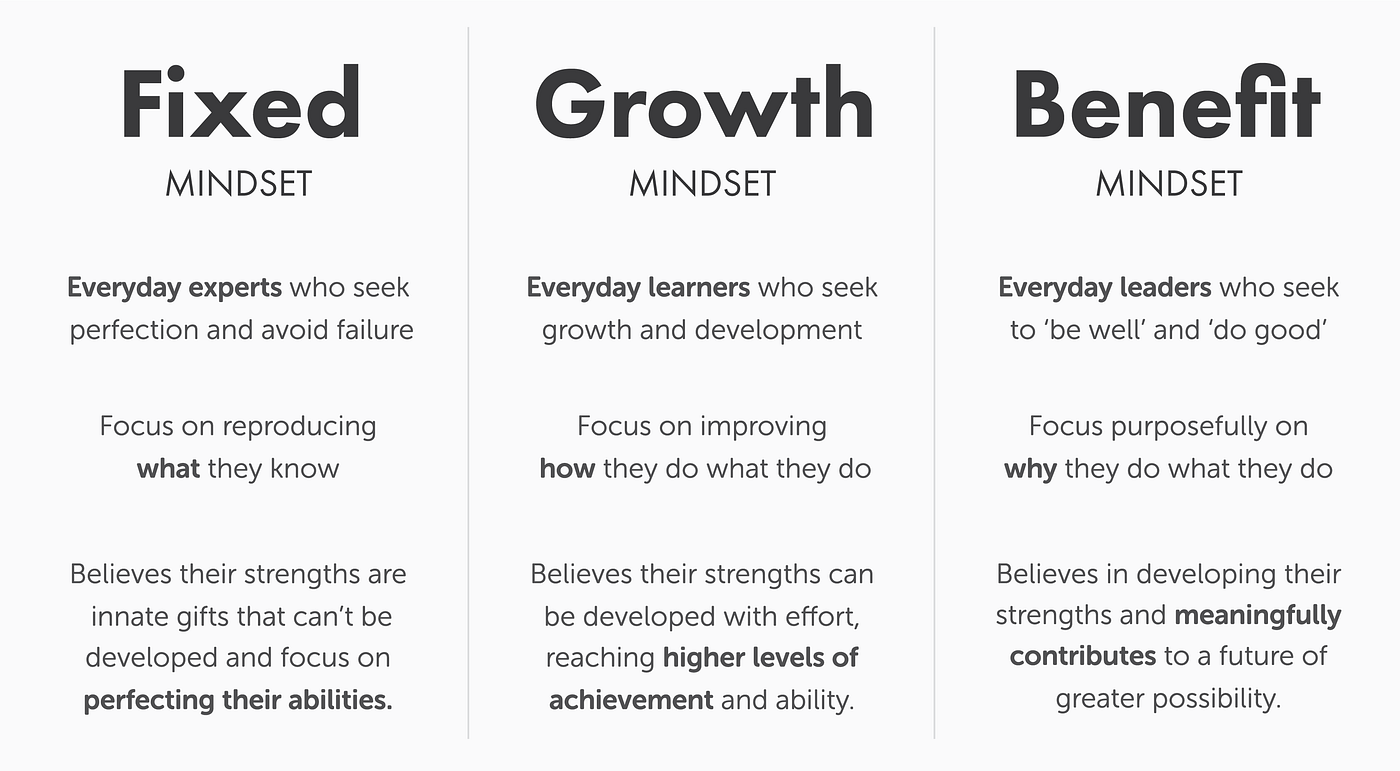
Credit: medium.com
Power Of Long Term Thinking
Long term thinking shapes how you approach challenges and opportunities in life. It pushes you to look beyond quick wins and focus on meaningful progress. This mindset gives you the patience and persistence needed to achieve lasting results.
Shifting Focus From Instant Gratification
You’ve probably felt the pull of instant gratification — scrolling social media or grabbing fast food for a quick hit of pleasure. But chasing immediate rewards often steals your energy and attention from goals that matter more.
Choosing to delay gratification means saying no to short-term temptations. This decision strengthens your self-control and helps you stay committed to your bigger vision. What small daily distractions could you cut out to free up time and energy for your long-term goals?
Building Sustainable Habits
Long term thinking encourages habits that last, rather than quick fixes that fade fast. When you focus on steady progress, you create routines that support your goals every day.
Start by making small changes you can stick with, like reading 10 pages daily or setting aside 15 minutes for exercise. Over time, these tiny actions become automatic and powerful. Which simple habit could you add today that would make a difference in a year?
Compounding Effects Over Time
Think about how interest grows in a bank account — that’s the power of compounding. Your efforts work the same way when you commit to long term goals.
Each small action builds on the last, creating momentum that accelerates your progress. This is why consistent effort, even if it feels slow at first, leads to exponential results. Are you giving your goals enough time to grow and multiply?
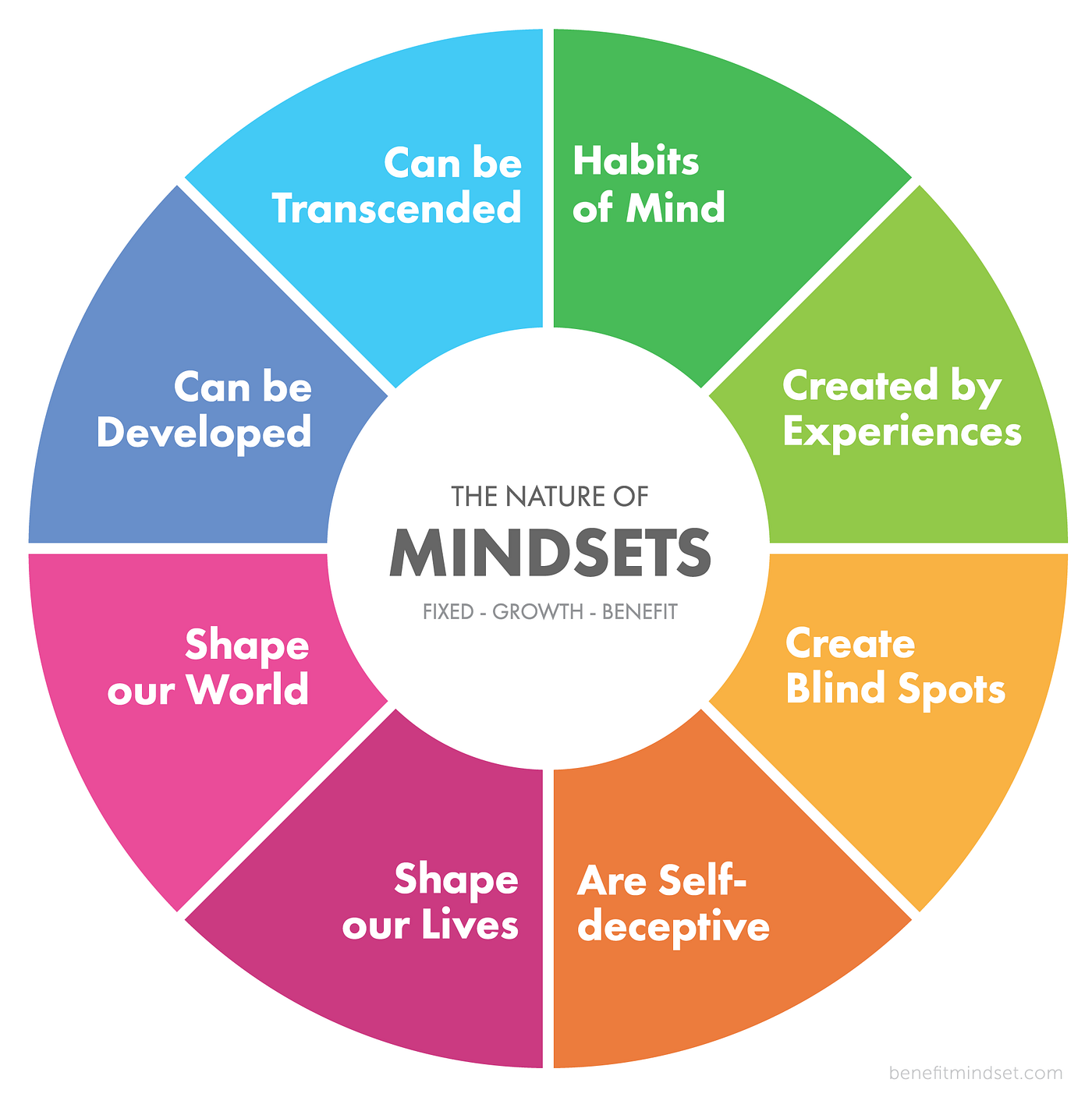
Credit: medium.com
Benefits Of Patience And Persistence
Patience and persistence are crucial for achieving long-term success. They allow us to navigate challenges and maintain focus on our goals. Developing these traits brings numerous benefits that contribute to lasting results.
Overcoming Short-term Obstacles
Short-term obstacles often derail progress. Patience helps us manage frustration during setbacks. Persistence encourages us to find solutions rather than giving up. Together, they empower us to push through difficulties and keep moving forward.
Strengthening Resilience
Resilience is built through experience and perseverance. Each challenge overcome strengthens our ability to handle future setbacks. A long-term mindset nurtures resilience, making us more adaptable and determined. This mental toughness is essential for sustained success.
Cultivating Consistency
Consistency is key to achieving long-term goals. Patience allows us to maintain steady progress without rushing. Persistence ensures we continue working even when results are slow. Together, they help establish routines that lead to success.
Setting Clear Long-term Goals
Setting clear long-term goals is the foundation of a mindset that produces lasting results. Without a clear destination, your efforts can scatter, leading to frustration and wasted time. Defining what you want to achieve in the long run helps you stay focused and motivated, even when progress feels slow.
Aligning Actions With Vision
Your daily actions must reflect your bigger vision. Ask yourself: does this task bring you closer to your ultimate goal? If not, it might be time to reconsider how you spend your time.
When I started my own business, I realized early on that working on small, unrelated tasks kept me busy but didn’t push my vision forward. Shifting my focus to activities that aligned with my goals made all the difference.
Creating Roadmaps For Success
Long-term goals can seem overwhelming without a clear plan. Breaking them down into smaller, manageable steps creates a roadmap that guides your journey.
Think about the milestones you need to hit along the way. What skills do you need to learn? What resources should you gather? Mapping this out prevents you from feeling lost and helps maintain momentum.
Tracking Progress Effectively
How do you know if your efforts are working? Tracking progress regularly provides insight into what’s helping and what’s holding you back.
Using simple tools like journals, spreadsheets, or apps can keep you accountable. Reflect on your progress weekly—celebrate wins and adjust strategies when necessary. This keeps your long-term goals alive and actionable.
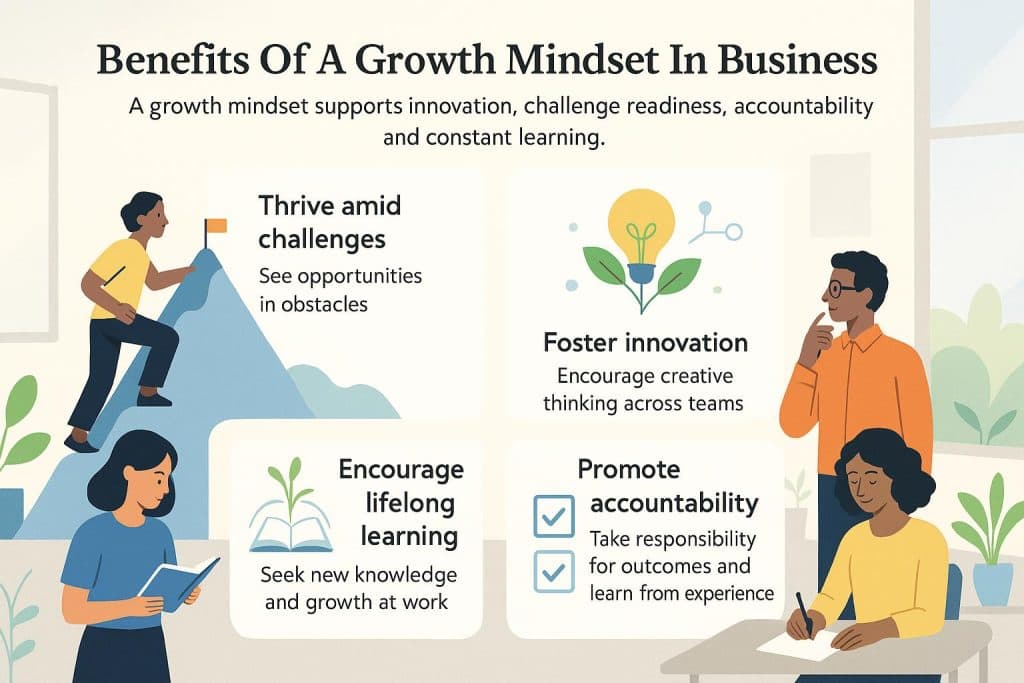
Credit: www.business.com
Avoiding Common Pitfalls
Building a long-term mindset is essential for achieving lasting success, but it’s easy to stumble into common pitfalls that can derail your progress. These traps often come disguised as quick wins or minor distractions that seem harmless at first. Recognizing and avoiding them will keep your focus sharp and your results sustainable.
Resisting Quick Fix Mentality
You might feel tempted to chase fast results or shortcuts, especially when progress feels slow. This urge often leads to abandoning solid plans for temporary gains that don’t last. Instead, remind yourself that real growth takes time and consistent effort.
Think about the last time you tried a quick fix—did it solve the root problem or just put a bandage on it? Developing patience helps you commit to strategies that build real value over months or years, not just days or weeks.
Managing Distractions And Impulses
Distractions are everywhere—social media, emails, or even well-meaning advice from others. These interruptions can pull you off track and waste your mental energy. Creating a clear schedule and setting boundaries around your focus time can help you stay on course.
Impulse decisions often feel urgent but rarely align with your long-term goals. Before acting, ask yourself if this choice supports your bigger vision or just satisfies a momentary urge. This simple pause can prevent costly detours.
Handling Setbacks With A Growth Mindset
Setbacks are inevitable, but your response to them makes all the difference. Viewing failures as learning opportunities allows you to grow stronger and smarter. Instead of getting stuck in frustration, ask yourself what this challenge teaches you about your approach.
Remember a time when a mistake led you to a better strategy or idea. Embracing setbacks with curiosity rather than defeat keeps your motivation alive and your progress moving forward.
Real-life Examples Of Long-term Success
Seeing real-life examples of long-term success can change how you think about persistence and patience. These stories show that consistent effort, even without immediate rewards, can lead to remarkable results. Let’s look at some inspiring cases where a long-term mindset made all the difference.
Entrepreneurs Who Persisted
Many successful entrepreneurs faced years of struggle before their big break. Take Sara Blakely, the founder of Spanx, who spent years refining her product and convincing manufacturers to take a chance on her idea.
She didn’t give up after multiple rejections. Instead, she kept improving and learning. This persistence turned a simple idea into a billion-dollar business.
Ask yourself: How can you stay committed to your goals when progress seems slow?
Athletes’ Journey To Excellence
Elite athletes often spend a decade or more training before reaching the top. Michael Phelps didn’t become the most decorated Olympian overnight; his success came from years of daily practice and overcoming setbacks.
His story reminds you that talent alone isn’t enough—you must keep pushing, even when results aren’t immediate. What small daily habits can you build to move closer to your own goals?
Innovators And Their Breakthroughs
Innovators like Thomas Edison faced thousands of failures before inventing the practical light bulb. Each “failure” was a step closer to the final solution.
This teaches you to view setbacks as learning moments, not dead ends. When was the last time you learned something valuable from a mistake?
Long-term thinking helps you stay focused on the bigger picture. It’s about showing up every day, learning, adapting, and trusting the process. Your persistence could be the key that unlocks your own breakthrough.
Cultivating A Long Term Mindset Daily
Building a long term mindset takes daily effort. It shapes how you approach challenges and goals. Small, consistent actions help form this mindset. Over time, these actions create strong habits that support lasting success.
Focusing on the present while keeping future goals in mind balances your daily routine. This balance helps you stay motivated and patient. It also reduces stress and keeps your mind clear. A long term mindset grows stronger with each thoughtful choice.
Practicing Mindfulness And Reflection
Mindfulness means paying attention to the present moment. It helps you notice your thoughts and feelings without judgment. Daily reflection lets you review your progress and lessons learned. These practices increase self-awareness and focus. They prevent distractions from pulling you away from your goals.
Developing Patience Techniques
Patience is key to maintaining a long term mindset. Breathing exercises calm your mind during frustration. Setting small milestones shows steady progress. Reminding yourself that good things take time builds endurance. These techniques help you stay calm and persistent.
Surrounding Yourself With Supportive Influences
Your environment impacts your mindset greatly. Positive people encourage and inspire you. Their support makes challenges easier to handle. Avoid negativity that drains your energy. Create a circle that lifts you up and shares your values. This network fuels your long term growth.
Frequently Asked Questions
What Is A Long Term Mindset?
A long term mindset focuses on sustained growth and consistent effort. It values patience and delayed gratification. This approach helps achieve meaningful and lasting results over time.
How Does Long Term Mindset Improve Success?
A long term mindset encourages persistence despite obstacles. It reduces impulsive decisions and builds resilience. This leads to stronger habits and better outcomes.
Why Is Patience Key In Long Term Mindset?
Patience allows you to stay committed during slow progress. It prevents frustration and burnout. This mindset fosters steady improvement and eventual success.
Can Long Term Mindset Change Personal Growth?
Yes, it promotes continuous learning and self-discipline. It helps you adapt and evolve with challenges. This mindset results in deeper personal development.
Conclusion
Building a long-term mindset takes time and patience. Small, steady steps lead to lasting success. Challenges will come, but persistence wins. Focus on growth, not quick fixes. Results grow stronger with consistent effort. Stay committed to your goals every day.
Trust the process and keep moving forward. This mindset shapes real, meaningful progress. Success is a journey, not a race. Embrace the long road for true achievement.







