
Building your own home gym can change the way you approach fitness. Imagine having a space designed just for you, where every workout fits your schedule and style.
No more waiting for machines or rushing through crowded classes. This guide will show you how to create a home gym that motivates you, saves you time, and helps you reach your goals faster. Ready to transform your fitness routine?
Keep reading to discover simple steps that make building your perfect home gym easier than you think.
Choosing The Right Space
Choosing the right space for your home gym is crucial to creating an environment where you feel motivated and comfortable. The space you pick can either enhance your workout or make it feel like a chore. Think about where you spend most of your time at home and how a gym area might fit into that flow.
Assessing Available Areas
Start by looking around your home for spaces that are underused or flexible. Basements, spare bedrooms, or even a corner of the living room can work well. Ask yourself: Is this area easily accessible? Will you feel comfortable exercising here regularly?
Consider how much noise your workouts might generate and how that might affect others in your home. If you have kids or roommates, a quieter spot might be better. You want a space that supports your routine without interruptions.
Considering Room Size And Layout
Think about the equipment you want to use and how much room it needs. Do you plan to lift weights, use a treadmill, or practice yoga? Each requires different space arrangements.
Measure the area and sketch a rough layout before buying equipment. This helps avoid overcrowding and ensures you have enough room to move freely. Could a foldable bench or compact machines save you space?
Lighting And Ventilation Needs
Good lighting can boost your energy and mood during workouts. Natural light is ideal, so rooms with windows are a plus. If natural light is limited, invest in bright, adjustable artificial lighting that mimics daylight.
Ventilation is equally important. Proper airflow keeps the room fresh and reduces odors. Can you open a window, or do you need a fan or air purifier to keep the air moving?

Credit: dsarchitecture.com.au
Essential Equipment Selection
Choosing the right equipment shapes an effective home gym. Focus on essentials like weights, a bench, and resistance bands for versatile workouts. Quality gear supports safety and helps you stay consistent.
Building a home gym is an exciting endeavor that promises convenience and long-term health benefits. However, choosing the right equipment can be daunting. How do you ensure your selections meet your fitness goals without overcrowding your space? Let’s explore the essential equipment you need to create an effective and versatile home gym.Cardio Machines
Cardio is a cornerstone of any fitness regimen. Opt for machines that you enjoy using—this makes consistency easier. Treadmills, stationary bikes, and rowing machines are popular choices. They vary in size and price, so consider your space and budget. If you’re short on space, a foldable treadmill can be a game-changer.Strength Training Gear
Strength training is vital for building muscle and boosting metabolism. Dumbbells, kettlebells, and resistance bands are versatile and space-efficient. If you have room, consider a weight bench or a power rack for more advanced workouts. Adjustable dumbbells can save space and money while providing a variety of weight options.Flexibility And Recovery Tools
Flexibility and recovery are often overlooked but crucial for overall fitness. Yoga mats, foam rollers, and stretch bands are excellent additions. They aid in muscle recovery and enhance flexibility, reducing the risk of injury. Have you tried a massage gun? It’s a powerful tool for easing muscle tension after a tough workout. Choosing the right equipment is about balance—meeting your fitness needs while fitting your lifestyle and space. What will you prioritize in your home gym setup?Budgeting Your Setup
Setting a budget for your home gym is crucial to avoid overspending and ensure you get the best value from your investment. Knowing where to allocate your money helps you build a functional space without sacrificing quality. Budgeting also makes it easier to prioritize equipment that truly fits your fitness goals.
Prioritizing Must-have Items
Start by listing the equipment you absolutely need. Focus on versatile pieces like adjustable dumbbells, a sturdy bench, or a resistance band set. These items can support a wide range of exercises without taking up too much space or money.
Think about your workout style. Are you into strength training, cardio, or flexibility? Prioritizing equipment that matches your routine prevents you from spending on gadgets that gather dust. Ask yourself: what equipment will I use daily versus occasionally?
Finding Deals And Discounts
Look beyond traditional retail stores. Online marketplaces, second-hand sales, and clearance events often have quality gear at a fraction of the price. Signing up for newsletters from fitness brands can also alert you to exclusive deals.
Timing your purchases around holidays or end-of-season sales can save you a significant amount. Don’t hesitate to negotiate prices when buying used equipment. Have you checked local community boards or apps for nearby sellers?
Planning For Future Upgrades
Reserve part of your budget for upgrades as your fitness level improves. Starting simple doesn’t mean you can’t add advanced equipment later. This approach keeps your gym functional while avoiding upfront costs that don’t match your current needs.
Consider modular equipment that can expand or convert over time. For example, a power rack with add-ons or adjustable weights. How will your workout goals evolve, and what gear will support that growth?
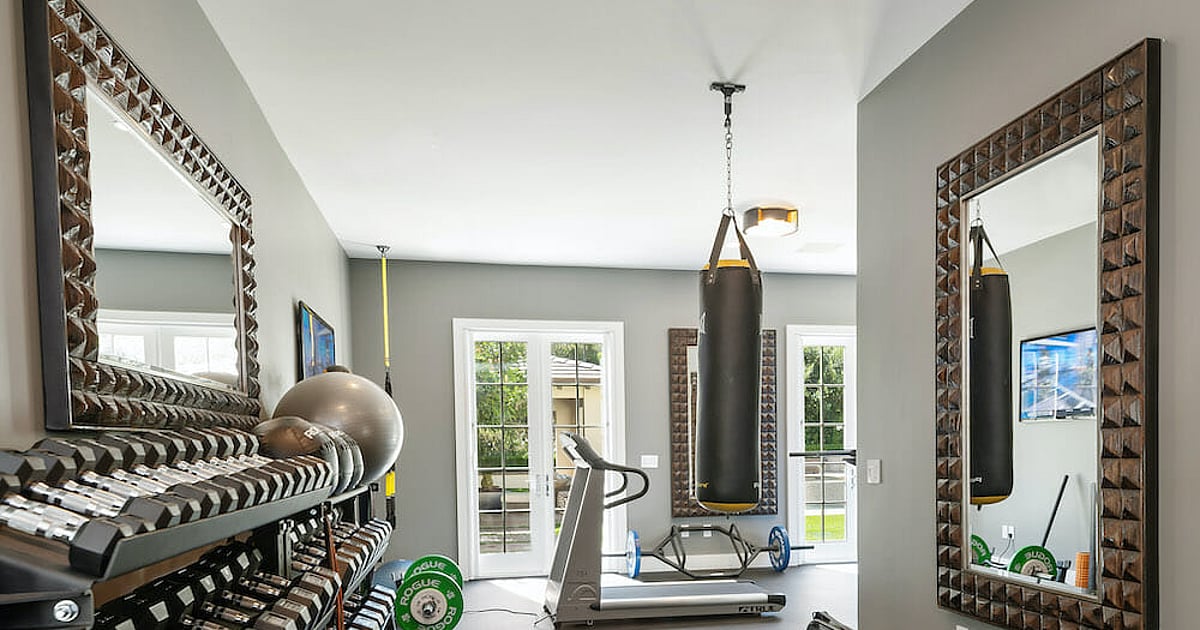
Credit: www.indulgexpress.com
Designing For Functionality
Designing for functionality is key to a successful home gym. It helps create a space that supports workouts efficiently. Every detail should make exercising easier and safer.
Start by planning the layout carefully. Think about how each piece of equipment fits and flows. The space should feel open and inviting, not cramped or cluttered.
Optimizing Floor Plan
Choose a floor plan that allows easy movement. Leave enough room around machines and weights. Place cardio equipment near a power source. Create zones for stretching, lifting, and cardio. Keep pathways clear to avoid accidents.
Storage Solutions
Use smart storage to keep the gym tidy. Wall-mounted racks save floor space. Shelves and bins organize smaller items like bands and mats. Store weights on sturdy racks to prevent injury. Good storage keeps gear easy to find and use.
Safety Considerations
Safety is crucial in a home gym. Use non-slip flooring to reduce falls. Ensure equipment is secure and stable. Provide proper lighting to avoid dark corners. Keep first aid supplies nearby. Regularly check gear for wear and damage.
Creating The Right Atmosphere
Creating the right atmosphere in your home gym can transform a simple workout space into a place you look forward to visiting every day. The environment you build influences your energy, focus, and motivation. Small details like colors, sound, and personal touches can make a big difference in how effective and enjoyable your workouts become.
Choosing Colors And Decor
Colors have a powerful impact on mood and energy levels. Bright colors like reds and oranges can increase your energy, while blues and greens tend to calm your mind and improve focus. Think about what kind of workout vibe you want—do you want to feel pumped up or relaxed?
Decorate with items that inspire you but keep it simple. Avoid clutter, which can distract or stress you during workouts. A clean, organized space with a few motivational posters or plants can create a fresh and inviting atmosphere.
Incorporating Sound And Entertainment
Sound sets the rhythm of your exercise. Music with a strong beat can push you to work harder, while podcasts or audiobooks can make longer sessions fly by. Consider a sound system or wireless speakers that let you control your playlist easily.
Visual entertainment also helps. A wall-mounted TV or tablet stand can let you follow workout videos or catch your favorite show. What kind of sound or screen setup would keep you coming back to your gym?
Motivational Elements
Adding motivational elements turns your gym into a personal success zone. Use a whiteboard or chalkboard to track goals and progress—seeing your improvements builds confidence. Personal achievements displayed visibly can remind you why you started.
Photos of your fitness milestones or quotes that resonate with you provide constant encouragement. What small reminders would push you to keep going on tough days? Personal motivation is often the key to consistency.
Maintenance And Upkeep
Keeping your home gym in top shape takes more than just setting it up. Maintenance and upkeep ensure your equipment lasts longer and your workout environment stays safe and inviting. Neglecting these tasks can lead to costly repairs and even injuries.
Cleaning Routines
Regular cleaning keeps your gym fresh and hygienic. Wipe down machines and weights after each use to remove sweat and dust. Use a mild disinfectant to prevent germs from spreading, especially on high-touch surfaces like handles and benches.
Don’t forget the floors—sweeping and mopping weekly helps avoid buildup of dirt and grime. Consider using mats that are easy to clean and protect your flooring. Have you ever skipped cleaning only to notice a funky smell or sticky equipment? That’s a clear sign to step up your routine.
Equipment Care Tips
Proper care extends the life of your gear. Check cables, bolts, and moving parts regularly for wear and tear. Lubricate joints and hinges as recommended by the manufacturer to keep everything moving smoothly.
Store smaller items like dumbbells and resistance bands in designated racks or hooks to prevent damage. Avoid dropping weights, as this can harm both the equipment and your floor. How often do you inspect your gym gear for signs of damage?
Regular Space Assessments
Take time to evaluate your gym space every few months. Look for clutter that might restrict movement or cause accidents. Rearranging equipment can improve flow and make workouts more enjoyable.
Check lighting and ventilation to ensure a comfortable workout atmosphere. Sometimes adding a fan or brighter bulbs can make a big difference. Are there areas in your gym that feel cramped or unsafe? Identifying these spots early can prevent problems down the line.

Credit: www.youtube.com
Frequently Asked Questions
What Equipment Is Essential For A Basic Home Gym?
Essential home gym equipment includes dumbbells, resistance bands, a yoga mat, and a stability ball. These items offer versatility for strength, flexibility, and cardio workouts in limited space.
How Much Space Do I Need To Build A Home Gym?
A minimum of 50 to 100 square feet is ideal. This space allows room for equipment and movement, ensuring a comfortable and effective workout environment.
What Budget Is Required To Build A Home Gym?
A basic home gym can start from $200 to $500. Investing gradually in quality equipment maximizes value and workout variety over time.
How Can I Optimize Home Gym Lighting And Ventilation?
Use natural light or bright LED bulbs for visibility. Ensure good airflow with fans or open windows to maintain a fresh, comfortable workout space.
Conclusion
Building a home gym saves time and money on workouts. It fits your schedule and space. Choose equipment that suits your fitness goals and budget. Keep the area clean and organized for safety. Regular exercise at home improves health and mood.
Small steps lead to big changes. Start with what you have and grow from there. Your fitness journey can begin right at home.







