
Are you planning to build your own home gym but unsure about the space you need? Getting the right home gym dimensions is key to creating a workout area that’s comfortable, efficient, and motivating.
Too small, and you’ll feel cramped; too large, and you might waste valuable space. You’ll discover the perfect size for your home gym, tailored to your workout goals and available space. Keep reading to make sure your gym fits your needs perfectly and helps you stay on track with your fitness journey.
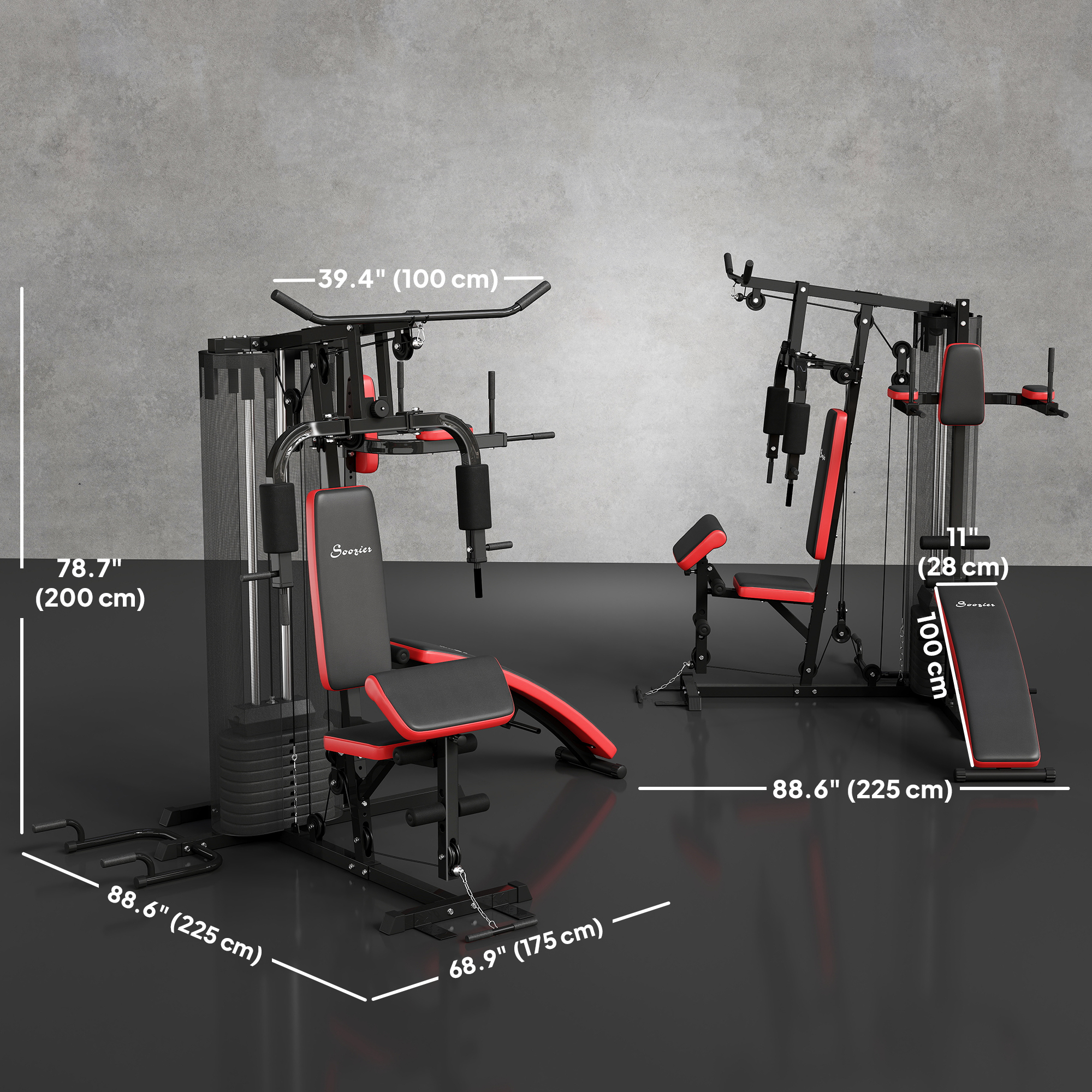
Credit: www.aosom.ca
Choosing The Right Space
Choosing the right space for a home gym is key to staying motivated. The area should fit your workout needs and equipment. It must be comfortable and safe. Size matters, but so does location. Think about how you will use the space daily. This helps create a gym you enjoy visiting.
Assessing Available Rooms
Look around your home for rooms with enough space. A spare bedroom or a large closet can work well. Check ceiling height and floor strength. Make sure the room has good lighting and ventilation. Avoid areas with many distractions. The room should allow free movement during exercises.
Considering Basements And Garages
Basements and garages offer extra space for gym setups. Basements often stay cool, which suits intense workouts. Garages may need insulation or heating in cold months. Both areas can be noisy, so think about neighbors. Ensure the floor is even and strong. Add mats to protect the floor and reduce noise.
Utilizing Small Spaces
Small spaces can become effective workout zones. Use vertical storage for weights and equipment. Foldable or compact machines save room. Clear clutter to maximize floor space. Mirrors help make the area feel bigger. Focus on bodyweight exercises if space limits machines.
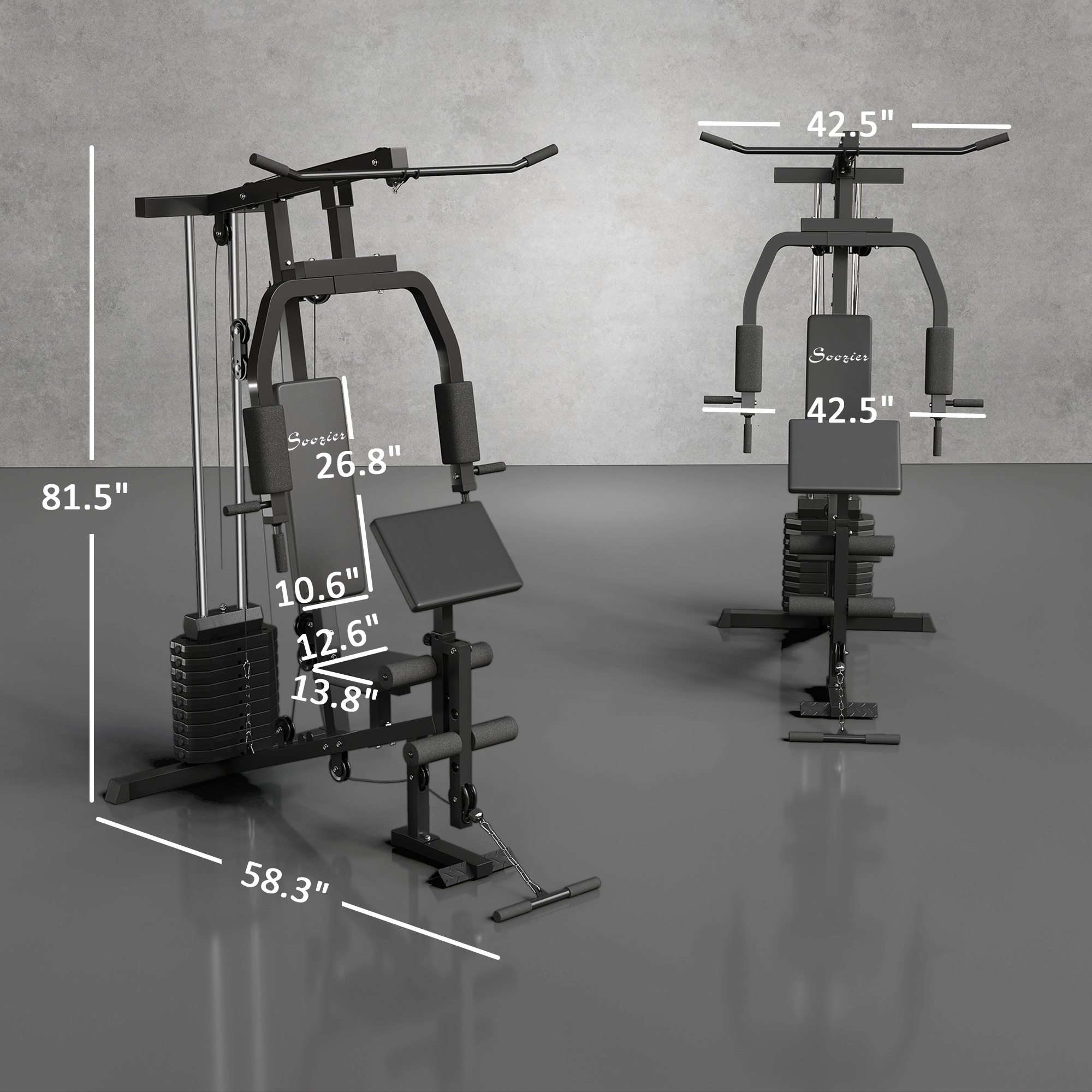
Credit: www.aosom.com
Ideal Room Size For Workouts
Choosing the right room size for your home gym is essential. The space should fit your fitness needs and equipment. Consider both your workout style and available area. A well-planned space enhances your exercise routine. It also prevents injuries and boosts motivation.
Minimum Space Requirements
A small room can still serve as a gym. You need at least 50 square feet for basic workouts. This space allows for stretching and bodyweight exercises. It’s perfect for yoga or Pilates. Ensure there’s enough room to move freely.
Space For Cardio Equipment
Cardio machines require more space. Treadmills need about 30 square feet. Ellipticals and stationary bikes need around 20 square feet each. This allows for safe use and easy access. Ensure there’s room to walk around the equipment.
Space For Strength Training
Strength training equipment varies in size. A bench and dumbbells need about 35 square feet. If you add a power rack, you’ll need 50 square feet. This space ensures safe lifting and movement. Consider ceiling height for overhead exercises.
Ceiling Height Considerations
Ceiling height plays a key role in planning a home gym space. It affects comfort and safety during workouts. Low ceilings can limit the type of exercises and equipment you use. High ceilings offer freedom to move and install larger machines. Understanding ceiling height needs helps create a practical and enjoyable gym area.
Importance Of Vertical Space
Vertical space impacts how you use your gym. Tall ceilings allow more movement and better air flow. They prevent the room from feeling cramped or closed in. Vertical space also affects your mental focus, making workouts feel less restricted.
Clearance For Equipment
Many gym machines require specific clearance above them. Treadmills, ellipticals, and rowing machines need enough height to operate safely. Weightlifting racks and pull-up bars also demand extra space. Proper clearance avoids accidents and protects your equipment.
Stretching And Jumping Areas
Exercises like jumping jacks or stretching need open vertical room. You need space to raise your arms fully without hitting the ceiling. Jump rope workouts especially require good headroom to avoid injury. Having this space improves workout quality and comfort.
Flooring Choices And Space Impact
Choosing the right flooring for your home gym affects comfort and how much space you can use. It also protects your floors and helps reduce noise. The type of flooring you pick impacts your workout safety and equipment care.
Types Of Gym Flooring
- Rubber Mats:Durable and easy to clean. Great for heavy weights.
- Foam Tiles:Soft and light. Ideal for yoga and stretching.
- Vinyl Flooring:Water-resistant and low maintenance. Good for cardio machines.
- Cork Flooring:Natural and eco-friendly. Provides moderate cushioning.
- Carpet Tiles:Adds warmth. Best for light workouts and low-impact exercises.
Floor Protection And Cushioning
Flooring must protect your home surface from damage. Heavy equipment can scratch or dent floors. Thick rubber or foam absorbs shock and noise. Cushioning reduces strain on joints during exercises. Proper protection extends the life of your gym area.
Maximizing Usable Area
Choose flooring that fits your space size and shape. Interlocking tiles allow easy custom layouts. Thin flooring saves vertical space but still offers support. Clear floor design avoids clutter and improves workout flow. Smart flooring choices help you use every inch well.
Layout Tips For Efficiency
Designing your home gym layout with efficiency in mind can transform your workout experience. A well-planned space helps you move smoothly between exercises and keeps your motivation high. Let’s dive into some key layout tips that make your gym both practical and enjoyable.
Zoning Workout Areas
Divide your gym space into clear zones based on workout types. For example, create a cardio area with a treadmill or bike, a strength zone with weights and machines, and a stretching corner with mats and foam rollers.
This separation helps you stay focused and reduces clutter. Imagine moving seamlessly from lifting weights to stretching without rearranging equipment. How could defining zones improve your workout flow?
Equipment Arrangement Strategies
Arrange your equipment to maximize space and ease of use. Place frequently used items within arm’s reach and heavier machines against walls to open central space.
Keep smaller equipment like dumbbells and resistance bands organized on racks or shelves. This setup prevents wasted time searching for gear and keeps your gym tidy.
Think about your workout routine: which pieces do you grab first? Position those to save steps and keep energy up.
Safety And Accessibility
Leave enough space around each machine or workout station to avoid accidents. Clear pathways make it easier to move safely, especially if you train alone.
Ensure flooring provides good traction and consider installing mirrors to check your form. Accessibility also means having storage that’s easy to reach without bending or stretching too much.
Ask yourself, does your layout support a safe workout environment every time you step in?

Credit: www.amazon.ca
Storage Solutions For Home Gyms
Creating an efficient home gym goes beyond choosing the right equipment; it’s about managing space smartly. Storage solutions can transform a cramped workout area into a neat, inviting fitness zone. How you store your gear impacts both your workout flow and your motivation to stay active.
Compact Storage Ideas
Think vertical and hidden when space is tight. Wall-mounted racks and pegboards free up floor space and keep your weights, resistance bands, and jump ropes organized. Slim shelves or stackable bins fit into corners or under benches, making every inch count.
Have you tried using tension rods inside cabinets to hang yoga mats or towels? It’s a simple trick that maximizes unused spots and keeps your gym tidy.
Multi-functional Furniture
Furniture that pulls double duty can save you a lot of room. Benches with built-in storage compartments or ottomans that open up to hold dumbbells or kettlebells are great picks. A foldable workout bench that stows away easily can also clear space when not in use.
Imagine sitting on a bench that hides your clutter—doesn’t that make your gym feel more inviting and less chaotic?
Keeping Space Clutter-free
Regularly evaluate your equipment and toss or donate what you don’t use. Use clear storage boxes to see what’s inside without opening them, so you spend less time searching and more time exercising. Labeling shelves and bins can also save time and reduce frustration.
How often do you find yourself tripping over dumbbells or losing small accessories? A clutter-free gym isn’t just about looks—it’s about safety and efficiency.
Lighting And Ventilation
Lighting and ventilation are key factors in designing your home gym. They influence not just how your space looks but also how comfortable and energizing it feels. Proper lighting and airflow can motivate you to push harder and keep your workouts consistent.
Natural Vs Artificial Lighting
Natural light boosts mood and energy. If your gym space has windows, let sunlight flood in during the day. It helps you stay alert and can even improve your workout performance.
Artificial lighting is necessary for early mornings or late-night sessions. Choose bright, white LED lights that mimic daylight to keep your space lively. Avoid harsh fluorescents that cause eye strain or flicker.
Think about adjustable lighting options. Dimmable lights or different fixtures can help you switch from high-energy workouts to cool-down stretches comfortably.
Airflow And Temperature Control
Good airflow keeps your gym fresh and prevents overheating. If you can, position your equipment near windows or vents that open.
Fans or portable air conditioners can make a big difference, especially in smaller or enclosed spaces. They help maintain a comfortable temperature and reduce sweat buildup.
Have you noticed how stale air can drain your motivation? Circulating air prevents that sluggish feeling and keeps you focused on your workout.
Creating An Inviting Atmosphere
Combine lighting and ventilation to make your gym a place you want to be. Bright, fresh air invites you in and keeps distractions away.
Consider adding plants near windows—they improve air quality and add a calming touch. Soft background music with the right lighting can also enhance your mood.
Ask yourself: Does your gym space inspire you to move? Small adjustments in light and airflow can turn your workout zone into your favorite room.
Frequently Asked Questions
What Is The Ideal Size For A Home Gym Room?
The ideal home gym size ranges from 100 to 200 square feet. This space fits basic equipment and allows comfortable movement. Larger spaces accommodate more machines and group workouts. Choose a size based on your fitness goals and available room.
How Much Space Do I Need For Gym Equipment?
Space needs depend on equipment type. A treadmill requires 30-40 square feet. Free weights and benches need 50-70 square feet. Allocate extra space for safety and stretching. Measure your equipment before planning your gym layout.
Can Small Rooms Be Used For Home Gyms?
Yes, small rooms can work for home gyms. Choose compact, multi-functional equipment. Use vertical storage to save floor space. Focus on bodyweight exercises if space is limited. Proper ventilation and lighting improve usability.
How High Should Home Gym Ceilings Be?
Ceilings should be at least 8 feet high. This height allows safe use of tall equipment and overhead movements. Higher ceilings improve ventilation and comfort. Measure your ceiling before installing large machines.
Conclusion
Choosing the right home gym size matters a lot. A small space limits your workout options. A bigger space lets you add more gear. Think about your fitness goals and room size. Plan your gym so it feels comfortable and safe.
Good lighting and ventilation make workouts better. With the right space, you enjoy exercise more. Start with what you have and grow from there. Your home gym can fit your lifestyle well. Simple planning leads to great workout success.







