
Imagine having a place where you can work out anytime you want, without worrying about gym hours or crowded spaces. Setting up a home gym can make this a reality for you.
It’s not just about saving time or money—it’s about creating a space that motivates you to stay active and reach your fitness goals. You’ll discover simple steps to design a home gym that fits your space, budget, and needs. Ready to turn a corner of your home into your personal fitness zone?
Let’s dive in.
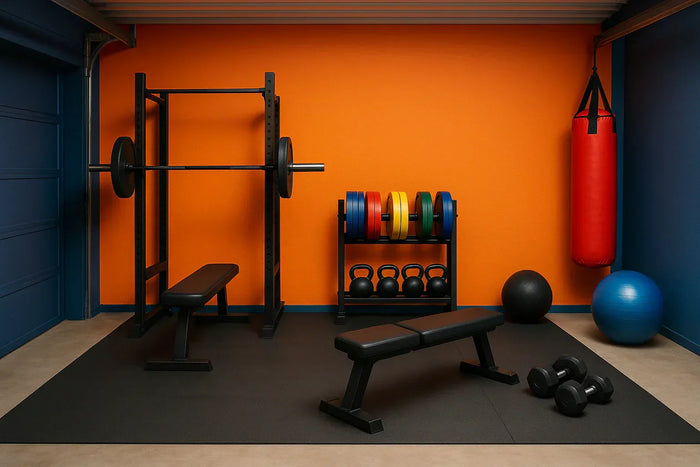
Credit: braingain.fit
Choosing The Right Space
Choosing the right space is a key part of setting up a home gym. The space should fit your workout needs and keep you motivated. A good area makes exercise more enjoyable and helps you stay consistent. Think about comfort, safety, and convenience when picking your spot. Small or large, every space can work with the right approach.
Assessing Available Areas
Start by checking all possible spaces in your home. Look at spare rooms, basements, garages, or even corners of living rooms. Measure the area to ensure it fits your equipment and movement needs. Consider the floor type and strength. Avoid spaces with clutter or heavy foot traffic. Choose a spot that feels private and quiet. This helps keep focus during workouts.
Considering Lighting And Ventilation
Good lighting lifts energy and improves safety. Natural light is best for a fresh, bright feel. If natural light is limited, use bright, soft artificial lights. Ventilation is crucial to keep air fresh and cool. Pick a space with windows or doors you can open. Fans or air conditioners also help. Avoid stuffy rooms to prevent discomfort and fatigue.
Maximizing Small Spaces
Small spaces can still become effective workout areas. Use compact, foldable, or multi-use equipment. Store gear in boxes or shelves to save floor space. Clear the area before each session to avoid accidents. Mirrors can create an illusion of a bigger room. Use wall hooks or racks to hang accessories. A small, neat space keeps workouts focused and safe.

Credit: flexequipment.com.au
Essential Equipment Selection
Choosing the right equipment is key to building a home gym that fits your space and workout style. Focus on versatile tools like dumbbells, resistance bands, and a yoga mat to start strong. Select items that help you stay motivated and consistent.
Setting up a home gym is a fantastic way to stay fit and save time. However, selecting the right equipment can be a challenge. Choosing wisely ensures you make the most of your space and budget while catering to your fitness level and goals.Basic Gear For Beginners
Starting your home gym doesn’t have to be overwhelming. Focus on versatile, multipurpose items that provide a full-body workout. Dumbbells, for instance, are perfect for strength training and come in various weights to suit your needs. A yoga mat is essential for floor exercises and stretching. It offers comfort and stability, especially if your home gym has hard flooring. Resistance bands are another excellent choice, providing varied resistance levels for muscle toning and flexibility.Advanced Tools For Enthusiasts
Once you’ve mastered the basics, it’s time to level up. Consider investing in a power rack. It provides a safe environment for heavy lifting and can be used for squats, bench presses, and more. A rowing machine offers a full-body workout, improving cardiovascular health and endurance. For those who love variety, a multi-gym system might be ideal, offering numerous exercises in one compact unit.Budget-friendly Options
Creating a home gym on a budget is entirely possible. Scour online marketplaces for second-hand equipment—it’s often lightly used and significantly cheaper than new. Consider space-saving tools like foldable exercise bikes or adjustable dumbbells, which offer multiple weights in a single set. Even household items like filled water bottles can serve as makeshift weights until you’re ready to invest. What equipment would you choose for your home gym? Whether you’re a beginner or an enthusiast, there’s an option for every budget and space. Choose wisely, and your home gym will become your new favorite place to break a sweat.Flooring And Safety Measures
Choosing the right flooring and safety measures is key for a home gym. Good flooring protects your house and supports your workouts. Safety steps help prevent injuries and make exercise safer.
Types Of Gym Flooring
Home gym floors need to be strong and easy to clean. Popular options include:
- Rubber mats:Durable and shock-absorbing, ideal for heavy equipment.
- Foam tiles:Soft and comfortable, best for stretching and yoga.
- Vinyl flooring:Water-resistant and easy to maintain, good for cardio zones.
- Carpet tiles:Provide traction but may absorb sweat and odors.
Choose a floor type that fits your workout style and space.
Protecting Your Floors
Floor protection saves your home from damage by gym equipment. Use these tips:
- Place rubber mats under heavy machines to avoid dents.
- Use furniture sliders to move equipment easily and prevent scratches.
- Keep floors clean to avoid slips and damage.
- Avoid placing wet shoes or weights directly on hardwood or tile.
Ensuring Injury Prevention
Safety must be a priority to avoid workout injuries.
- Keep the floor dry and clutter-free to prevent slips and falls.
- Use non-slip mats in areas where you do high-impact exercises.
- Check equipment stability before each use.
- Ensure enough space around machines to move safely.
These measures create a safer workout environment at home.
Storage Solutions
Setting up a home gym is exciting, but without smart storage solutions, clutter can quickly take over. Effective storage not only keeps your space tidy but also makes your workouts smoother and more enjoyable. Let’s look at how you can organize and store your equipment to get the most out of your gym area.
Organizing Equipment Efficiently
Think about how you use your equipment daily. Place frequently used items like dumbbells, resistance bands, and yoga mats within easy reach. Group similar items together—this saves time and keeps your space intuitive.
Use clear bins or labeled baskets for smaller items such as jump ropes or grips. A simple wall-mounted rack for weights or kettlebells can free up floor space and prevent tripping hazards. Have you considered using vertical space to keep your floor clear?
Space-saving Storage Ideas
Compact gyms benefit from clever storage. Foldable benches and stackable weights are great options for saving space. Wall hooks and pegboards can hold jump ropes, gloves, and towels without cluttering your workout zone.
Try installing shelves above eye level to store items you use less often. Rolling carts are versatile; you can move them around as needed and tuck them away when you’re done. How can you rearrange your gym to maximize every inch?
Maintaining A Clutter-free Gym
Regularly assess your equipment and remove anything you no longer use. Dedicate a few minutes after each workout to put everything back in its place. This habit keeps your gym inviting and ready for your next session.
Consider a “one in, one out” rule to prevent collecting unused gear. Keeping cleaning supplies nearby encourages you to wipe down machines and mats, which supports both hygiene and organization. What small habits can you add to keep your gym neat?
Creating A Workout Routine
Creating a workout routine is key to making your home gym effective and enjoyable. Without a plan, it’s easy to lose motivation or not see the results you want. A solid routine gives structure, helps you stay on track, and makes your workouts purposeful.
Setting Fitness Goals
Start by defining what you want to achieve. Are you aiming to build muscle, lose weight, improve endurance, or just stay active? Clear goals help shape your routine and keep your efforts focused.
Set goals that are specific and measurable. Instead of “get fit,” aim for “do 30 push-ups” or “run 3 miles without stopping.” This clarity makes it easier to track progress and celebrate wins.
Balancing Cardio And Strength
Your routine should include both cardio and strength training for overall fitness. Cardio boosts heart health and burns calories, while strength training builds muscle and tones your body.
Try splitting your week with varied sessions. For example, do cardio like cycling or jumping rope three times a week and strength exercises like squats or dumbbell presses twice. This balance prevents boredom and keeps you challenged.
Tracking Progress
Keep a simple log of your workouts to see how far you’ve come. Note the exercises, weights, reps, and duration. Tracking helps you spot improvements and adjust your routine if needed.
Use apps, notebooks, or even photos to record changes. Seeing progress, even small steps, boosts motivation and helps you stay committed. What’s one small win you can track this week?

Credit: fitnesswarehouse.com.au
Motivation And Ambience
Setting up a home gym is more than just placing equipment in a room. The motivation and ambience you create can make or break your workout routine. A space that feels inviting and energizing encourages you to keep coming back, even on days when your energy is low.
Choosing Music And Lighting
Music sets the tone for your workout. Pick playlists that match your exercise style—fast beats for cardio, slower rhythms for yoga or stretching. Experiment with different genres until you find what pushes you the most.
Lighting affects your mood and focus. Bright, natural light can boost energy, while softer lighting might work better for relaxing workouts. Consider adjustable lights so you can change the atmosphere based on the activity or time of day.
Incorporating Inspirational Elements
Adding motivational quotes or images around your gym can keep your mindset positive. Choose words or pictures that resonate with your goals and remind you why you started. Personal touches like a progress chart or a vision board help track your journey and celebrate wins.
Think about what drives you personally—could be a photo of a role model or a reward system for milestones reached. These small reminders can reignite your motivation when you feel stuck.
Building Consistency
Consistency is key in any fitness routine. Set a schedule that fits your lifestyle and stick to it as closely as possible. Your gym should feel like a space you want to use regularly, not a chore to face.
Try to make your workouts enjoyable rather than a task. Changing up your exercises or adding new challenges keeps things fresh and prevents boredom. What simple routine can you commit to daily that feels manageable and rewarding?
Maintenance And Upkeep
Keeping a home gym in top shape requires regular maintenance. Good upkeep extends the life of your equipment. It also keeps your workout space safe and clean. A little effort each week prevents big problems later. Here are key areas to focus on for maintenance and upkeep.
Cleaning Equipment Regularly
Wipe down machines and weights after every use. Sweat and dust can cause damage over time. Use a soft cloth with mild soap and water. Avoid harsh chemicals that might harm surfaces. Clean floors and mats to prevent dirt buildup. Regular cleaning keeps your gym fresh and inviting.
Inspecting For Wear And Tear
Check cables, bolts, and joints for signs of wear. Look for cracks, rust, or loose parts. Test moving parts to ensure smooth operation. Replace worn-out parts immediately to avoid injuries. A quick inspection before workouts keeps equipment safe. Keep a small toolkit nearby for easy fixes.
Upgrading Gear Over Time
Replace old or broken equipment as needed. Add new gear that fits your changing workout goals. Update items like mats, weights, or resistance bands. Upgrading improves workout variety and motivation. Budget for upgrades regularly to maintain a functional gym. Small changes keep your space fresh and useful.
Frequently Asked Questions
What Equipment Is Essential For Setting Up A Home Gym?
Basic equipment includes dumbbells, resistance bands, a yoga mat, and a stability ball. These items cover strength, flexibility, and cardio workouts effectively. Start small and add more gear as your fitness routine grows.
How Much Space Do I Need For A Home Gym?
A minimum of 50 to 100 square feet is ideal for a home gym. This space allows room for movement and equipment setup. Choose a well-ventilated area with natural light for a comfortable workout environment.
How Can I Make My Home Gym Budget-friendly?
Opt for versatile, affordable equipment like resistance bands and adjustable dumbbells. Buy secondhand gear or DIY equipment when possible. Focus on quality over quantity to maximize your investment without overspending.
What Flooring Is Best For A Home Gym?
Rubber flooring is durable, shock-absorbent, and protects your floor. It reduces noise and provides good grip during workouts. Interlocking foam tiles are a budget-friendly alternative, suitable for lighter exercises.
Conclusion
Setting up a home gym makes exercise easy and fun. You save time and money by working out at home. Choose simple equipment that fits your space and goals. Keep your gym clean and organized for better motivation. Small steps each day lead to big fitness results.
Enjoy the freedom to exercise anytime you want. Start today and build a healthy habit that lasts. Your body and mind will thank you for it. Home workouts can be simple, effective, and enjoyable.







