
Imagine turning your unfinished basement into the ultimate home gym—a space where you can work out anytime without stepping outside. You don’t need a big budget or fancy equipment to create a motivating, comfortable fitness area right under your feet.
This guide will show you simple, practical steps to transform that empty, unused space into a gym that fits your style and goals. Ready to unlock your basement’s full potential and make your fitness routine easier than ever? Keep reading to discover how!
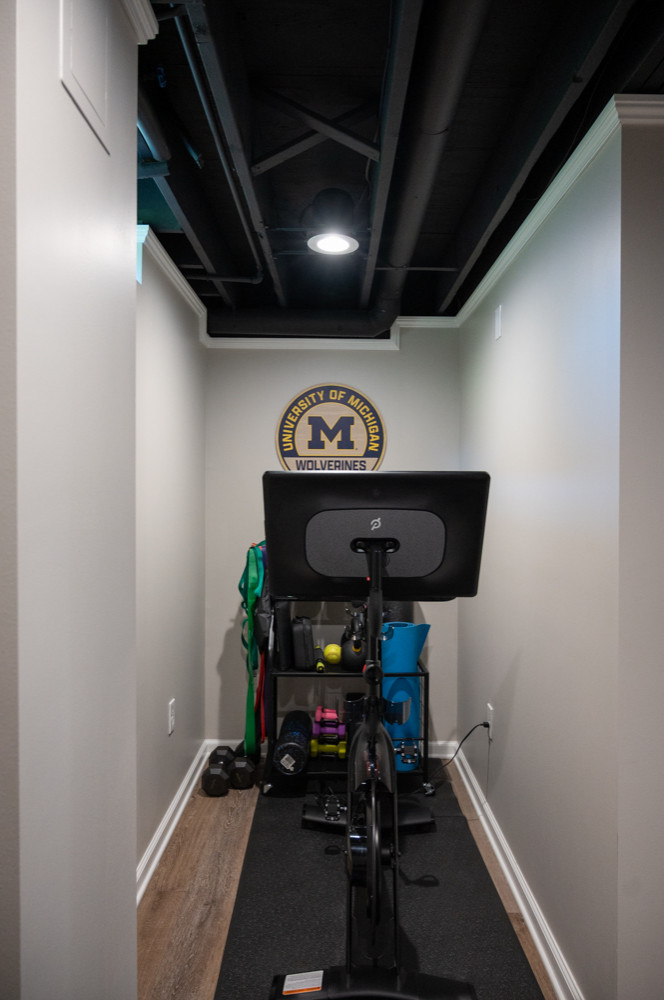
Credit: www.houzz.com
Benefits Of A Basement Gym
Setting up a gym in your unfinished basement offers more than just a place to work out. It transforms an underused area into a personal fitness hub tailored to your needs. The benefits extend beyond convenience, touching on space optimization, privacy, and financial savings.
Maximizing Unused Space
Unfinished basements often remain empty or cluttered with storage. Turning this area into a gym makes good use of that space without needing extra room in your home. You can customize the layout to fit your equipment and workout style.
Think about the freedom to design your workout zone exactly how you want it. Adding shelves for weights or hooks for resistance bands keeps everything organized and accessible. Have you noticed how a dedicated space helps keep your fitness routine consistent?
Privacy And Convenience
A basement gym offers privacy that public gyms can’t match. You won’t worry about waiting for machines or feeling self-conscious. This quiet, personal environment encourages longer and more frequent workouts.
Plus, it’s ready whenever you are—no travel time or gym hours to consider. Imagine finishing work and heading straight downstairs to exercise. How much more often could you work out if you eliminated all the barriers?
Cost-effective Fitness Solution
Building a gym in your basement saves money over gym memberships or renting workout spaces. You buy equipment once and use it for years. Over time, the initial investment pays off, especially if you commit to regular exercise.
Consider starting with essentials like dumbbells, a bench, and a yoga mat. You can always add more gear as you go. What’s stopping you from turning your basement into a budget-friendly fitness zone today?
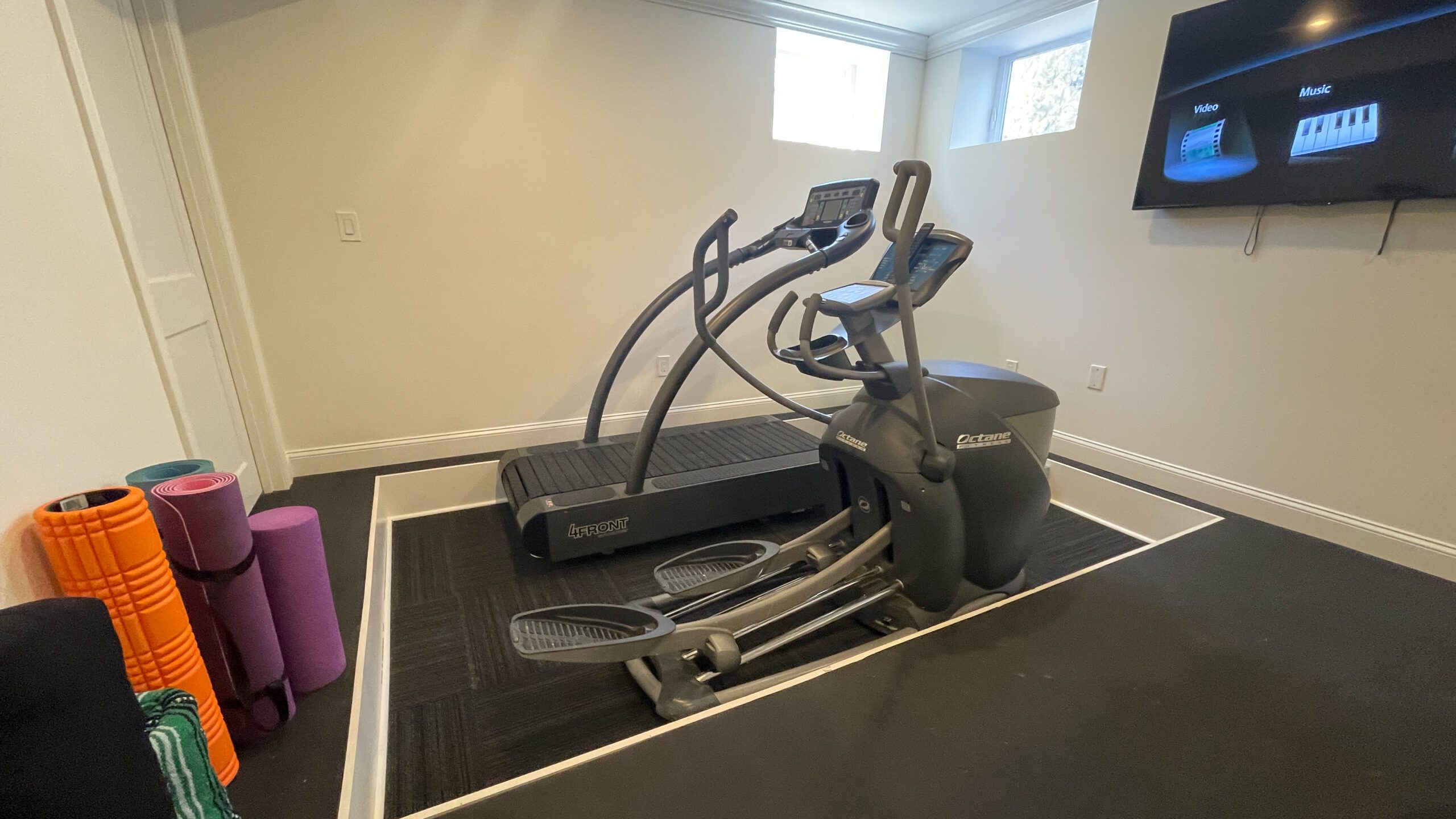
Credit: drycretewp.com
Preparing The Basement
Clear out clutter and check for moisture before setting up your gym space. Seal cracks and add proper lighting to create a safe, comfortable workout area.
Transforming an unfinished basement into a home gym is an exciting project. It allows you to customize your workout space to fit your needs and preferences. However, preparing the basement is crucial to ensure it is safe, comfortable, and conducive to exercise.Assessing The Space
Before diving into renovations, evaluate the available space. Measure the dimensions to understand what equipment will fit comfortably. Consider the ceiling height, especially if you plan to include tall equipment or activities like jumping. Think about how much room you’ll need for different workouts. A yoga mat requires less space than a full weight bench setup. Clear any clutter to visualize the area as your future gym.Addressing Moisture And Ventilation
Basements can be damp and poorly ventilated, which is not ideal for a gym. Check for any signs of moisture, like water stains or a musty smell. You might need to seal cracks or improve drainage around your home. Ventilation is key to maintaining air quality. Consider installing a dehumidifier or vent fan to keep the air fresh. Opening windows or using oscillating fans can also help during workouts.Insulation And Lighting Options
Proper insulation will keep your basement gym comfortable year-round. Insulate walls and ceilings to retain heat during winter and keep it cool in summer. It also helps with noise reduction, ensuring your workout doesn’t disturb the rest of the house. Lighting can dramatically impact your workout experience. Bright, natural-like lighting can energize you, while dim lights might leave you feeling sleepy. Consider installing LED overhead lights or adding floor lamps for adjustable brightness. Are there any specific features you envision for your basement gym?Designing Your Gym Layout
Designing your gym layout in an unfinished basement shapes your workout experience. A well-planned space feels inviting and motivates consistent exercise. Thoughtful design helps make the most of limited space and odd shapes. Clear zones and smart equipment placement create a smooth flow. Proper storage keeps the area neat and safe. This section guides you through creating a functional and enjoyable home gym layout.
Choosing Workout Zones
Divide your gym into specific workout zones. Each zone serves a different exercise type. Examples include:
- Cardio area for treadmills, bikes, or jump ropes
- Strength training zone with weights and machines
- Stretching and floor exercises space with mats
Separate zones reduce clutter and help focus. Plan enough room for movement in each area. Use rugs or mats to mark zones visually.
Equipment Placement Tips
Arrange equipment to allow easy access and safe use. Keep heavier machines near walls for stability. Leave space between items for comfortable movement. Position cardio machines near outlets for power needs. Face mirrors toward workout zones to check form. Avoid placing equipment too close to stairs or low ceilings.
Storage Solutions
Use vertical storage to save floor space. Wall-mounted racks hold weights, bands, and mats. Shelves keep smaller items organized and visible. Consider sturdy bins for loose accessories. Clear storage helps find gear quickly. Keep storage near workout zones for convenience. Label containers to maintain order over time.
Selecting Essential Equipment
Choosing the right equipment for your home gym in an unfinished basement can make all the difference in your workout experience. You want gear that fits the space, matches your fitness goals, and feels inviting every time you step down. Think about what motivates you most—is it running, lifting, or stretching? This will guide your selections and help you create a setup that you actually use.
Cardio Machines
Cardio machines are a staple for boosting heart health and burning calories. Consider compact options like a foldable treadmill or a stationary bike if your basement ceiling is low. Rowing machines offer a full-body workout and don’t take up much room.
Ask yourself: What type of cardio do you enjoy? Will you be doing short bursts or longer sessions? These answers help decide if a jump rope or an elliptical fits better.
Strength Training Gear
Strength training builds muscle and supports overall fitness. Dumbbells and adjustable kettlebells are versatile and don’t require much space. A sturdy bench and a power rack can expand your routine if you have enough room and ceiling height.
Don’t forget resistance bands—they’re budget-friendly and perfect for small spaces. What muscles do you want to focus on? This will help you pick between free weights, machines, or bands.
Accessories And Mats
Accessories like mats protect your floors and provide comfort during workouts. Choose thick, non-slip mats especially if your basement floor is concrete. Small items like jump ropes, foam rollers, and stability balls add variety and aid recovery.
Think about how you move in your space. Do you need extra cushioning for yoga or stretching? A well-chosen mat can make your workout safer and more enjoyable.
Flooring And Safety
Choosing the right flooring for your home gym in an unfinished basement is vital. It affects safety, comfort, and durability. The basement floor is often concrete, which is hard and cold. Proper flooring makes workouts safer and more enjoyable. Focus on materials that withstand heavy equipment and reduce injury risk.
Durable Flooring Materials
Rubber mats are popular for home gyms. They resist wear and tear and protect the floor from damage. Foam tiles offer comfort but may wear out faster under heavy weights. Vinyl flooring is water-resistant and easy to clean. Consider thickness and density for long-lasting use.
- Rubber: tough, slip-resistant, and shock-absorbing
- Foam: soft and comfortable but less durable
- Vinyl: water-resistant and simple to maintain
Shock Absorption And Noise Control
Basements often echo sounds, which can disturb others. Flooring with shock absorption helps reduce noise. Rubber and foam absorb impact from dropped weights and jumping exercises. This protects your joints and lowers noise levels. Choose materials with good cushioning to keep the space quiet and safe.
Safety Precautions
Keep the workout area clean and dry to prevent slips. Use non-slip mats or textured flooring to increase grip. Ensure the floor is even and free from cracks or holes. Proper lighting helps spot hazards easily. Store equipment safely to avoid tripping. Safety starts with a good floor and careful setup.
Adding Personal Touches
Adding personal touches to your home gym in an unfinished basement makes the space inviting. It helps you stay motivated and enjoy workouts more. Personal elements create a comfortable and inspiring atmosphere. These touches make the gym feel like your own special place.
Motivational Decor
Decorate walls with inspiring quotes and bright colors. Use posters of athletes or fitness icons you admire. Hang mirrors to check your form and make the space feel bigger. Place plants for a fresh and lively vibe. Small decorations can boost energy and focus.
Entertainment Options
Include a TV or tablet stand for workout videos and music. Use Bluetooth speakers for clear sound. Add a wall-mounted fan with a speaker for comfort and music. Entertainment helps pass time and keeps you engaged. It makes exercise sessions less tiring and more fun.
Temperature Control
Keep the basement gym cool with portable fans or a small air conditioner. Use a dehumidifier to reduce dampness and improve air quality. Install thick curtains or window insulation to keep warmth in winter. Comfortable temperature helps maintain energy and workout intensity.
Maintenance And Upkeep
Maintaining your home gym in an unfinished basement is key to keeping your workouts safe and effective. Regular upkeep prevents damage to your equipment and ensures the space remains inviting and functional. Here’s how to take care of your gym area with simple, practical steps.
Cleaning Tips
Dust and dirt can build up quickly in basements. Wipe down machines and mats after each use to stop grime from settling. Use a mild cleaner that won’t damage surfaces but kills germs effectively.
Don’t forget the floor—sweeping and mopping weekly keeps the area fresh. If your basement tends to get damp, a dehumidifier can reduce moisture and prevent mold growth. Would you want to exercise in a sticky, smelly room? Keeping it clean makes workouts more enjoyable.
Equipment Care
Check your gym gear regularly for wear and tear. Tighten bolts on machines and inspect cables or resistance bands for frays. Lubricate moving parts like treadmill belts or bike chains according to the manufacturer’s instructions.
Store smaller items like dumbbells and yoga mats in an organized way to avoid damage. I once ignored a loose bolt on my bench press, which almost caused an accident. Spotting small problems early saves you from costly repairs and keeps you safe.
Regular Space Checks
Basements can have hidden issues like leaks or cracks that affect your gym’s safety. Look over walls and ceilings often, especially after heavy rain. Check for signs of water damage or pest activity that could harm your equipment or health.
Ensure there’s enough lighting and ventilation to keep the space comfortable. Have you noticed any musty smells or dim corners? Addressing these early makes your gym more welcoming and helps you stick to your routine.

Credit: www.reddit.com
Frequently Asked Questions
How To Insulate An Unfinished Basement For A Home Gym?
Insulate walls using foam board or fiberglass batts to maintain temperature. Proper insulation prevents moisture and keeps your gym comfortable year-round.
What Flooring Is Best For A Basement Home Gym?
Use rubber or foam flooring for shock absorption and durability. These materials protect your floor and provide a safe, non-slip surface for workouts.
How To Control Humidity In An Unfinished Basement Gym?
Install a dehumidifier and improve ventilation to reduce moisture. Keeping humidity low prevents mold and protects your gym equipment from damage.
Can I Install Proper Lighting In A Basement Gym?
Yes, use bright LED lights to illuminate the space effectively. Layer lighting with overhead and task lights to create an inviting workout environment.
Conclusion
Creating a home gym in an unfinished basement saves space and money. It offers a private spot to exercise anytime. Basic equipment fits well in this area. With good lighting and ventilation, workouts stay safe and comfortable. You can customize the space to suit your needs.
Small changes make a big difference in motivation. Start with simple steps and build over time. A basement gym helps keep fitness goals on track. Enjoy the convenience and privacy at your own pace.







