
Are you ready to take control of your fitness and make the most out of every gym visit? Whether you’re a beginner or looking to improve your routine, this Gym Guide is made just for you.
Imagine stepping into the gym with confidence, knowing exactly what to do and how to do it right. This guide will help you unlock your full potential, avoid common mistakes, and see real results faster than you thought possible. Keep reading, and discover the simple steps that can transform your workouts and boost your energy every day.
Your best self is closer than you think.
Choosing The Right Gym
Choosing the right gym can shape your fitness journey more than you might expect. It’s not just about picking the closest or the cheapest option—it’s about finding a space that fits your lifestyle and motivates you to keep going. Let’s break down the key factors you should consider before signing up.
Location And Accessibility
How far are you willing to travel for your workouts? A gym close to home or work makes it easier to stick with your routine. If the gym is too far or hard to reach, you might skip sessions more often than you’d like.
Think about your daily schedule too. Are you a morning person who prefers an early workout? Check if the gym opens early enough. If evenings work better, confirm their closing times. Easy access can make a huge difference in your consistency.
Equipment And Facilities
Does the gym have the right equipment for your goals? Whether you want to lift weights, do cardio, or attend group classes, the gym should offer what you need. Outdated or broken machines can slow you down and kill motivation.
Look beyond the basics. Some gyms offer extras like swimming pools, saunas, or dedicated stretching areas. These can add value and make your workouts more enjoyable. What facilities would make your workout feel like less of a chore?
Membership Plans
Not all memberships are created equal. Some gyms lock you into long contracts, while others offer flexible monthly plans. Choose one that suits your commitment level.
Also, check for hidden fees such as initiation charges or cancellation penalties. Does the plan include access to all classes and facilities, or are some extras charged separately? Understanding the fine print helps you avoid surprises and get the best value.

Credit: www.fitsupplyhub.co.uk
Setting Clear Fitness Goals
Setting clear fitness goals is essential for anyone embarking on a gym journey. Without defined objectives, your workouts might feel aimless, and progress can stall. Clear goals serve as a roadmap, guiding you through your fitness adventure and helping you stay motivated.
Short-term Vs Long-term Goals
Understanding the difference between short-term and long-term goals is crucial. Short-term goals are your stepping stones, achievable within weeks or a few months. They keep you motivated by providing frequent wins.
Long-term goals, on the other hand, are your ultimate achievements, such as running a marathon or reaching a particular weight. These require sustained effort and patience. Balancing both types ensures continuous progress and keeps you engaged.
Tracking Progress
Tracking your progress is more than just logging numbers. It’s about celebrating small victories and learning from setbacks. Use a fitness app or a simple notebook to record your workouts and achievements.
Seeing tangible evidence of your hard work fuels motivation. Are you lifting heavier weights than last month? Maybe your endurance has improved? These insights can inspire you to push further.
Adjusting Goals Over Time
Your fitness journey isn’t static. As you evolve, so should your goals. Maybe you’ve surpassed a short-term goal quicker than expected, or a long-term goal needs re-evaluation due to lifestyle changes.
Regularly assess your goals and be flexible. Adjust them to match your current capabilities and aspirations. This adaptability ensures you remain challenged and engaged, preventing stagnation.
How often do you revisit your goals? Make it a habit to review them monthly or quarterly. This proactive approach keeps your fitness journey dynamic and rewarding.
Workout Planning
Planning your workout helps you reach fitness goals safely and effectively. A clear plan prevents overtraining and keeps motivation high. It balances different exercises and rest for steady progress.
Balancing Cardio And Strength
Both cardio and strength training improve fitness in different ways. Cardio boosts heart health and burns calories. Strength training builds muscle and strengthens bones.
Include both types in your workout plan. For example, alternate days or combine them in one session. This balance helps avoid injury and boredom.
Frequency And Duration
How often and how long you exercise matters. Aim for at least 3-5 workout sessions per week. Each session can last from 30 to 60 minutes.
Shorter, consistent workouts often work better than long, rare sessions. Adjust time based on your fitness level and goals.
Rest And Recovery
Rest days are as important as workout days. Muscles need time to repair and grow stronger. Without rest, you risk injury and fatigue.
Include at least 1-2 rest days weekly. Use these days for light activity like walking or stretching. Proper sleep also supports recovery.

Credit: www.freepik.com
Effective Exercise Techniques
Mastering effective exercise techniques can transform your gym sessions from routine to results-driven. Focusing on how you move, breathe, and avoid pitfalls will help you build strength, prevent injuries, and boost confidence. Let’s break down these essential components so you can make the most out of every workout.
Proper Form And Posture
Maintaining proper form is key to targeting the right muscles and avoiding injury. For example, when performing a squat, keep your chest up, knees aligned with your toes, and back straight. Have you ever noticed how slight changes in your stance can change which muscles you feel working?
It helps to use mirrors or record yourself to check your posture. Small corrections, like tightening your core or adjusting your foot placement, can make a big difference. Remember, quality beats quantity—better to do fewer reps correctly than many with poor form.
Breathing Methods
Breathing properly during exercise fuels your muscles and keeps you focused. Most people hold their breath during exertion, which can cause dizziness or fatigue. Instead, try exhaling during the hardest part of the movement and inhaling as you return to the starting position.
For example, when lifting weights, breathe out as you push or lift, and breathe in as you lower the weight. Have you noticed how controlled breathing can improve your endurance and power? Practice this rhythm until it becomes second nature.
Avoiding Common Mistakes
Even experienced gym-goers can slip into bad habits that limit progress. Common errors include rushing through exercises, neglecting warm-ups, and ignoring pain signals. Are you guilty of skipping warm-ups to save time?
Take time to warm up and cool down, listen to your body, and avoid jerky or uncontrolled movements. If something feels wrong, stop and reassess. Preventing injury is about paying attention to details that often go unnoticed.
Nutrition For Gym Success
Nutrition plays a key role in gym success. Eating the right foods fuels your body and aids recovery. Good nutrition helps improve strength, endurance, and muscle growth. It supports energy levels and keeps you focused during workouts. Understanding what to eat before and after exercise makes a big difference.
Pre-workout Meals
Eating before exercise prepares your body for effort. Choose foods that provide energy without causing discomfort. Focus on carbohydrates for quick fuel and a small amount of protein for muscle support.
- Oatmeal with banana
- Whole grain toast with peanut butter
- Greek yogurt with berries
- Fruit smoothie with protein powder
Avoid heavy or greasy foods. Eat at least 30 to 60 minutes before your workout. This timing helps digestion and prevents feeling sluggish.
Post-workout Nutrition
After exercise, your body needs nutrients to repair and grow muscles. Protein is important to rebuild muscle tissue. Carbohydrates help refill energy stores. Eating soon after workout improves recovery.
- Grilled chicken with rice and vegetables
- Protein shake with a banana
- Cottage cheese with fruit
- Eggs and whole grain bread
Try to eat within 30 to 45 minutes after training. This window is best for nutrient absorption.
Hydration Tips
Water supports every function in your body. Staying hydrated boosts energy and focus. Drink water before, during, and after workouts.
- Start your workout well hydrated
- Take small sips during exercise
- Replace fluids lost with water or sports drinks
- Watch urine color to monitor hydration
Dehydration can cause tiredness and reduce performance. Keep a water bottle nearby for easy access.
Motivation And Consistency
Staying motivated and consistent is key to gym success. Without these, progress slows or stops. Motivation pushes you to start, while consistency keeps you going. Together, they build habits that lead to results.
Creating A Routine
Set a fixed time for workouts. This makes exercise part of daily life. Plan sessions that fit your schedule and energy levels. Small, regular workouts work better than occasional long ones. Write down your plan and track progress. This keeps you focused and accountable.
Overcoming Plateaus
Plateaus are normal in any workout journey. They happen when your body adapts to exercises. Change your routine to challenge muscles differently. Try new exercises or increase weights gradually. Rest and proper nutrition also help break plateaus. Patience is important during these phases.
Finding Support And Community
Support boosts motivation and makes workouts enjoyable. Join gym classes or online fitness groups. Share goals and celebrate small wins with others. A workout buddy can encourage you on tough days. Being part of a community creates a sense of belonging and commitment.
Tracking And Measuring Results
Tracking and measuring your progress is essential to stay motivated and make meaningful gains in the gym. Without clear data, it’s easy to lose sight of how far you’ve come or what needs improvement. Knowing exactly what to track and how to use that information can turn your workouts from guesswork into a strategic plan for success.
Using Fitness Apps
Fitness apps make tracking your workouts and progress simple and efficient. They can log exercises, reps, sets, and even rest times automatically, so you focus more on training and less on remembering details.
Many apps also offer progress charts and reminders that keep you accountable. Have you ever noticed how seeing a graph of your strength gains pushes you to add just one more rep?
Body Measurements
Tracking body measurements like waist, chest, arms, and legs gives you a clearer picture of your physical changes beyond what the scale shows. Measuring monthly helps you see muscle growth or fat loss, which might not be obvious day-to-day.
Use a flexible tape measure and record your numbers in a notebook or app. This simple habit can reveal progress that motivates you to keep going, especially when the mirror feels confusing.
Adjusting Workouts Based On Data
Your workout plan should evolve based on the data you collect. If your strength plateaus or measurements stagnate, it might be time to increase weight, change exercises, or adjust volume.
Look at your tracked data regularly and ask yourself: Is this workout still challenging me? Am I progressing toward my goals? Small tweaks based on real numbers can prevent frustration and keep your routine effective.
Safety And Injury Prevention
Safety and injury prevention are crucial elements to keep in mind during any gym session. Ignoring these can lead to setbacks, pain, and frustration that could have been avoided. Paying attention to your body and following smart practices helps you stay consistent and reach your fitness goals without unnecessary interruptions.
Warm-up And Cool-down
Starting your workout with a warm-up prepares your muscles and joints for the activity ahead. Simple movements like light jogging or dynamic stretches increase blood flow and reduce stiffness.
After your workout, a proper cool-down helps your body gradually return to its resting state. Stretching or slow walking can prevent muscle soreness and stiffness the next day. Have you noticed how skipping this step affects your recovery?
Listening To Your Body
Your body sends signals that you shouldn’t ignore. Sharp pain, unusual discomfort, or excessive fatigue are signs that you need to pause or adjust your routine.
It’s common to push through mild discomfort, but distinguishing it from real pain is key. Asking yourself, “Is this feeling normal or a warning?” can protect you from injury.
Remember when you ignored that nagging pain and it turned into a week off the gym? Learning to respect your limits can save you time and frustration.
When To Seek Professional Help
Sometimes, an injury or persistent pain needs more than rest. If pain doesn’t improve after a few days or worsens, it’s time to consult a healthcare professional.
Physical therapists and trainers can provide personalized guidance to correct form and prevent future problems. Don’t hesitate to ask for help—it’s a smart investment in your health and progress.
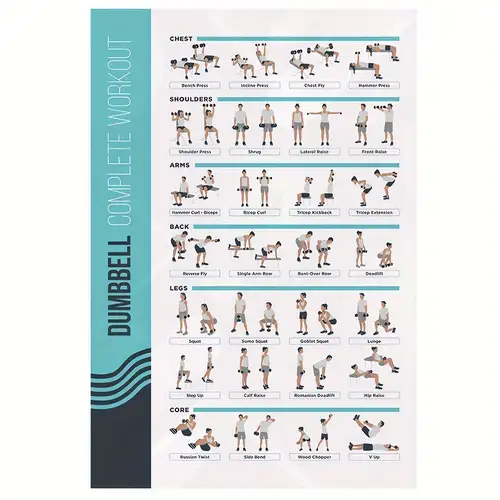
Credit: www.temu.com
Frequently Asked Questions
What Is The Best Workout Routine For Beginners?
A beginner should start with full-body workouts three times a week. Focus on basic exercises like squats, push-ups, and rows. Gradually increase weight and intensity. Consistency and proper form are key for progress and injury prevention.
How Often Should I Go To The Gym Weekly?
Aim for 3 to 5 gym sessions per week. This frequency balances muscle recovery and progress. Beginners may start with fewer days, increasing gradually. Consistency ensures better results and habit formation.
What Should I Eat Before A Gym Session?
Eat a light meal with carbs and protein 30-60 minutes before. Examples include a banana with peanut butter or yogurt with fruit. This fuels your workout and helps maintain energy levels.
How Can I Avoid Injuries At The Gym?
Warm up properly before exercise with light cardio and stretching. Use correct form and start with manageable weights. Gradually increase intensity and listen to your body to prevent strain or injury.
Conclusion
Staying consistent helps you see real progress at the gym. Choose exercises that suit your goals and enjoy the process. Rest and good nutrition support your fitness journey. Track your workouts to stay motivated and focused. Remember, everyone starts somewhere—patience is key.
Keep moving forward, one step at a time. Your effort today builds a stronger tomorrow.







