
Are you ready to take your workouts to the next level? Having the right gym exercise equipment can make all the difference in reaching your fitness goals faster and more effectively.
Whether you’re setting up a home gym or just want to know what tools to look for at your local gym, this complete gym exercise equipment list will guide you. You’ll discover which machines and gear target specific muscles, boost your strength, and keep your workouts fresh and exciting.
Keep reading to find out exactly what you need to power up your fitness routine and get the results you want.

Credit: www.yanrefitness.com
Essential Strength Equipment
Building a solid strength training routine starts with having the right equipment. Essential strength equipment helps you target different muscle groups effectively and safely. Whether you prefer lifting heavy or using your own bodyweight, the right tools can make all the difference in your progress.
Free Weights
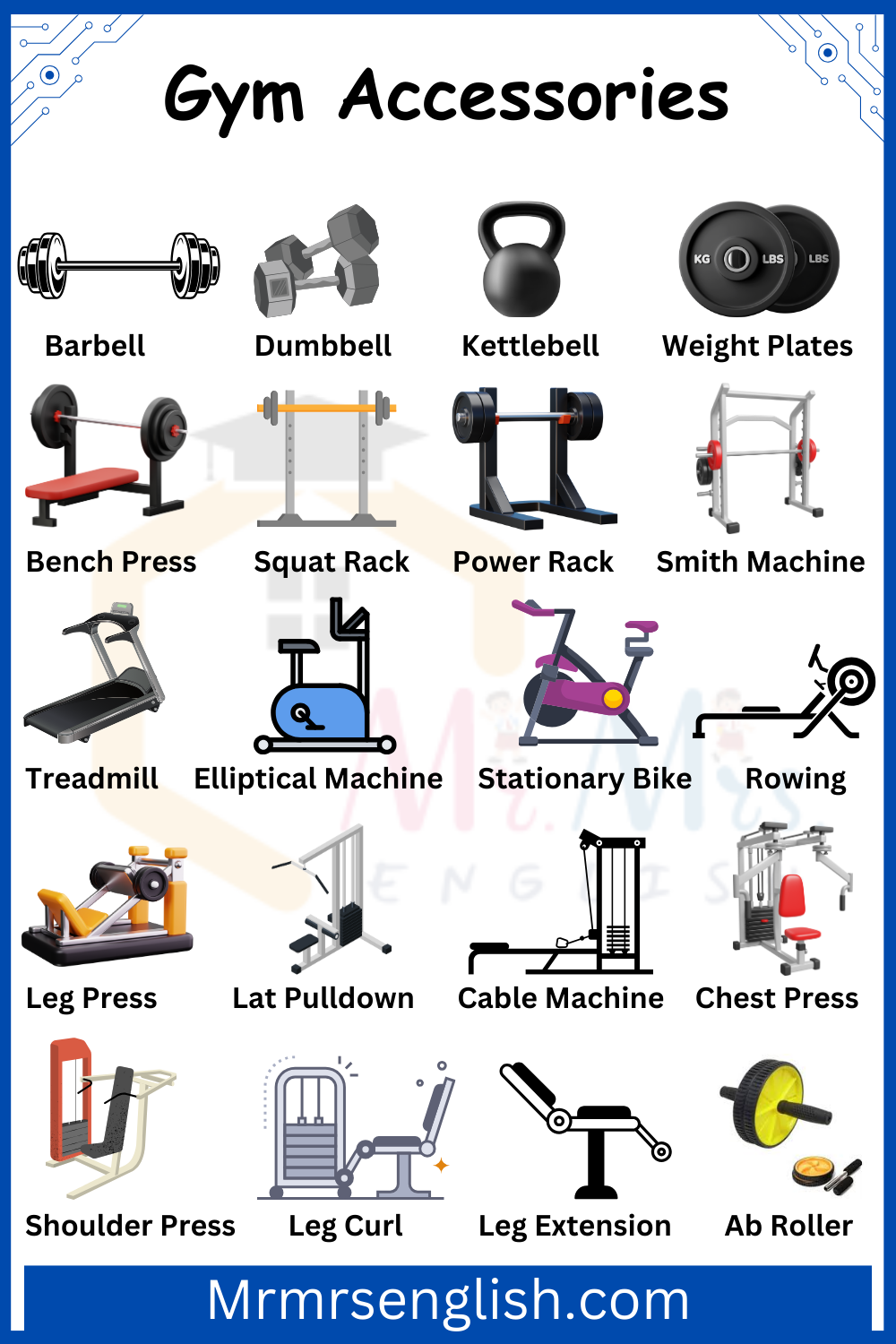
Free weights like dumbbells, barbells, and kettlebells are versatile and effective. They engage multiple muscles at once and improve balance because you control the movement completely.
Using free weights can feel challenging at first, but it’s worth it. Have you noticed how even simple exercises like bicep curls feel different when you switch from machines to free weights? It’s because free weights require more stabilization, activating more muscles.
- Dumbbells: Great for unilateral exercises to fix muscle imbalances.
- Barbells: Ideal for heavy compound lifts like squats and deadlifts.
- Kettlebells: Perfect for dynamic movements that build strength and cardio.
Resistance Machines
Resistance machines guide your movement and are perfect for beginners or for isolating specific muscles. They help maintain proper form and reduce the risk of injury.
Machines like leg presses, chest presses, and lat pulldown stations are staples in many gyms. Have you ever felt stuck on a lift? Machines can help you build the strength you need before moving to free weights.
- Leg Press Machine: Targets quads, hamstrings, and glutes safely.
- Chest Press Machine: Focuses on chest muscles without needing a spotter.
- Lat Pulldown Machine: Strengthens your back and helps with pull-up progress.
Bodyweight Tools
Bodyweight tools such as pull-up bars, dip stations, and suspension trainers let you use your own weight for resistance. They are excellent for functional strength and flexibility.
If you think bodyweight exercises are easy, try adding a suspension trainer to your routine. You’ll quickly find that your core and stabilizer muscles get a serious workout.
- Pull-up Bar: Builds upper body and grip strength.
- Dip Station: Targets triceps, shoulders, and chest with minimal equipment.
- Suspension Trainer: Adds variety and challenges your balance and control.
Top Free Weights For Strength
Free weights are essential for building strength. They offer versatility and efficiency. These tools enhance muscle growth and improve balance. They also help in boosting endurance. Let’s explore some popular free weights.
Dumbbells
Dumbbells are versatile and easy to use. They fit any workout routine. You can adjust the weight as needed. Dumbbells help in targeting specific muscle groups. They are great for both beginners and pros. Use them for bicep curls, shoulder presses, and more.
Barbells
Barbells are ideal for heavy lifting. They help in building major muscle groups. Barbells enhance strength and muscle mass. They are perfect for squats and deadlifts. They also improve coordination and stability. Remember to use proper form for safety.
Kettlebells
Kettlebells offer dynamic and full-body workouts. They improve strength and flexibility. Kettlebells are excellent for swings and snatches. They also enhance grip strength. These weights are suitable for high-intensity workouts. They add variety to your exercise routine.
Key Resistance Machines
Resistance machines are essential for strength training in any gym. They provide controlled movements that target specific muscles. These machines help build muscle safely and effectively. They suit beginners and experienced users alike.
Key resistance machines focus on major muscle groups. They improve muscle tone and increase strength. Using them regularly enhances overall fitness and body balance.
Leg Press Machine
The leg press machine strengthens the lower body. It targets the quadriceps, hamstrings, and glutes. You sit and push a platform with your feet. This machine reduces stress on the knees and back. It is perfect for building leg power and endurance.
Lat Pulldown Machine
The lat pulldown machine works the upper back and shoulders. It mainly targets the latissimus dorsi muscles. You pull a bar down towards your chest. This exercise improves posture and upper body strength. The machine is easy to adjust for different skill levels.
Chest Press Machine
The chest press machine focuses on the chest, shoulders, and triceps. It mimics the motion of a push-up or bench press. You push handles forward while seated. This machine supports proper form and reduces injury risk. It helps build upper body strength and muscle tone.
Bodyweight Equipment Options
Bodyweight equipment offers a simple yet powerful way to boost your workouts without needing bulky machines. These tools focus on using your own body weight for resistance, helping you build strength, balance, and coordination. Adding the right bodyweight equipment can transform your routine and keep your sessions fresh and challenging.
Pull-up Bars
Pull-up bars are a staple for upper body strength. You can install one at home or find them at your local park, making them incredibly accessible. Pull-ups target your back, shoulders, and arms, offering a full upper body workout that’s hard to beat.
Have you tried different grips on a pull-up bar? Switching between wide, narrow, or neutral grips changes the muscles you work and keeps your progress steady. Pull-up bars also allow you to add leg raises or hanging twists to engage your core.
Dip Stations
Dip stations help you build powerful triceps, chest, and shoulder muscles. Unlike push-ups, dips use your body weight in a vertical plane, increasing the load on your upper body. You don’t need much space, and they’re great for progressing from beginner to advanced levels.
Adding dips to your routine can break plateaus in your pressing strength. If you find dips too challenging at first, try assisted dips with resistance bands or a partner. This equipment pushes your muscles in new ways and complements other bodyweight exercises well.
Gymnastic Rings
Gymnastic rings take bodyweight training to another level by adding instability and requiring more control. They engage your stabilizer muscles, improving joint health and functional strength. Rings are highly portable, so you can use them indoors or outdoors with ease.
Working out on rings can be tough initially, but the results are worth it. Exercises like ring rows, push-ups, and muscle-ups develop strength and coordination simultaneously. Have you experimented with rings to challenge your balance and muscle control?
Accessories To Boost Performance
Adding the right accessories to your gym routine can make a noticeable difference in your performance and safety. These tools support your body during intense lifts and help you push through plateaus. Have you ever felt your grip failing just when you were about to hit a new personal best? Accessories like weight belts, wrist wraps, and lifting straps can give you that extra edge.
Weight Belts
Weight belts stabilize your lower back and core during heavy lifts like squats and deadlifts. They increase intra-abdominal pressure, which helps protect your spine from injury. If you struggle with back tightness or want to lift heavier weights safely, a well-fitted belt can be a game changer.
Remember, it’s not about wearing the belt all the time but using it strategically when you’re pushing your limits. Have you tried timing your belt usage to maximize support without becoming reliant on it?
Wrist Wraps
Wrist wraps provide extra support for your wrists during pressing and overhead movements. They reduce strain and help maintain proper wrist alignment, especially during exercises like bench presses or overhead presses. If you’ve ever felt wrist pain or weakness in these lifts, wrist wraps can help you keep pushing without discomfort.
Look for wraps with adjustable tightness so you can customize the support based on your workout. How often do you pay attention to wrist stability in your training?
Lifting Straps
Lifting straps improve your grip strength by securing the bar to your hands. They are especially useful for deadlifts, rows, and pull-ups where grip can limit your performance. If your hands give out before your muscles do, straps can help you lift heavier and complete more reps.
It’s important to use straps wisely, so you don’t neglect grip training altogether. Have you balanced using straps with exercises that build natural grip strength?
Choosing Equipment For Your Goals
Choosing the right gym equipment is crucial to hitting your fitness targets efficiently. Your goals shape the type of gear you should focus on, whether it’s bulking up, boosting stamina, or increasing explosive strength. Understanding how equipment aligns with your objectives helps you avoid wasted time and maximizes every workout session.
Building Muscle Mass
If your goal is to build muscle, focus on equipment that allows for progressive overload—adding more weight as you get stronger. Free weights like dumbbells and barbells are excellent because they engage multiple muscle groups and improve stability.
Machines can also help isolate specific muscles, making them useful for targeting weak points. Have you noticed how using a squat rack with a barbell feels different from leg presses? That’s because free weights challenge your body to balance and coordinate, which is key for muscle growth.
Improving Endurance
For endurance, cardio equipment should be your priority. Treadmills, stationary bikes, and rowing machines let you sustain activity over longer periods, improving your heart and lung capacity.
Don’t overlook interval training tools like battle ropes or jump ropes—they add variety and spike intensity without requiring heavy weights. Have you tried mixing steady-state cardio with short bursts of high intensity? That combination trains your endurance muscles in a well-rounded way.
Enhancing Power
Power demands fast, explosive movements, so equipment that supports speed and force is essential. Plyometric boxes, kettlebells, and medicine balls are great for developing this type of strength.
Olympic lifting bars and bumper plates are also ideal for power training because they allow you to perform dynamic lifts safely. Think about how a quick kettlebell swing feels versus a slow, heavy lift—power comes from speed as much as strength.
Safety Tips For Using Gym Equipment
Using gym equipment safely is key to a good workout. It helps avoid injuries and makes exercise more effective. Following safety tips protects your body and builds confidence. Always focus on control and awareness during your routine.
Proper Form
Proper form prevents muscle strain and joint damage. Keep your back straight and core tight. Move slowly and avoid jerky motions. Use mirrors or ask for help to check your posture. Good form ensures the right muscles work hard.
Warm-up Routines
Warm-ups prepare your body for exercise. Start with light cardio, like walking or jogging. Follow with gentle stretching of key muscles. Warm muscles reduce the risk of tears and cramps. Spend at least 5 to 10 minutes warming up before lifting weights.
Spotting Techniques
Spotting helps you lift safely with heavy weights. A spotter supports the bar or dumbbells if you struggle. Communicate clearly with your spotter before starting. Use a spotter for exercises like bench press or squats. Proper spotting reduces accidents and builds trust.

Credit: www.palizseed.com
Maintaining And Cleaning Equipment
Maintaining and cleaning gym equipment is essential for safety and hygiene. Clean machines help prevent infections and keep users healthy. Regular care also ensures equipment works smoothly and lasts longer.
Daily Maintenance
Wipe down machines after each use to remove sweat and dirt. Check cables, bolts, and moving parts for wear or damage. Keep machines dry to avoid rust and corrosion. Replace or repair broken parts immediately to prevent accidents.
Sanitizing Tips
- Use disinfectant sprays or wipes suitable for gym equipment.
- Focus on handles, seats, and touchscreens where germs collect.
- Allow surfaces to air dry after cleaning for full disinfection.
- Encourage users to bring their own towels to reduce direct contact.
Equipment Longevity
Lubricate moving parts regularly to reduce friction and wear. Store equipment in a dry, cool area to prevent damage. Follow manufacturer guidelines for maintenance and cleaning. Schedule professional inspections to catch issues early and extend equipment life.
Credit: mrmrsenglish.com
Frequently Asked Questions
What Are Essential Gym Exercise Equipment For Beginners?
Essential gym equipment for beginners includes dumbbells, resistance bands, a yoga mat, and a stability ball. These tools support strength, flexibility, and balance training. Starting with basic equipment helps build a strong fitness foundation safely and effectively.
How Does Gym Equipment Improve Workout Efficiency?
Gym equipment targets specific muscle groups and provides resistance for better strength gains. It helps maintain proper form and increases workout variety. This leads to faster results and reduces injury risk, making workouts more efficient and enjoyable.
Which Gym Machines Are Best For Weight Loss?
Treadmills, stationary bikes, and rowing machines are excellent for weight loss. They offer cardio workouts that burn calories and improve heart health. Combining these machines with strength training equipment enhances fat loss and muscle toning effectively.
What Safety Tips Should I Follow Using Gym Equipment?
Always warm up before using equipment and start with light weights. Use proper form and avoid overexertion. Clean machines after use and ask staff for guidance if unsure. These practices prevent injuries and ensure a safe workout environment.
Conclusion
Choosing the right gym equipment helps you stay active and fit. Basic tools like dumbbells, mats, and resistance bands suit most workouts. Focus on what fits your space and goals. Consistency matters more than fancy machines. Start small, build up slowly, and enjoy your progress.
Keep your routine simple and fun to stay motivated. Exercise equipment supports your health journey every step of the way.







