
Starting your fitness journey can feel overwhelming, especially when you step into a gym filled with unfamiliar machines and experienced people. But what if you had a simple guide to beginner exercises that would help you build confidence and see real progress?
This article is designed just for you. You’ll discover easy-to-follow workouts that target all the right muscles without risking injury. By the end, you’ll feel ready and motivated to make the most of your gym time. Keep reading to unlock the secrets to effective beginner exercises that will set you up for success.

Credit: www.runnersworld.com
Benefits Of Beginner Exercises
Starting exercise at the gym offers many benefits that improve health and confidence. Beginner exercises build a strong foundation for future workouts. They help the body adapt to new movements and reduce injury risk.
These exercises improve muscle strength and boost energy. They also enhance mood by releasing feel-good hormones. Regular beginner workouts create healthy habits that last a lifetime.
Improved Physical Health
Beginner exercises increase heart rate safely. This strengthens the heart and lungs. Muscles grow stronger with consistent practice. Joints become more flexible and less prone to pain. Overall stamina improves, making daily tasks easier.
Better Mental Well-being
Exercise reduces stress and anxiety naturally. It helps clear the mind and improve focus. Sleeping patterns often get better with regular movement. Confidence grows as strength and skills develop. Feeling healthier boosts mood and motivation.
Increased Energy Levels
Working out helps the body use oxygen better. This leads to more energy throughout the day. Fatigue decreases as fitness improves. Regular exercise makes the body more efficient. Tasks feel less tiring and more manageable.
Safe Introduction To Fitness
Beginner exercises teach proper form and technique. This lowers the chance of injury during workouts. They allow gradual progress at a comfortable pace. Learning basics builds confidence for harder exercises. The risk of burnout is reduced with gentle starts.
Setting Realistic Fitness Goals
Setting realistic fitness goals is the first key to success in the gym. Clear goals give you focus and motivation. They help track your progress and keep you from feeling overwhelmed.
Many beginners set goals that are too hard or vague. This can cause frustration and loss of interest. Realistic goals match your current fitness level and lifestyle. They push you gently, not too fast or too slow.
Understanding Your Starting Point
Know your current fitness level before setting goals. Check your strength, endurance, and flexibility. Note any health issues or injuries. This helps create safe and effective goals.
Setting Specific And Measurable Goals
Clear goals are easier to reach. Instead of “get fit,” try “walk 30 minutes, five times a week.” Use numbers and time limits. This shows real progress and keeps you motivated.
Breaking Goals Into Small Steps
Big goals can feel scary. Divide them into smaller, easy steps. Celebrate each small win. Small steps build confidence and keep you moving forward.
Adjusting Goals As You Progress
Your fitness changes over time. Review your goals regularly. Make them harder or easier based on progress. Flexibility prevents burnout and keeps workouts fun.
Essential Warm-up Routines
Starting your gym workout without warming up can lead to injuries and poor performance. Essential warm-up routines prepare your body for exercise by increasing blood flow and loosening your muscles. These routines also help you focus mentally, making your workout more effective.
Dynamic Stretching To Activate Muscles
Dynamic stretches involve movement and help activate the muscles you’ll use during your workout. Simple exercises like leg swings, arm circles, and walking lunges get your joints moving and muscles ready. Have you noticed how your body feels more responsive after just a few minutes of these stretches?
Light Cardio To Boost Heart Rate
Starting with light cardio, such as brisk walking or slow jogging, raises your heart rate gently. This gradual increase helps your cardiovascular system adapt to the upcoming exertion. It also helps reduce stiffness, making your exercises smoother and safer.
Joint Mobility Exercises For Flexibility
Focusing on joint mobility can prevent stiffness and improve your range of motion. Try gentle circular motions for your wrists, ankles, and hips. These small movements may seem minor, but they play a big role in preventing discomfort during your workout.
How To Customize Your Warm-up
Think about the exercises you’ll do in your session. If you plan to lift weights, include warm-ups that mimic those movements but with less intensity. This targeted approach primes the exact muscles and joints you’ll use, making your workout feel smoother and more controlled.
Core Strengthening Workouts
Core strengthening workouts build a strong center for the body. A strong core supports all movements and improves balance. Beginners benefit from simple, effective exercises that target the abdominal and back muscles. These workouts reduce injury risk and enhance overall fitness.
Plank Variations
Planks are excellent for engaging the entire core. Start with the basic forearm plank, holding the body in a straight line. Keep your elbows under shoulders and tighten your abs.
Try side planks to target the oblique muscles. Lie on one side, supporting your body with one forearm. Hold your hips off the ground and keep the body straight.
For a challenge, lift one leg or arm while holding the plank. These variations increase stability and strength.
Russian Twists
Russian twists work the obliques and improve rotational strength. Sit on the floor with knees bent and feet slightly raised. Lean back slightly, keeping the spine straight.
Twist the torso from side to side, touching the floor next to your hips. Keep the movement controlled and slow to engage the muscles properly.
Hold a light weight or medicine ball to increase resistance as strength improves.
Upper Body Exercises
Upper body exercises build strength in your chest, shoulders, arms, and back. They improve posture and help daily activities like lifting and pushing. Beginners can start with simple moves that use body weight or light weights. Consistency and proper form are key to avoid injury and see progress.
Push-ups And Modifications
Push-ups work the chest, shoulders, and triceps using your body weight. Start in a plank position with hands under shoulders. Lower your body until your chest nearly touches the floor. Push back up to the start position. Keep your body straight and core tight.
Modifications make push-ups easier:
- Wall Push-Ups: Stand and push against a wall.
- Knee Push-Ups: Keep knees on the floor for support.
- Incline Push-Ups: Place hands on a bench or sturdy surface.
These versions reduce difficulty but still build strength.
Dumbbell Shoulder Press
The dumbbell shoulder press strengthens your shoulders and upper arms. Sit or stand with a dumbbell in each hand at shoulder height. Press the weights upward until your arms are straight. Lower the dumbbells back to shoulder height slowly.
Keep your back straight and avoid arching. Use light weights at first to learn the movement. This exercise improves shoulder stability and helps with lifting tasks.
Lower Body Workouts
Lower body workouts are essential for building strength, improving balance, and boosting overall fitness. Focusing on your legs and glutes can help you move more efficiently and prevent injuries. Starting with simple exercises can set a strong foundation for your gym routine.
Squats And Lunges
Squats and lunges are two of the best exercises to target your thighs, hips, and glutes. You can do them anywhere, no equipment needed, which makes them perfect for beginners. Try to keep your back straight and knees aligned with your toes to avoid strain.
When I first started, I noticed my legs got tired quickly, but consistent practice helped me improve my form and endurance. Squats build strength in multiple muscle groups at once, while lunges challenge your balance and coordination.
- Start with bodyweight squats, aiming for 10-15 reps.
- For lunges, step forward and lower your body until both knees are bent at 90 degrees.
- Switch legs and repeat for 10 reps each side.
Have you paid attention to how your body feels during these movements? Small adjustments can make a big difference in effectiveness and safety.
Leg Press Machine
The leg press machine is a great option for beginners who want controlled resistance. It supports your back and lets you focus solely on pushing with your legs. This machine helps you build strength without worrying about balance or coordination at first.
Start with light weights to understand the motion and avoid overloading your muscles. Gradually increase the weight as you get more comfortable and stronger.
- Adjust the seat so your knees form about a 90-degree angle when starting.
- Press the platform away using your heels, then slowly return to the starting position.
- Complete 10-12 reps for 2-3 sets.
What weight feels challenging yet manageable for you? Listening to your body helps prevent injury and keeps progress steady.
Cardio For Beginners
Starting cardio workouts can feel overwhelming if you’re new to the gym. But simple exercises like treadmill walking and stationary bike routines offer a gentle introduction. These activities build your stamina and help you get comfortable with regular movement.
Treadmill Walking
Walking on a treadmill is one of the easiest ways to begin cardio training. You control the speed, making it simple to start slow and gradually increase your pace.
Try this approach:
- Begin with a 5-minute warm-up at a slow pace (2-3 mph).
- Increase your speed to a brisk walk for 10 minutes.
- Cool down by slowing back to your warm-up speed for 5 minutes.
Did you know that even a 15-minute walk can boost your mood and energy levels? When you focus on your breathing and posture, you engage muscles more effectively. This can make your workout feel easier and more rewarding.
Stationary Bike Routines
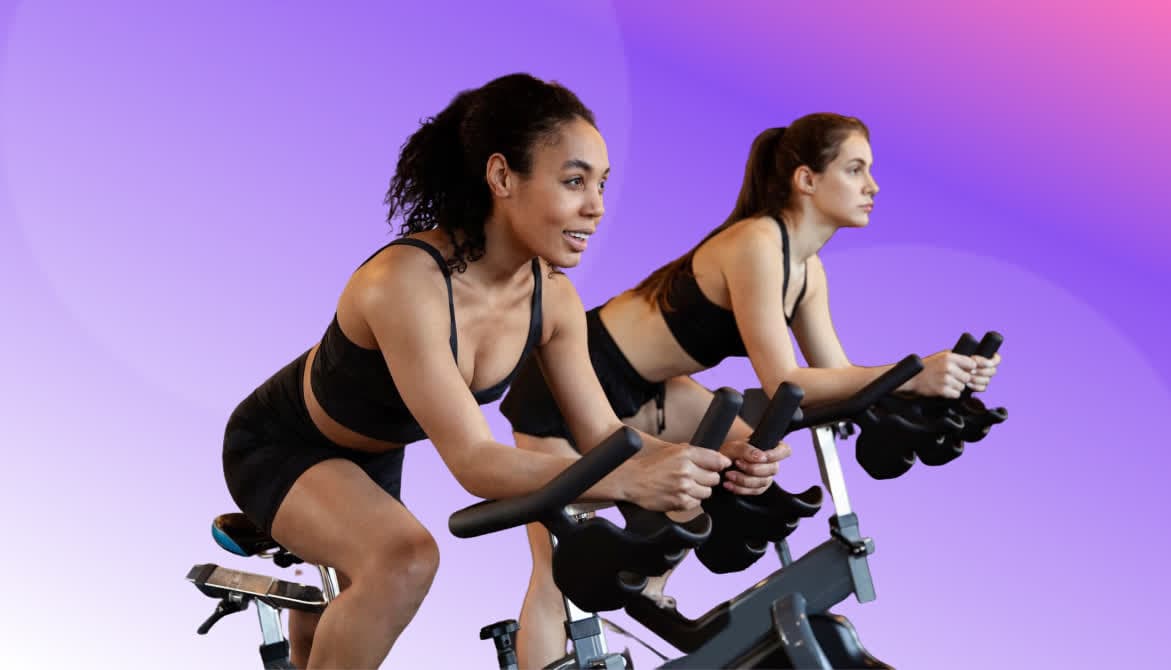
The stationary bike is a low-impact exercise option that suits beginners well. It’s gentle on your joints while still offering a solid cardio workout.
Start with a simple routine like this:
- Pedal at a comfortable pace for 3 minutes to warm up.
- Increase resistance slightly and pedal faster for 2 minutes.
- Return to the easy pace for 3 minutes to recover.
- Repeat the faster pedaling and recovery 2-3 times.
Pay attention to how your legs feel. If you experience discomfort, reduce the resistance or speed. Have you noticed how adjusting small details can change your workout experience?
Cooling Down Techniques
Cooling down is a crucial part of your workout routine that many beginners overlook. It helps your body transition from intense activity to rest, reducing muscle soreness and preventing injuries. Taking a few minutes to cool down can make your next gym session more comfortable and effective.
Stretching To Relax Your Muscles
After your workout, spend time stretching the major muscle groups you worked on. Focus on gentle, slow stretches that hold for about 20-30 seconds each. Stretching helps improve flexibility and eases muscle tension.
Try stretches like hamstring reaches, calf stretches, and shoulder rolls. These simple moves can make a big difference in how your body feels post-exercise.
Deep Breathing For Recovery
Deep breathing slows your heart rate and calms your nervous system. Take slow, deep breaths in through your nose and out through your mouth. This technique helps lower stress hormones and promotes relaxation.
I once ignored deep breathing after workouts and felt jittery and sore. Adding just a few minutes of mindful breathing made recovery smoother and workouts more enjoyable for me.
Light Cardio To Gradually Lower Heart Rate
Instead of stopping suddenly, walk or cycle slowly for 5-10 minutes after your main exercise. This keeps your blood flowing and prevents dizziness or stiffness. It’s a simple way to let your heart rate come down steadily.
Think about how you feel if you sprint and then stop abruptly—your body needs a gentler landing. Cooling down with light cardio helps you avoid that uncomfortable crash.
Tracking Progress And Staying Motivated
Tracking progress and staying motivated are key to success in the gym. Beginners often feel lost without clear signs of improvement. Watching small gains build up over time keeps the workout routine exciting. Motivation can fade, but visible progress brings energy back. Setting simple goals and checking results helps maintain focus and drive.
How To Track Your Gym Progress
Start with a workout journal or an app. Write down exercises, weights, and reps each session. Note your feelings and energy levels too. Take photos weekly to see body changes. Measure body parts for size changes. Record time spent on cardio. These details show improvements beyond the scale.
Setting Realistic And Clear Goals
Goals should be simple and clear. Choose targets like “lift 10 pounds more” or “run 5 minutes longer.” Avoid big leaps; small steps build confidence. Make goals time-based, such as weekly or monthly. Celebrate small wins to boost motivation. Goals guide your workouts and show you are moving forward.
Tips To Stay Motivated At The Gym
- Find a workout buddy to keep you accountable.
- Mix exercises to avoid boredom.
- Reward yourself after reaching goals.
- Listen to music that energizes you.
- Remember why you started your fitness journey.

Credit: www.kreedon.com
Credit: www.jefit.com
Frequently Asked Questions
What Are The Best Beginner Exercises For Gym?
Start with bodyweight exercises like squats, push-ups, and planks. Add light weights gradually. Focus on form and consistency.
How Often Should Beginners Work Out At The Gym?
Aim for 3 to 4 times per week. Allow rest days for muscle recovery and prevent injury.
What Equipment Is Ideal For Beginner Gym Workouts?
Use machines, resistance bands, dumbbells, and mats. These tools help with controlled, safe movements.
How Can Beginners Avoid Gym Injuries?
Warm up before workouts and stretch after. Use proper form and start with lighter weights to prevent strain.
Conclusion
Starting with beginner exercises builds a strong gym foundation. Keep your movements slow and steady to avoid injury. Focus on form rather than heavy weights at first. Consistency matters more than intensity in the beginning. Celebrate small progress to stay motivated every day.
Remember, patience helps your body grow stronger safely. Enjoy the journey, and make exercise a habit. With time, you will see real improvements. Stay positive and keep pushing forward step by step. Your fitness path starts now—keep moving!







