
Do you want a stronger, pain-free back that supports everything you do? Back gym exercises are the secret to building that strength and staying injury-free.
Whether you spend hours sitting or love staying active, your back needs the right moves to stay healthy. You’ll discover simple yet powerful exercises that fit into your routine easily. Keep reading, and your back will thank you with better posture, less pain, and more energy every day.
Benefits Of Back Gym Exercises
Back gym exercises offer more than just muscle building. They play a crucial role in improving your overall health and daily comfort. By focusing on these exercises, you can experience lasting benefits that impact your posture, pain levels, and core strength.
Improved Posture
Spending hours sitting or staring at screens can mess up your posture. Back gym exercises help strengthen the muscles that support your spine, making it easier to stand tall and sit properly. Have you noticed how much more confident you feel when your posture is straight?
Stronger back muscles pull your shoulders back naturally, reducing that slouching tendency. This not only looks better but also helps your body function more efficiently throughout the day.
Pain Relief And Prevention
Back pain is a common complaint for many people. Regular back exercises target the muscles around your spine, which can reduce existing pain and prevent future discomfort. You don’t need to live with that nagging ache.
Think about how many times you’ve ignored a small twinge, only to have it grow worse later. Strengthening your back muscles can stop that cycle by providing better support and stability.
Enhanced Core Stability
Your back is a key part of your core, which includes your abs and hips. When your back muscles are strong, your entire core works better. This improves balance and reduces the risk of injury during everyday activities or workouts.
Have you ever felt off-balance or wobbly? Back gym exercises can help fix that by building a solid foundation. You’ll notice activities like lifting, twisting, or even walking become smoother and safer.
Key Muscles Targeted
Understanding which muscles you target during back gym exercises can change how you approach your workouts. Knowing the key muscles helps you focus on the right movements and avoid injury. Let’s break down the main muscle groups that benefit the most from back exercises.
Lower Back Muscles
The lower back muscles, including the erector spinae, are crucial for maintaining good posture and supporting your spine. Strengthening these muscles can reduce lower back pain and improve your overall stability.
If you’ve ever felt tightness or discomfort after sitting all day, targeting these muscles can offer relief. Exercises like back extensions and deadlifts directly engage this area to build resilience.
Upper Back And Shoulders
The upper back muscles, such as the trapezius and rhomboids, along with the rear deltoids in your shoulders, help pull your shoulders back and support your neck. They play a big role in preventing rounded shoulders and neck strain.
Think about how often you hunch over your phone or computer. Strengthening these muscles can counteract that posture and reduce tension headaches. Rows and face pulls are excellent exercises to add here.
Core Support Muscles
Your core muscles, including the abdominals and obliques, work together with your back to stabilize your entire torso. A strong core means you can perform back exercises more safely and effectively.
Have you noticed how your back feels when your core is weak? It often compensates, leading to strain. Adding planks or bird-dogs to your routine can help build this essential support system.
Essential Back Gym Moves
Strengthening your back is key to improving posture, reducing pain, and boosting overall fitness. The right gym exercises target multiple muscles, helping you build a balanced and resilient back. Here are some essential moves that you can add to your routine to support a strong, healthy back.
Superman Exercise
The Superman exercise targets your lower back by engaging the erector spinae muscles. Lie face down with your arms extended forward, then lift your arms, chest, and legs off the ground simultaneously. Hold for a few seconds, then slowly lower back down.
This move improves spinal stability and can be done anywhere without equipment. Have you noticed how lifting both arms and legs together challenges your core more than just lifting one part?
Bird-dog
Bird-Dog is excellent for improving balance and strengthening the lower back and core. Start on all fours, then extend your right arm forward and left leg backward, keeping your body stable. Hold briefly, then switch sides.
This exercise teaches you to control your spine during movement, which is essential for daily activities. Can you feel how your back and abdominal muscles work together to keep you steady?
Bridge Pose
The Bridge Pose primarily targets your glutes and lower back muscles. Lie on your back with knees bent and feet flat on the floor, then lift your hips toward the ceiling. Hold at the top before lowering down slowly.
This move not only strengthens your back but also opens up your hip flexors, which often get tight from sitting. How much easier does your lower back feel after a few reps?
Cat-cow Stretch
This stretch improves flexibility and relieves tension in the spine. Start on all fours; arch your back up (Cat) and then dip it down while lifting your head (Cow). Move smoothly between these two positions.
Cat-Cow helps you become aware of your spine’s movement and releases stiffness. Do you notice how your back feels more relaxed and mobile afterward?
Plank Variations
Planks are great for building core strength, which supports your back during all activities. Try front planks, side planks, or even planks with arm or leg lifts to increase the challenge. Hold each position while keeping your body in a straight line.
Strong core muscles reduce strain on your back. Which plank variation feels most challenging for your back support right now?

Credit: allmaxnutrition.com
Proper Form And Technique
Maintaining proper form and technique during back gym exercises is essential for safety and effectiveness. Good posture protects your spine and muscles from injury. It also ensures the right muscles work during each movement. Learning correct form helps build strength evenly and improves your overall fitness.
Alignment Tips
- Keep your spine neutral, avoiding rounding or arching your back.
- Engage your core to support your lower back.
- Position your shoulders down and back to open the chest.
- Align your head with your spine, avoiding forward jutting.
- Distribute weight evenly on your feet or hands, depending on the exercise.
Breathing Patterns
- Inhale deeply before starting the movement.
- Exhale slowly as you lift or pull during the exercise.
- Keep your breathing steady and controlled throughout.
- Avoid holding your breath to prevent tension build-up.
- Use breathing to support muscle engagement and focus.
Common Mistakes To Avoid
- Rounding your back, which strains spinal discs.
- Lifting with your arms only, neglecting back muscles.
- Using momentum instead of controlled movements.
- Overextending your neck or looking up excessively.
- Holding your breath during exertion phases.
Exercise Routines For Different Levels
Back gym exercises help build strength and improve posture. Different routines suit different fitness levels. Starting with the right workout keeps you safe and motivated. Progress comes with time and practice. Choose exercises that match your current ability. Increase difficulty as your back gets stronger.
Beginner Workouts
Begin with simple movements to avoid injury. Focus on learning correct form and technique. Use light weights or body weight only. Try these exercises:
- Cat-Cow stretch to warm up the spine
- Superman hold for lower back strength
- Bird-Dog for balance and core support
- Wall angels to improve shoulder mobility
Do 2 sets of 10 to 12 reps. Rest between sets to recover. Keep your movements slow and controlled.
Intermediate Challenges
Increase intensity with added weight or resistance bands. Add more complex motions to engage muscles deeply. Include these exercises:
- Deadlifts with light dumbbells
- Seated rows using a resistance band
- Reverse flys to target upper back
- Plank variations for core and back stability
Perform 3 sets of 10 to 15 reps. Focus on breathing and steady pace. Avoid rushing through each exercise.
Advanced Strength Builders
Use heavier weights and advanced techniques. Combine strength, endurance, and flexibility work. Include compound movements like:
- Barbell deadlifts with proper form
- Pull-ups or assisted pull-ups
- Single-arm dumbbell rows for unilateral strength
- Weighted back extensions for endurance
Complete 4 sets of 8 to 12 reps. Keep your core tight and back aligned. Challenge yourself but listen to your body’s limits.
Incorporating Back Gym Exercises Daily
Adding back gym exercises to your daily routine can strengthen your posture, reduce pain, and boost overall fitness. Even a short, focused session each day can make a big difference over time. The key is to make these exercises a natural part of your schedule without feeling overwhelmed.
Time Management Tips
Finding time for back exercises doesn’t mean setting aside an hour. You can split your routine into 5-10 minute segments, fitting them between daily tasks like watching TV or during work breaks. Try doing a quick set of stretches or rows while waiting for your coffee to brew—it’s about consistent, small efforts.
Ask yourself: when do you have small pockets of free time? Early morning or just before bed might be less busy moments to focus on your back. Setting reminders on your phone can help you stay on track without interrupting your day.
Combining With Other Workouts
Back exercises work well alongside cardio, yoga, or strength training. For example, after a run, spend 10 minutes targeting your back muscles to improve your posture and balance. This combination helps prevent muscle imbalances and supports overall fitness.
Think about your current workout routine—where could back exercises fit naturally? Adding a few sets of back extensions or resistance band rows after your main workout can save time and boost results. You don’t have to do everything separately to be effective.
Tracking Progress
Keeping track of your back exercise routine helps maintain motivation and shows what’s working. Use a simple journal or fitness app to record exercises, reps, and how your back feels afterward. Seeing improvement in strength or reduced discomfort can be a powerful motivator.
Consider taking photos or notes on your posture every couple of weeks. You might notice subtle changes that encourage you to keep going. How will you celebrate your progress once you hit your first milestone?
When To Seek Professional Advice
Knowing when to seek professional advice for back gym exercises is important. It helps avoid injury and ensures effective workouts. Some back pain signals need expert attention. Professionals guide safe exercise plans tailored to your needs.
Signs Of Serious Back Issues
- Sharp or constant pain that does not improve
- Numbness or tingling in legs or arms
- Weakness in muscles or difficulty moving
- Loss of bladder or bowel control
- Pain after a fall or injury
These signs suggest more than normal soreness. Visit a healthcare provider immediately for evaluation.
Working With Physical Therapists
Physical therapists help identify the root cause of pain. They design exercises to improve strength and flexibility safely. Therapists teach correct form and prevent further damage. They adjust workouts based on progress and pain levels.
Customizing Exercises Safely
Every back is different. Customized exercises reduce risk of injury. Professionals consider your health history and current condition. They suggest modifications for safe movement. Follow professional advice to build back strength gradually and safely.

Credit: smrtft.com
Credit: betterme.world
Frequently Asked Questions
What Are The Best Back Gym Exercises For Beginners?
Beginner-friendly back exercises include lat pulldowns, seated rows, and superman stretches. These build strength and improve posture safely. Start with light weights and focus on form to avoid injury. Gradually increase intensity as you gain confidence and muscle endurance.
How Often Should I Do Back Exercises At The Gym?
Perform back exercises 2 to 3 times weekly for balanced muscle growth. Allow at least 48 hours of rest between sessions to promote recovery. Consistency combined with proper rest maximizes strength gains and prevents overtraining or injury.
Can Back Gym Exercises Reduce Back Pain?
Yes, targeted back exercises strengthen muscles that support the spine, reducing pain. Strengthening stabilizers improves posture and relieves pressure on nerves. Consult a professional to tailor exercises that address your specific pain and avoid worsening it.
What Equipment Is Best For Back Workouts In Gyms?
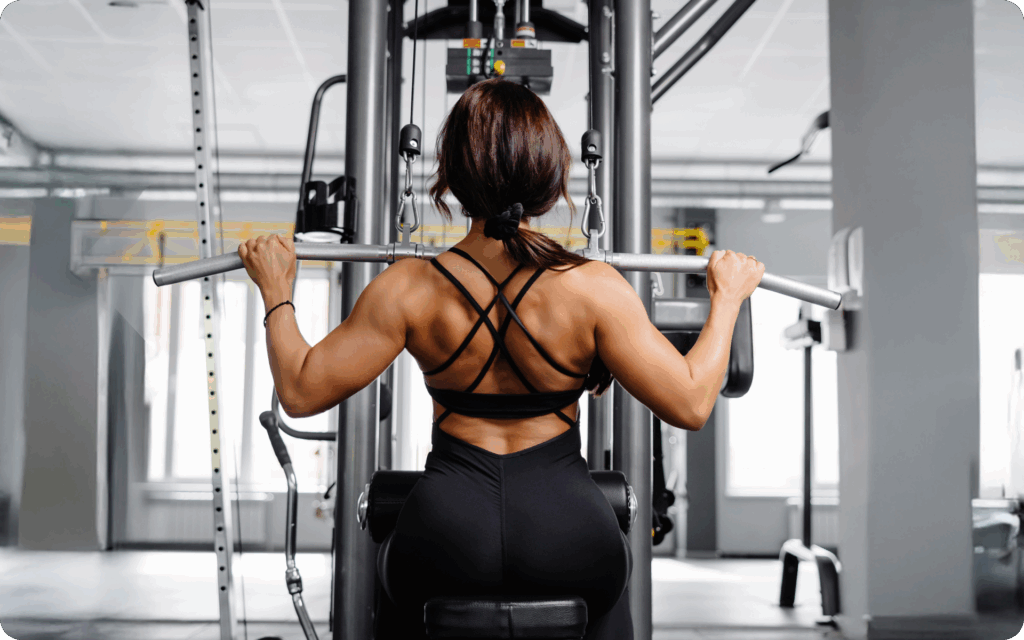
Common equipment includes pull-up bars, cable machines, and rowing machines. Dumbbells and resistance bands also offer versatile options for back training. Use equipment that suits your fitness level and goals for effective workouts.
Conclusion
Strengthening your back is essential for overall fitness. These exercises improve posture. They also reduce injury risk. Consistent practice brings noticeable benefits. Your daily activities become easier. You feel more confident and energetic. Remember to start slowly. Gradually increase intensity over time.
Listen to your body. Rest when needed. Proper form is crucial. It ensures effectiveness and safety. Consult a professional if unsure. Investing time in back exercises pays off. Your well-being improves. Stay committed and enjoy the results. A strong back supports a healthier life.
Keep moving. Keep progressing. Your future self will thank you.







