
Unlock the fascinating world of microbiology with a deep dive into the principle of phage typing. Imagine having the power to pinpoint the exact identity of a bacterial strain, much like a detective solving a complex mystery.
This exercise not only sharpens your understanding of bacteriophages but also unveils the intricate dance between viruses and bacteria. As you explore this intriguing concept, you’ll discover how phage typing serves as a crucial tool in everything from medical diagnostics to food safety.
Ready to boost your scientific acumen and discover the hidden secrets of microbes? Dive into this article and see how this exercise brings the principle of phage typing to life, empowering you with knowledge that could change how you perceive the microscopic world around you.
Phage Typing Basics
Phage typing is a simple but powerful technique used to identify bacteria. It uses viruses that infect bacteria, called bacteriophages. This exercise shows how phage typing works to tell different bacteria apart. Understanding the basics helps explain the process clearly.
What Is Phage Typing
Phage typing is a method to classify bacteria based on which viruses infect them. Each type of bacterium is attacked by specific phages. Scientists expose bacteria to different phages and watch for infection signs. The pattern of infection helps identify the bacteria strain.
This method is useful in tracking bacterial outbreaks. It helps find the source by matching bacteria types. Phage typing is faster and cheaper than some other tests. It plays a key role in microbiology and disease control.
Role Of Bacteriophages
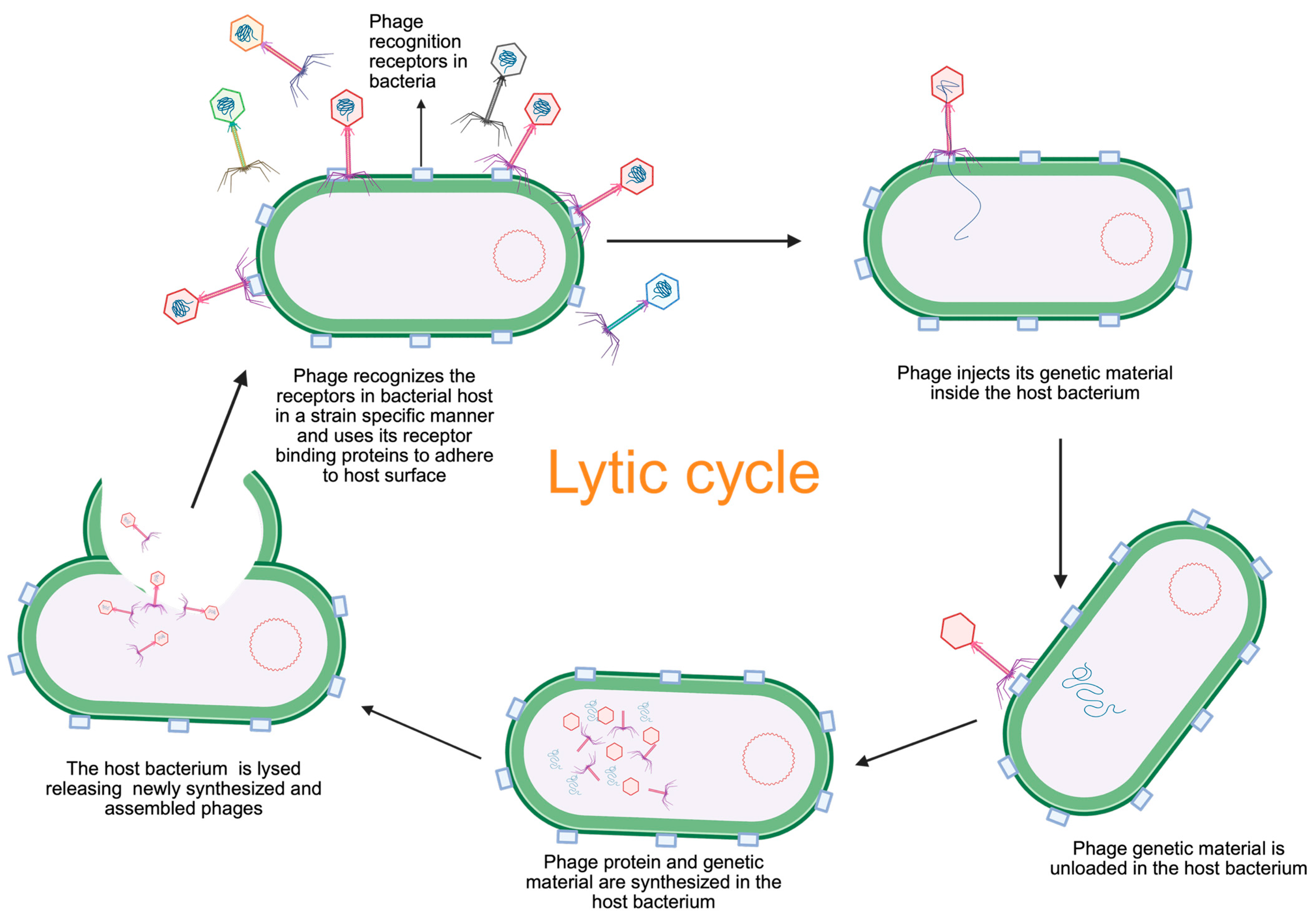
Bacteriophages are viruses that only infect bacteria. They attach to the bacterial surface and inject their genetic material. This process destroys the bacteria or stops it from growing. Each phage targets specific bacteria species or strains.
In phage typing, bacteriophages act like markers. They show which bacteria are present based on infection patterns. The unique interaction between phages and bacteria makes this method accurate. Bacteriophages are essential tools in identifying bacteria types quickly.
Exercise Setup
Setting up the exercise correctly is key to understanding phage typing. This method helps identify bacteria using specific viruses called bacteriophages. The exercise setup involves preparing materials and following a clear procedure. It shows how each phage interacts with different bacteria. This interaction reveals unique patterns that help in bacterial identification.
Materials Used
- Agar plates with bacterial cultures
- Different types of bacteriophages
- Inoculating loops or swabs
- Incubator set at optimal temperature
- Marker for labeling plates
- Sterile pipettes or droppers
- Protective gloves and lab coat
Step-by-step Procedure
- Label the agar plates with bacterial strain names.
- Using a sterile loop, spread bacteria evenly on plates.
- Allow the bacteria to settle for a few minutes.
- Apply small drops of different phages onto the bacterial surface.
- Incubate plates at the recommended temperature for 18-24 hours.
- Observe clear zones where phages killed bacteria—these are plaques.
- Record which phages caused plaques on which bacteria.
Observing Phage-bacteria Interaction
Observing how phages interact with bacteria reveals key insights into phage typing. This process shows how viruses infect specific bacteria strains. Watching these interactions helps identify bacteria based on their vulnerability to certain phages. It also demonstrates the precision of phage targeting and infection patterns.
Plaque Formation
When phages infect bacteria, they create clear zones called plaques. These plaques appear on a layer of bacterial cells grown on a petri dish. Each plaque shows where a phage has killed bacteria. The size and shape of plaques provide clues about phage activity. Observing plaque formation helps track which phages can attack which bacteria.
Specificity Of Phage Action
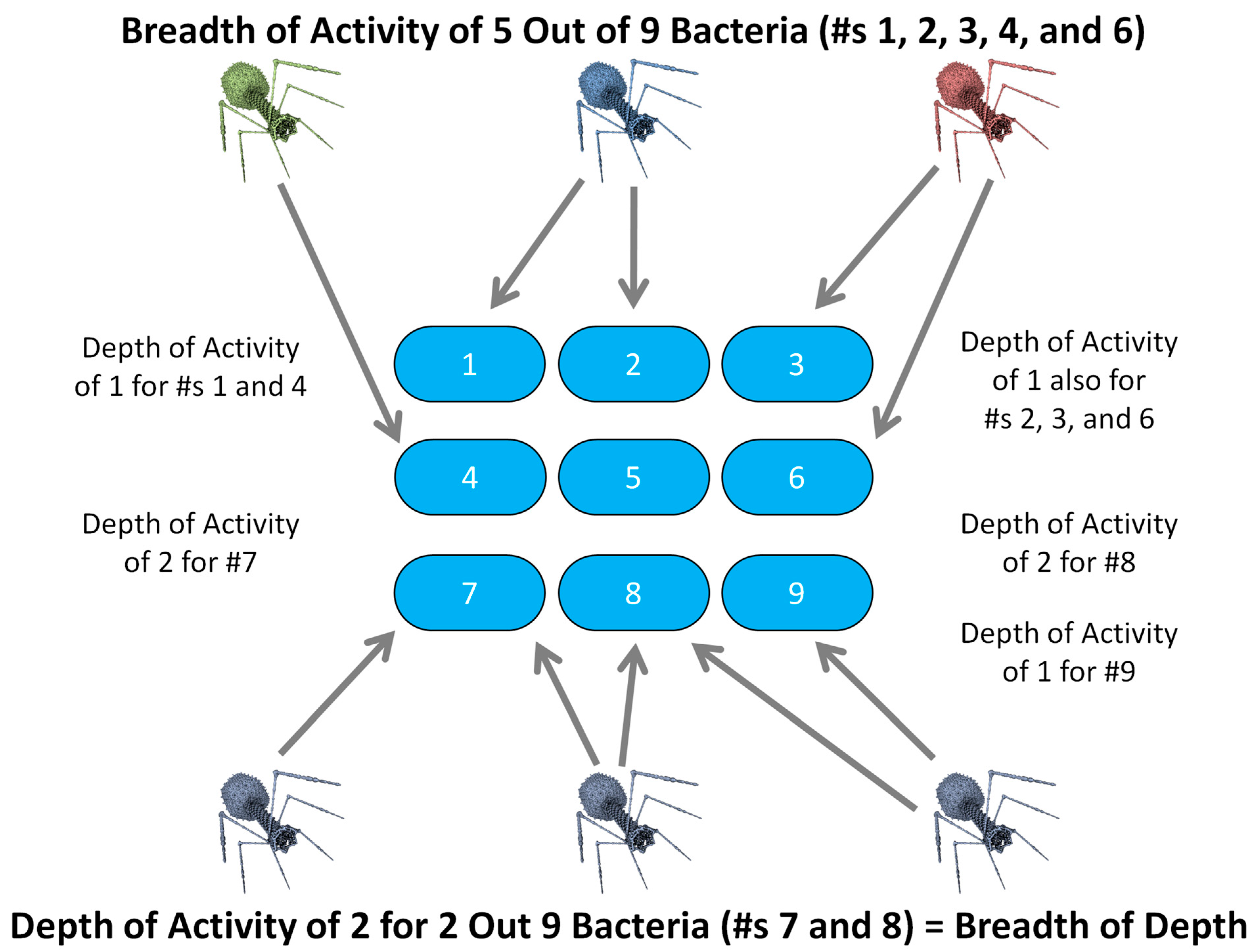
Phages target only certain bacteria types. This specificity allows precise identification of bacterial strains. A phage will infect and kill only bacteria with matching receptors. Non-matching bacteria remain unharmed and show no plaques. This selective action is the core principle of phage typing. It helps differentiate bacteria that look similar but respond differently to phages.
Credit: www.mdpi.com
Interpreting Results
Interpreting results in phage typing is key to understanding bacterial identification. This process involves analyzing how different bacteriophages infect bacterial samples. Clear patterns emerge, showing which phages can kill or inhibit specific bacteria. These patterns help reveal important details about bacterial strains and their relationships.
Identifying Bacterial Strains
Each bacterial strain reacts uniquely to certain phages. By observing which phages cause clear zones of lysis, scientists can pinpoint the strain. These zones appear as small, clear areas on a bacterial lawn where phages have destroyed bacteria. Matching these zones to known patterns identifies the bacterial strain quickly.
Comparing Phage Sensitivity Patterns
Phage sensitivity patterns compare how bacteria respond to various phages. A table or chart often shows this data, making differences easy to see. This comparison highlights similarities and differences between strains. It helps track bacterial outbreaks and understand bacterial diversity in samples.
Applications Of Phage Typing
Phage typing stands out as a precise tool in microbiology, allowing you to identify specific bacterial strains by observing how they interact with various bacteriophages. This technique goes beyond simple identification; it has practical uses that directly impact public health and medical research. Understanding these applications can help you appreciate why phage typing remains relevant despite advances in genetic testing.
Infection Tracking
Imagine trying to trace the source of a bacterial outbreak in a hospital. Phage typing helps you do just that by linking infections to specific bacterial strains. This way, you can pinpoint how an infection spreads between patients or even from contaminated surfaces.
By matching the phage type of bacteria found in patients and environments, you gain a clearer picture of transmission routes. This information is crucial for controlling outbreaks quickly and effectively. Have you ever wondered how hospitals stop infections before they become epidemics? Phage typing is a big part of that answer.
Antibiotic Resistance Studies
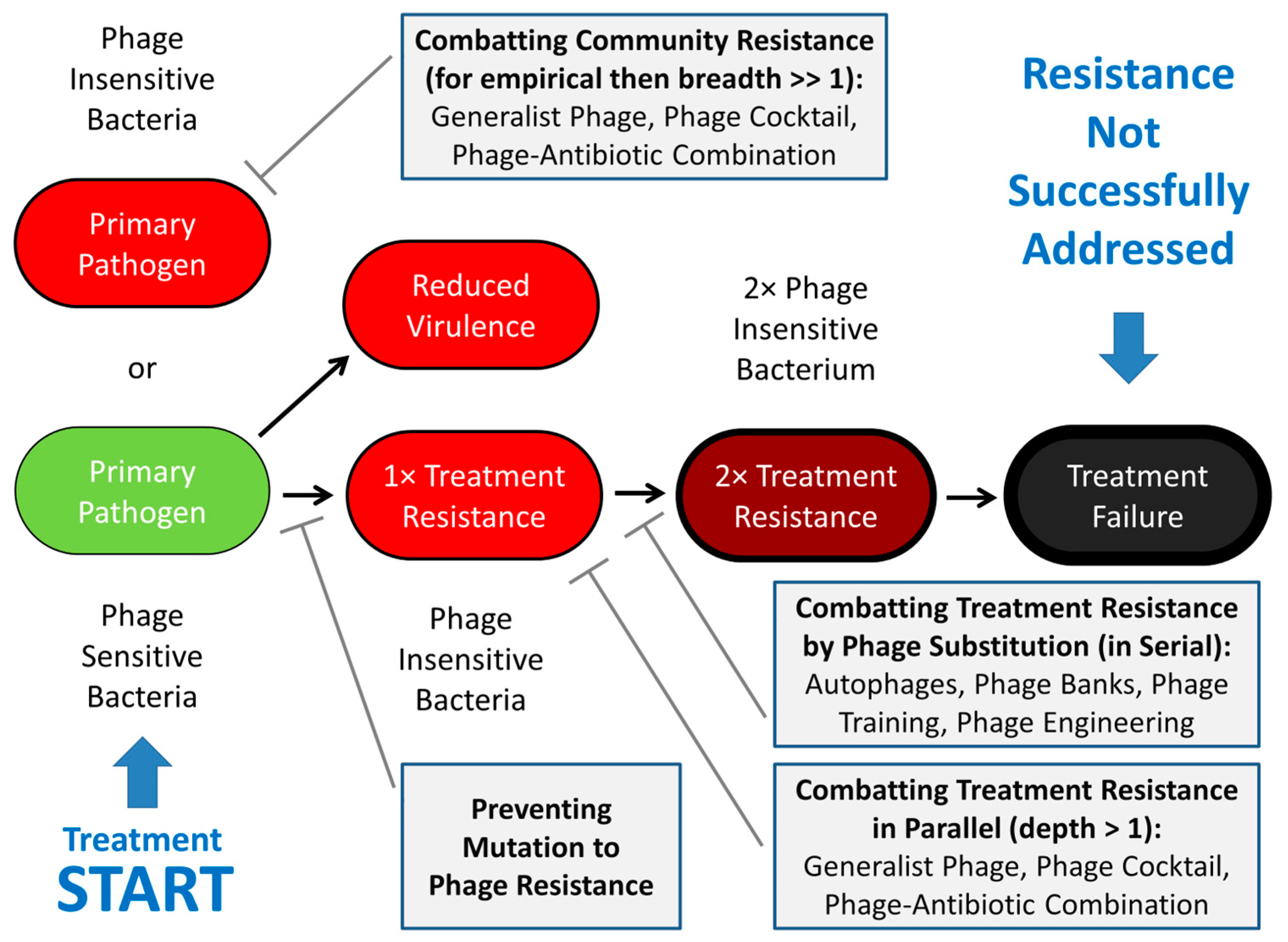
Phage typing also plays a role in understanding antibiotic resistance patterns. When you identify the phage type of a resistant bacterium, you can track how resistance traits move through bacterial populations. This helps researchers monitor the evolution of superbugs in real-time.
Using phage typing alongside antibiotic sensitivity tests allows for more targeted treatment decisions. It can reveal if resistant strains are emerging in specific regions or healthcare settings. What if you could predict where resistance will pop up next? Phage typing brings you closer to that reality.
Credit: www.mdpi.com
Credit: www.mdpi.com
Frequently Asked Questions
What Is Phage Typing And How Does It Work?
Phage typing identifies bacteria using specific viruses called bacteriophages. These phages infect only certain bacterial strains, revealing bacterial identity through infection patterns. This method helps differentiate closely related bacteria by their susceptibility to various phages.
How Does This Exercise Illustrate Phage Typing Principles?
This exercise demonstrates phage typing by showing bacterial susceptibility to specific phages. It highlights how phages infect targeted bacteria, confirming bacterial strain identity through clear infection zones. The process exemplifies selective virus-bacteria interaction fundamental to phage typing.
Why Is Phage Typing Important In Microbiology?
Phage typing is crucial for tracking bacterial outbreaks and epidemiology. It offers a precise, cost-effective way to distinguish bacterial strains. This method aids infection control and antibiotic resistance monitoring by identifying bacterial sources accurately.
Can Phage Typing Differentiate Closely Related Bacteria?
Yes, phage typing differentiates closely related bacteria by their unique phage susceptibility. Each bacterial strain has specific receptors, allowing selective phage infection. This specificity helps in detailed bacterial classification and outbreak analysis.
Conclusion
This exercise clearly shows how phage typing works. It uses viruses to identify bacteria types. Each virus attacks only certain bacteria. This helps scientists tell bacteria apart. The method is simple but effective. It shows the unique interaction between phages and bacteria.
Understanding this process aids in disease control. The exercise makes the concept easy to grasp. It highlights the importance of phage typing in labs. This approach remains valuable in microbiology studies. Simple steps reveal complex biological relationships. A great example of applied science in action.







