
Are you curious about yoga but worried that your weight might hold you back? You’re not alone, and the good news is that yoga welcomes everyone, regardless of shape or size.
Imagine starting a practice that not only strengthens your body but also nurtures your mind and spirit. Yoga for overweight beginners is your stepping stone to improved health and well-being. It’s not about reaching a certain level of flexibility or looking a certain way; it’s about embracing who you are and discovering what your body can do.
In this guide, you’ll find everything you need to start your yoga journey with confidence. Let’s explore how yoga can become a transformative part of your life, offering benefits that extend far beyond the mat. Dive in and see how you can create a practice that suits your unique needs and goals.

Credit: www.youtube.com
Benefits Of Yoga For Overweight Beginners
Starting yoga as an overweight beginner offers a range of benefits that go beyond simple exercise. Yoga helps improve your body and mind gently and steadily. It can be a powerful tool to enhance your overall health while respecting your unique needs.
Physical Health Improvements
Yoga stretches and strengthens your muscles without putting too much pressure on your joints. This is important if you experience discomfort during high-impact workouts. Over time, you may notice better flexibility, increased stamina, and reduced aches.
Balance and coordination also get better, which lowers the risk of falls or injuries. Simple poses like Child’s Pose or Cat-Cow can be adjusted to suit your body, making every session effective. Have you ever thought about how small movements can lead to big health changes?
Mental Well-being Boost
Yoga helps calm your mind through focused breathing and mindfulness. This can reduce feelings of stress and anxiety that often come with weight challenges. You learn to listen to your body and accept where you are right now.
Many beginners find that yoga improves their sleep quality and mood. Even a few minutes of deep breathing can reset your mental state during a tough day. What if you could tackle mental blocks as easily as physical ones?
Building Confidence
Yoga encourages you to celebrate small victories, like holding a pose a little longer or feeling more relaxed after practice. These wins add up and boost your self-esteem. You start to appreciate your body’s strength and resilience instead of focusing on limitations.
Being consistent with yoga helps you build a positive relationship with yourself. Over time, you may feel more comfortable trying new activities and challenging your mindset. How different would your life be if you believed in your own progress?
Preparing For Your Yoga Journey
Starting yoga as an overweight beginner is a great choice for health and well-being. Proper preparation helps make the experience positive and safe. Small steps in preparation bring comfort and confidence to your practice. Focus on what you need before stepping on the mat.
Choosing The Right Yoga Style
Not all yoga styles suit every beginner. Some styles are gentle and slow, perfect for new practitioners.
- Hatha yoga offers basic poses and slow movements.
- Yin yoga focuses on deep stretching and relaxation.
- Restorative yoga uses props to support the body fully.
Select styles that avoid high impact or fast transitions. Choose gentle yoga to reduce injury risk and build strength gradually.
Essential Gear And Clothing
Comfort matters in yoga practice. Wear clothes that stretch and breathe well. Avoid tight or rough fabrics.
- Choose soft, stretchy pants or leggings.
- Pick tops that allow free arm movement.
- Use a non-slip yoga mat for safety.
- Consider yoga blocks or straps for support.
Good gear helps maintain focus and prevents discomfort during poses.
Creating A Comfortable Space
A calm, clean area improves your yoga experience. Find a quiet spot with enough room for movements.
- Keep the floor clear and use a yoga mat.
- Ensure good lighting and fresh air.
- Remove distractions like phones or loud noises.
- Add soft cushions or blankets if needed.
A comfortable space encourages regular practice and relaxation.
Simple Yoga Poses To Start With
Starting yoga as an overweight beginner can feel challenging, but choosing simple poses makes a huge difference. These poses gently prepare your body while building confidence. You’ll find that even small movements can bring big benefits when done mindfully and consistently.
Gentle Stretching Poses
Stretching helps ease muscle tightness and improves flexibility without strain. Try poses like:
- Cat-Cow Stretch:Move slowly between arching and rounding your back to awaken your spine.
- Seated Forward Bend:Sit with legs extended and reach gently toward your toes, stopping where you feel comfortable.
- Child’s Pose:Kneel and stretch your arms forward, letting your chest rest on your thighs.
These moves feel safe and nurturing, even if your body feels stiff. Can you notice how a little stretch brightens your mood?
Balance And Stability Moves
Building balance supports stronger joints and reduces injury risk. Start with simple standing poses like:
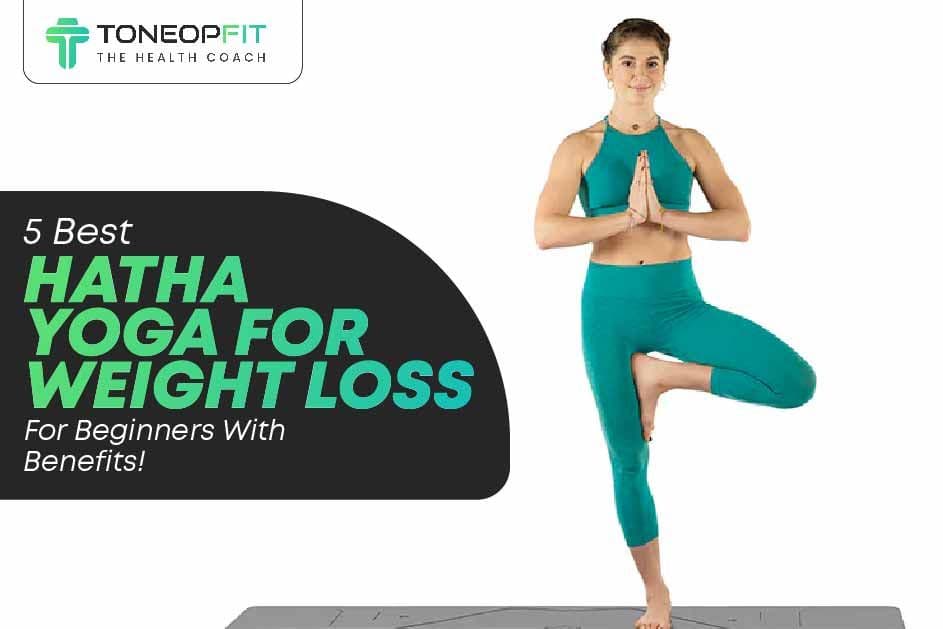
- Tree Pose:Stand tall and place one foot lightly on your opposite calf or thigh, focusing on a steady gaze.
- Chair Pose:Bend your knees slightly and reach your arms forward, as if sitting back into a chair.
These poses strengthen your legs and core while teaching you body awareness. Does your body feel steadier when you focus on balance?
Breathing Techniques
Breathing deeply is the foundation of all yoga practice. It calms the mind and energizes the body. Try these easy techniques:
- Diaphragmatic Breathing:Breathe deeply into your belly, feeling it rise and fall slowly.
- Equal Breathing:Inhale and exhale for the same count, such as four seconds each.
Paying attention to your breath helps you stay present and reduces stress. How does your body respond when you slow your breath down?
Credit: www.artofliving.org
Modifications For Comfort And Safety
Starting yoga as an overweight beginner can feel challenging. Comfort and safety should be your top priorities to enjoy the practice and avoid setbacks. Making thoughtful modifications helps you move with ease and builds confidence in your practice.
Using Props Effectively
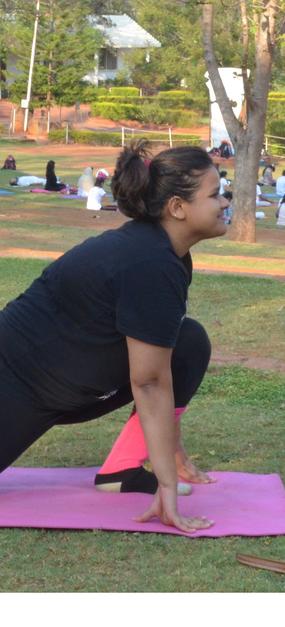
Props like blocks, straps, and bolsters are your best friends on the mat. They support your body, making poses accessible and less stressful. For example, sitting on a block during seated poses can reduce pressure on your hips and lower back.
Don’t hesitate to use a wall for balance or place a folded blanket under your knees for extra cushioning. These small adjustments can make a huge difference in how you feel during and after practice.
Adjusting Poses For Flexibility
Your body’s flexibility will improve over time, but it’s important to respect your current limits. Modify poses by reducing the depth of stretches or widening your stance to create space.
For instance, instead of bending deeply in a forward fold, bend your knees slightly or rest your hands on your shins. This helps you maintain proper alignment without strain.
Preventing Injuries
Listening to your body is crucial to avoid injuries. If you feel sharp pain or discomfort, gently back off or try a different variation. Slow, controlled movements allow you to build strength safely.
Consider warming up with gentle stretches and ending sessions with calming poses to help your muscles recover. Are you paying attention to signals from your body, or pushing through discomfort?
Building A Consistent Practice
Building a consistent yoga practice is key for overweight beginners. Regular practice helps improve flexibility, strength, and mental calmness. It also supports weight management and overall health. Creating a routine that fits your lifestyle encourages long-term success. Small steps lead to big changes over time.
Setting Realistic Goals
Start with simple and clear goals. Avoid aiming for perfect poses at first. Focus on consistency, like practicing 10 minutes daily. Set goals based on your comfort and ability. Celebrate small wins, such as improved breathing or better balance. Realistic goals keep you encouraged and prevent burnout.
Tracking Progress
Keep a journal or use an app to note your yoga sessions. Write down the poses you tried and how you felt. Track improvements in flexibility, strength, or mood. Seeing progress, no matter how small, builds confidence. Tracking also helps identify which poses suit you best.
Staying Motivated
Find a quiet and comfortable space to practice. Use gentle reminders like notes or alarms. Join a beginner-friendly yoga group online or in person. Mix up your routine with different poses and breathing exercises. Remember why you started and focus on the benefits you feel.
Combining Yoga With Healthy Habits
Combining yoga with healthy habits creates a strong foundation for weight loss and wellness. Yoga improves flexibility, balance, and strength. Healthy habits support energy levels and help the body heal. Together, they promote lasting changes and better health.
Nutrition Tips For Energy
Eat foods that give steady energy. Choose whole grains like brown rice and oats. Include fruits and vegetables for vitamins and fiber. Drink plenty of water to stay hydrated. Avoid sugary snacks that cause energy crashes. Small, frequent meals keep energy levels stable throughout the day.
Incorporating Light Exercise
Add gentle movements alongside yoga. Walking is a great way to start. Try swimming or cycling for low-impact exercise. These activities improve heart health and burn calories. Light exercise helps reduce joint pain and stiffness. Gradually increase time and intensity for better results.
Rest And Recovery
Rest is important for body repair and growth. Aim for 7-8 hours of sleep every night. Take short breaks after yoga or exercise sessions. Use deep breathing or meditation to relax the mind. Proper rest reduces stress and prevents injury. Recovery days help muscles heal and improve performance.
Overcoming Common Challenges
Starting yoga as an overweight beginner can bring unique challenges. These hurdles might make you question your progress or feel unsure about your abilities. Yet, facing these obstacles head-on can make your yoga journey more rewarding and personal.
Dealing With Self-doubt
Feeling unsure about your body or skills is common at first. You might catch yourself thinking, “Can I really do this?” or “Will others judge me?” Instead of letting these thoughts stop you, try to shift your focus to small wins, like holding a pose for a few seconds longer or simply showing up to class.
Remember, yoga is about your personal growth, not perfection. Ask yourself, what positive change can I notice today? This mindset helps replace doubt with confidence over time.
Managing Physical Limitations
Your body might have certain limits, like joint pain or lack of flexibility. That’s normal and doesn’t mean yoga isn’t for you. Modifications exist for almost every pose, such as using blocks or straps to reduce strain.
Listen to your body carefully. If a pose feels uncomfortable, try a gentler version or rest. Consistency matters more than intensity, so focus on what feels safe and sustainable.
Finding Support And Community
Yoga can feel isolating if you try it alone. Connecting with others who share your journey makes a big difference. Look for classes or groups that welcome beginners and focus on inclusivity.
- Online forums and social media groups can offer encouragement and tips.
- Local beginner-friendly studios often provide a supportive atmosphere.
- Invite a friend to join you, creating a built-in accountability partner.
Who can you reach out to today to share your yoga goals? Building a support network helps you stay motivated and enjoy the process.
Credit: toneopfit.com
Frequently Asked Questions
What Are The Best Yoga Poses For Overweight Beginners?
Gentle poses like Cat-Cow, Child’s Pose, and Warrior II are ideal. They improve flexibility and build strength safely. These poses reduce joint strain and enhance balance. Starting slow helps avoid injury and boosts confidence in overweight beginners.
How Often Should Overweight Beginners Practice Yoga?
Begin with 3 sessions per week, lasting 20-30 minutes. Consistency helps improve flexibility, strength, and weight management. Gradually increase duration as comfort grows. Regular practice supports mental health and physical wellness for beginners.
Can Yoga Help With Weight Loss For Overweight Beginners?
Yes, yoga boosts metabolism and promotes mindfulness around eating. Active styles like Vinyasa burn calories effectively. It also reduces stress, which can lower emotional eating. Combined with a healthy diet, yoga supports sustainable weight loss.
Is Yoga Safe For Overweight Beginners With Joint Pain?
Yoga is safe when modified to avoid pressure on joints. Using props like blocks and straps enhances comfort and support. Low-impact poses improve joint mobility and reduce pain. Always consult a doctor before starting any exercise routine.
Conclusion
Starting yoga as an overweight beginner can feel tough. Small steps bring big changes. Focus on gentle poses that suit your body. Consistency helps build strength and improve flexibility. Yoga also calms the mind and reduces stress. Celebrate each progress, no matter how small.
Keep practicing, stay patient, and enjoy your journey. You can improve health and feel better every day. Yoga welcomes everyone, regardless of size or skill. Give yourself time to grow and feel strong.







