
Have you ever wondered why squats and lunges are often called the ultimate exercises? If you’re looking to boost your workout routine, understanding what type of exercise these are can make all the difference.
Imagine transforming your body with movements that target multiple muscle groups, improve balance, and enhance your overall strength. Whether you’re a fitness newbie or a seasoned gym-goer, unlocking the secrets of squats and lunges can lead to noticeable results. Curious about how these exercises can fit into your fitness goals?
Read on to discover why squats and lunges might just be the game-changers you’ve been searching for.
Squats And Lunges Basics
Squats and lunges are foundational exercises that you can do almost anywhere. They don’t need fancy equipment, yet they deliver powerful results. Understanding their basics helps you perform them safely and effectively, making every rep count.
Key Muscle Groups Targeted
Both squats and lunges primarily work your lower body muscles. They target the quadriceps, hamstrings, and glutes—key players in leg strength and stability.
Besides these, your core muscles engage to keep your balance and posture steady. Your calves and lower back also get involved, especially during lunges, as they help control movement and maintain alignment.
- Quadriceps:Front thigh muscles that power the upward movement.
- Hamstrings:Back thigh muscles that assist in bending your knees.
- Glutes:Your butt muscles, crucial for hip extension and strength.
- Core:Stabilizes your body throughout the exercise.
- Calves and lower back:Support balance and posture.
Movement Patterns Explained
Squats involve bending your knees and hips to lower your body as if sitting back into a chair. Then, you push through your heels to return to standing. This movement teaches your body to control descent and power up safely.
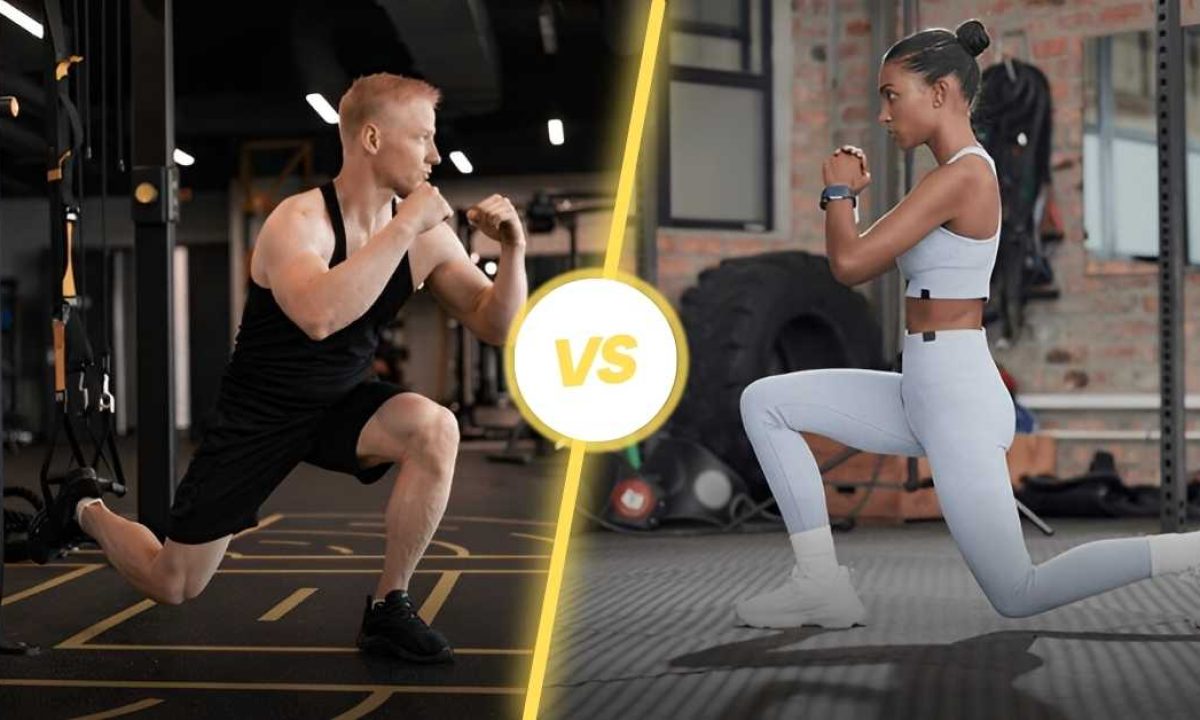
Lunges require stepping one foot forward (or backward), bending both knees to lower your hips, and pushing back to the start position. This pattern challenges your balance and coordination more than squats, making your stabilizer muscles work harder.
Have you noticed how lunges make you feel more aware of each leg independently? This can highlight muscle imbalances or weaknesses you didn’t realize before. Paying attention to these details can improve your overall strength and reduce injury risk.
Strength Training Benefits
Squats and lunges are powerful moves that fit squarely into strength training. They do more than just build muscle—they help your body perform better every day. Understanding the strength training benefits of these exercises can motivate you to add them to your routine and see real changes.
Muscle Growth And Tone
Squats and lunges target multiple muscle groups at once, including your quads, hamstrings, glutes, and calves. This multi-muscle engagement promotes efficient muscle growth and helps you develop a well-rounded tone.
Adding weights to these exercises can increase resistance, pushing your muscles to grow stronger and firmer. Have you noticed how your legs feel more powerful after just a few weeks of these moves? That’s muscle growth in action.
Improved Functional Strength
Functional strength means your body is better prepared for everyday activities. Squats and lunges mimic natural movements like sitting, standing, and climbing stairs, making daily tasks easier and reducing injury risk.
When you strengthen the muscles involved in these basic movements, you improve balance, stability, and coordination. Have you ever felt more confident carrying heavy groceries or climbing a hill? That’s the result of stronger, functional muscles.
Types Of Exercises Squats And Lunges Belong To
Understanding the types of exercises squats and lunges belong to can help you use them more effectively in your workouts. These movements target multiple muscles and improve your overall strength and balance. Knowing their classification also guides you in creating a balanced fitness routine.
Compound Movements
Squats and lunges are classic examples of compound movements. This means they work several muscle groups at once, rather than isolating just one. When you perform a squat, your quads, hamstrings, glutes, and core all engage together.
Similarly, lunges require coordination between your legs, glutes, and stabilizing muscles. This makes these exercises highly efficient for building functional strength. Have you noticed how these moves make daily activities like climbing stairs easier?
Weight-bearing Exercises
Both squats and lunges are weight-bearing exercises, which means your body supports its own weight during the movement. This type of exercise is crucial for improving bone density and joint health. Carrying your weight while moving challenges your muscles and bones to adapt and grow stronger.
Adding weights, like dumbbells or a barbell, increases the challenge further. This helps you build muscle and burn more calories. Do you feel the difference when you add extra weight to your lunges or squats during your workout?

Credit: www.youtube.com
Variations To Boost Strength
Squats and lunges are powerful exercises that build muscle and improve balance. Changing their form can make your workouts more effective. Variations target different muscles and increase overall strength. These changes also keep exercises fresh and challenging.
Weighted Squats And Lunges
Adding weights to squats and lunges increases muscle resistance. Dumbbells, kettlebells, or barbells are common tools. Weighted versions help build more muscle and burn extra calories.
- Dumbbell Squats: Hold dumbbells by your sides while squatting.
- Barbell Back Squats: Place a barbell on your shoulders and squat.
- Weighted Lunges: Hold weights in each hand during lunges.
Weights force muscles to work harder. This leads to faster strength gains and better muscle tone.
Plyometric Versions
Plyometric squats and lunges use explosive movements. These versions improve power, speed, and endurance. They also increase heart rate, giving a cardio boost.
- Jump Squats: Squat down and jump up explosively.
- Jumping Lunges: Switch legs mid-air while jumping lunges.
Plyometric moves help muscles react quickly. They build strong, fast, and agile legs.
Impact On Athletic Performance
Squats and lunges play a vital role in boosting athletic performance. These exercises target multiple muscle groups, improving strength and movement. The impact extends beyond just muscle growth. They help athletes become faster, more powerful, and better balanced.
Power And Speed Enhancement
Squats and lunges build lower body strength, key for power. Strong legs generate more force during sprints and jumps. This helps athletes run faster and jump higher. These exercises improve explosive movements needed in many sports. They also increase muscle endurance, allowing longer performance without fatigue.
Balance And Coordination
Both exercises require control and stability. Lunges challenge balance by working one leg at a time. Squats improve body control through coordinated muscle engagement. Enhanced balance reduces injury risk in dynamic sports. Better coordination helps athletes move efficiently and react quickly.
Credit: communitystrengthaustin-personaltraining.com
Common Mistakes To Avoid
Squats and lunges are powerful exercises for strength and balance. Avoiding common mistakes improves results and prevents injury. Paying attention to details keeps your workouts safe and effective.
Form And Posture Errors
Maintaining correct form is vital. Many people let their knees go past toes. This adds stress to the joints. Keep your back straight and chest lifted. Avoid rounding or arching your spine. Feet should stay flat and firm on the ground. Balance weight evenly between both legs. Look forward, not down, to keep the neck aligned. Poor posture reduces benefits and raises injury risk.
Overtraining Risks
Doing too many squats or lunges causes muscle fatigue. Overtraining limits recovery and growth. It can lead to joint pain and strains. Schedule rest days to let muscles heal. Start with fewer repetitions and increase slowly. Listen to your body and stop if you feel sharp pain. Consistent, moderate training works better than occasional overload.
Incorporating Squats And Lunges Into Workouts
Squats and lunges are powerful exercises to build strength and improve balance. They target multiple muscle groups, including legs, glutes, and core. Including them in your workouts helps boost overall fitness and mobility.
These exercises fit well in many training styles. They can be done with body weight or added weights like dumbbells or barbells. Their versatility makes them useful for beginners and advanced athletes alike.
Sample Strength Routines
- Start with 3 sets of 10-12 bodyweight squats.
- Follow with 3 sets of 8-10 lunges per leg.
- Add dumbbells for extra resistance once form is solid.
- Try alternating lunges for better coordination.
- Include rest of 30-60 seconds between sets.
Squats and lunges can also be combined with other exercises. For example, pair with push-ups and planks for a full-body workout.
Frequency And Recovery
Exercise these moves 2 to 3 times per week. This frequency allows muscles to strengthen without overtraining. Rest days help muscles repair and grow stronger.
Listen to your body for signs of fatigue or soreness. Adjust workout intensity or rest time as needed. Proper recovery prevents injury and keeps progress steady.
Credit: www.self.com
Frequently Asked Questions
What Type Of Exercise Are Squats And Lunges?
Squats and lunges are strength training exercises. They target muscles in the legs, hips, and glutes. These exercises improve muscle tone and build lower body strength effectively.
Are Squats And Lunges Considered Aerobic Exercises?
No, squats and lunges are primarily anaerobic. They focus on muscle strength, not cardiovascular endurance. However, they can increase heart rate if done in high repetitions.
Do Squats And Lunges Improve Flexibility?
Yes, squats and lunges help improve hip and leg flexibility. They engage multiple joints and muscles, enhancing range of motion over time.
Can Squats And Lunges Help With Weight Loss?
Squats and lunges boost metabolism by building muscle mass. Increased muscle helps burn more calories, supporting weight loss when combined with proper diet.
Conclusion
Squats and lunges are great strength exercises. They work many muscles in your legs and hips. These moves help improve balance and flexibility too. You can do them anywhere without special equipment. Adding squats and lunges to your routine builds strong muscles and bones.
They also burn calories and support weight loss. Simple, effective, and easy to learn. Try including both exercises for a full lower-body workout. Your body will thank you.







