
When you think about getting fit or staying healthy, exercise is often the first thing that comes to mind. But did you know that not all exercises are the same?
Understanding the different types of exercise can be your secret weapon to achieving your health goals. Imagine feeling more energized, improving your mood, and even boosting your brainpower—all by choosing the right type of exercise for you. Whether you’re looking to build strength, improve flexibility, or simply feel better, knowing the options available can make your fitness journey more effective and enjoyable.
Stay with us as we explore the different types of exercise and discover which ones might be the best fit for your lifestyle.
Cardiovascular Exercise
Cardiovascular exercise, often called cardio, is any activity that raises your heart rate and keeps it elevated for a period. It strengthens your heart and lungs, helping your body deliver oxygen more efficiently. Whether you’re walking, cycling, or dancing, cardio improves your endurance and overall health.
Benefits Of Cardio
Cardio workouts burn calories and help with weight management. They boost your mood by releasing endorphins, which can reduce stress and anxiety.
Regular cardio can lower your risk of heart disease, improve sleep quality, and increase your energy levels. Have you noticed how even a short jog can clear your mind and lift your spirits?
Popular Cardio Activities
- Running or jogging
- Brisk walking
- Cycling
- Swimming
- Jump rope
- Dancing
- Rowing
These activities are easy to adjust based on your fitness level. For instance, walking at a faster pace can be just as effective as running for beginners.
Tips For Effective Cardio Workouts
- Start with a warm-up to prepare your muscles and prevent injury.
- Mix different activities to keep your routine interesting and work different muscle groups.
- Use interval training by alternating high and low intensity to burn more calories in less time.
- Listen to your body; don’t push too hard too fast.
- Stay consistent—short, daily sessions often beat long, infrequent workouts.
What’s one small change you can make today to get your heart pumping more?
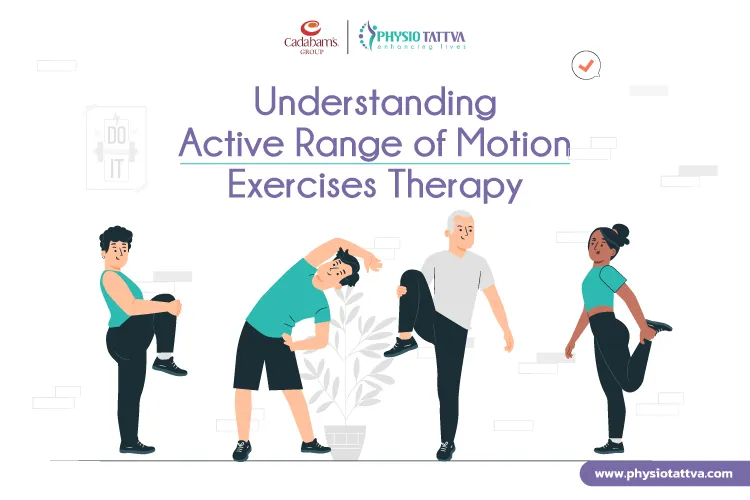
Credit: www.physiotattva.com
Strength Training
Strength training is a key part of any fitness routine. It helps build muscle, improve bone strength, and boost metabolism. This type of exercise uses resistance to make muscles work harder. Over time, muscles grow stronger and more toned. Strength training suits all ages and fitness levels. It can be done with weights, machines, or just your body weight.
Types Of Strength Training
- Weightlifting: Uses free weights like dumbbells and barbells.
- Resistance Bands: Uses elastic bands for muscle resistance.
- Bodyweight Exercises: Uses your own body for resistance, such as push-ups and squats.
- Machine Weights: Uses gym machines to target specific muscles.
- Isometric Exercises: Involves holding a position to engage muscles without movement.
Equipment And Bodyweight Options
Strength training can be done anywhere. Home workouts often use bodyweight exercises. Simple moves like planks and lunges build strength without gear.
Equipment options include:
- Dumbbells and kettlebells
- Resistance bands
- Weight machines at the gym
- Barbells for heavier lifts
Choosing the right tool depends on your goals and comfort. Bodyweight exercises are great for beginners or travel workouts.
Building Muscle Safely
Safety matters in strength training. Start with light weights or no weights. Focus on good form and slow, steady movements.
Rest days help muscles recover and grow. Avoid rushing or lifting too heavy too soon. Warm up before exercising and stretch after.
Listen to your body. Stop if you feel sharp pain. Consistency and patience lead to strong, healthy muscles.
Flexibility Exercises
Flexibility exercises play a crucial role in improving your overall movement and reducing the risk of injuries. These exercises focus on lengthening muscles and increasing the range of motion around your joints. If you want to move more freely and feel less stiff, adding flexibility exercises to your routine is a smart choice.
Importance Of Flexibility
Flexibility helps your body perform daily tasks with ease. It reduces muscle tension and lowers the chance of strains during physical activities. Have you ever noticed how tight muscles can limit your movement or cause discomfort?
Better flexibility supports good posture, which can prevent back pain and other aches. It also improves blood circulation, which aids in faster recovery after workouts. You don’t need to be an athlete to benefit—everyone can gain from increased flexibility.
Stretching Techniques
Stretching is the foundation of flexibility exercises. You can try static stretches, where you hold a position for 20 to 30 seconds, or dynamic stretches that involve controlled movements like leg swings. Both types prepare your muscles differently—static stretches are great after exercise, and dynamic stretches warm you up.
Try simple stretches such as hamstring stretches, shoulder rolls, or calf stretches. Pay attention to how your body feels and avoid bouncing, which can cause injuries. What stretches do you find most effective for loosening your tight spots?
Incorporating Yoga And Pilates
Yoga and Pilates combine flexibility with strength and balance, making them excellent for improving overall fitness. Yoga emphasizes breath control and poses that stretch and strengthen muscles simultaneously. Pilates focuses on core strength while promoting flexibility in the spine and hips.
Joining a beginner class or following online sessions can guide you through proper techniques. Even a few minutes each day can lead to noticeable improvements. Have you tried these exercises to ease stiffness or improve your posture?
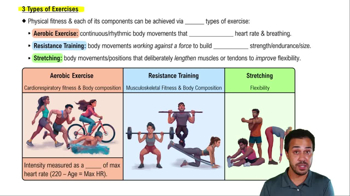
Credit: www.pearson.com
Balance And Stability Workouts
Balance and stability workouts are essential parts of any fitness routine. They help you stay steady on your feet and control your body movements better. These workouts reduce the risk of falls and injuries, especially as you age.
Why Balance Matters
Good balance helps you move with confidence and ease. It supports daily activities like walking, climbing stairs, and even standing still. Without strong balance, you might feel shaky or unsteady, increasing your chances of falling.
Have you ever noticed how much effort it takes to stand on one leg? That simple act shows how balance plays a role in your body control. Improving balance means you can perform sports, dance, and exercise more effectively.
Balance Training Exercises
You can train your balance with simple exercises that fit into any schedule. Try standing on one leg for 30 seconds, then switch. Add movement by reaching your arms or bending your knee while balancing.
- Use a balance board or wobble cushion to challenge your stability.
- Practice heel-to-toe walking along a straight line.
- Perform yoga poses like Tree Pose or Warrior III to engage core muscles.
These exercises strengthen the muscles that keep you upright and improve your body’s ability to react to sudden changes. Have you tried any balance exercises before? Notice how your body feels more connected after just a few sessions.
Improving Coordination
Coordination works hand in hand with balance. When your brain and muscles communicate well, you move smoothly and accurately. Balance workouts sharpen this connection by making you focus on control and precision.
Try combining movements, like tossing a ball while standing on one foot. This challenges your coordination and trains your nervous system to work better. How often do you engage your mind during physical activity? Adding coordination drills can make your workouts more fun and effective.
High-intensity Interval Training (hiit)
High-Intensity Interval Training (HIIT) has gained massive popularity for its ability to deliver quick, effective workouts that fit into busy schedules. It involves short bursts of intense exercise followed by rest or low-intensity periods. This pattern keeps your heart rate up and pushes your limits, making every minute count.
How Hiit Works
HIIT alternates between intense activity and recovery periods, which challenges your cardiovascular system and muscles in a unique way. During the high-intensity phase, you push your body close to its maximum effort. Then, the recovery phase allows your heart rate to drop, preparing you for the next burst.
This cycle not only improves endurance but also increases your metabolism. After a HIIT session, your body continues to burn calories at a higher rate, a phenomenon known as the afterburn effect. Have you noticed how much energy you feel after even a short HIIT workout?
Popular Hiit Routines
- Tabata:20 seconds of work followed by 10 seconds of rest, repeated 8 times. It’s fast and intense.
- AMRAP (As Many Rounds As Possible):Perform a set of exercises repeatedly for a specific time, aiming to complete as many rounds as you can.
- EMOM (Every Minute on the Minute):Complete a set number of reps at the start of every minute, then rest for the remainder.
- Fartlek Training:Mix fast running with slower jogging, switching pace spontaneously for variety.
These routines are flexible. You can adjust exercise types, intensity, and rest to fit your fitness level and goals.
Benefits And Precautions
HIIT offers many benefits, including improved cardiovascular health, increased fat loss, and better muscle tone—all in less time than traditional workouts. It also boosts your endurance and can break workout monotony.
However, because it’s intense, HIIT isn’t for everyone. If you have heart issues or joint problems, consult a professional before starting. Also, proper warm-up and cool-down are crucial to avoid injury.
Remember, quality beats quantity. Pushing too hard without good form can cause setbacks. How do you listen to your body when workouts get tough?
Low-impact Exercises
Low-impact exercises are gentle on the body and reduce stress on the joints. These workouts allow you to stay active while avoiding harsh movements. Many people choose low-impact exercises for safer, steady fitness progress.
Who Should Choose Low-impact
People with joint pain or arthritis benefit from low-impact workouts. Beginners can build strength and stamina safely. Older adults often prefer these exercises to maintain mobility without injury. Anyone recovering from surgery or injury finds low-impact options helpful. They offer a smooth way to stay active every day.
Examples Of Low-impact Workouts
- Walking at a moderate pace
- Swimming or water aerobics
- Cycling on a stationary bike
- Yoga and Pilates
- Elliptical machine workouts
- Light strength training with weights
These activities help improve fitness without harsh impact. They work well for many fitness levels.
Advantages For Joint Health
Low-impact exercises reduce strain on knees, hips, and ankles. They help maintain joint flexibility and strength. Regular practice can lower the risk of injury. These workouts support cartilage health and improve circulation. Moving gently aids recovery and reduces stiffness. They keep joints healthy for a longer time.
Functional Fitness
Functional fitness is all about training your body to handle real-life activities with ease. It focuses on movements that improve your everyday tasks, from bending and lifting to reaching and walking. This type of exercise helps you build strength, balance, and coordination that truly matter outside the gym.
Core Principles
Functional fitness centers on multi-joint movements that mimic daily actions. Instead of isolating muscles, it works on your body as a whole, promoting natural movement patterns. This approach improves your stability, mobility, and muscle endurance, making your body more efficient and less prone to injury.
Have you noticed how some exercises feel awkward or useless outside the workout room? Functional fitness avoids those by focusing on practical movements that enhance your quality of life.
Exercises For Daily Life
Exercises in functional fitness often involve your own body weight or simple equipment like kettlebells or resistance bands. Common examples include:
- Squats, which strengthen your legs for sitting and standing
- Push-ups, improving upper body strength for pushing doors or lifting objects
- Planks, to build core strength and support posture
- Lunges, enhancing balance and leg strength for walking or climbing stairs
These movements train your muscles to work together, making daily activities easier and less tiring.
Integrating Functional Training
You can add functional fitness to your routine without needing hours at the gym. Try replacing isolated exercises with compound movements that work multiple muscles at once. For example, swap traditional bicep curls for a kettlebell swing or combine a squat with an overhead press.
Think about your daily habits and choose exercises that support them. If you carry groceries often, focus on grip strength and leg power. If you sit for long hours, include stretches and core work to prevent stiffness.
What simple changes can you make today to move better tomorrow? Functional fitness offers practical steps that pay off in your everyday life.
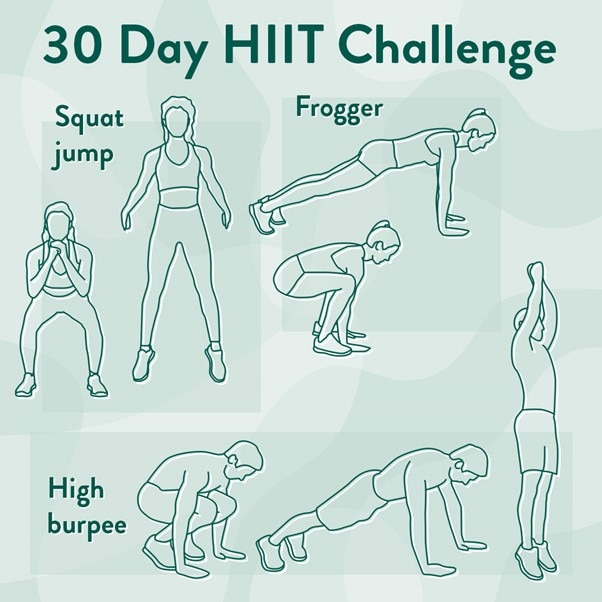
Credit: www.hollandandbarrett.com
Frequently Asked Questions
What Are The Main Types Of Exercise?
The main types of exercise include aerobic, strength training, flexibility, balance, and high-intensity interval training (HIIT). Each type targets different fitness goals, such as endurance, muscle building, or mobility, providing a balanced workout routine for overall health.
How Does Aerobic Exercise Benefit The Body?
Aerobic exercise improves cardiovascular health, increases lung capacity, and boosts endurance. It also helps burn calories, reduce stress, and enhance mood by releasing endorphins, making it essential for heart and overall well-being.
Why Is Strength Training Important?
Strength training builds muscle mass, increases metabolism, and strengthens bones. It helps improve posture, balance, and daily functional movements, reducing injury risk and supporting long-term physical health.
What Role Does Flexibility Exercise Play?
Flexibility exercises increase joint mobility and muscle elasticity. They reduce stiffness, prevent injuries, and improve posture. Regular stretching enhances overall movement quality and supports recovery after other workouts.
Conclusion
Exercise comes in many types, each with unique benefits. You can choose cardio for heart health and stamina. Strength training helps build muscles and bones. Flexibility exercises improve movement and reduce injury risk. Balance workouts keep you steady and prevent falls.
Mixing different exercises keeps fitness fun and effective. Find what suits your body and lifestyle best. Regular activity boosts mood and energy every day. Start small, stay consistent, and enjoy the journey. Your body will thank you in many ways.







