
Are you ready to transform your fitness routine and achieve your strength goals? Weight lifting exercises are your key to building muscle, enhancing endurance, and boosting your overall health.
Whether you’re a beginner or a seasoned lifter, understanding the different types of weight lifting exercises can revolutionize your workout. Imagine feeling stronger, more confident, and empowered every time you step into the gym. In this guide, you’ll uncover the secrets to effective weight lifting techniques that will keep you motivated and excited to hit the weights.
Stay with us, and discover how each type of exercise can target specific muscle groups, helping you achieve the physique you’ve always wanted. Let’s dive in and unlock the potential of your fitness journey.

Credit: www.goldsgym.com
Strength Training Basics
Strength training builds muscle, improves bone health, and boosts metabolism. It uses resistance to make muscles work harder than usual. Understanding the basics helps to create effective workouts. Knowing different exercise types and training principles guides progress safely.
Free Weights Vs Machines
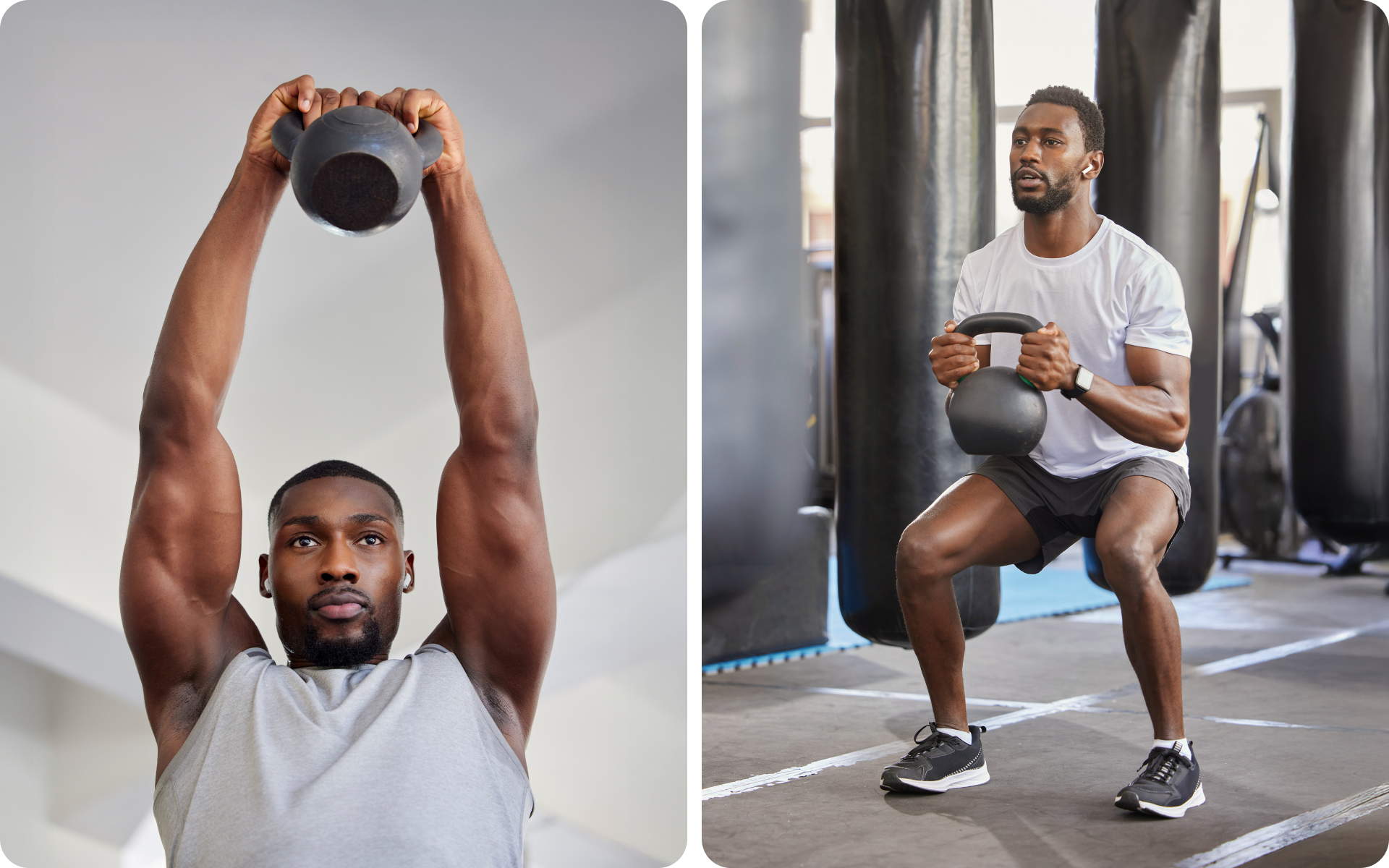
Free weights include dumbbells, barbells, and kettlebells. They allow natural movement and engage more muscles for balance. Machines guide your motion and target specific muscles. They offer safety and support for beginners or rehab. Mixing both types can improve strength and control.
Compound Vs Isolation Movements
Compound movements work multiple joints and muscles at once. Examples are squats, deadlifts, and bench presses. These exercises build overall strength and burn more calories. Isolation movements target one muscle group. Examples include bicep curls and leg extensions. Use isolation to improve weak or small muscles.
Reps, Sets, And Rest Periods
Reps are the number of times you do an exercise continuously. Sets are groups of reps separated by rest. Rest periods let muscles recover before the next set. For strength, do fewer reps (4-6) with heavier weights. For muscle size, do moderate reps (8-12). For endurance, do more reps (15+). Rest time varies from 30 seconds to 3 minutes depending on goals.
Credit: betterme.world
Upper Body Exercises
Upper body exercises target muscles in the chest, back, shoulders, and arms. These workouts build strength and improve posture. They also enhance daily activities and athletic performance. Focusing on different muscle groups helps create a balanced and strong upper body. Here are key types of upper body weight lifting exercises to include in your routine.
Chest Workouts
Chest exercises develop the pectoral muscles. They improve pushing strength and upper body shape. Popular chest workouts include:
- Bench press
- Push-ups
- Dumbbell flyes
- Cable crossovers
These moves target the chest from various angles for full development.
Back Workouts
Back exercises strengthen the upper and lower back muscles. They support spine health and improve posture. Common back workouts are:
- Pull-ups
- Deadlifts
- Barbell rows
- Lat pulldowns
Strong back muscles help with lifting and reduce injury risks.
Shoulder Workouts
Shoulder exercises build muscle around the deltoids. This adds width and stability to the upper body. Effective shoulder workouts include:
- Overhead press
- Lateral raises
- Front raises
- Reverse flyes
These movements improve shoulder strength and mobility.
Arm Workouts
Arm workouts focus on biceps and triceps muscles. They enhance arm size and strength. Popular arm exercises include:
- Bicep curls
- Tricep dips
- Hammer curls
- Tricep pushdowns
Strong arms help in lifting and daily tasks.
Lower Body Exercises
Lower body exercises are essential for building strength, improving balance, and enhancing overall athletic performance. Focusing on different muscle groups in your legs can help you avoid imbalances and reduce injury risk. Below, you’ll find targeted exercises that hit key areas like your quads, hamstrings, glutes, and calves.
Quad-focused Moves
Your quadriceps are the large muscles on the front of your thighs, crucial for movements like running, jumping, and squatting. Exercises like squats, lunges, and leg presses effectively strengthen these muscles.
Try adding front squats or Bulgarian split squats to your routine. These variations put more load on your quads compared to standard squats. Have you noticed how your legs feel different after focusing on these moves?
Hamstring And Glute Focus
Hamstrings and glutes work together to stabilize your hips and power movements like deadlifts and hip thrusts. Strengthening these muscles improves your posture and athletic performance.
Incorporate Romanian deadlifts, glute bridges, and kettlebell swings into your workouts. These exercises target the back of your legs and your glutes. When was the last time you felt your glutes really working during a session?
Calf Exercises
Strong calves help with balance and explosive movements like sprinting and jumping. They often get overlooked but are vital for lower body strength.
Simple exercises like standing calf raises and seated calf raises can be done anywhere. Add weights or perform them on an elevated surface to increase difficulty. Do you pay enough attention to your calves during leg day?
Core Strengthening Lifts
Core strengthening lifts build the muscles that support your spine and pelvis. A strong core improves balance, stability, and posture. It also helps prevent injuries during daily activities and workouts.
These exercises target different areas of the core. Working each area ensures a balanced and powerful midsection. Focus on abdominal exercises, lower back workouts, and oblique movements for full core strength.
Abdominal Exercises
Abdominal exercises focus on the front part of your core. They improve muscle tone and control breathing. Common exercises include:
- Crunches
- Leg raises
- Planks
- Bicycle crunches
These moves help flatten the stomach and increase core endurance.
Lower Back Workouts
Lower back workouts target muscles that support your spine. Strengthening this area reduces back pain and improves posture. Effective exercises are:
- Superman lifts
- Back extensions
- Bird dogs
- Deadlifts (with proper form)
Strong lower back muscles help you lift heavier weights safely.
Oblique Movements
Oblique movements work the side muscles of your core. They aid in twisting and bending motions. Try these exercises:
- Russian twists
- Side planks
- Woodchoppers
- Side bends
Training obliques enhances rotational strength and core stability.
Advanced Lifting Techniques
Advanced lifting techniques push your workouts beyond basic sets and reps. They challenge your muscles differently, helping you break plateaus and build strength faster. These methods require focus and control, so make sure your form stays solid to avoid injury.
Drop Sets And Supersets
Drop sets let you extend a muscle’s time under stress by reducing weight immediately after reaching failure. For example, you might bench press 100 lbs until you can’t do another rep, then quickly drop to 80 lbs and keep going. This technique blasts your muscles and boosts endurance.
Supersets pair two exercises without rest between them. You could do bicep curls followed by tricep dips right away. Supersets save time and increase workout intensity, making your muscles work harder and helping you burn more calories.
Pyramid Training
Pyramid training changes your weight and reps in a structured way. You start with lighter weights and higher reps, then gradually increase the weight while lowering reps, or vice versa. This approach hits both muscle endurance and strength in one session.
Think about starting your squat with 50 lbs for 12 reps, then 70 lbs for 8 reps, and finally 90 lbs for 4 reps. The gradual increase forces your muscles to adapt to different stress levels, boosting growth and power.
Time Under Tension
Time under tension focuses on slowing down each rep to maximize muscle engagement. Instead of rushing through lifts, you might take 3 seconds lowering the weight and 2 seconds lifting it. This controlled pace increases muscle fatigue and stimulates growth.
Have you noticed that when you slow your reps, the burn feels more intense? That’s because your muscles work longer per set. Try this technique to improve muscle control and build a more defined physique.
Equipment For Maximum Gains
Choosing the right equipment can be a game-changer for your weight lifting progress. It shapes how you train, targets muscles differently, and pushes your limits. Let’s break down some essential tools that can help you get the most from every workout.
Barbells And Dumbbells
Barbells let you lift heavy weights and are perfect for building overall strength. They allow you to load plates evenly and perform compound exercises like squats and deadlifts. Dumbbells, on the other hand, offer more freedom of movement and help fix muscle imbalances since each arm works independently.
I found that switching between barbells and dumbbells kept my workouts fresh and prevented plateaus. Have you tried mixing these two in your routine to challenge your muscles differently?
Kettlebells And Resistance Bands
Kettlebells add a dynamic element with their unique shape, which is great for explosive moves and improving grip strength. They’re especially useful for swings, snatches, and Turkish get-ups that engage multiple muscle groups.
Resistance bands provide constant tension, which makes your muscles work harder during both lifting and lowering phases. They’re also great for warming up or adding extra resistance without bulky weights.
Using kettlebells and bands together can create a versatile workout, but do you know which one fits your current goals better—strength, endurance, or mobility?
Benches And Racks
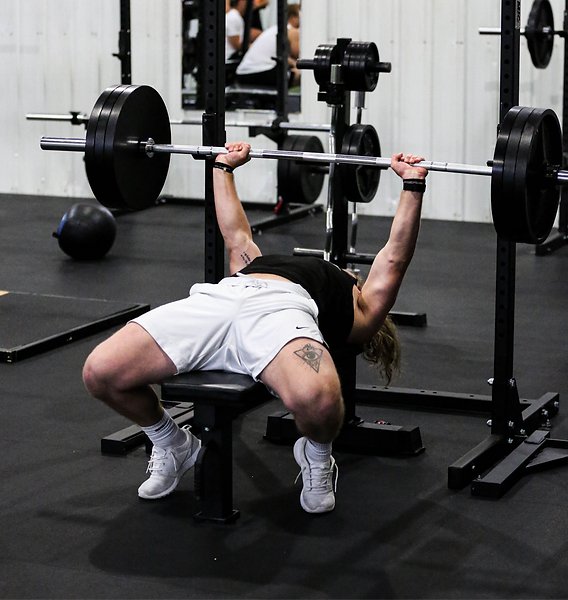
Benches support your body during exercises like bench presses and step-ups, allowing you to target muscles from different angles. Adjustable benches give you the flexibility to perform incline, decline, or flat presses to hit your chest and shoulders differently.
Racks are essential for safety, especially when lifting heavy barbells. Power racks let you lift solo while providing safety bars to catch the weight if you fail a rep. They also offer a place to store your bars and plates, keeping your space organized.
Are you using your bench and rack to their full potential, or just scratching the surface of what they can do for your gains?
Common Mistakes To Avoid
Weight lifting is a powerful tool for building strength and improving health, but certain mistakes can hold you back or even cause injury. Recognizing common pitfalls helps you get the most from every session and keeps your progress steady. Are you confident you’re avoiding these traps?
Poor Form Issues
Poor form is the most common mistake in weight lifting. It not only reduces the effectiveness of your workout but also increases the risk of injury. For example, rounding your back during deadlifts puts unnecessary strain on your spine.
Focus on controlled, deliberate movements. Use a mirror or record yourself to check your posture. If needed, ask a trainer to correct your technique early on.
Overtraining Risks
It’s easy to think more is better, but overtraining can cause fatigue, muscle soreness, and even setbacks. Your muscles need time to repair and grow stronger after lifting. Ignoring rest days can lead to burnout and injuries.
Listen to your body. If you feel persistent pain or extreme tiredness, it’s a sign to slow down. Plan rest days and alternate muscle groups to keep your routine balanced.
Neglecting Warm-up And Cool-down
Skipping warm-up and cool-down phases is a mistake that can hurt your performance and recovery. Warming up increases blood flow to muscles, preparing them for heavy lifting. Cooling down helps reduce stiffness and promotes healing.
Spend at least 5-10 minutes warming up with light cardio or dynamic stretches. After your workout, do static stretches and deep breathing to relax your muscles. How often do you make this step a priority?
Credit: www.barraisingfitness.com
Tracking Progress Effectively
Tracking your progress in weight lifting is crucial to see real improvements and stay motivated. Without a clear record, it’s easy to lose sight of your gains or miss signs that your routine needs a tweak. Keeping track helps you understand what works and what doesn’t, so you can push yourself smarter, not just harder.
Logging Workouts
Writing down your workouts is the simplest way to track progress. You can use a notebook, a spreadsheet, or a fitness app—whatever feels easiest for you. Record the exercises, weights, sets, and reps every session.
Try to note how you felt during the workout too. Did you struggle on the last set, or did it feel easy? This feedback helps you adjust the intensity next time. Have you ever realized you were stuck because you didn’t know when to increase your weights?
Measuring Strength Gains
Tracking numbers alone isn’t enough; measuring strength gains means looking at your overall improvement. Test your max lifts or see if you can do more reps with the same weight. These benchmarks show real growth.
Keep in mind that strength can improve even if the scale doesn’t move. Focusing on how much you can lift or how many reps you can complete gives a clearer picture of your progress. What new personal best could you aim for this month?
Adjusting Your Routine
Data from your logs and strength tests reveal when it’s time to change your workout. If you notice your progress plateauing, consider adding more weight, changing exercises, or increasing volume. Small tweaks keep your muscles challenged.
Don’t be afraid to experiment. Changing your routine doesn’t mean starting over—it means evolving. Are you listening to your body enough to know when to push harder or when to rest?
Frequently Asked Questions
What Are The Main Types Of Weight Lifting Exercises?
The main types include compound, isolation, free weights, and machine exercises. Compound lifts work multiple muscles. Isolation targets one muscle. Free weights enhance balance, while machines guide motion for safety.
How Do Compound Exercises Benefit Weight Lifting?
Compound exercises engage multiple muscle groups simultaneously. They improve strength, coordination, and calorie burn. Examples are squats, deadlifts, and bench presses. These lifts build overall muscle and functional fitness effectively.
Which Weight Lifting Exercises Are Best For Beginners?
Beginners should start with bodyweight movements and basic free weights. Squats, push-ups, and dumbbell presses are ideal. These exercises build a foundation, improve form, and reduce injury risk.
What Is The Difference Between Free Weights And Machines?
Free weights require balance and engage stabilizer muscles. Machines control movement paths and are safer for beginners. Both types build strength but serve different training goals and experience levels.
Conclusion
Weight lifting includes many types of exercises for strength and health. Each type targets different muscles and helps build power. Try to mix exercises to keep workouts fresh and balanced. Consistency matters most for seeing good results. Start with light weights and increase slowly to avoid injury.
Enjoy the process and listen to your body’s needs. Weight lifting can improve your energy and confidence. Keep learning and practicing for better strength every day.







