
Are you tired of that persistent back pain that seems to never go away? You’re not alone.
Many people struggle with back discomfort, and it’s more common than you might think. But there’s a light at the end of the tunnel. Imagine waking up in the morning feeling refreshed, without that familiar ache in your back. Sounds like a dream, right?
Well, here’s the good news: yoga could be your secret weapon. Yoga for back pain beginners is an accessible and effective way to ease your pain and improve your quality of life. This isn’t about bending like a pretzel or achieving impossible poses. It’s about simple, gentle movements that anyone can do, even if you’re new to yoga. You’ll discover how easy it can be to start incorporating yoga into your routine and how it can make a noticeable difference in how you feel every day. Keep reading to find out how you can take the first step towards a pain-free life.
Causes Of Back Pain
Back pain affects many people of all ages. It can start suddenly or develop slowly over time. Understanding what causes back pain helps in finding the right relief. Some causes are easy to fix, while others need more care. Yoga can help ease pain by addressing these causes safely.
Common Triggers
Back pain often comes from simple daily actions. These triggers can cause muscles to tighten or strain.
- Lifting heavy objects incorrectly
- Sudden movements or twists
- Overuse of back muscles
- Injuries or falls
- Stress and tension in the body
- Sleeping on a poor mattress
These triggers can lead to discomfort and stiffness. Yoga can gently stretch and strengthen muscles to reduce pain.
Posture And Lifestyle Factors
Bad posture is a common cause of back pain. Sitting or standing incorrectly puts pressure on the spine. Poor posture affects muscles and joints, causing pain over time.
- Slouching while sitting
- Hunching over a desk or phone
- Sitting for long hours without breaks
- Wearing high heels or unsupportive shoes
- Lack of physical activity
- Excess body weight
Changing habits and practicing good posture helps reduce back strain. Yoga teaches body awareness and encourages better alignment.
Credit: myyogateacher.com
Benefits Of Yoga For Back Pain
Yoga offers many benefits for people with back pain. It helps the body heal by improving movement and reducing tightness. Practicing yoga regularly can ease pain and make daily activities easier. The gentle stretches and poses support the spine and muscles.
Yoga also helps the mind relax. Stress often makes back pain worse. Yoga calms the mind and lowers stress levels. This creates a positive cycle of healing for the back and overall health.
Improved Flexibility
Yoga gently stretches muscles and soft tissues around the spine. This increases flexibility and reduces stiffness. Better flexibility helps the back move freely without pain. It also lowers the chance of injuries during daily tasks.
Strengthening Core Muscles
Strong core muscles support the spine and reduce strain. Yoga poses target these muscles, making them stronger and more stable. A strong core helps maintain good posture and balance. This reduces pressure on the back and prevents pain from returning.
Stress Reduction
Stress causes muscles to tense up and worsen back pain. Yoga uses breathing exercises and meditation to calm the mind. This lowers stress and muscle tightness around the back. A relaxed body heals faster and feels less pain.
Preparing For Yoga Practice
Preparing for your yoga practice sets the stage for a comfortable and effective session, especially when you’re dealing with back pain. Taking time to create the right environment and gather the proper tools can make a big difference in how your body responds to the poses. Let’s look at simple ways to get ready so you feel supported and safe from the very first stretch.
Choosing The Right Space
Your practice space should feel calm and free from distractions. Find a quiet corner with enough room to stretch out fully without bumping into furniture.
Natural light helps you stay alert and connected to your body. If possible, open a window for fresh air, which can help you breathe deeply and relax.
Think about the floor surface too. A hard floor with a yoga mat offers stability, while carpet can be too soft and may affect your balance.
Essential Props And Equipment
Props support your body, making poses more accessible and preventing strain on your back. Start with these basics:
- Yoga mat:Provides cushioning and grip to avoid slipping.
- Yoga blocks:Help reach the floor or support hands and back during stretches.
- Strap or belt:Aids in gently extending your reach without forcing your body.
- Bolster or folded blanket:Offers extra padding under your hips or knees for comfort.
Investing in these props can transform a challenging pose into a pain-free stretch, especially for beginners.
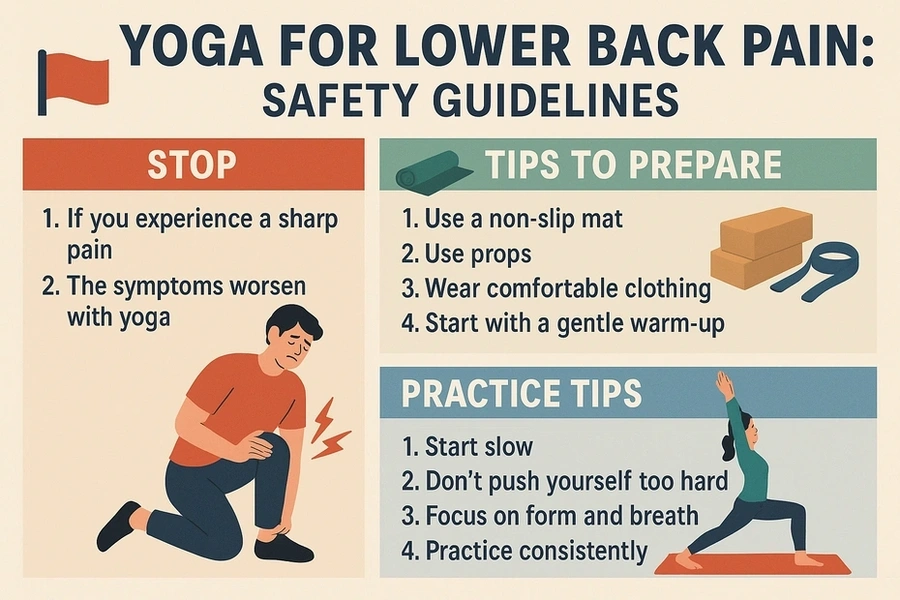
Safety Tips For Beginners
Listen carefully to your body throughout your practice. Pain is a signal, not a challenge to push through.
Start slow and focus on alignment. Incorrect posture can worsen back pain rather than relieve it.
Consider consulting a healthcare professional before you begin, especially if your back pain is severe or persistent.
Remember, yoga isn’t about touching your toes—it’s about building strength and flexibility safely. Are you ready to treat your back with the care it deserves?
Credit: drmadanmohanreddy.com
Simple Yoga Poses For Back Pain
Simple yoga poses can be a gentle yet effective way to relieve back pain, especially if you’re just starting out. These poses focus on stretching and strengthening the muscles that support your spine. You don’t need to be flexible or experienced—just a few minutes a day can make a noticeable difference.
Child’s Pose
This pose helps stretch your lower back and hips, easing tension. Kneel on the floor, sit back on your heels, and stretch your arms forward while lowering your chest toward the ground. Feel your back lengthen as you breathe deeply and relax into the stretch.
Cat-cow Stretch
The Cat-Cow stretch warms up your spine and improves flexibility. Start on your hands and knees, arch your back up like a cat, then slowly dip it down toward the floor like a cow. Moving between these poses keeps your spine mobile and reduces stiffness.
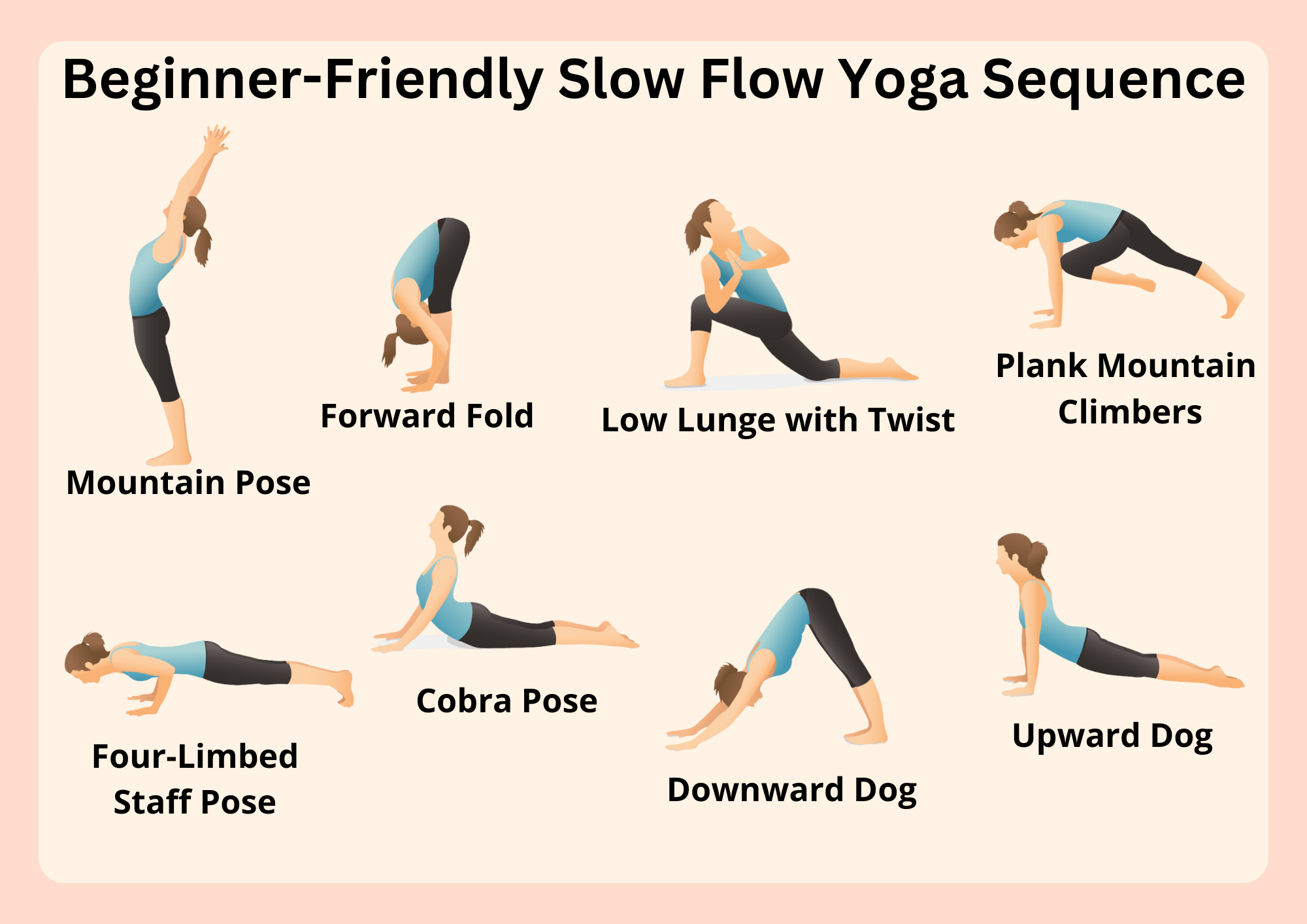
Downward Dog
This pose strengthens your entire back and shoulders while gently stretching your hamstrings. From hands and knees, lift your hips toward the ceiling to form an inverted V shape. If your hamstrings feel tight, bend your knees slightly to avoid strain.
Sphinx Pose
The Sphinx pose is a gentle backbend that opens your chest and strengthens your lower back. Lie on your stomach and prop yourself up on your forearms, keeping your elbows under your shoulders. This position encourages a natural curve in the spine without pressure.
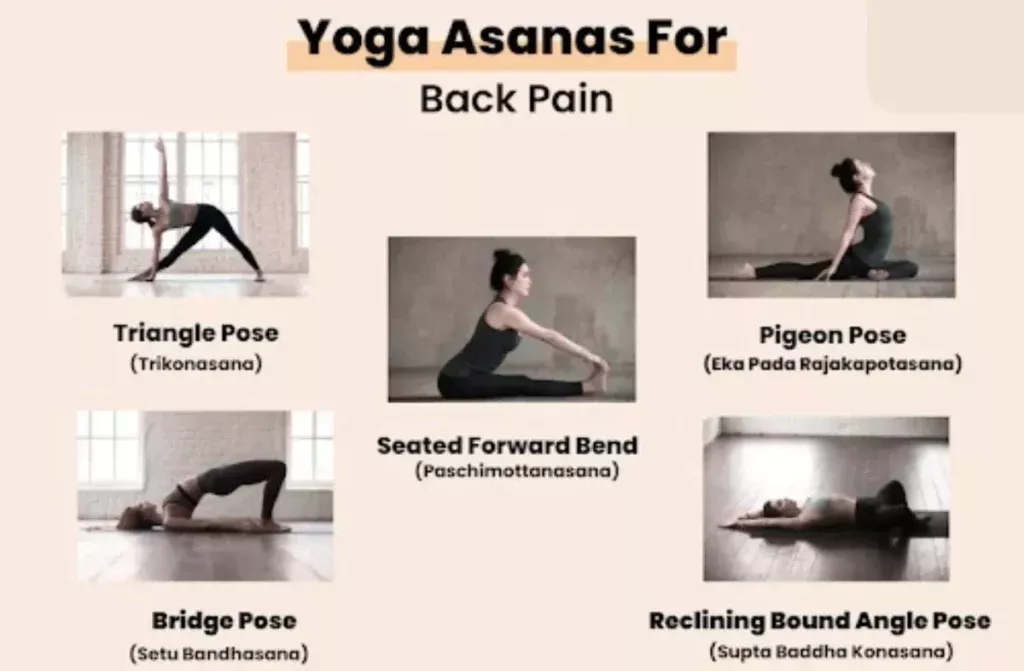
Bridge Pose
Bridge pose strengthens your lower back and glutes while opening your chest. Lie on your back with knees bent and feet flat on the floor, then lift your hips toward the ceiling. Engage your core and legs to support your back as you hold the position.
Breathing Techniques To Enhance Relief
Breathing techniques can significantly improve your yoga practice for back pain relief. They calm your nervous system and increase oxygen flow to tense muscles. Learning how to breathe effectively helps you stay focused and relaxed during poses, making your back feel better faster.
Deep Diaphragmatic Breathing
This technique encourages you to breathe deeply into your belly rather than shallowly into your chest. Sit or lie down comfortably, then place one hand on your belly and the other on your chest.
As you inhale slowly through your nose, feel your belly rise under your hand while your chest stays still. Exhale gently through your mouth, letting your belly fall. This simple exercise can reduce muscle tension in your lower back and improve posture.
Have you noticed how shallow breathing tightens your back? Deep diaphragmatic breathing releases that tension and promotes better spinal alignment.
Ujjayi Breath
Ujjayi breath, also known as “victorious breath,” adds a soft ocean-like sound to your breathing. To practice, inhale through your nose, slightly constricting the back of your throat to create a gentle hissing sound.
Exhale through your nose while maintaining the throat constriction, keeping the breath steady and even. This technique builds heat in your body and helps you stay present in each yoga pose.
When your breath is steady, your mind stays calmer, and your back muscles relax more deeply. Can you feel how this breath connects your movements and eases your pain?
Credit: myyogateacher.com
Creating A Daily Yoga Routine
Creating a daily yoga routine is key to easing back pain and building long-term strength. Consistency helps your body adjust gently and prevents overdoing it. The goal is to make yoga a simple, enjoyable part of your day that supports healing and relaxation.
Duration And Frequency
Start with short sessions of 10 to 15 minutes, especially if you’re new to yoga or dealing with significant back pain. This duration is enough to stretch and strengthen without overwhelming your muscles.
Try to practice at least 4 to 5 times a week. Daily movement keeps your back flexible and helps reduce stiffness. Ask yourself: can you spare just 10 minutes each day to feel better?
As your body adapts, gradually increase your session length to 20 or 30 minutes. But remember, quality matters more than quantity. Focus on mindful breathing and proper form rather than rushing through poses.
Combining Poses For Maximum Effect
Pairing certain poses can target different areas of your back and improve overall relief. For example, follow a gentle forward bend with a gentle backbend to balance stretching and strengthening.
- Cat-Cow Pose:Warms up your spine with flexion and extension.
- Child’s Pose:Offers a soothing stretch to the lower back.
- Bridge Pose:Strengthens the lower back and core muscles.
Mix these poses to create a flow that feels good for your body. Have you noticed how combining stretches with strengthening moves can change how your back feels?
Remember, listen to your body closely. If a pose causes sharp pain, stop and try a modified version or skip it. Your routine should support healing, not cause discomfort.
When To Seek Professional Help
Knowing when to seek professional help is crucial for safe yoga practice, especially for back pain beginners. Yoga can ease discomfort but may worsen certain conditions. Awareness of warning signs helps protect your health. Professionals can provide tailored guidance for your unique needs.
Signs To Watch For
- Sharp or worsening pain during or after yoga
- Numbness or tingling in legs or arms
- Loss of bladder or bowel control
- Weakness in muscles or difficulty moving
- Pain lasting more than a few days without improvement
Consulting A Yoga Therapist Or Doctor
A yoga therapist understands back pain and safe yoga poses. They can design a plan just for you. A doctor can diagnose the cause of pain and advise on treatment. Both professionals can work together to support your healing journey. Always share your symptoms clearly with them.
Frequently Asked Questions
What Yoga Poses Help Reduce Back Pain For Beginners?
Gentle poses like Cat-Cow, Child’s Pose, and Cobra effectively relieve back pain. These stretches improve flexibility and strengthen core muscles, supporting the spine.
How Often Should Beginners Practice Yoga For Back Pain?
Beginners should practice yoga 3 to 4 times a week. Consistent practice helps build strength and flexibility, reducing back pain gradually and safely.
Can Yoga Worsen Back Pain If Done Incorrectly?
Yes, incorrect yoga poses or poor alignment can increase back pain. Beginners should follow guided instructions or work with an experienced teacher to avoid injury.
Is Yoga Safe For All Types Of Back Pain?
Yoga is generally safe for most back pain types but consult a doctor first. Some conditions may require modified poses or alternative treatments.
Conclusion
Practicing yoga regularly can help reduce back pain gently. Start slow and focus on your body’s signals. Consistency brings better flexibility and less discomfort. Simple poses ease tension and build strength over time. Remember to breathe deeply and move with care.
Yoga supports healing but does not replace medical advice. Stay patient and enjoy small improvements each day. Your back will thank you for the effort. Keep practicing, and comfort will grow naturally.







