
Have you ever thought about trying yoga but felt too intimidated to start? You’re not alone.
Many people feel overwhelmed by the idea of joining a class filled with experienced yogis. But what if I told you that you can begin your yoga journey right from the comfort of your home? Imagine rolling out your mat in your living room, wearing your favorite comfy clothes, and moving at your own pace.
Sounds appealing, right? At-home yoga for beginners isn’t just accessible; it’s a fun and rewarding way to improve your physical and mental well-being. Dive into this article to discover simple steps and tips to kickstart your yoga practice and transform your daily routine. Don’t miss out on unlocking a new, healthier you.
Benefits Of At Home Yoga
At home yoga offers many benefits that improve your body and mind. It creates a calm space for practice. You can focus on your health without distractions. Practicing yoga regularly at home helps build habits that last. The benefits reach far beyond just exercise.
Physical Health Improvements
Yoga at home supports better posture and balance. It helps reduce muscle pain and stiffness. Regular practice can lower blood pressure and improve heart health. It also boosts your energy and stamina. You strengthen muscles gently without harsh impact.
Mental Wellness Boosts
Yoga calms the mind and eases stress. Deep breathing and meditation reduce anxiety and worry. It enhances focus and sharpens your attention. You feel more relaxed and sleep better at night. The quiet time helps clear your thoughts.
Flexibility And Strength Gains
Yoga stretches your muscles and improves flexibility. Over time, joints move more freely and easily. You build strength in core and limbs without heavy weights. This balance of strength and stretch supports overall fitness. It helps prevent injuries and keeps you active.
Preparing Your Space
Creating a dedicated space for yoga at home helps build a steady practice. This space should feel inviting and peaceful. Small changes make a big difference in comfort and focus. Preparing your space sets the tone for every session. Here are some tips to get started.
Choosing The Right Spot
Pick a quiet area with enough room to stretch. Natural light is a plus but not a must. Avoid high-traffic zones to limit distractions. A flat, clean floor works best for balance and safety. Make sure the space feels open and breathable. This helps your mind stay clear and calm.
Essential Equipment
Start with a good yoga mat for grip and cushioning. Comfortable clothes that allow free movement are important. Optional items include blocks, straps, and a cushion. These tools support poses and improve comfort. Keep equipment nearby to avoid interruptions. Simple gear keeps your practice smooth and focused.
Creating A Calm Environment
Remove clutter and keep the area tidy. Soft lighting or candles add warmth and calmness. Play gentle music or nature sounds if it helps you relax. A pleasant scent from incense or essential oils can enhance mood. Temperature should be comfortable, not too hot or cold. These details create a soothing space for your mind and body.
Basic Yoga Poses For Beginners
Starting yoga at home can feel overwhelming, but focusing on a few basic poses helps build confidence and strength. These poses are simple, yet powerful tools to calm your mind and stretch your body. You don’t need fancy equipment—just your body and a little space.
Mountain Pose
Mountain Pose might look like standing still, but it’s the foundation for all yoga poses. Stand tall with feet hip-width apart, arms relaxed at your sides. Feel the ground beneath your feet and engage your core as you lengthen your spine.
Can you sense how standing with intention affects your posture throughout the day? Try holding this pose for a minute and notice the difference in your balance and focus.
Downward Dog
This pose stretches your entire body and energizes your muscles. Start on your hands and knees, then lift your hips toward the ceiling, forming an upside-down V shape. Keep your hands shoulder-width apart and feet hip-width apart, pressing your heels toward the floor.
Does your back feel tight after sitting for hours? Downward Dog can relieve stiffness and improve circulation quickly. Remember, it’s okay if your heels don’t touch the floor right away—focus on lengthening your spine.
Child’s Pose
Need a moment to rest? Child’s Pose offers a gentle stretch for your back and hips while calming your mind. Kneel on the floor, sit back on your heels, and stretch your arms forward or rest them by your sides.
This pose invites you to pause and connect with your breath. How often do you give yourself permission to simply slow down?
Cat-cow Stretch
Cat-Cow stretches improve spinal flexibility and release tension in your back and neck. Start on your hands and knees. As you inhale, arch your back and lift your head (Cow Pose). Exhale, round your spine and tuck your chin (Cat Pose).
Try syncing this movement with your breath. Can you feel how your spine becomes more mobile with each cycle?
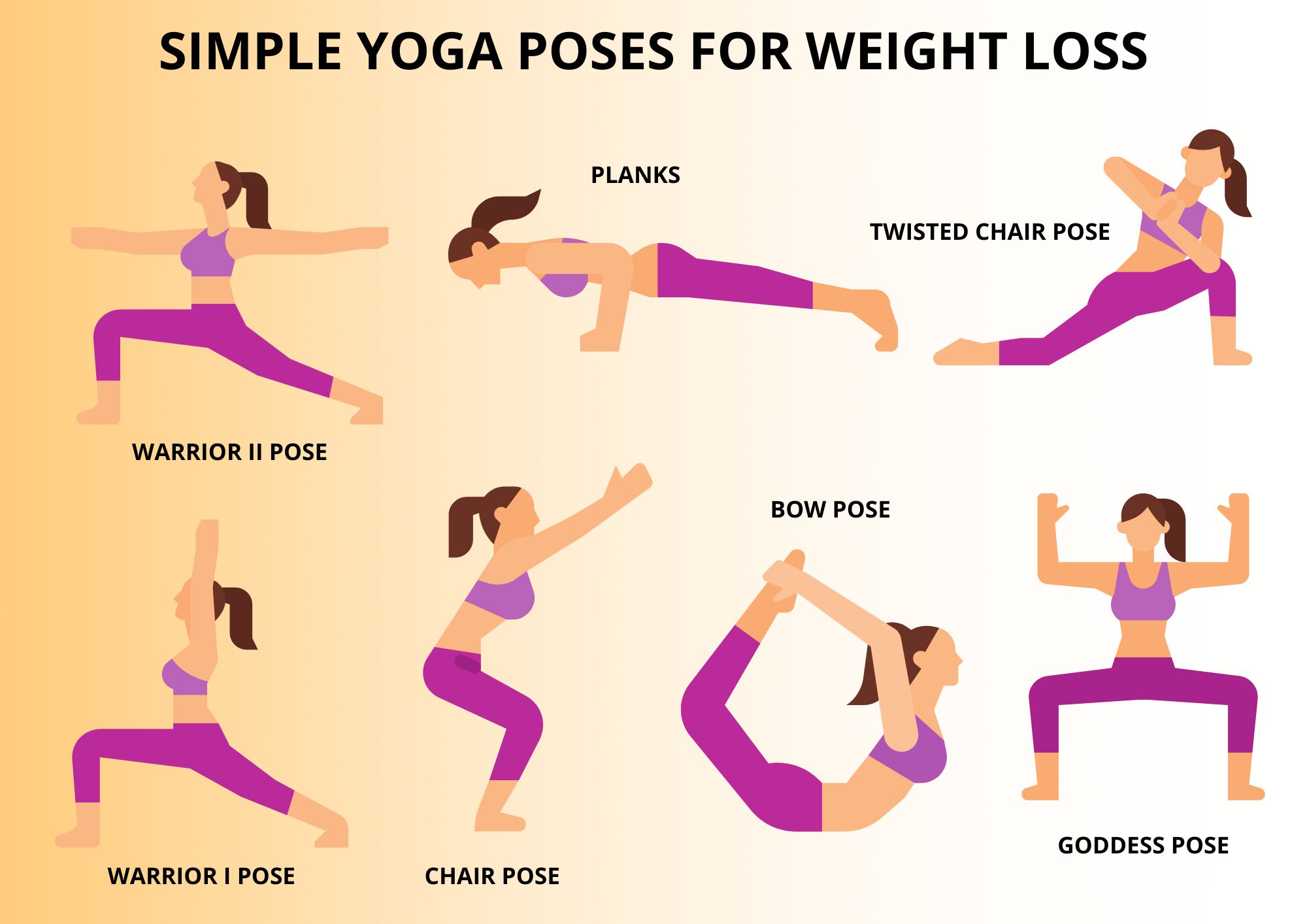
Warrior I
This pose builds strength and stability, especially in your legs and core. Step one foot forward and bend the knee, keeping the other leg straight behind you. Raise your arms overhead and look forward.
Warrior I challenges your balance and focus. How does holding this pose change your awareness of strength in your body?

Credit: apps.apple.com
Breathing Techniques
Breathing techniques form the foundation of any yoga practice, especially when you start at home. They help you connect your body and mind, bringing calmness and focus. Mastering your breath can improve your posture, reduce stress, and make your yoga poses more effective.
Simple Breath Awareness
Begin by sitting comfortably and closing your eyes. Notice how your breath naturally flows in and out without trying to change it. This simple awareness helps you understand your current state of mind and body.
Try counting your breaths silently. Inhale for a count of four, then exhale for a count of four. This gentle rhythm can ground you and prepare you for deeper breathing exercises.
Have you ever realized how often your breath becomes shallow during stressful moments? Paying attention to your breath is the first step to calming those moments down.
Deep Breathing Exercises
Deep breathing involves filling your lungs fully and exhaling completely. Start by inhaling slowly through your nose, letting your belly rise as your lungs fill with air. Then exhale through your mouth, feeling your belly fall.
You can try the 4-7-8 technique: breathe in for 4 seconds, hold for 7, and breathe out for 8. This method can help reduce anxiety and improve sleep quality.
When I first practiced deep breathing, I noticed my mind stopped racing, even during a hectic day. What might happen if you gave yourself just five minutes of deep breathing right now?
Building A Routine
Creating a consistent yoga routine at home brings many benefits. It helps develop discipline and improves your practice steadily. Building a routine makes yoga a natural part of your daily life. It reduces stress and boosts your mood. Starting simple and staying regular is key to success.
Setting Realistic Goals
Set goals that match your current lifestyle. Small and clear goals work best. For example, aim to practice yoga three times a week. Choose poses and sessions that suit your skill level. Avoid overwhelming yourself with too many goals at once. Realistic targets keep you motivated and prevent burnout.
Duration And Frequency Tips
Start with short sessions, about 10 to 15 minutes each. Gradually increase the time as you feel comfortable. Practicing 3 to 5 times per week is ideal for beginners. Consistency matters more than length. Even a few minutes daily can improve your flexibility and strength over time.
Tracking Your Progress
Keep a simple journal or use an app to note your practice. Record the date, duration, and poses you tried. Tracking helps you see improvements and stay motivated. Celebrate small achievements like holding a pose longer or feeling more relaxed. This habit builds confidence and keeps your routine on track.
Credit: myyogateacher.com
Common Mistakes To Avoid
Starting yoga at home can be rewarding, but it’s easy to slip into habits that slow your progress or cause discomfort. Recognizing common mistakes helps you build a safer, more effective practice. Let’s look at some pitfalls many beginners face and how to avoid them.
Skipping Warm-ups
Warm-ups prepare your body and mind for yoga, reducing the risk of injury. Skipping them might seem like saving time, but it often leads to stiffness or strains. A simple routine of gentle stretches or breathing exercises can make a big difference in how your body responds.
Think about your last session—did you jump straight into poses? How did your muscles feel afterward? Adding even five minutes of warming up can improve your flexibility and focus.
Pushing Too Hard
It’s tempting to push yourself to nail a pose quickly, but forcing your body can cause pain or setbacks. Yoga is about listening to your limits and respecting your current strength and flexibility. Progress comes from consistency, not intensity.
Ask yourself: Are you holding a pose because it feels right, or because you want to prove something? If there’s discomfort or sharp pain, ease off and try again gently next time.
Ignoring Proper Form
Proper form is crucial for safety and effectiveness. Without guidance, it’s easy to develop bad habits that strain muscles or joints. Watching videos or using mirrors can help you check your alignment.
Remember, a pose that looks perfect but feels wrong is not correct form. Focus on how your body feels—are you balanced and stable? Is your breathing steady? Adjust accordingly to avoid injury and maximize benefits.
Resources For Continued Practice
Continuing your yoga practice at home requires reliable resources. These tools help keep routines fresh and inspiring. They support growth and build confidence in your yoga journey.
Many resources suit beginners well. They offer guidance, structure, and community support. Choosing the right resource makes practice easier and more enjoyable.
Recommended Apps
Yoga apps provide easy access to classes anytime. They often include step-by-step instructions and videos. Some popular apps offer:
- Beginner-friendly routines
- Customizable session lengths
- Progress tracking features
- Calm and focus exercises
Apps make practicing yoga flexible and convenient.
Online Classes
Online classes give live or recorded lessons. They provide expert guidance from certified instructors. Benefits include:
- Structured learning paths
- Varied styles and difficulty levels
- Opportunity to ask questions
- Access from home
These classes help deepen understanding and improve form.
Yoga Communities
Joining a yoga community creates connection and motivation. These groups share tips, experiences, and encouragement. You can find communities on social media or forums. Advantages include:
- Support from fellow beginners
- Shared challenges and achievements
- Access to group events or workshops
- Inspiration to stay consistent
Communities turn solo practice into a shared journey.

Credit: www.youtube.com
Frequently Asked Questions
What Are The Best Yoga Poses For Beginners At Home?
Start with simple poses like Child’s Pose, Downward Dog, and Cat-Cow. These improve flexibility and build strength safely. They require no special equipment and help you learn basic breathing techniques.
How Often Should Beginners Practice Yoga At Home?
Aim for 3 to 5 sessions per week, each lasting 20 to 30 minutes. Consistency helps build strength, flexibility, and mindfulness. Avoid overdoing it to prevent injury and burnout.
Do I Need Special Equipment For At-home Yoga?
A yoga mat is recommended for comfort and grip. Comfortable clothing and a quiet space enhance your practice. Props like blocks or straps help with posture but aren’t necessary for beginners.
How Can Beginners Stay Motivated With Home Yoga Practice?
Set clear goals and create a regular schedule. Use online classes or apps to guide your sessions. Track progress to stay inspired and celebrate small achievements.
Conclusion
Starting yoga at home brings calm and strength to your life. Small steps each day build better balance and focus. No need for fancy gear or a gym membership. Just a quiet space and your body’s movement. Remember, patience matters more than perfection.
Enjoy the journey and feel your body grow. Yoga helps both mind and body feel fresh. Keep practicing, and you will see progress soon. Your health and happiness will thank you. Simple, steady, and consistent—that is the key.







