
Are you ready to transform your fitness journey with weightlifting? Whether you’re a beginner or a seasoned lifter, knowing the different types of weightlifting exercises can unlock new levels of strength and muscle growth.
With so many options out there, it can be overwhelming to know where to start or what will work best for your goals. But don’t worry; we’ve got you covered. This guide will dive into various weightlifting exercises, breaking them down into simple terms that anyone can understand.
Get ready to discover how these exercises can revolutionize your workout routine and help you achieve the results you’ve always wanted. Keep reading to find the perfect exercises tailored just for you.
Compound Weightlifting Moves
Compound weightlifting moves target multiple muscle groups at once. They build strength and improve coordination. These exercises also burn more calories than isolation moves. Compound lifts are key for overall fitness and muscle growth. They engage muscles, joints, and core stability together.
Squats For Power
Squats work the legs, hips, and lower back. They build power and balance. Proper form means keeping your chest up and knees tracking over toes. Squats strengthen the quads, hamstrings, and glutes simultaneously. This move helps improve athletic performance and daily movements.
Deadlifts Basics
Deadlifts target the lower back, glutes, and hamstrings. They teach proper hip hinge mechanics. Start with a flat back and tight core. Pull the bar close to your body as you lift. Deadlifts build strength for lifting objects safely and effectively.
Bench Press Variations
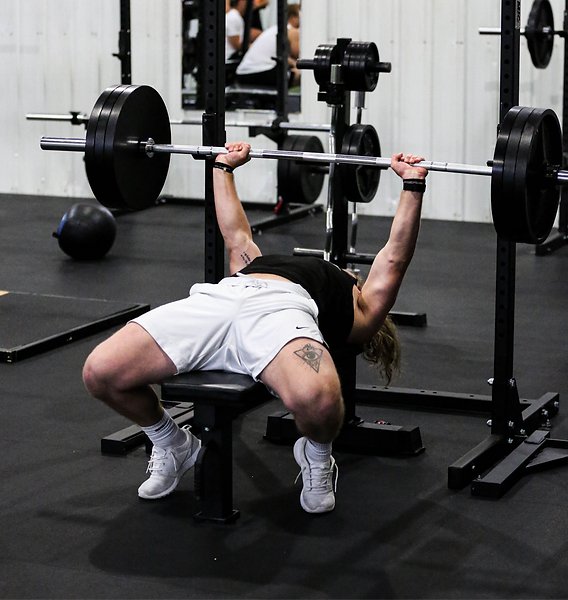
The bench press focuses on the chest, shoulders, and triceps. Variations include flat, incline, and decline presses. Each variation targets muscles differently. Keep your feet flat and back slightly arched. Controlled movement improves muscle activation and reduces injury risk.
Overhead Press Techniques
The overhead press works the shoulders, triceps, and upper chest. Stand with feet shoulder-width apart for stability. Press the barbell or dumbbells overhead in a straight line. This move enhances upper body strength and posture. Core engagement is essential for balance and support.
Isolation Exercises
Isolation exercises target a specific muscle group, allowing you to focus your effort and improve strength in a precise area. These exercises are great for correcting muscle imbalances and enhancing muscle definition. If you want to build strength in one spot without involving other muscles, isolation moves are your go-to.
Bicep Curl Styles
Bicep curls come in many forms, each emphasizing a different part of your biceps. You can try the classic dumbbell curl to work both heads equally or hammer curls to target the brachialis for thicker arms.
Using an EZ bar curl changes your wrist position, which may reduce strain and focus more on the outer bicep. Have you noticed how switching grip angles can change the burn? Experimenting with these styles can help you find what feels best for your arms.
Tricep Extension Options
Tricep extensions isolate the muscles at the back of your arms, helping you build strength and definition there. Overhead extensions stretch the long head of the triceps, while cable pushdowns focus on the lateral and medial heads.
Using dumbbells or cables can change the resistance pattern, making your triceps work differently. Have you tried both to see which gives you a better contraction? Mixing these options keeps your workouts fresh and effective.
Leg Curl And Extension
Leg curls and extensions isolate your hamstrings and quadriceps, respectively, allowing you to strengthen your legs without involving your hips or lower back. Machine leg curls target the hamstrings, which are crucial for knee stability and sprinting speed.
Leg extensions focus on the quads, helping improve knee support and overall leg power. If you feel weak in these areas, adding isolation moves can improve your performance in squats and running.
Calf Raise Methods
Calf raises isolate your gastrocnemius and soleus muscles, improving ankle strength and calf shape. Standing calf raises put more focus on the gastrocnemius, while seated calf raises target the soleus muscle underneath.
Using a weighted bar or just your body weight can change the difficulty and muscle activation. How often do you work your calves directly? Many people overlook this, yet stronger calves can enhance balance and athletic performance significantly.
Bodyweight Weightlifting Alternatives
Bodyweight exercises offer powerful alternatives to traditional weightlifting. They use your own body as resistance, making them accessible anywhere without special equipment. You can build strength, improve endurance, and boost muscle tone with these moves.
Push-up Variations
Push-ups work your chest, shoulders, and triceps efficiently. Try different variations like wide-arm, diamond, or incline push-ups to target muscles differently. If you want more challenge, add a clap or elevate your feet to increase intensity.
Have you noticed how changing hand placement alters the muscle focus? Experimenting keeps your workouts fresh and prevents plateaus.
Pull-up Techniques
Pull-ups are excellent for building upper body and back strength. If you struggle with full pull-ups, start with assisted versions using a resistance band or jump to the bar and lower slowly. Over time, you’ll gain the strength needed for unassisted pull-ups.
Different grips—overhand, underhand, or neutral—target your muscles in unique ways. Which grip challenges you the most right now?
Dips For Strength
Dips target your triceps, shoulders, and chest. You can perform them on parallel bars or even sturdy chairs at home. Keep your body upright to focus on triceps or lean forward slightly to engage your chest more.
Adding slow negatives (lowering yourself slowly) can increase difficulty without extra weight. How slow can you go while maintaining control?
Bodyweight Squats
Squats engage your legs and glutes and improve core stability. Start with basic bodyweight squats and focus on form—feet shoulder-width apart, back straight, knees tracking over toes. To increase difficulty, try jump squats or single-leg pistol squats.
Have you tracked how your squat depth affects muscle activation? Small adjustments make a big difference in results.

Credit: www.greensafaris.com
Olympic Weightlifting Lifts
Olympic weightlifting lifts are a core part of strength training and athletic development. These lifts focus on speed, power, and technique. They require full-body coordination and explosive strength.
The two main Olympic lifts are the Clean and Jerk and the Snatch. Each lift has unique steps and fundamentals to learn. These lifts improve muscle strength, balance, and flexibility.
Clean And Jerk Steps
The Clean and Jerk is a two-part lift. The goal is to lift the barbell from the floor to overhead in two movements.
- Clean:Lift the barbell from the floor to the shoulders in one motion.
- Jerk:Push the barbell overhead while splitting the legs or using a quick dip and drive.
Start with feet hip-width apart and grip the barbell firmly. Use your legs and hips to pull the bar up quickly. Catch the bar on your shoulders in a squat position. Stand up straight before preparing for the jerk. Dip slightly by bending your knees and then explode upward. Push the barbell overhead and lock your arms. Finish by standing tall with the barbell steady above your head.
Snatch Fundamentals
The Snatch is a single, continuous movement. It lifts the barbell from the floor directly to overhead in one motion.
- Start with a wide grip on the barbell.
- Keep your back flat and chest up.
- Pull the barbell quickly and extend your hips and legs fully.
- Drop into a squat position while lifting the bar overhead.
- Lock your arms and stand up straight with the barbell overhead.
The Snatch requires speed and balance. It builds explosive power and improves coordination. Practice the technique slowly before adding more weight.
Kettlebell Training Moves
Kettlebell training moves offer a dynamic way to build strength, improve coordination, and boost endurance. These exercises engage multiple muscle groups simultaneously, making your workouts efficient and effective. Whether you’re a beginner or advanced lifter, kettlebell moves challenge your stability and power in unique ways.
Kettlebell Swings
The kettlebell swing is a powerful move that targets your hips, glutes, and core. It involves a hip hinge motion that propels the kettlebell forward and upward, building explosive strength.
When I started kettlebell swings, I noticed my posture improved and my lower back felt stronger. Have you tried focusing on your hip drive rather than just lifting with your arms? That shift can make all the difference.
Turkish Get-up
The Turkish get-up is a full-body movement that tests your strength, balance, and mobility. You start lying down, then stand up while holding the kettlebell overhead with one arm.
This move requires patience and control. It helped me discover weaknesses in my shoulder stability that I hadn’t noticed before. Could this exercise reveal your hidden imbalances too?
Kettlebell Snatch
The kettlebell snatch is a fast, explosive lift that takes the kettlebell from a swing position directly overhead in one smooth motion. It builds power and endurance in your shoulders, back, and hips.
Mastering the snatch improved my cardiovascular fitness and grip strength simultaneously. Are you ready to push your limits with a move that combines speed and strength?

Credit: www.yahoo.com
Tips For Faster Strength Gains
Faster strength gains come from focused effort and smart planning. Understanding key tips helps you build muscle efficiently and safely. These tips improve your workouts and overall progress.
Progressive Overload
Progressive overload means gradually increasing the weight or reps. This challenges your muscles and forces growth. Avoid staying at the same level too long. Small increases keep your body adapting. Track your progress to stay on course.
Rest And Recovery
Muscles grow during rest, not workouts. Getting enough sleep is crucial for strength gains. Allow at least 48 hours before training the same muscle again. Overtraining leads to injury and slows progress. Use rest days to stay active with light activities.
Nutrition For Strength
Eating the right foods fuels muscle growth and repair. Protein is essential for building muscle tissue. Include lean meats, beans, and dairy in your meals. Carbohydrates provide energy for intense workouts. Don’t forget healthy fats for hormone balance. Drink plenty of water to stay hydrated.
Credit: www.barraisingfitness.com
Frequently Asked Questions
What Are The Main Types Of Weightlifting Exercises?
The main types include compound lifts, isolation exercises, Olympic lifts, and bodyweight resistance. Each targets different muscle groups and fitness goals.
How Do Compound Weightlifting Exercises Benefit You?
Compound exercises work multiple muscle groups simultaneously. They improve strength, coordination, and burn more calories compared to isolation exercises.
What Are Common Isolation Weightlifting Exercises?
Isolation exercises focus on one muscle group, like bicep curls or leg extensions. They help in muscle definition and injury recovery.
Why Include Olympic Weightlifting In Workouts?
Olympic lifts enhance power, speed, and overall athletic performance. They require technique and improve full-body coordination.
Conclusion
Weightlifting exercises come in many types to fit your goals. You can build strength with heavy lifts or improve endurance with lighter weights. Each exercise targets different muscles in your body. Try mixing types to keep workouts fresh and effective.
Remember to use proper form to avoid injury. Start with easier weights and increase slowly. Consistency matters more than lifting the heaviest weight. Choose exercises that you enjoy and can do regularly. Your body will grow stronger with time and effort.
Keep moving and stay patient for best results.







