
Imagine achieving your fitness goals faster and with less effort. What if the secret isn’t in pushing harder, but in giving your body the right amount of time to bounce back?
Workout recovery time is the unsung hero of your fitness routine. It’s the magic ingredient that can elevate your performance and keep injuries at bay. You might be wondering, how long should you really rest to maximize your gains? We’ll unlock the mysteries behind effective recovery, providing you with science-backed tips that can transform your workout results.
Keep reading to discover how tweaking your recovery approach can lead to a stronger, healthier you.
Importance Of Recovery
Recovery is a key part of any workout plan. It helps the body heal and become stronger. Skipping rest can lead to injuries and slow progress. Good recovery balances effort and rest. It keeps workouts safe and effective. Understanding recovery’s role is important for lasting fitness.
Muscle Repair And Growth
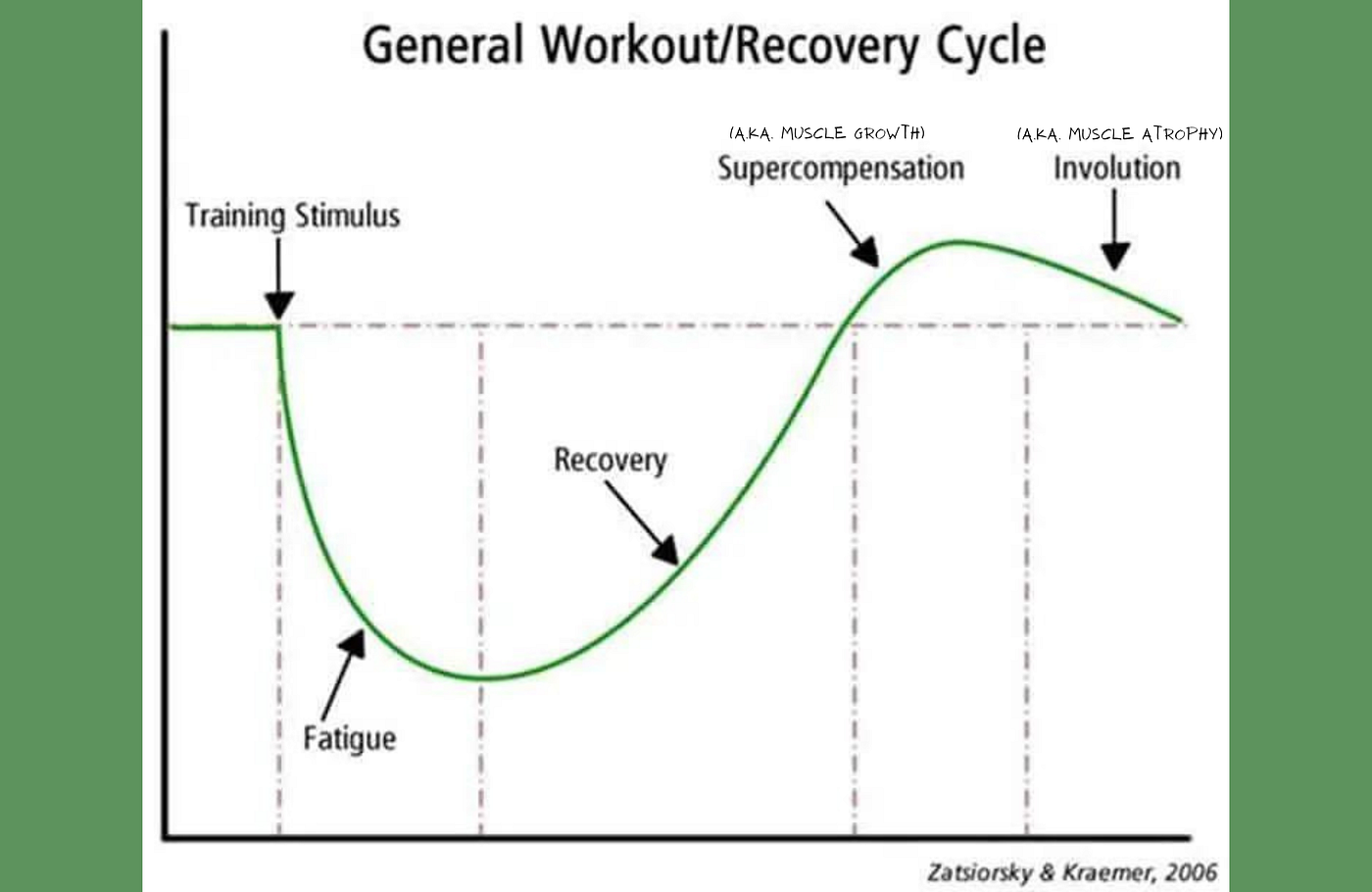
Exercise causes tiny muscle tears. Rest time lets muscles fix these tears. Repair makes muscles bigger and stronger. Without enough recovery, muscles stay weak. Proper rest supports steady muscle growth. It also reduces soreness after workouts.
Preventing Overtraining
Too much exercise without rest causes overtraining. Overtraining leads to fatigue and poor performance. It raises the risk of injury and illness. Rest days help avoid these problems. They give the body time to recharge. Preventing overtraining keeps training consistent and safe.
Enhancing Performance
Recovery improves strength, speed, and endurance. It helps the body adapt to workouts. Rest boosts energy and focus for each session. Recovery also improves sleep quality. Better rest supports better workout results.

Credit: www.patreon.com
Factors Affecting Recovery Time
Recovery time after a workout varies from person to person. Several key factors influence how quickly the body heals and rebuilds muscle. Understanding these factors helps optimize rest and improve overall performance.
Workout Intensity And Duration
The harder and longer the exercise, the more recovery the body needs. Intense workouts cause more muscle damage and fatigue. Short, light sessions usually require less rest. Balancing workout intensity and duration is essential for effective recovery.
Age And Fitness Level
Older adults generally need more time to recover than younger people. Fitness level also plays a role. Beginners often require longer recovery periods than experienced athletes. Regular training helps the body adapt and heal faster.
Nutrition And Hydration
Proper nutrition supports muscle repair and energy restoration. Protein intake is vital for muscle rebuilding. Carbohydrates replenish energy stores. Staying hydrated helps flush out toxins and reduces muscle soreness. Neglecting nutrition and fluids slows recovery significantly.
Effective Recovery Techniques
Effective recovery techniques play a crucial role in how quickly and well your body bounces back after a workout. Ignoring recovery can lead to fatigue, injury, and stalled progress. Let’s dive into some practical ways you can speed up healing and boost your performance.
Rest And Sleep
Rest is more than just downtime; it’s when your muscles repair and grow stronger. Aim for 7 to 9 hours of quality sleep each night to give your body the best chance to recover.
Think about the last time you skipped sleep after an intense workout. Did you notice slower muscle gains or feeling sluggish the next day? That’s your body telling you it needs rest.
Try to keep a consistent sleep schedule and create a relaxing bedtime routine. Avoid screens and caffeine before sleeping to help your body fully recharge.
Active Recovery Methods
Moving gently after a tough workout can actually speed up recovery. Low-intensity activities like walking, swimming, or yoga help increase blood flow and reduce soreness.
Instead of complete rest, try a 20-minute light session on your off days. This approach helped me shake off stiffness and return to training feeling fresher.
Remember, active recovery isn’t about pushing hard. It’s about keeping your body moving without strain.
Massage And Foam Rolling
Massage and foam rolling target tight muscles and knots that build up after exercise. These techniques improve circulation and help break up muscle adhesions.
Using a foam roller for 10-15 minutes post-workout can reduce muscle soreness and increase flexibility. You don’t need fancy equipment—just a basic foam roller and some patience.
Have you ever felt how a deep tissue massage releases tension instantly? Regular sessions or self-massage can be game changers for recovery.
Credit: medium.com
Nutrition For Faster Recovery
Nutrition plays a key role in how quickly your body recovers after a workout. What you eat can either speed up muscle repair or slow it down. Paying attention to the right nutrients helps reduce soreness and prepares you for your next session.
Protein Intake
Protein is essential for muscle repair and growth. Aim to consume high-quality protein sources like chicken, fish, eggs, or plant-based options such as beans and lentils within an hour after exercise.
Did you know that spreading your protein intake throughout the day can improve recovery? Try to eat moderate amounts every 3-4 hours instead of a large portion all at once.
Carbohydrates And Fats
Carbohydrates refill your energy stores, especially glycogen, which muscles use during exercise. Choose whole grains, fruits, and vegetables to get steady energy and vital nutrients.
Healthy fats, like those found in nuts, avocados, and olive oil, support inflammation control and hormone balance. Including these fats in your meals helps your body heal efficiently.
Supplements To Consider
Some supplements may assist your recovery when used correctly. Creatine supports muscle energy, while omega-3 fatty acids can reduce inflammation after intense workouts.
Have you tried branched-chain amino acids (BCAAs)? They might help decrease muscle soreness and speed up repair, especially if your protein intake is low.
Remember, supplements should complement a balanced diet, not replace it. Are you paying attention to how your nutrition affects your recovery?
Timing Your Workouts
Timing your workouts is crucial for effective recovery and improved performance. Knowing when to rest and when to push can make a big difference in your fitness journey. Proper timing helps muscles repair and grow stronger. It also reduces injury risks and avoids burnout. Planning workout schedules around recovery boosts energy levels and motivation.
Optimal Rest Periods
Rest time depends on exercise type and intensity. For strength training, muscles often need 48 hours to recover. Cardio workouts may require less rest, around 24 hours. Short rest periods help maintain workout frequency but might reduce performance. Long rest periods allow full recovery but can lower workout consistency. Balance is key to finding the right rest time for your body.
Balancing Frequency And Intensity
Workout frequency and intensity must work together. High-intensity sessions need more recovery time. Lower intensity exercises can be done more often. Avoid doing intense workouts every day. It can cause fatigue and injury. Mix hard and easy days to keep progress steady. This approach helps maintain energy and reduces stress on muscles.
Listening To Your Body
Body signals guide workout timing better than any schedule. Signs like soreness, fatigue, and joint pain warn about overtraining. Rest or lighten exercises if these appear. Feeling strong and energetic means your body is ready. Sleep quality and mood also indicate recovery status. Adjust workouts based on how you feel each day.

Credit: medium.com
Tracking Recovery Progress
Tracking recovery progress is essential for improving workout results and avoiding injury. It helps you understand how your body heals after exercise. Careful monitoring ensures you rest enough before the next workout. This balance boosts strength and endurance over time.
Using Fitness Technology
Fitness devices track heart rate, activity levels, and calories burned. They give data on how your body reacts to workouts. Wearables show recovery time needed based on your heart rate variability. Apps provide daily reports and tips for better rest. This technology helps adjust training plans for better recovery.
Monitoring Sleep Quality
Sleep plays a key role in muscle repair and energy restoration. Track how many hours you sleep and how deeply you rest. Poor sleep can delay recovery and reduce workout gains. Use sleep trackers or journals to notice patterns. Aim for consistent sleep times to improve recovery speed.
Recognizing Signs Of Fatigue
Fatigue signals that your body needs more rest. Watch for persistent soreness, low energy, and poor performance. Mood changes and trouble concentrating also indicate tiredness. Ignoring these signs can lead to injury or burnout. Listen to your body and take rest days as needed.
Frequently Asked Questions
How Long Should Workout Recovery Last?
Workout recovery typically lasts 24 to 72 hours depending on exercise intensity and type. Proper rest helps muscles repair and grow. Listening to your body ensures optimal recovery. Overtraining risks injury and fatigue. Adjust recovery based on personal fitness levels and goals.
What Factors Affect Workout Recovery Time?
Recovery time depends on workout intensity, duration, age, nutrition, and sleep quality. Muscle damage and fatigue increase recovery needs. Proper hydration and balanced diet speed healing. Adequate sleep boosts hormone levels for repair. Individual fitness also plays a key role.
Can Active Recovery Improve Workout Recovery?
Yes, active recovery like light walking or stretching enhances blood flow and reduces muscle soreness. It helps remove waste products and promotes healing. Active recovery prevents stiffness and speeds up return to training. Avoid intense exercises during recovery days to prevent overtraining.
How Does Sleep Influence Workout Recovery?
Sleep is crucial for muscle repair and hormone regulation. During deep sleep, the body releases growth hormone, aiding tissue recovery. Poor sleep delays healing and increases injury risk. Aim for 7-9 hours of quality sleep to optimize workout recovery and performance.
Conclusion
Resting after workouts helps your body heal and grow stronger. Good recovery stops injuries and keeps you active longer. Sleep, hydration, and proper food all speed up recovery time. Listening to your body is key—don’t push too hard. Recovery is part of the training, not a break.
Take time to rest, so your next workout feels better. Simple steps can make a big difference in how you feel. Keep recovery in your routine for steady progress and lasting health.







