
Are you ready to transform your fitness routine and achieve maximum results in less time? A compound exercise workout routine might be just what you need.
By incorporating exercises that engage multiple muscle groups simultaneously, you can boost your strength, burn more calories, and enhance your overall fitness levels. Imagine spending less time in the gym but seeing more defined muscles and increased energy in your everyday life.
Sounds enticing, right? This routine isn’t just for seasoned athletes; it’s perfect for anyone looking to optimize their workout sessions. Dive into this article to discover how a compound exercise workout routine can revolutionize your fitness journey and help you reach your goals faster. Keep reading to unlock the secrets to a more efficient, effective workout regimen.

Credit: gym-mikolo.com
Benefits Of Compound Exercises
Compound exercises target multiple muscle groups at once. They make workouts more effective and save time. These exercises help improve strength, build muscle, and burn more calories. Many fitness experts recommend them for all skill levels. The benefits reach beyond just muscle gains.
Build Muscle Efficiently
Compound exercises engage several muscles together. This leads to faster muscle growth. They allow heavier weights, which challenge muscles more. The body works harder, creating better results in less time. This efficiency suits busy schedules and varied workout plans.
Increase Calorie Burn
More muscles working means more calories burned. Compound movements raise your heart rate quickly. This boosts metabolism during and after exercise. The body continues to burn calories even at rest. It supports weight loss and improves overall fitness.
Improve Functional Strength
These exercises mimic daily movements. They help improve balance and coordination. Strength gained transfers to real-life activities easily. This reduces injury risk and enhances overall mobility. The body becomes stronger and more capable in everyday tasks.
Enhance Hormonal Response
Compound workouts stimulate hormone release like testosterone. These hormones support muscle growth and fat loss. They also improve energy and recovery. This natural boost helps maintain motivation and workout progress. The body stays healthier and more resilient.
Key Compound Movements
Compound exercises target multiple muscle groups in one move. They improve strength and coordination. These exercises save time and boost calorie burn. Including key compound movements in your routine builds a strong foundation.
Squats
Squats work your legs, hips, and core. This move strengthens quads, hamstrings, and glutes. Squats improve balance and mobility. They mimic everyday actions like sitting and standing.
Deadlifts
Deadlifts focus on the back, hips, and legs. This lift strengthens your lower back and hamstrings. Deadlifts improve posture and grip strength. They also engage the core for stability.
Bench Press
The bench press targets the chest, shoulders, and triceps. It builds upper body strength fast. This exercise helps improve pushing power. It also supports better arm and shoulder function.
Pull-ups
Pull-ups work the back, shoulders, and arms. They develop strong lats and biceps. Pull-ups improve grip and upper body endurance. This move also boosts shoulder stability.
Overhead Press
The overhead press targets shoulders, triceps, and upper chest. It builds shoulder strength and size. This exercise improves arm and core stability. It helps with lifting objects overhead safely.
Rows
Rows engage the upper back, shoulders, and arms. They strengthen the rhomboids and traps. This move improves posture and pulling strength. Rows balance pushing exercises like the bench press.
Designing Your Workout Routine
Designing a workout routine centered on compound exercises can transform your fitness progress. These exercises engage multiple muscle groups, making your workouts efficient and effective. Yet, crafting the right plan requires attention to how often you train, what muscles you target, and how you challenge your body.
Frequency And Volume
How often you train affects your gains and recovery. Aim for 3 to 4 compound exercise sessions per week. This frequency allows muscles to grow without overtraining.
Volume, or the total sets and reps, matters too. Start with 3 sets of 8–12 reps for each exercise. Adjust based on how your body responds to avoid burnout or stagnation.
Balancing Muscle Groups
Compound exercises naturally hit several muscles, but balance is key. Don’t focus only on pushing movements like bench press; include pulling exercises such as rows or pull-ups. This approach prevents imbalances and reduces injury risk.
Think about your posture and everyday movements. Are you strengthening muscles that support your back and shoulders? Ensuring balanced development helps you move better in daily life, not just in the gym.
Progressive Overload
To keep improving, you need to challenge your muscles more over time. This can mean adding weight, increasing reps, or doing more sets. Small, steady increases push your body to adapt and grow stronger.
Track your workouts to know when to step up the intensity. Have you hit a plateau? Changing your routine slightly—like switching from barbell squats to goblet squats—can also stimulate growth.
Rest And Recovery
Muscles don’t grow during workouts but while resting. Plan rest days between your compound exercise sessions to let your body rebuild stronger. Sleeping well and managing stress also play big roles in recovery.
Listen to your body. If you feel unusually sore or tired, more rest might be necessary. Overlooking recovery can stall progress and increase injury risk. Are you giving yourself enough downtime to come back stronger?
Warm-up And Mobility Tips
Warming up and improving mobility are vital for a successful compound exercise workout. They prepare your muscles and joints, reduce injury risk, and enhance overall performance.
Spending time on warm-up and mobility helps your body move better. It also boosts blood flow to key muscles. Proper preparation means you can lift heavier and train longer.
Dynamic Stretching
Dynamic stretching uses controlled movements to increase muscle temperature. It activates muscles and joints needed for compound exercises.
- Leg swings front to back and side to side
- Arm circles and shoulder rolls
- Walking lunges with a twist
- Hip circles and torso rotations
Perform each movement smoothly and avoid bouncing. Aim for 8 to 12 reps per side to awaken your body.
Joint Activation
Joint activation targets smaller stabilizer muscles around your joints. It improves joint stability and control during lifts.
- Glute bridges for hip activation
- Scapular push-ups for shoulder stability
- Cat-cow stretches for spinal mobility
- Ankle circles to loosen lower limbs
Engage these muscles gently but firmly. This step helps build a strong foundation for complex movements.
Foam Rolling Techniques
Foam rolling releases muscle tightness and improves tissue quality. It helps reduce soreness and increases flexibility.
- Roll quads and hamstrings slowly for 30 seconds each
- Target calves and glutes to ease tension
- Focus on upper back and lats for better posture
- Apply moderate pressure, avoid painful areas
Use foam rolling before stretching or workout. It primes muscles for better mobility and range of motion.
Sample Compound Exercise Workouts
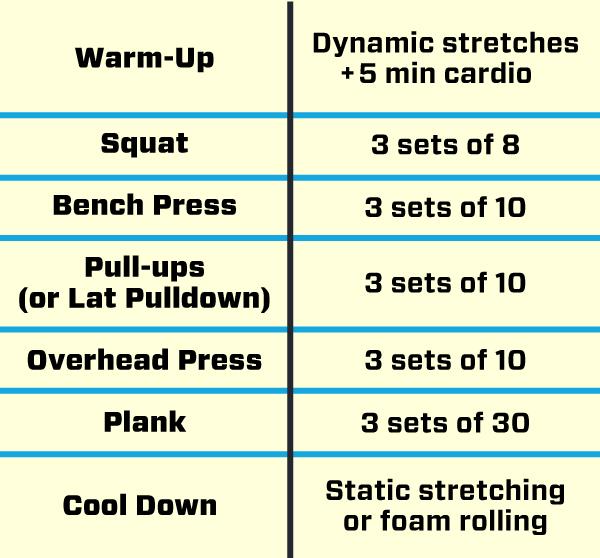
Compound exercises work multiple muscle groups at once. They save time and boost strength effectively. Below are sample compound exercise workouts to help build a balanced routine. Each routine targets major muscles for full-body fitness.
Full-body Routine
This routine hits all major muscle groups in one session. Great for beginners or those with limited workout days.
- Squats – targets legs and core
- Deadlifts – works back, legs, and core
- Bench Press – focuses on chest, shoulders, and triceps
- Pull-Ups – strengthens back and biceps
- Overhead Press – works shoulders and triceps
Perform 3 sets of 8-12 reps for each exercise. Rest 60-90 seconds between sets.
Upper-lower Split
This workout divides training between upper and lower body. It allows more focus on each area with recovery days.
| Day | Exercises |
|---|---|
| Upper Body |
|
| Lower Body |
|
Train upper body one day, lower body the next. Repeat 3-4 times per week.
Push-pull-legs Split
This split groups muscles by movement type. It balances workload and supports muscle recovery well.
- Push Day:Bench Press, Overhead Press, Dips
- Pull Day:Pull-Ups, Barbell Rows, Face Pulls
- Leg Day:Squats, Deadlifts, Lunges
Cycle through push, pull, and leg days over a week. Aim for 3-4 workouts weekly.
Nutrition For Strength And Fat Loss
Nutrition plays a key role in strength building and fat loss. Eating right fuels your workouts and helps your body recover. A well-planned diet supports muscle growth and reduces fat effectively. Understanding how to balance your food intake makes a big difference in results.
Macronutrient Balance
Your body needs three main nutrients: proteins, carbohydrates, and fats. Protein repairs and builds muscles. Carbohydrates provide energy for intense workouts. Healthy fats support hormone production and overall health.
- Aim for lean protein sources like chicken, fish, and beans.
- Choose complex carbs such as oats, brown rice, and vegetables.
- Include healthy fats from nuts, seeds, and olive oil.
Balancing these macronutrients helps maintain muscle while losing fat.
Meal Timing
Eating at the right times boosts energy and recovery. Have a balanced meal 1-2 hours before your workout. This meal should include protein and carbs.
After training, eat protein and carbs within 30 minutes. This helps muscles repair and refuel energy stores. Smaller meals or snacks between main meals keep energy steady.
Hydration Strategies
Water is vital for strength and fat loss. It helps muscles work well and aids digestion. Drink water throughout the day, not just during workouts.
- Start your day with a glass of water.
- Drink before, during, and after exercise.
- Limit sugary drinks and alcohol that dehydrate you.
Proper hydration improves workout performance and speeds up recovery.
Common Mistakes To Avoid
Mastering a compound exercise workout routine means more than just lifting heavy or doing more reps. Mistakes can sneak in easily, slowing your progress or even causing injury. Identifying common pitfalls helps you stay safe and get stronger faster.
Poor Form
Maintaining proper form is crucial for compound exercises because they involve multiple joints and muscles. Sloppy technique puts stress on the wrong areas and reduces the effectiveness of your workout.
Think about a squat: if your knees cave in or your back rounds, you risk injury and miss out on building leg and core strength. Focus on slow, controlled movements and ask for feedback or use a mirror to check your posture.
Is your ego pushing you to lift heavier before your form is solid? Prioritize quality over quantity to avoid setbacks.
Overtraining
Compound exercises demand a lot from your body, so overdoing it can lead to fatigue and stalled progress. Training the same muscle groups daily without rest disrupts recovery and increases injury risk.
Listen to your body: persistent soreness, drop in performance, or lack of motivation are signs you might be overtraining. Plan rest days and alternate workout intensity to keep your gains on track.
Have you ever felt like more effort equals better results? Sometimes, taking a step back is the smartest move.
Neglecting Accessory Work
Compound movements are powerful but don’t cover every muscle or movement pattern. Ignoring accessory exercises leaves imbalances that can hinder your progress.
Adding targeted exercises for smaller muscles, like rotator cuff or hamstring curls, supports your main lifts and reduces injury risk. This balanced approach leads to stronger, more stable performance overall.
Do you skip accessory work because it feels less exciting? Remember, these exercises are the foundation that keeps your compound lifts strong.

Credit: toneopfit.com
Tracking Progress And Staying Motivated
Tracking progress helps you see results clearly and keeps your spirit high. It shows how far you have come and what to improve. Staying motivated is easier when you notice small wins. Tracking also helps avoid plateaus and keeps your routine fresh.
Using Workout Logs
Workout logs keep a detailed record of your exercises. Write down weights, sets, and reps for each session. This helps spot patterns and know when to increase intensity. Logs also remind you of your achievements and challenges. Use a notebook or a mobile app for quick notes.
Setting Realistic Goals
Goals should be clear and reachable. Small steps work better than big leaps. For example, aim to add 5 pounds to your lift every two weeks. Realistic goals prevent frustration and build confidence. Adjust goals based on your progress and how you feel.
Celebrating Milestones
Celebrate every milestone, no matter how small. It could be lifting heavier or finishing a tough workout. Rewards can be simple, like a rest day or a favorite healthy snack. Recognizing progress keeps motivation high and makes workouts fun. It reminds you that effort leads to success.
Credit: www.eosfitness.com
Frequently Asked Questions
What Are The Best Compound Exercises For Beginners?
Best compound exercises for beginners include squats, deadlifts, bench presses, and pull-ups. These moves engage multiple muscle groups and build overall strength efficiently.
How Often Should I Do A Compound Exercise Workout Routine?
Perform compound exercise routines 3 to 4 times per week. This frequency allows muscle recovery while maximizing strength and muscle growth gains.
Can Compound Exercises Help With Fat Loss?
Yes, compound exercises burn more calories than isolation moves. They increase heart rate and muscle activation, promoting effective fat loss.
Are Compound Workouts Suitable For Building Muscle Mass?
Absolutely, compound exercises stimulate multiple muscles simultaneously, leading to faster muscle growth and improved overall muscle mass.
Conclusion
Compound exercises save time and work many muscles together. They build strength and improve balance. This workout routine suits all fitness levels. Keep your form correct to avoid injury. Consistency is key to see good results. Try to add variety to stay motivated.
Remember, rest days help your muscles grow. Start simple, then increase weight or reps slowly. Enjoy the process and feel your body get stronger.







