
Are you ready to transform your arms and elevate your fitness game? A powerful bicep workout routine is your ticket to stronger, more defined muscles.
Imagine the confidence you’ll feel with toned arms that not only look amazing but also enhance your overall strength. In this guide, we’ll uncover the secrets to an effective bicep workout that fits seamlessly into your schedule. Whether you’re a seasoned gym-goer or just starting out, this routine is designed to challenge and inspire you.
Discover how you can maximize your results and turn your bicep goals into reality. Keep reading, and let’s get those biceps working!
Benefits Of Bicep Training
Bicep training offers many benefits beyond just bigger arms. It improves strength, shapes muscles, and helps daily activities. Regularly working your biceps supports overall arm health and performance. This section highlights key benefits of including bicep workouts in your routine.
Improved Arm Strength
Bicep exercises increase the power of your arms. Strong biceps help lift objects with less effort. They support other muscles during pushing and pulling actions. Increased arm strength makes tasks like carrying groceries easier. It also reduces the risk of injury during physical activities.
Enhanced Muscle Definition
Training biceps tones and sculpts your arms. It creates a more defined and muscular look. Muscle definition boosts confidence and improves your overall appearance. Consistent workouts reduce excess fat around the arms. This leads to a leaner, more athletic physique.
Better Functional Performance
Biceps play a key role in many daily movements. Strong biceps improve your ability to pull, lift, and hold objects. They support activities like climbing, carrying bags, and opening jars. Better functional performance helps you stay active and independent. It also enhances performance in sports and exercise.
Anatomy Of The Biceps
Understanding the anatomy of your biceps is key to building stronger, more defined arms. Knowing how each muscle works lets you target them better during your workouts. This knowledge helps you avoid common mistakes and get the most out of every rep.
Biceps Brachii
The biceps brachii is the most well-known part of your biceps. It has two heads: the long head and the short head. These muscles work together to bend your elbow and rotate your forearm.
When you do curls, the biceps brachii is the main muscle at work. Focusing on exercises that hit both heads can improve the overall shape of your arms. Ever noticed how different curl grips change the muscle feeling? That’s because they target these heads differently.
Brachialis
The brachialis lies underneath the biceps brachii and plays a big role in elbow flexion. It’s often overlooked, but developing this muscle can add significant size and strength to your upper arm.
I used to skip brachialis-focused moves until I added hammer curls to my routine. The difference? My arms became thicker and more balanced. Don’t miss out on this muscle—it’s a hidden gem for arm growth.
Brachioradialis
This muscle runs along your forearm and helps bend your elbow, especially when your wrist is in a neutral position. It supports your grip strength and adds a rugged look to your forearms.
Try exercises like reverse curls or hammer curls to engage the brachioradialis. Strengthening this muscle not only improves your bicep workouts but also helps in daily tasks like lifting and carrying. Are you training your forearms enough to complement your biceps?
Key Principles For Muscle Growth
Building bigger, stronger biceps requires more than just lifting weights. You need to focus on key principles that truly promote muscle growth. These principles help you train smarter, avoid injury, and make consistent progress.
Progressive Overload
Muscles grow when you challenge them beyond their usual limits. This means gradually increasing the weight, reps, or intensity over time. Have you ever noticed how the same weight feels easier after a few weeks? That’s your signal to add more resistance or try more reps.
Try tracking your workouts and pushing a little harder each session. It doesn’t have to be a big jump—small increases make a huge difference over weeks and months.
Proper Form
Using the right form is crucial for targeting your biceps effectively and preventing injury. If you swing your body or cheat with momentum, your arms won’t get the full benefit. Imagine trying to build a wall with shaky bricks—no strong foundation means no lasting results.
Focus on controlled, steady movements. Keep your elbows close to your body and squeeze your biceps at the top of each curl. Are you really feeling the muscle work or just going through the motions?
Adequate Recovery
Your biceps don’t grow while you’re lifting—they grow when you rest. Without enough recovery time, you risk overtraining and stalling progress. Think about how your muscles feel after an intense workout; that soreness means your fibers are repairing and getting stronger.
Make sure to get enough sleep, eat protein-rich foods, and give your arms at least 48 hours before training biceps again. What recovery habits could you improve to maximize your gains?
Credit: www.lemon8-app.com
Essential Bicep Exercises
Building strong, defined biceps requires more than just random arm curls. The right exercises target different parts of the muscle, helping you achieve balanced growth and strength. Below are essential bicep exercises that can transform your routine and deliver visible results.
Barbell Curls
Barbell curls are a classic move that effectively targets the main bicep muscle, the biceps brachii. Using a barbell allows you to lift heavier weights, which can lead to greater muscle growth over time. Make sure to keep your elbows close to your body and avoid swinging your back to maintain proper form.
Have you noticed how your biceps feel when you switch from dumbbells to a barbell? The stability of the barbell can help you push through plateaus.
Dumbbell Hammer Curls
Dumbbell hammer curls focus on the brachialis, a muscle that lies underneath the biceps and adds thickness to your arms. Holding the dumbbells with a neutral grip (palms facing each other) changes the angle of stress and recruits different muscle fibers. This exercise can also improve your grip strength, which helps with other lifts.
Try alternating hammer curls with regular curls to see how your arm shape changes over weeks.
Concentration Curls
Concentration curls isolate the biceps, minimizing momentum and forcing the muscle to do all the work. Sitting on a bench and curling a dumbbell with one arm at a time lets you focus fully on the contraction. This exercise sharpens your mind-muscle connection, which is crucial for muscle growth.
If you struggle to feel your biceps during curls, concentration curls might be the game-changer you need.
Preacher Curls
Preacher curls put your arms in a fixed position on a sloped bench, preventing cheating and maximizing tension on the biceps. This strict form ensures your biceps work through the entire range of motion. It’s a great choice if you want to build peak bicep definition.
Have you ever felt your arms burning intensely during preacher curls? That burn means you’re hitting the muscle hard and effectively.
Sample Workout Routines
Sample workout routines help guide your bicep training. They provide structure and balance for your exercises. Following a routine ensures steady progress and muscle growth. Each routine suits different experience levels and goals. Pick one that matches your current fitness and challenge yourself safely.
Beginner Routine
- Standing Dumbbell Curls – 3 sets of 10 reps
- Hammer Curls – 3 sets of 10 reps
- Concentration Curls – 3 sets of 8 reps per arm
- Rest for 60 seconds between sets
- Train biceps twice per week
Intermediate Routine
- Barbell Curls – 4 sets of 12 reps
- Preacher Curls – 3 sets of 10 reps
- Incline Dumbbell Curls – 3 sets of 10 reps
- Cable Rope Hammer Curls – 3 sets of 12 reps
- Rest for 45-60 seconds between sets
- Train biceps 2-3 times per week
Advanced Routine
- Weighted Chin-Ups – 4 sets of 8 reps
- EZ Bar Curl Drop Sets – 3 sets starting at 12 reps
- Spider Curls – 3 sets of 12 reps
- Cable Rope Overhead Curls – 3 sets of 15 reps
- Rest for 30-45 seconds between sets
- Train biceps 3 times per week
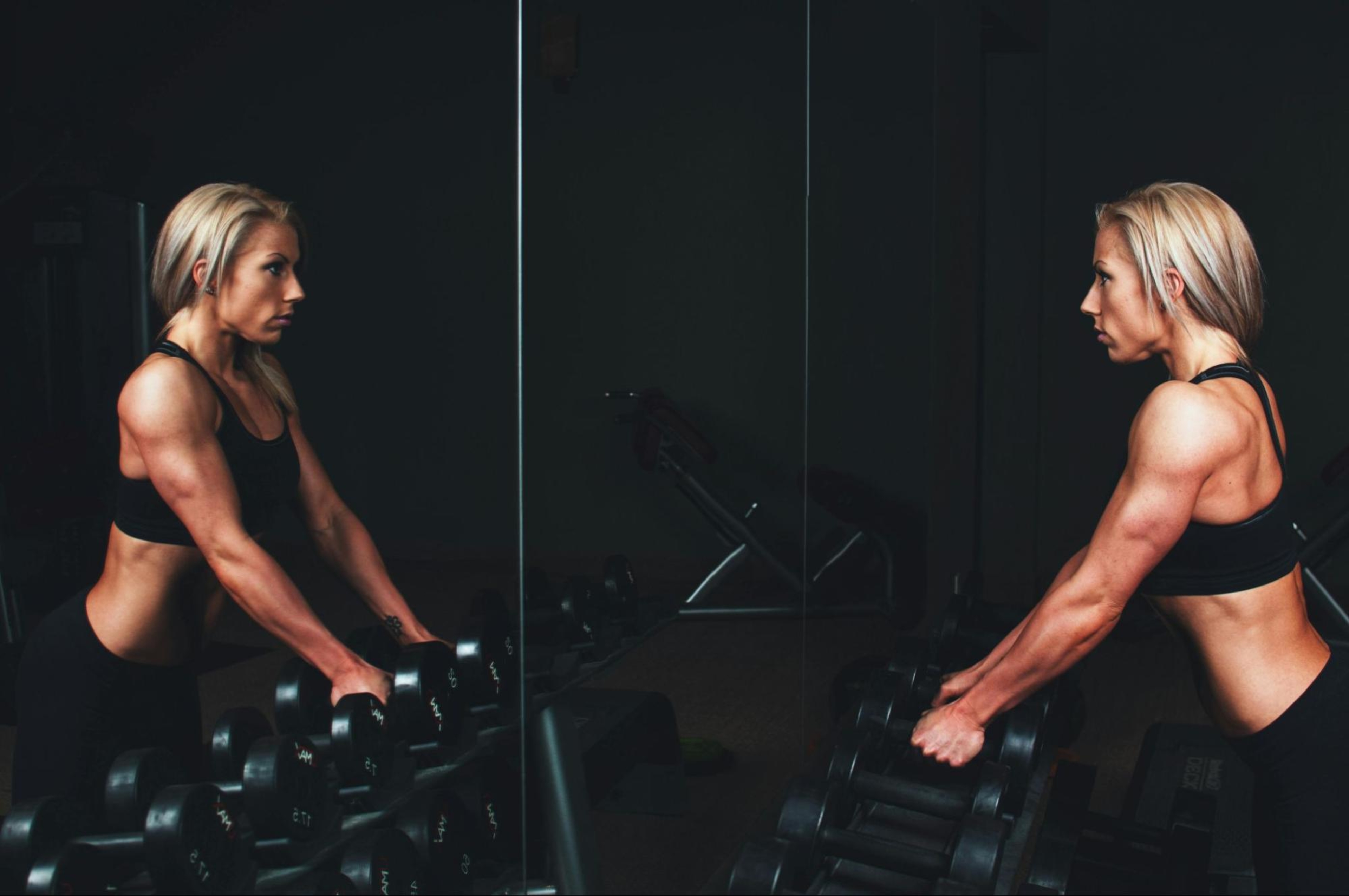
Credit: hydrow.com
Common Mistakes To Avoid
When focusing on building strong, defined biceps, avoiding common workout mistakes can make a huge difference. Many people unknowingly limit their progress by using poor techniques or training habits. Identifying these errors helps you train smarter and see better results faster.
Using Momentum
Relying on momentum to lift weights reduces the effectiveness of your bicep workout. Swinging your body or jerking the weights takes tension off the muscles, which slows growth. You might think you’re lifting heavier, but your biceps aren’t really working.
Try controlling each rep with a steady, deliberate motion. Slow down the lifting and lowering phases to maximize muscle engagement. Ask yourself: Are you feeling the burn in your biceps, or is your body just swinging the weight?
Neglecting Full Range Of Motion
Many skip parts of the movement, like not fully extending or contracting their arms. This limits muscle activation and reduces overall gains. Your biceps need that full stretch and squeeze to grow stronger and more defined.
Focus on extending your arms completely at the bottom and squeezing at the top of each curl. It might feel slower or harder, but this ensures every muscle fiber is involved. How much better could your results be if you committed to the full range every time?
Overtraining
More isn’t always better. Training your biceps every day or doing excessive sets without rest can lead to fatigue and injury. Muscles grow during recovery, so skipping rest days can actually stall your progress.
Listen to your body and schedule rest days between intense bicep workouts. Quality beats quantity when it comes to muscle growth. Are you giving your muscles enough time to rebuild stronger?
Nutrition Tips For Arm Growth
Nutrition plays a key role in building bigger, stronger arms. Eating the right foods helps muscles recover and grow after workouts. Fuel your body with nutrients that support arm growth for better results.
Protein Intake
Protein is essential for muscle repair and growth. Aim to eat lean protein sources with every meal. Good options include chicken, fish, eggs, and beans. Protein shakes can help meet your daily needs. Spread protein intake evenly throughout the day.
Hydration
Water keeps muscles hydrated and supports recovery. Drink plenty of water before, during, and after workouts. Staying hydrated improves muscle function and reduces fatigue. Avoid sugary drinks that can harm your progress.
Supplements
Supplements can support arm growth but are not required. Creatine helps increase strength and muscle size. Branched-chain amino acids (BCAAs) aid muscle recovery. Always choose quality supplements and follow recommended dosages.
Tracking Progress
Tracking your progress is key to building stronger, bigger biceps. Without monitoring, it’s easy to lose sight of gains or miss signs that your routine needs a tweak. Keeping a close eye on your development helps you stay motivated and ensures every workout counts.
Measuring Arm Size
Use a flexible tape measure to track your arm circumference. Measure at the peak of your bicep when your arm is relaxed and again when flexed. Record these numbers regularly—every two weeks works well—to spot real changes.
Don’t just rely on the scale or mirror alone. Sometimes, subtle muscle growth can hide beneath fat or water retention. Measuring gives you clear, objective feedback.
Recording Workouts
Write down the exercises, weights, and reps you complete each session. This habit helped me push past plateaus by revealing patterns where progress stalled.
Track details like rest time and how you felt during the workout. These small notes can show if fatigue or poor form is holding you back.
- Use a notebook or a fitness app for easy access.
- Review your logs weekly to spot trends.
- Celebrate milestones to keep motivation high.
Adjusting Routine
If measurements and workout records show no improvement after a few weeks, it’s time to change your routine. Increasing weight, adding sets, or switching exercises challenges your muscles in new ways.
Don’t hesitate to reduce volume if you feel overly tired or sore. Recovery is just as important for muscle growth.
Ask yourself: Are my workouts pushing me just enough, or have I grown too comfortable? This reflection keeps your bicep routine effective and fresh.
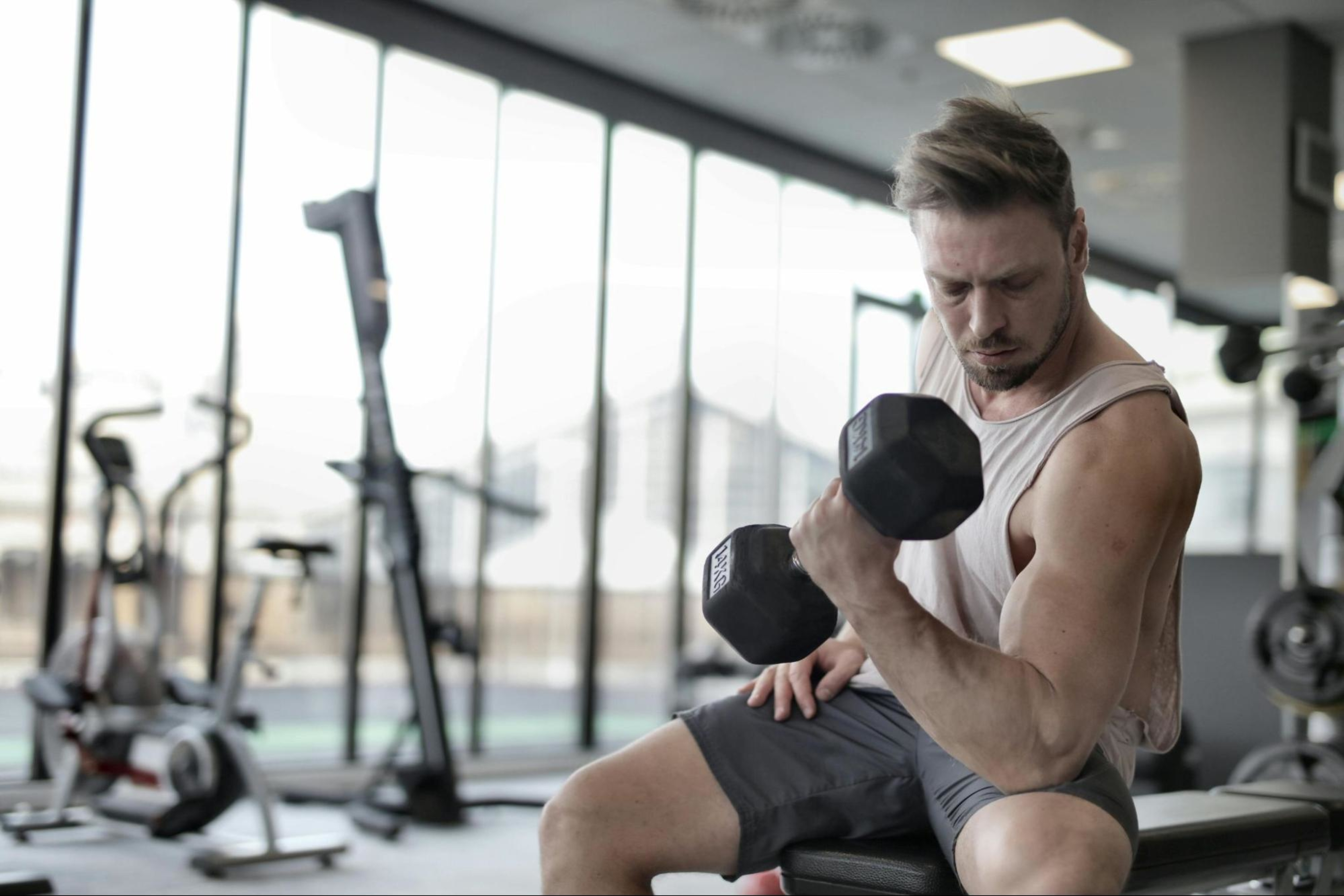
Credit: hydrow.com
Frequently Asked Questions
What Are The Best Exercises For A Bicep Workout Routine?
The best exercises include bicep curls, hammer curls, and chin-ups. These target the bicep muscles effectively. Incorporate variety for balanced muscle growth and strength.
How Often Should I Do Bicep Workouts Weekly?
Aim for 2 to 3 bicep sessions per week. Allow 48 hours of rest between workouts for muscle recovery and optimal growth.
Can Bicep Workouts Help Reduce Arm Fat?
Bicep workouts build muscle but don’t directly burn arm fat. Combine strength training with cardio and a healthy diet for fat loss.
How Many Sets And Reps Are Ideal For Bicep Growth?
Perform 3 to 4 sets of 8 to 12 reps. This range promotes muscle hypertrophy and strength effectively.
Conclusion
Building strong biceps takes time and consistent effort. Stick to the routine and focus on good form. Rest well and eat healthy to help muscles grow. Track your progress to stay motivated every week. Small steps lead to big changes.
Keep going, and enjoy the strength you gain. Your arms will thank you.







