
Are you ready to build muscle faster and smarter? Your diet plays a huge role in how quickly you see results.
But knowing what to eat each day can be confusing and overwhelming. That’s why this 7 Day Muscle Building Meal Plan is designed just for you. It’s simple, effective, and packed with the right foods to fuel your gains. Keep reading, and you’ll discover exactly what to eat every day to boost your strength and size—no guesswork needed.
Your strongest self is just a week away.
Meal Plan Basics
Building muscle isn’t just about lifting heavy weights; your meals play a huge role in shaping your progress. Understanding the basics of your meal plan can make a noticeable difference in how your body responds. Let’s break down the essentials so you can fuel your muscles the right way.
Calorie Needs For Muscle Gain
To build muscle, your body needs extra energy. That means you have to eat more calories than you burn daily.
Calculate your maintenance calories first—this is what you need to maintain your current weight. Then, add about 250 to 500 calories to create a surplus that supports muscle growth without excessive fat gain.
Have you tracked your daily calorie intake before? It’s a simple step that can reveal whether you’re eating enough to see real muscle gains.
Macronutrient Breakdown
Your body uses three main nutrients for energy and growth: protein, carbohydrates, and fats. Each has a unique role in muscle building.
- Protein:Aim for 1.2 to 2.2 grams per kilogram of body weight daily. Protein repairs and builds muscle tissue.
- Carbohydrates:Provide energy to fuel your workouts. Consuming 3 to 5 grams per kilogram of body weight helps maintain performance.
- Fats:Essential for hormone production, which affects muscle growth. Keep fats around 20-30% of your total calorie intake.
Adjust these numbers based on how your body responds. If you feel sluggish during workouts, consider increasing carbs. Struggling with recovery? Boost protein intake.
Meal Timing And Frequency
How often you eat matters just as much as what you eat. Spreading meals evenly throughout the day keeps your muscles fueled and supports recovery.
Try eating every 3 to 4 hours. This helps maintain steady energy levels and provides your muscles with a constant supply of nutrients.
Don’t skip post-workout nutrition. Eating protein and carbs within 30 to 60 minutes after training can improve muscle repair and growth.
What meal schedule fits your daily routine best? Finding a pattern that you can stick to consistently will help you stay on track.
Day 1 To Day 3 Meal Ideas
Starting a muscle-building meal plan sets the tone for your progress. Days 1 to 3 focus on balanced nutrition to fuel workouts and support recovery. Each meal offers the right mix of protein, carbs, and healthy fats. Snacks keep energy levels steady throughout the day. This plan helps build muscle and keeps hunger in check.
High-protein Breakfasts
- Scrambled eggs with spinach and whole-grain toast
- Greek yogurt topped with berries and a sprinkle of nuts
- Oatmeal mixed with protein powder and sliced banana
Muscle-building Lunches
- Grilled chicken breast with quinoa and steamed broccoli
- Turkey and avocado wrap with mixed greens
- Salmon salad with chickpeas, cucumber, and olive oil
Recovery-focused Dinners
- Beef stir-fry with brown rice and colorful vegetables
- Baked cod with sweet potatoes and green beans
- Tofu curry with lentils and spinach
Snacks For Energy
- Almonds and a small apple
- Hummus with carrot and celery sticks
- Cottage cheese with pineapple chunks
Day 4 To Day 7 Meal Ideas
As you move into Day 4 through Day 7 of your muscle building meal plan, it’s crucial to keep your nutrition both balanced and exciting. These days are about fine-tuning your intake to sustain energy, support recovery, and maximize muscle growth. Let’s look at some practical meal ideas and strategies that keep your body fueled and your palate interested.
Variety In Protein Sources
Eating different protein sources helps you get a broader range of amino acids, which are the building blocks of muscle. Instead of sticking to chicken breast every day, try mixing it up with options like lean beef, turkey, eggs, fish, and plant-based proteins like lentils or tofu.
Think about grilling salmon for dinner one day and making a chickpea curry the next. This variety not only keeps meals enjoyable but also ensures your muscles get what they need to repair and grow.
Carb Loading Strategies
Carbohydrates are your primary fuel during intense workouts. On these later days, slightly increasing your carb intake can help replenish glycogen stores and improve performance.
Choose complex carbs like sweet potatoes, quinoa, brown rice, and oats. You could have a hearty bowl of oatmeal with berries for breakfast or a quinoa salad with veggies and grilled chicken for lunch.
Would adding a carb-rich snack before your workout help you push harder? Experiment with timing and portion sizes to see what feels best.
Healthy Fats For Gains
Don’t shy away from fats—they play a key role in hormone production, including testosterone, which supports muscle growth. Healthy fats also provide long-lasting energy and keep you full between meals.
Include sources like avocados, nuts, seeds, and olive oil in your meals. A handful of almonds as a snack or a drizzle of olive oil over steamed vegetables can make a big difference in your nutrient profile.
Hydration Tips
Muscle building demands proper hydration, yet many overlook this simple step. Water helps transport nutrients to your muscles and removes waste products from your body.
Try to drink at least 3 liters of water daily, and increase this amount if you sweat heavily during workouts. Adding a pinch of salt or drinking coconut water can help maintain your electrolyte balance.
Have you noticed a difference in your energy or muscle soreness when you drink more water? Staying hydrated might be the easy upgrade your routine needs.

Credit: www.fitmeal.ca
Supplements To Support Growth
Supplements can play a key role in your muscle-building journey by filling nutritional gaps and enhancing recovery. While food should always be your main source of nutrients, the right supplements can give your muscles the extra support they need to grow stronger. Understanding which supplements truly work helps you avoid wasting money and effort.
Protein Powders
Protein is the building block of muscle, and protein powders offer a quick and convenient way to boost your intake. Whey protein is popular because it digests fast and contains all essential amino acids. If you’re lactose intolerant or prefer plant-based options, pea or rice protein powders work well too.
I used to struggle hitting my daily protein goals until I started adding a scoop of whey protein after workouts. It sped up my recovery and helped me see gains faster. Ask yourself: Are you getting enough protein from whole foods alone, or could a shake help you reach your goals?
Creatine Benefits
Creatine is one of the most researched supplements for muscle growth and strength. It helps your muscles produce energy during intense exercise, allowing you to lift heavier and perform more reps. This leads to greater muscle stress and growth over time.
Taking 3-5 grams of creatine daily is safe and effective for most people. I noticed a real difference in my strength after just a few weeks of creatine use, especially on compound lifts like squats and deadlifts. What if a small daily supplement could push your workouts to the next level?
Vitamins And Minerals
Micronutrients like vitamins and minerals are often overlooked but essential for muscle growth and overall health. Vitamin D supports muscle function, while magnesium helps with muscle relaxation and recovery. Iron is crucial for oxygen transport in your blood, fueling your workouts.
Rather than guessing, consider a blood test to check for deficiencies. Adding a multivitamin or specific supplements can fill gaps and improve your energy and recovery. Are you certain your diet covers all the tiny nutrients that keep your muscles working at their best?
Meal Prep Tips
Meal prep is key to staying on track with your muscle building plan. Preparing meals in advance saves time and reduces stress during busy days. It also helps control portion sizes and ensures balanced nutrition. Following simple tips can make meal prep easier and more efficient.
Batch Cooking Techniques
Cook large amounts of protein, carbs, and veggies at once. Use the oven, slow cooker, or stovetop for multiple dishes. Make big batches of chicken, rice, or steamed broccoli. This approach saves time and keeps your meals consistent. Freeze portions to keep food fresh longer.
Storage And Portioning
Use airtight containers to store meals safely. Label each container with the date and contents. Divide meals into single servings to avoid overeating. Clear containers help you see your food easily. Keep meals organized in the fridge or freezer for quick access.
Time-saving Hacks
- Chop vegetables in bulk and store in bags.
- Use pre-cooked or canned beans for faster meals.
- Cook grains in large batches and refrigerate.
- Prepare sauces or dressings ahead for flavor.
- Set reminders for meal prep days in your calendar.
These simple hacks reduce cooking time and keep you consistent. Planning ahead makes muscle building easier and more enjoyable.

Credit: www.healthyfreshmeals.com
Tracking Progress
Tracking progress is key to success in a 7 day muscle building meal plan. It helps you see what works and what needs change. Consistent tracking keeps motivation high and guides your nutrition choices.
Adjusting Calories
Your body’s needs change as muscles grow. Track your calorie intake daily. Use a food diary or app to record meals. If you gain too much fat, reduce calories slightly. If muscle gains stall, increase calories carefully. Small changes help avoid setbacks and support steady progress.
Monitoring Muscle Gains
Measure muscle growth regularly. Use a tape measure on key areas like arms, chest, and legs. Take progress photos to compare visually. Weigh yourself once a week at the same time. Muscle gain is slow; patience is important. Celebrate small improvements to stay motivated.
Avoiding Common Pitfalls
Don’t rely only on the scale. Muscle weighs more than fat, so weight may stay the same. Avoid skipping meals; it slows muscle growth. Stay hydrated and get enough sleep for recovery. Track how you feel and your energy levels. Adjust your plan if you feel tired or weak.
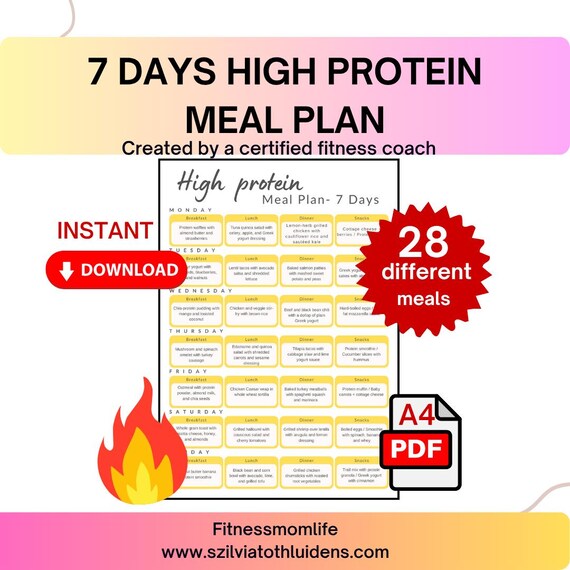
Credit: www.etsy.com
Frequently Asked Questions
What Foods Are Best For Muscle Building?
For muscle building, focus on protein-rich foods like chicken, fish, and eggs. Incorporate complex carbohydrates such as oats and quinoa. Add healthy fats from nuts and avocados. Don’t forget plenty of vegetables for vitamins and minerals. Ensure a balanced diet to support muscle growth effectively.
How Many Meals Should I Eat Daily?
For optimal muscle growth, aim for 5-6 meals daily. This frequent eating schedule helps maintain energy levels and supports recovery. Each meal should include a balance of protein, carbohydrates, and fats. This approach ensures a consistent nutrient supply for muscle repair and growth.
Can Vegetarians Build Muscle Effectively?
Yes, vegetarians can build muscle effectively with a well-planned diet. Focus on plant-based proteins like lentils, beans, and quinoa. Incorporate tofu, tempeh, and dairy products if allowed. Ensure adequate calorie intake and consider supplements like B12 and iron to support your muscle-building efforts.
How Important Is Hydration In Muscle Building?
Hydration is crucial for muscle building. Water supports nutrient transport and muscle function. Aim for at least 8-10 glasses daily. Proper hydration aids digestion and prevents muscle cramps. It also enhances performance during workouts, supporting effective muscle growth and recovery.
Conclusion
Following this 7-day muscle building meal plan helps fuel your workouts. Each meal supports muscle growth and recovery. Eating balanced meals keeps energy levels steady. Consistency with nutrition and training brings the best results. Stick to the plan, and watch your strength improve.
Small changes in diet make a big difference. Stay patient and keep eating well every day. Your body will thank you for the effort.







