
Are you looking to find a moment of peace amidst your busy schedule? Yoga might be just what you need.
“Yoga Flow for Beginners” is a perfect way to start this calming practice. Imagine feeling more relaxed, flexible, and centered after just a few sessions. You don’t need to be a fitness expert or super flexible to begin. This guide is designed with you in mind, offering simple steps to ease into yoga without the overwhelm.
Dive in to discover how you can improve your well-being and find balance in your life. Ready to unlock the benefits of yoga? Keep reading to find out how you can start your yoga journey today.
Benefits Of Yoga Flow
Yoga flow offers many benefits for beginners. It combines gentle movements and deep breathing. This practice supports both the body and mind. Starting yoga flow can improve your daily life in simple ways.
Enhancing Flexibility
Yoga flow stretches your muscles gradually. It helps reduce stiffness and tightness. Moving through poses smoothly increases joint mobility. Over time, your body feels more open and relaxed. This flexibility makes everyday tasks easier and less painful.
Reducing Stress
Following a yoga flow calms the mind. Deep breathing slows your heart rate. This reduces tension and anxiety naturally. The focus on movement helps clear distracting thoughts. After a session, you feel peaceful and refreshed.
Improving Balance
Yoga flow trains your body to hold poses steadily. It strengthens core muscles and improves coordination. Better balance lowers the risk of falls and injuries. This skill also boosts confidence in physical activities.
Essential Yoga Poses For Beginners
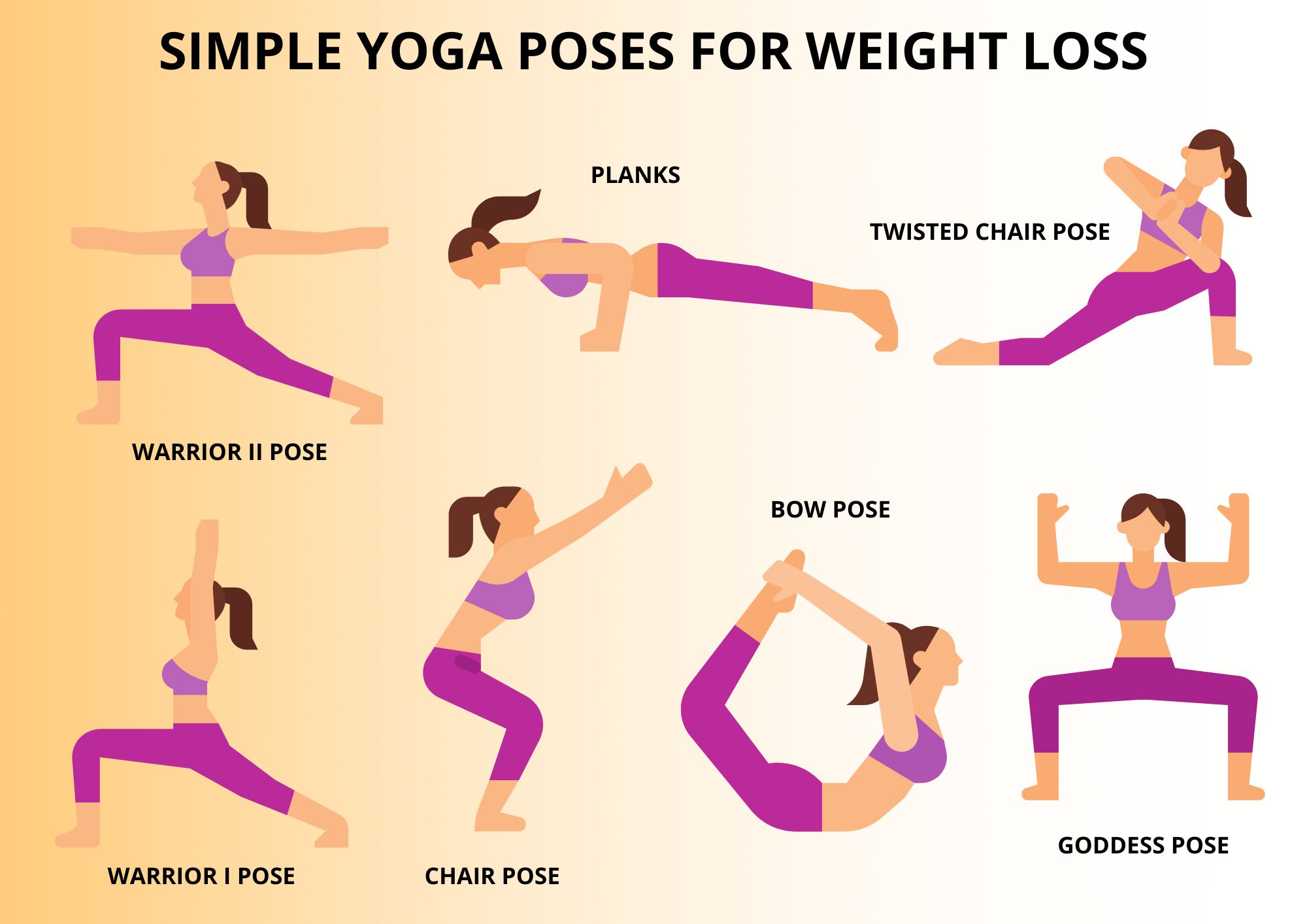
Starting yoga can feel simple and calming with the right poses. These essential yoga poses help beginners learn balance and breath. Each pose builds strength and flexibility gently. Practice these poses to create a smooth yoga flow.
Mountain Pose
Stand tall with feet together and arms at sides. Ground your feet evenly. Lengthen your spine and relax your shoulders. Breathe deeply and feel steady. This pose improves posture and focus.
Downward Dog
Begin on hands and knees. Lift your hips up and back. Straighten your legs but keep a slight bend if needed. Press your hands firmly into the floor. This pose stretches the back and legs.
Cat-cow Stretch
Start on all fours with hands under shoulders. Inhale, arch your back and lift your head (Cow). Exhale, round your spine and tuck your chin (Cat). Repeat slowly. This move warms the spine and eases tension.
Child’s Pose
From all fours, sit back on your heels. Stretch your arms forward and rest your forehead on the floor. Breathe calmly and relax your body. This pose relieves stress and gently stretches the back.
Cobra Pose
Lie face down with hands under shoulders. Slowly lift your chest using your back muscles. Keep elbows close to your body. Hold and breathe. This pose strengthens the spine and opens the chest.
Creating A Simple Yoga Flow
Creating a simple yoga flow is about connecting a few basic poses in a way that feels natural and enjoyable. It doesn’t have to be complicated or overwhelming. The goal is to build a sequence that supports your body and mind, helping you stay focused and calm.
Combining Poses Smoothly
Think of your poses as puzzle pieces. To combine them smoothly, look for poses that transition easily from one to the next. For example, moving from Downward Dog to Plank feels natural because both positions involve placing your hands on the ground.
Try to avoid abrupt changes that force your body into uncomfortable shifts. Instead, use poses that share similar body positions or muscle groups. This reduces strain and keeps your flow steady.
Breathing Techniques
Your breath is the glue that holds your flow together. Match your movements with your inhales and exhales. For instance, inhale as you reach up in Mountain Pose, and exhale as you fold forward.
Control your breathing to maintain calmness and focus. If you notice your breath getting shallow or fast, slow down your movements and take deeper breaths. This simple adjustment can make your practice feel more grounded.
Timing And Rhythm
How long you hold each pose affects the rhythm of your flow. Beginners often benefit from holding poses for 3 to 5 breaths, giving time to feel stable without losing momentum.
Experiment with moving on the breath—start a pose on an inhale and release on an exhale. This creates a natural rhythm that can help you stay present. What happens if you hold a pose longer or shorter? Notice how it changes your focus and energy.
Credit: myyogateacher.com
Tips For Safe Practice
Starting a yoga flow practice is exciting, but safety should always come first. Taking care of your body during each pose helps prevent injuries and makes your sessions more enjoyable. Here are some essential tips to keep your practice safe and effective.
Listening To Your Body
Your body sends signals that you shouldn’t ignore. If a pose feels painful or uncomfortable, ease out or try a gentler variation. Pushing through pain can lead to injury, but mild discomfort is often part of stretching.
Ask yourself, “Am I feeling a stretch or sharp pain?” This simple question can guide you to adjust your movements. Trusting your body’s limits helps build strength and flexibility steadily.
Using Props
Props like blocks, straps, and cushions are your best friends, especially as a beginner. They support your body, help maintain proper alignment, and prevent strain.
For example, using a block during a forward fold can reduce pressure on your hamstrings and lower back. Don’t hesitate to add props—they make poses more accessible and safer.
Avoiding Common Mistakes
Many beginners make the mistake of rushing through poses or holding their breath. Moving too quickly can cause you to lose balance and form.
Focus on slow, controlled movements and steady breathing. A simple practice is to count your inhales and exhales; this keeps your mind present and your body aligned.
Daily Routine To Boost Flexibility
Building flexibility through yoga doesn’t require hours on the mat each day. A simple, consistent daily routine can make a huge difference in how your body feels and moves. By spreading short yoga flow sessions throughout your day, you keep your muscles active and your mind clear.
Short Morning Sessions
Starting your day with a quick yoga flow wakes up your muscles gently. Focus on poses like Cat-Cow stretches and Downward Dog to loosen tight areas. Even five to ten minutes can increase blood flow and set a flexible tone for the day.
Try to pay attention to how your body feels each morning. Do you notice stiffness in certain spots? Target those with simple stretches to ease tension before it builds up.
Midday Stretch Breaks
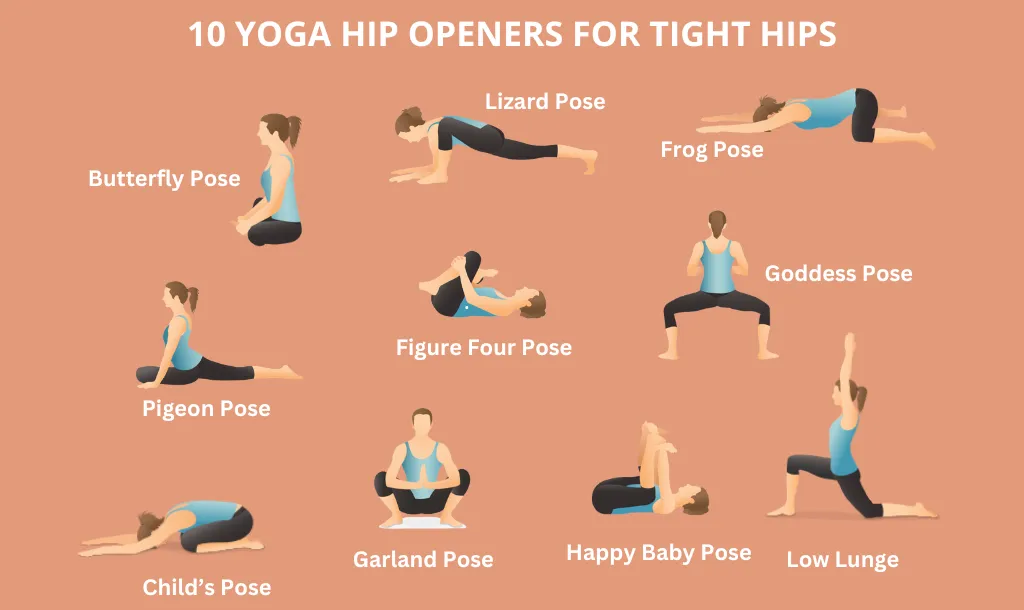
Midday stretch breaks act as a reset button for your body and mind. Sitting for long periods often tightens your hips and back—common trouble spots for flexibility.
- Include gentle spinal twists
- Try seated forward folds
- Use lunges to open your hips
These short breaks can improve circulation and reduce fatigue. Do you feel more alert after moving your body this way?
Evening Relaxation Flow
Ending your day with a calming yoga flow helps release any built-up tension. Focus on slow, deep stretches like Reclined Twist and Legs-Up-The-Wall to encourage muscle relaxation.
This routine not only improves flexibility but also promotes better sleep. How does your body respond when you take time to wind down with yoga before bed?

Credit: spotebi.com
Credit: myyogateacher.com
Frequently Asked Questions
What Is A Yoga Flow For Beginners?
A yoga flow for beginners is a sequence of simple poses linked by breath. It helps build strength, flexibility, and focus gradually. This gentle practice introduces basic postures and movements, making yoga accessible and enjoyable for new practitioners.
How Long Should A Beginner’s Yoga Flow Last?
A beginner’s yoga flow typically lasts 15 to 30 minutes. This duration allows enough time to learn poses, focus on breathing, and improve body awareness without causing fatigue or injury.
What Equipment Do Beginners Need For Yoga Flow?
Beginners need a yoga mat, comfortable clothing, and a quiet space. Optional items include blocks and straps to help with flexibility and alignment during poses.
Can Yoga Flow Improve Mental Health For Beginners?
Yes, yoga flow promotes relaxation, reduces stress, and enhances mindfulness. It helps beginners develop a calm mind and emotional balance through focused breathing and gentle movement.
Conclusion
Starting yoga flow helps build strength and calm the mind. Small steps bring steady progress and better health. Keep practicing regularly to feel more relaxed each day. Your body and mind will thank you for patience. Enjoy the journey, and stay gentle with yourself.
Yoga is for everyone, no matter the skill level. Keep moving, breathing, and growing bit by bit. The benefits come with time and care.







