
Are you tired of weak wrists holding you back during workouts or daily activities? Strong wrists are key to improving your grip, preventing injuries, and boosting overall hand strength.
But how do you train them effectively? That’s where wrist gym equipment comes in. This gear is designed to target your wrists in ways regular exercises can’t. Keep reading to discover the best tools that can transform your wrist strength and help you unlock new levels of performance.
Your hands will thank you.
Credit: www.roguefitness.com
Top Wrist Gym Tools
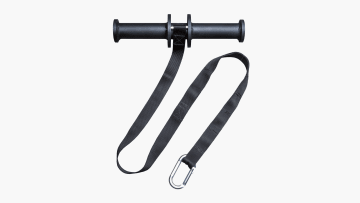
Strong wrists improve grip, reduce injury, and boost overall hand strength. Using the right wrist gym tools can target muscles effectively. These tools are simple, easy to use, and perfect for daily workouts. Choose equipment that fits your needs and skill level.
Hand Grippers
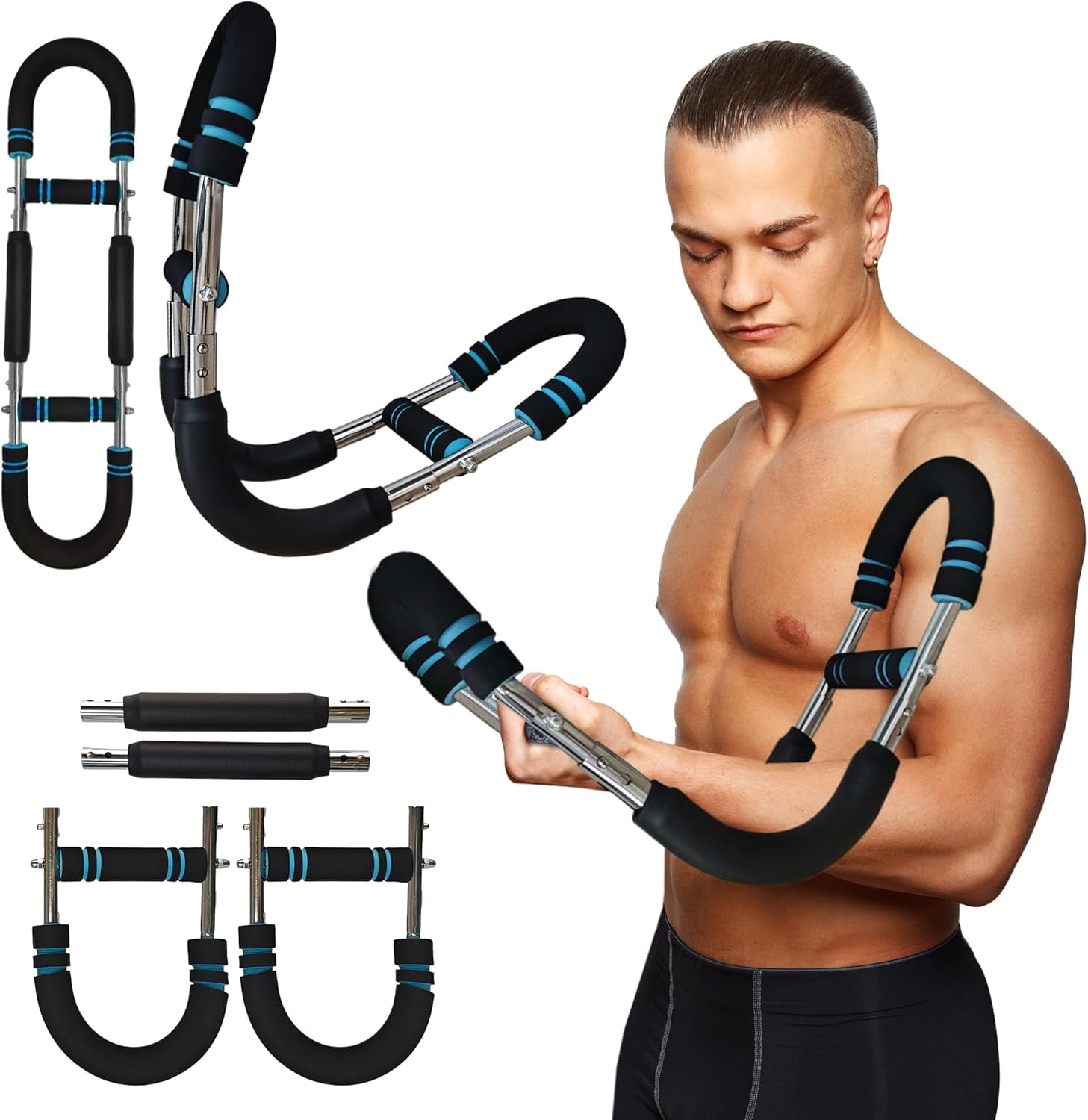
Hand grippers help build grip strength and forearm muscles. They come in different resistance levels. Squeeze the handles to improve finger and wrist power. Great for beginners and advanced users alike.
Wrist Rollers
Wrist rollers work by winding a weight up and down. This action strengthens wrist flexors and extensors. They improve endurance and control. Easy to use and very effective for wrist training.
Resistance Bands
Resistance bands offer flexible and adjustable wrist exercises. Use them to stretch and strengthen wrist muscles. Bands come in various thicknesses for different resistance. Compact and portable for workouts anywhere.
Finger Extensors
Finger extensors balance grip strength by targeting finger-opening muscles. They help prevent muscle imbalance and injury. Usually made of rubber or silicone, these tools fit over fingers. Use them regularly for better wrist health.
Credit: www.walmart.com
Benefits Of Wrist Training
Wrist gym equipment strengthens muscles and improves grip power. It helps prevent injuries and boosts wrist flexibility for daily tasks. Regular use supports better performance in sports and workouts.
Wrist training might seem like a minor aspect of fitness, but its benefits are far-reaching. Whether you’re a seasoned athlete or someone looking to enhance daily tasks, dedicating time to strengthen your wrists can be a game-changer. From improved grip strength to preventing injuries, wrist training with gym equipment offers numerous advantages.Improved Grip Strength
Strengthening your wrists directly impacts your grip strength. Imagine effortlessly opening that stubborn jar or carrying heavy grocery bags without a struggle. Wrist gym equipment, like wrist rollers and hand grippers, can help you achieve this. The stronger your grip, the more control and confidence you have in both everyday tasks and workouts.Enhanced Flexibility
Wrist flexibility often gets overlooked until it’s too late. Regular wrist training can enhance your range of motion, making movements smoother and more efficient. Think about activities like yoga or even typing on a keyboard—enhanced wrist flexibility makes these actions more comfortable and less prone to strain. It’s about making life a little easier and more enjoyable.Injury Prevention
Injuries can be a major setback. Investing time in wrist training can significantly reduce the risk of strains and sprains. This is especially true for activities that put stress on your wrists, like lifting weights or playing tennis. It’s always better to prevent injuries than to recover from them, right?Better Athletic Performance
Athletes often focus on larger muscle groups, but wrist strength plays a vital role too. Improved wrist strength can enhance your performance in sports such as basketball, golf, and rock climbing. Next time you aim for a personal best, remember that your wrists can help you get there. Isn’t it fascinating how such a small part of your body can have such a big impact? By incorporating wrist training into your routine, you’re not just building strength—you’re enhancing your overall quality of life. Why not give it a try and see the difference it makes?Choosing The Right Equipment
Choosing the right wrist gym equipment is important for effective workouts. The right choice helps improve strength and prevents injuries. Consider your skill level and workout goals before buying any gear. The equipment should feel comfortable and suit your needs. Pay attention to the material and how long it will last. Think about how easy it is to carry or store the equipment. Also, keep your budget in mind to find the best option without overspending.
Skill Level Considerations
Beginners need simple tools with low resistance. These help build strength slowly and safely. Advanced users can choose equipment with adjustable resistance. This allows for harder workouts as strength grows. Some equipment is designed for specific exercises. Pick tools that match your experience and goals. Avoid gear that feels too hard or causes pain.
Material And Durability
Look for strong materials like steel or heavy-duty plastic. These last longer and resist wear from daily use. Soft grips or padding add comfort during workouts. Avoid cheap materials that break easily or cause blisters. Check reviews to see how long the equipment lasts. Durable gear saves money over time by not needing replacement.
Portability And Convenience
Choose equipment that fits your lifestyle and space. Compact tools are easy to carry and use anywhere. Some wrist gym gear folds or fits in small bags. This is great for travel or small homes. Simple designs with fewer parts are easier to store. Consider how much time you want to spend setting up or cleaning.
Budget Factors
Set a budget before shopping to narrow your choices. Basic wrist gym tools are affordable and work well. Higher-priced equipment may offer extra features or durability. Balance cost with the quality and benefits you want. Avoid very cheap gear that breaks quickly. Investing in good equipment helps maintain regular workouts.
Effective Wrist Workouts
Effective wrist workouts are essential for building strength, improving flexibility, and preventing injuries. Your wrists support a wide range of movements in daily activities and sports, so giving them focused attention pays off. With the right routine, you can boost performance and reduce discomfort quickly.
Warm-up Exercises
Warming up your wrists prepares them for more intense activity and reduces the chance of strain. Simple movements like wrist circles and gentle stretches increase blood flow and loosen tight muscles. Try these easy warm-ups before any wrist workout:
- Rotate wrists clockwise and counterclockwise for 30 seconds each.
- Extend your arm and pull back your fingers gently with the other hand.
- Make a fist and then slowly open your hand wide, repeating 10 times.
Do you often skip warming up? Starting with these small steps can make a big difference in how your wrists feel during and after exercise.
Strength Training Routines
Building wrist strength helps you handle heavier loads and reduces fatigue. Tools like wrist rollers, grip strengtheners, and dumbbells work well for targeted training. You can do exercises such as:
- Wrist curls with light dumbbells, 3 sets of 12 reps.
- Reverse wrist curls to balance muscle development.
- Using a grip strengthener with controlled squeezes for 30 seconds, repeated 3 times.
I once noticed my wrist pain reduced noticeably after adding just 10 minutes of wrist curls twice a week. What small change can you try today to strengthen your wrists?
Flexibility Drills
Maintaining wrist flexibility helps prevent stiffness and supports a full range of motion. Incorporate stretches that target tendons and muscles around your wrists. Try these drills regularly:
- Prayer stretch: Press your palms together at chest level and lower your hands slowly.
- Tabletop stretch: Place your palms on a table with fingers pointing toward you and gently lean back.
- Finger stretches: Spread fingers wide and hold for 20 seconds.
How often do you stretch your wrists? Adding just a few minutes daily can keep your wrists feeling agile and ready for action.
Recovery Techniques
Recovery is just as important as training when it comes to wrist health. After workouts, use methods like icing, massage, or rest to help your wrists heal and reduce soreness. Here are some ideas:
- Apply ice for 10-15 minutes if you feel inflammation.
- Use a foam roller or massage ball to gently release tension.
- Take breaks from repetitive wrist movements during the day.
Have you paid attention to how your wrists recover after exercise? Proper care can prevent long-term issues and keep your wrists strong.
Common Mistakes To Avoid
Using wrist gym equipment can greatly improve your strength and flexibility, but it’s easy to make mistakes that slow progress or cause injury. Recognizing these common pitfalls helps you train smarter and safer. Let’s look at some mistakes to avoid so your wrist workouts remain effective and pain-free.
Overtraining Risks
It’s tempting to push your wrists hard every day, especially if you want quick results. However, overtraining can cause pain, inflammation, and even long-term damage. Your wrist muscles and tendons need time to recover after intense sessions.
If you notice persistent soreness or decreased grip strength, it’s a sign to dial back. Ask yourself: Are you giving your wrists enough rest between workouts? Avoid training the same muscles two days in a row to prevent burnout.
Incorrect Form
Proper form is critical when using wrist rollers, grip strengtheners, or resistance bands. Even a small twist or unnatural angle can strain tendons and joints. You might think more reps or heavier resistance is better, but poor technique cancels out benefits.
Focus on slow, controlled movements and maintain a neutral wrist position. Watching your hand alignment in a mirror or recording yourself can help catch errors early. Have you ever felt sharp pain during a rep? That’s a red flag to fix your form immediately.
Ignoring Flexibility
Strength without flexibility increases injury risk and limits your wrist’s range of motion. Many people skip stretching and warm-up exercises, thinking strength alone is enough. This can lead to stiffness and decreased performance over time.
Add wrist stretches and mobility drills before and after your workouts. Simple moves like wrist circles and gentle extensions improve blood flow and prepare your joints. How often do you spend time loosening your wrists before training?
Neglecting Rest
Rest days are as important as workout days. Without proper rest, tiny injuries accumulate and turn into chronic problems like tendonitis. Your body heals and rebuilds stronger during recovery, not during exercise.
Plan rest days into your routine and listen to your body’s signals. If your wrists feel tired or swollen, take a break. Could taking more rest actually speed up your progress?
Maintaining Wrist Health
Maintaining wrist health is essential for anyone using wrist gym equipment. Strong, flexible wrists reduce injury risk and improve workout results. Paying attention to wrist care helps avoid pain and long-term problems.
Simple habits and proper equipment use keep wrists safe. Regular stretches, careful handling, and knowing warning signs protect your wrists during training.
Stretching Tips
- Warm up wrists with gentle rotations before exercise.
- Stretch fingers by spreading and closing them slowly.
- Extend your arm, pull back fingers with the other hand.
- Hold each stretch for 15 to 30 seconds.
- Repeat stretches 2 to 3 times daily for best results.
Proper Equipment Care
- Clean wrist gym tools after each use to remove sweat.
- Check for cracks or loose parts regularly.
- Store equipment in a dry, cool place.
- Replace worn-out gear to avoid accidents.
- Use the right size and weight for your wrist strength.
Recognizing Warning Signs
- Sharp or persistent wrist pain during or after use.
- Swelling or redness around the wrist joint.
- Numbness or tingling in fingers or hand.
- Weak grip strength or difficulty moving the wrist.
- Stiffness that lasts beyond a few hours.
When To Seek Professional Help
- Pain that does not improve after rest and care.
- Signs of infection like warmth and severe swelling.
- Loss of wrist function or severe weakness.
- Repeated injuries or worsening symptoms.
- Consult a doctor or physical therapist for diagnosis.

Credit: www.amazon.com
Frequently Asked Questions
What Are The Best Wrist Gym Equipment Types?
The best wrist gym equipment includes wrist rollers, grip strengtheners, wrist weights, and resistance bands. These tools improve strength, flexibility, and endurance effectively.
How Does Wrist Gym Equipment Improve Strength?
Wrist gym equipment targets muscles around the wrist and forearm. It enhances grip power, reduces injury risk, and boosts overall arm strength.
Can Wrist Gym Equipment Help With Injury Recovery?
Yes, wrist gym equipment aids rehabilitation by improving mobility and muscle strength. It supports faster recovery from sprains and strains.
How Often Should I Use Wrist Gym Equipment?
Using wrist gym equipment 3-4 times weekly is ideal. Consistent use ensures gradual strength gains without overstraining muscles.
Conclusion
Wrist gym equipment helps build strength and flexibility. Using these tools often can reduce wrist pain. They support daily tasks and improve exercise performance. Choose the right equipment for your needs and goals. Start with light weights and increase slowly for safety.
Consistent practice leads to better wrist health over time. Small efforts bring lasting benefits. Keep your wrists strong and ready for any activity.







