
If you want to take your wrestling skills to the next level, you need the right workout plan. Wrestling demands strength, speed, and endurance—all at once.
Without a focused routine, you might struggle to keep up or improve. This wrestling workout plan is designed specifically for you, targeting the key areas that will boost your performance on the mat. Keep reading, and you’ll discover how to train smarter, build power, and outlast your opponents every time.
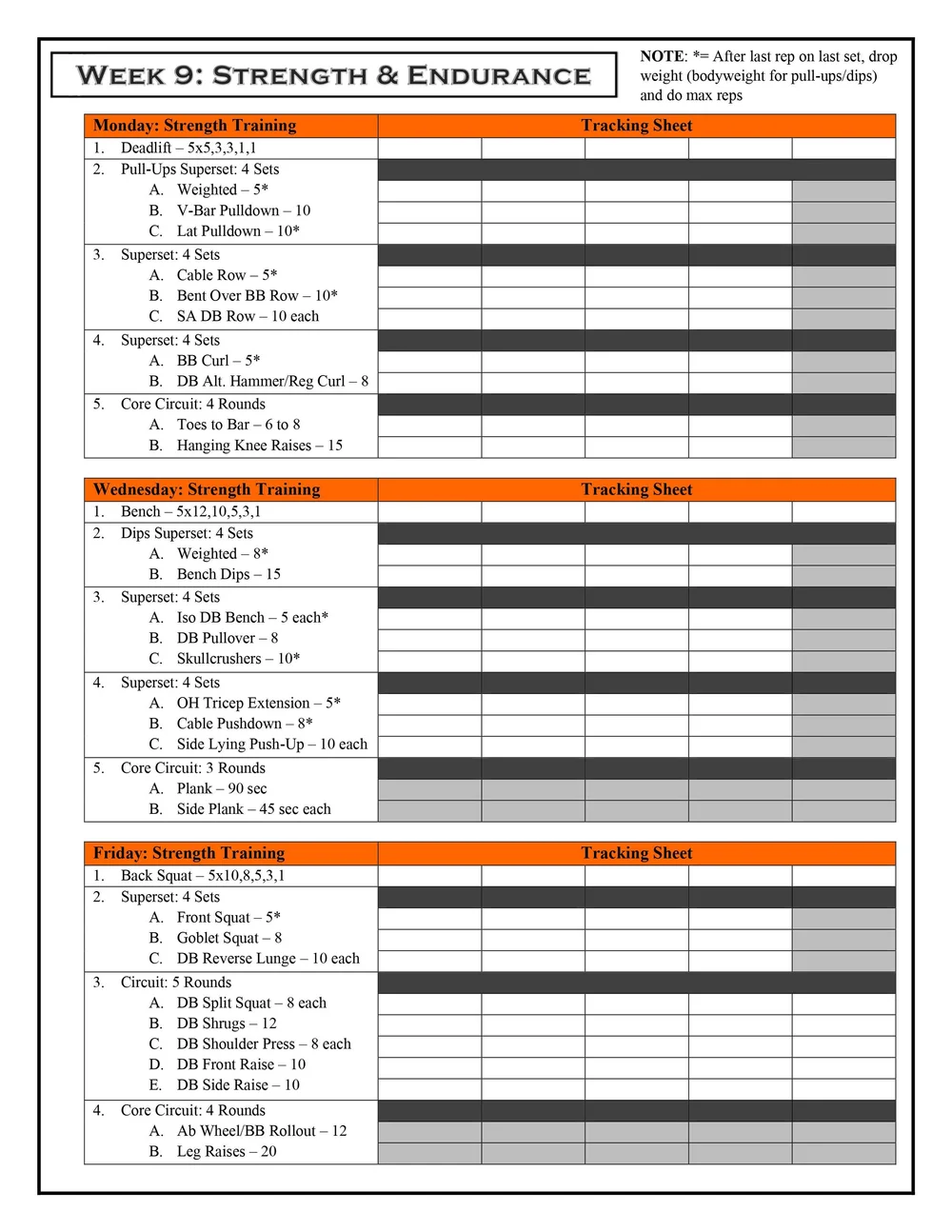
Credit: www.championforlifetraining.com
Key Benefits Of Wrestling Workouts
Wrestling workouts offer many benefits beyond the mat. They improve strength, endurance, and agility. These workouts shape your body and mind for better performance and health.
Regular wrestling training builds powerful muscles and boosts stamina. It also enhances balance and coordination. This combination helps you move faster and react quicker in any sport or daily activity.
Improved Physical Strength And Power
Wrestling exercises develop all major muscle groups. They increase your ability to lift, push, and pull with ease. Strong muscles reduce injury risk and improve overall fitness.
Enhanced Cardiovascular Endurance
High-intensity wrestling drills raise your heart rate quickly. This strengthens your heart and lungs over time. Better endurance means lasting longer in tough workouts or competitions.
Better Flexibility And Mobility
Wrestling demands wide ranges of motion. Stretching and dynamic moves improve joint flexibility. Flexible muscles help prevent strains and increase movement efficiency.
Increased Mental Toughness
Wrestling challenges your focus and discipline. It teaches you to stay calm under pressure. Mental strength gained helps in sports and daily challenges.
Weight Management And Fat Loss
Intense wrestling sessions burn many calories fast. This helps reduce body fat and maintain a healthy weight. Lean muscle growth also boosts metabolism for lasting results.

Credit: www.reddit.com
Essential Strength Training Exercises
Strength training is vital for wrestlers. It builds power and endurance needed on the mat. Essential exercises target multiple muscle groups. These exercises improve overall athletic ability and reduce injury risk.
Compound Movements
Compound movements use several muscles at once. They mimic wrestling actions and boost functional strength. Examples include:
- Squats – build leg and core power.
- Deadlifts – strengthen back, hips, and legs.
- Bench presses – develop chest, shoulders, and triceps.
- Pull-ups – improve upper back and arm strength.
These lifts increase muscle coordination and enhance explosive force.
Bodyweight Exercises
Bodyweight exercises improve strength without equipment. They help with control and balance. Key exercises are:
- Push-ups – strengthen chest, shoulders, and arms.
- Plank holds – build core stability.
- Burpees – enhance full-body endurance.
- Mountain climbers – boost agility and core strength.
These workouts develop muscular endurance and quick reflexes.
Core Strength Drills
The core is the center of wrestling power. Strong core muscles improve balance and movement. Effective drills include:
- Russian twists – target obliques for rotation power.
- Leg raises – strengthen lower abdominal muscles.
- Medicine ball slams – build explosive core force.
- Hanging knee tucks – develop hip flexors and abs.
Core strength drills protect the spine and enhance grappling ability.
Agility Drills For Wrestlers
Agility is a key component in wrestling that can give you a real edge on the mat. It helps you move quickly, change direction with ease, and stay balanced while executing complex moves. Agility drills sharpen your reflexes and improve your coordination, making every move more effective.
Ladder Drills
Ladder drills boost your foot speed and coordination. You set up an agility ladder on the ground and run through it using different foot patterns like one-foot hops, two-foot hops, or lateral steps.
Try to keep your steps light and quick. This drill trains your brain and body to work together, improving your timing and control. I noticed a huge difference in my reaction time after just a few weeks of consistent ladder work.
Cone Drills
Using cones, you can practice sharp turns and sudden stops—skills that matter when you’re trying to outmaneuver an opponent. Set up cones in a zigzag or square pattern and sprint between them, focusing on quick changes in direction.
This drill also builds endurance because it keeps your heart rate up while demanding precision. Can you keep your balance and speed while changing direction rapidly? That’s what cone drills will help you master.
Plyometric Exercises
Plyometrics improve explosive power, which is essential for quick takedowns and escapes. Exercises like box jumps, squat jumps, and lateral bounds train your muscles to generate maximum force fast.
These moves also enhance your overall agility by teaching your body to react quickly and efficiently. Adding plyometric exercises to your routine will make your wrestling moves sharper and more powerful.
Flexibility And Mobility Routines
Flexibility and mobility are crucial for any wrestling workout plan. They help you move freely, avoid injuries, and improve your overall performance on the mat. Without proper routines, your muscles can become tight, limiting your ability to execute quick moves and holds effectively.
Dynamic Stretching
Dynamic stretching gets your body ready by mimicking the movements you’ll use during wrestling. It boosts blood flow and increases range of motion without making you feel sluggish. Try leg swings, arm circles, and hip rotations before practice to keep your joints loose and reactive.
I remember skipping dynamic stretches early in my training and immediately feeling stiff during matches. Adding just 5 minutes of dynamic warm-ups made a noticeable difference in how quickly I could react and change positions. What movements do you think challenge your flexibility the most?
Yoga For Wrestlers
Yoga isn’t just for relaxation; it’s a powerful tool for improving balance, strength, and flexibility. Poses like downward dog, warrior, and pigeon open up tight hips and shoulders, which are common trouble spots for wrestlers.
Practicing yoga regularly helped me recover faster after intense sessions and stay calm under pressure. You don’t need to be an expert—start with a few basic poses and focus on steady breathing. Could adding yoga to your routine help you stay injury-free and more focused?
Sample Weekly Workout Schedule
Creating a balanced weekly workout schedule is key to improving your wrestling performance. You want to target different muscle groups and skills throughout the week without overloading your body. This sample plan breaks down workout days by focus areas to help you build strength, speed, and recovery time effectively.
Strength Days
On strength days, focus on compound lifts that build overall power. Exercises like squats, deadlifts, bench presses, and pull-ups should be your foundation. Aim for 3-4 sets of 6-8 reps with challenging weights to stimulate muscle growth.
Don’t forget to include core work—planks, Russian twists, and hanging leg raises help stabilize your body during matches. After one of my early training cycles, I realized adding heavy lifts improved my takedown strength noticeably. How could you adjust your lifting routine to break through plateaus?
Agility Days
Agility days improve your speed, reaction time, and coordination. Drills like ladder footwork, cone drills, and shuttle runs are excellent choices. These exercises sharpen your ability to move quickly and change direction during a match.
Include plyometrics such as box jumps and burpees to boost explosive power. You might find that your quickness on the mat improves more with consistent agility work than just strength training alone. What new agility drill could you try this week?
Rest And Recovery
Rest days are essential, not optional. Your muscles need time to repair and grow stronger after intense training sessions. Use these days for light activities like walking, stretching, or yoga to promote blood flow without strain.
Sleep and nutrition also play a huge role in recovery. When I began prioritizing rest, I noticed less fatigue and fewer injuries, which kept me training consistently. Are you giving your body enough time to recover between workouts?
Nutrition Tips For Performance
Good nutrition plays a key role in wrestling success. Eating the right foods boosts energy, strength, and focus. Wrestlers need to fuel their bodies before training and recover well afterward. Proper hydration also supports peak performance and quick recovery. Following nutrition tips helps wrestlers train harder and stay strong on the mat.
Pre-workout Fuel
Eat a balanced meal 1 to 2 hours before training. Include complex carbs like oats or whole grain bread. Add lean protein such as chicken or eggs. Avoid heavy fats that slow digestion. Snack on fruits like bananas for quick energy. This combination provides steady fuel and helps maintain stamina.
Post-workout Recovery
After training, eat within 30 minutes to 1 hour. Focus on protein to repair muscles. Good options include yogurt, cottage cheese, or a protein shake. Include carbs to restore energy, like rice or sweet potatoes. Hydrating with water or a recovery drink is also essential. Proper recovery food helps reduce soreness and prepares you for the next session.
Hydration Strategies
Drink water throughout the day to stay hydrated. Aim for at least 8 glasses daily, more during intense workouts. Sip water before, during, and after training. Avoid sugary or caffeinated drinks that dehydrate. Electrolyte drinks can help replace salts lost in sweat. Proper hydration keeps muscles working well and prevents cramps.
Tracking Progress And Staying Motivated
Tracking progress and staying motivated are crucial parts of any wrestling workout plan. Without clear feedback, it’s easy to lose focus or feel stuck. Watching your improvements over time fuels your drive and helps you push through tough days.
Setting Goals
Clear goals give your workouts direction. Start by defining what you want to achieve—whether it’s increasing strength, improving endurance, or mastering specific wrestling moves.
Break these goals into smaller targets, like adding 10 pounds to your deadlift or shaving seconds off your sprint time. This makes progress feel more manageable and gives you frequent wins to celebrate.
Ask yourself: What motivates you most? Is it beating a personal record or outperforming an opponent? Your goals should reflect what truly drives you to keep going.
Monitoring Improvements
Tracking your progress means more than just noting the weights you lift or reps you complete. Pay attention to how your body feels and how your technique evolves.
Use a workout journal or an app to log details like:
- Weight lifted
- Number of reps and sets
- Time spent on conditioning drills
- Recovery times and energy levels
Review this data weekly to spot patterns. Maybe your endurance improves after two weeks of sprint intervals, or your grip strength gets better with specific exercises. These insights help you adjust your plan and stay motivated by showing real results.

Credit: www.reddit.com
Frequently Asked Questions
What Is The Best Wrestling Workout Plan For Beginners?
A beginner wrestling workout plan focuses on building strength, endurance, and agility. It includes bodyweight exercises, cardio drills, and basic wrestling techniques. Consistency and proper rest are key to improvement and injury prevention.
How Often Should Wrestlers Train Each Week?
Wrestlers should train 4 to 6 times a week. This includes strength training, cardio, technique practice, and recovery sessions. Balanced training helps improve performance and reduces fatigue or injury risks.
Which Exercises Improve Wrestling Strength And Endurance?
Key exercises include squats, deadlifts, push-ups, pull-ups, and sprints. These build muscle, power, and cardiovascular endurance. Incorporate plyometric drills for explosiveness and flexibility to enhance wrestling performance.
How Important Is Nutrition In A Wrestling Workout Plan?
Nutrition is crucial for energy, recovery, and weight management. Wrestlers should eat balanced meals with proteins, carbs, and healthy fats. Staying hydrated and timing meals around workouts enhances performance and muscle repair.
Conclusion
A strong wrestling workout plan boosts your performance and confidence. It helps build strength, agility, and endurance. Consistent training ensures you stay ahead in the ring. Remember to listen to your body to avoid injuries. Balance your routine with rest and nutrition.
These elements work together for success. Make every session count. Focus on improving skills and technique. Keep track of your progress over time. Celebrate small victories and stay motivated. Wrestling requires dedication and commitment. Stick with your plan and watch yourself grow.
Your efforts will pay off. Stay determined and enjoy the journey.







