
Are you ready to shave minutes off your 5K time and feel stronger with every step? Improving your race speed isn’t just about running more—it’s about training smarter.
Whether you’re chasing a personal best or just want to finish faster, the right workouts can make all the difference. You’ll discover simple yet powerful exercises designed to boost your speed, endurance, and confidence. Keep reading, and you’ll unlock the secrets to running your fastest 5K yet.
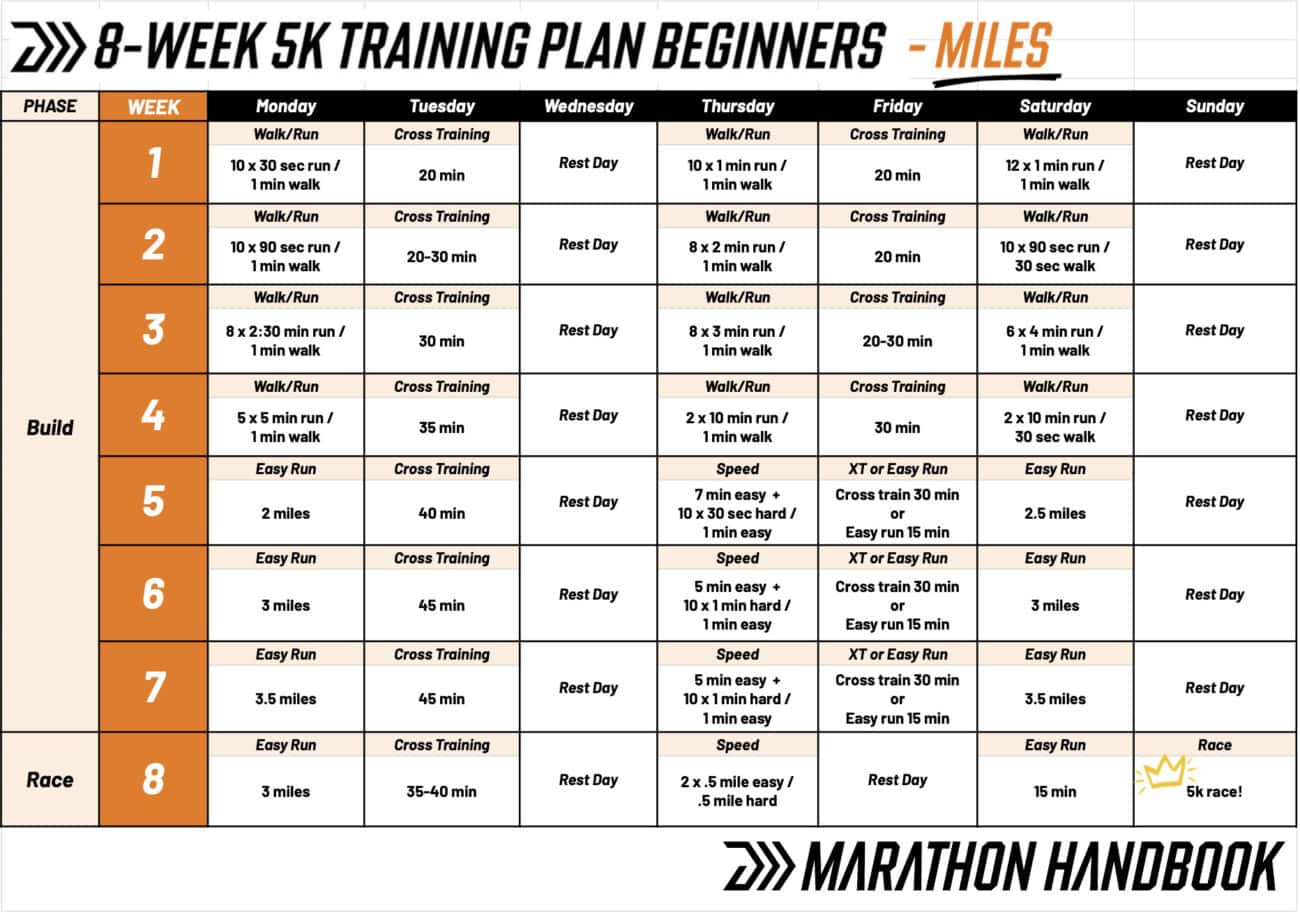
Credit: marathonhandbook.com
Speed Intervals
Speed intervals boost your running pace by training fast and recovering slow. These workouts push your muscles to run quicker and build endurance. Mixing different speed exercises keeps your training fresh and effective. Focus on short bursts of speed with proper rest between each effort. This approach improves your 5K time by enhancing your power and stamina.
Short-distance Sprints
Short-distance sprints train your body to move faster in brief bursts. Run at full speed for 100 to 200 meters. Rest for two to three minutes between sprints. Repeat five to eight times. This workout improves your leg strength and running form. It also teaches your body to use energy quickly and efficiently.
Tempo Runs
Tempo runs help your body run faster for longer periods. Run at a steady, challenging pace just below your sprint speed. Maintain this pace for 15 to 20 minutes. This builds your aerobic capacity and mental toughness. Tempo runs train your body to clear lactic acid during hard efforts. This helps you maintain speed during the entire 5K race.
Hill Repeats
Hill repeats increase your strength and power by running uphill. Find a hill that takes 30 to 60 seconds to sprint up. Run up hard, then walk or jog down to recover. Repeat six to ten times. Hill repeats build strong legs and improve your running economy. They also increase your speed on flat surfaces.

Credit: www.womenshealthmag.com
Endurance Training
Endurance training forms the backbone of improving your 5K time. It builds your stamina, allowing you to maintain a strong pace throughout the race. Without a solid endurance base, speed workouts won’t have the same impact.
Long Slow Runs
Long slow runs might sound boring, but they’re essential for building your aerobic base. Running at a comfortable, steady pace helps your body use oxygen more efficiently.
Try to extend your longest run each week by 5 to 10 minutes. This gradual increase improves your muscle endurance without excessive fatigue.
Have you noticed how your recovery feels after a long slow run compared to a fast one? The difference is key to consistent training and avoiding injury.
Fartlek Workouts
Fartlek means “speed play” in Swedish, and it’s a fun way to mix up your endurance training. You alternate between fast bursts and slower recovery runs during a single workout.
For example, after warming up, sprint for 30 seconds, then jog for 90 seconds. Repeat this cycle for 20 minutes to challenge your cardiovascular system and improve your speed endurance.
This type of workout keeps you mentally engaged and simulates the surges you might experience in a 5K race. When was the last time you added some spontaneous speed to your run?
Strength Exercises
Strength exercises play a crucial role in improving your 5K time. Building muscle power helps you maintain speed and endurance throughout the run. Focusing on targeted strength workouts can break plateaus and make your running feel easier and more efficient.
Core Conditioning
Your core stabilizes your body and improves running posture. A strong core reduces fatigue and prevents injuries by keeping your movements controlled.
Try exercises like planks, Russian twists, and bicycle crunches. Aim for 3 sets of 30 seconds to 1 minute each. Notice how a tighter core helps you stay upright and powerful during the entire race.
Leg Strengthening
Leg muscles are your main engines for speed. Squats, lunges, and step-ups target your quads, hamstrings, and glutes, making each stride more explosive.
Focus on controlled movements with weights or body weight. Adding these exercises twice a week can improve your push-off power and reduce injury risk.
Plyometric Drills
Plyometrics train your muscles to generate maximum force quickly, boosting your sprinting ability. Exercises like jump squats, box jumps, and bounding mimic the explosive power needed in a 5K finish.
Start with low reps, such as 3 sets of 8 jumps, and increase as your form improves. How much faster could you run if your legs reacted like springs on every step?
Flexibility And Mobility
Improving your 5K time isn’t just about speed and endurance; flexibility and mobility play a crucial role too. When your muscles and joints move more freely, your stride becomes smoother and more efficient. This means less energy wasted and a lower risk of injury, helping you run faster and recover quicker.
Dynamic Stretching
Dynamic stretching warms up your body by moving muscles and joints through their full range of motion. Unlike static stretching, it prepares you for the demands of running by activating key muscle groups. Try leg swings, high knees, or walking lunges before your run to increase blood flow and improve muscle elasticity.
Have you noticed how your running feels after skipping a warm-up? Dynamic stretches can make your first steps feel lighter and more controlled. Adding just 5 to 10 minutes of dynamic stretching can boost your performance noticeably.
Foam Rolling Techniques
Foam rolling helps release tight muscles and improve mobility by applying pressure to specific areas. It works like a deep tissue massage, breaking up knots and increasing blood flow. Spend time on your calves, quads, hamstrings, and IT band for the best results.
Using a foam roller regularly can reduce soreness and speed up recovery, so you can train harder and more consistently. Have you ever felt how much easier your muscles move after a good foam rolling session? Try rolling before and after runs to keep your muscles loose and ready.
Recovery Strategies
Recovery strategies are often overlooked but are essential to improving your 5K time. Without proper recovery, your body can’t perform at its best during workouts. Giving your muscles time to repair and adapt lets you run faster and feel stronger.
Active Recovery Days
Active recovery means moving your body without pushing too hard. Instead of complete rest, try low-intensity activities like walking, cycling, or gentle yoga. These help increase blood flow and reduce muscle soreness.
On my slower recovery days, a 20-minute easy bike ride or stretching session made a huge difference. It kept me loose and ready for the next hard workout. Could a simple walk after your runs help you bounce back faster?
Proper Nutrition
Your body needs the right fuel to rebuild muscle and restore energy. Focus on a balance of carbohydrates, protein, and healthy fats after your runs. Carbs refill your glycogen stores, while protein repairs muscle fibers.
- A snack like a banana with peanut butter or a smoothie with Greek yogurt can speed recovery.
- Don’t forget to hydrate—water supports every repair process in your body.
One time, I ignored post-run nutrition and felt sluggish in my next workout. After adjusting, my energy and speed both improved. Are you paying attention to what you eat after training?
Sleep Importance
Sleep is when your body does most of its healing and muscle building. Aim for at least 7-9 hours a night to maximize recovery. Poor sleep can slow your progress and increase injury risk.
I used to sacrifice sleep to fit in more training, but my times plateaued. Once I prioritized rest, my pace improved noticeably. How many hours of quality sleep do you get before your key runs?
Think of recovery as part of your training. Your best 5K times depend not just on how hard you run but on how well you recover.
Training Plans
Creating a solid training plan is key to improving your 5K time. The right plan balances different types of workouts and recovery, helping you build speed and endurance without burning out. Think of your training plan as a roadmap guiding you toward your personal best.
Weekly Workout Structure
Your week should include a mix of workouts that target different aspects of your fitness. A typical structure might look like this:
- Speed workouts:Short intervals or sprints to boost your pace and running economy.
- Tempo runs:Steady runs at a challenging but sustainable pace to improve your lactate threshold.
- Long runs:Slower, longer runs that build endurance and mental toughness.
- Easy runs or recovery days:Light runs or rest to help your body repair and avoid injury.
When I first started following a structured weekly plan, I noticed my pace improved faster than when I just ran randomly. Which days do you think you could dedicate to speed and recovery?
Balancing Intensity And Volume
Too much hard running can lead to fatigue and injury, but too little won’t push your limits. Balancing intensity (how hard you run) with volume (how much you run) is essential.
Try to keep about 20-30% of your weekly mileage at high intensity. The rest should be easy or moderate effort. This balance helped me avoid burnout and stay consistent through tough training cycles.
Ask yourself: Are you pushing hard enough on speed days but giving your body enough time to recover? Adjusting this balance could be the secret to breaking your personal record.

Credit: www.youtube.com
Frequently Asked Questions
What Are The Best Workouts To Improve 5k Time?
Interval training, tempo runs, and hill sprints are top workouts. They boost speed, endurance, and running efficiency for faster 5K times.
How Often Should I Train To Improve My 5k Time?
Train 3 to 5 times per week, balancing hard workouts with rest. Consistency and recovery are key to improving your 5K performance safely.
Can Strength Training Help Improve 5k Running Speed?
Yes, strength training builds muscle power and endurance. It improves running form and reduces injury risk, enhancing your 5K speed effectively.
Should I Include Hill Workouts For Faster 5k Times?
Absolutely, hill workouts increase leg strength and cardiovascular fitness. They simulate race conditions and help improve overall speed and stamina.
Conclusion
Improving your 5K time takes focus and effort. Regular workouts build strength and speed. Mix different types like intervals, tempo runs, and long runs. Rest days help your body recover well. Track your progress to stay motivated. Small steps lead to big changes.
Keep a positive mindset throughout your training. Enjoy each run and celebrate your growth. Consistency makes improvement possible. Start today, and watch your 5K time get better.







