
Are you ready to take your fitness to the next level? A workout routine using gym equipment can be exactly what you need to build strength, burn fat, and feel energized every day.
Whether you’re new to the gym or looking to switch up your exercises, this guide will help you use machines and weights effectively. Imagine seeing real progress in your body and confidence—without wasting time on workouts that don’t work. Keep reading, and you’ll discover simple steps to create a powerful routine tailored just for you.
Your best workout starts here.
Benefits Of Gym Equipment
Using gym equipment in your workout routine brings many benefits that can help you reach your fitness goals faster and safer. It allows you to target specific muscle groups with precision and adds variety to keep your sessions interesting. Have you ever felt stuck with your progress? Gym machines and tools can be the key to breaking through plateaus.
Improved Safety And Support
Gym equipment often provides built-in support that helps reduce the risk of injury. Machines guide your movements, making it easier to maintain proper form. This is especially helpful if you’re new to working out or recovering from an injury.
Targeted Muscle Training
Free weights and machines let you focus on specific muscles or groups. This helps you build strength evenly and correct muscle imbalances. For example, using a leg press machine can isolate your quadriceps without putting strain on your lower back.
Increased Workout Efficiency
Using gym equipment can make your workouts more efficient by saving time. Machines are quick to adjust and easy to use, so you spend less time setting up and more time training. Have you noticed how some machines let you switch exercises quickly? That keeps your heart rate up and improves endurance.
Progress Tracking And Adjustability
Most gym equipment allows you to adjust weights and resistance in small increments. This helps you track progress clearly and avoid overloading too fast. Seeing measurable improvements motivates you to push harder and stay consistent.
Versatility And Variety
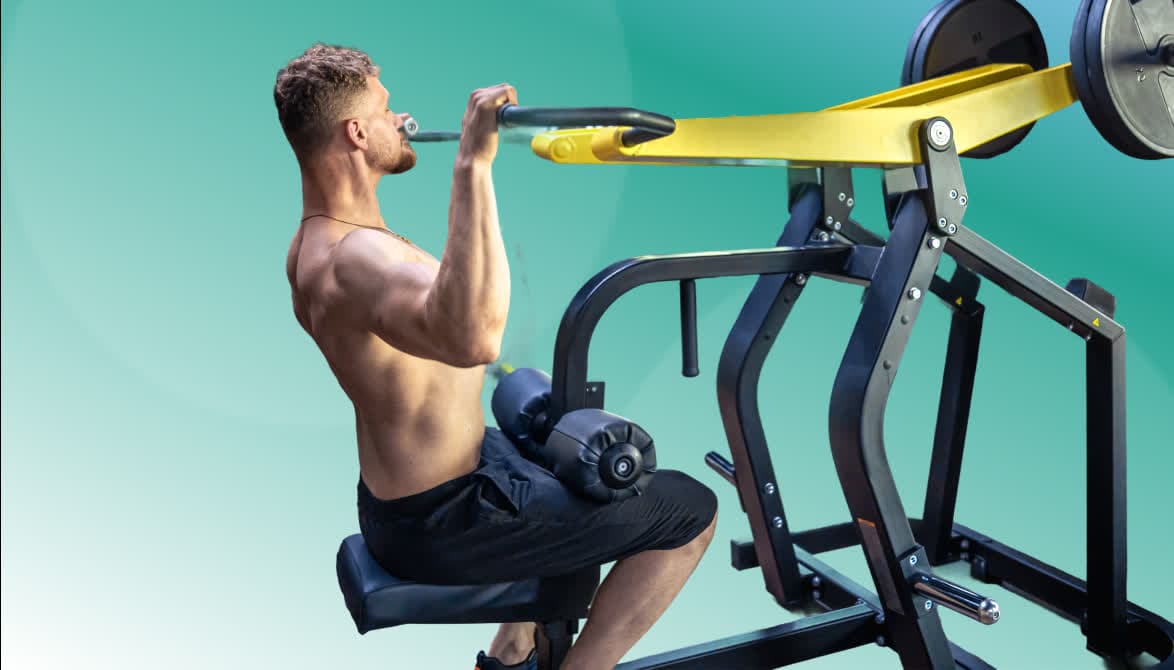
Gym equipment offers many options to keep your workouts fresh and challenging. You can combine machines, free weights, and cardio tools to create a balanced routine. Mixing it up prevents boredom and helps you engage different muscle groups regularly.
Credit: www.jefit.com
Setting Goals For Fast Results
Setting clear goals is the key to getting fast results with your workout routine using gym equipment. Without a target, it’s easy to lose focus or feel stuck. Defining what you want helps you plan your sessions and measure progress effectively.
Define Specific And Measurable Goals
Vague goals like “get fit” don’t guide your workouts well. Instead, aim for specific targets such as “increase bench press by 20 pounds” or “run 5k in under 25 minutes.”
Measurable goals let you track improvements and adjust your routine accordingly. Ask yourself: what exactly do you want to achieve by the end of the month?
Set Realistic Time Frames
Fast results don’t mean overnight changes. Setting a realistic timeline keeps you motivated without risking injury or burnout.
Try breaking your main goal into smaller milestones. For example, add 5 pounds to your squat every two weeks. This approach builds momentum and confidence.
Create A Balanced Workout Plan
Goals shape the way you use gym equipment. If strength is your aim, focus on weights and resistance machines. For endurance, spend more time on cardio machines like treadmills or ellipticals.
Mixing different equipment prevents boredom and helps avoid plateaus. How can you balance your workouts to cover all your goals?
Track Your Progress Consistently
Keep a workout journal or use apps to record your reps, sets, and weights. Seeing your progress in black and white boosts motivation.
When I started tracking my workouts, I realized small gains were happening more often than I thought. This pushed me to keep improving rather than giving up.
Adjust Goals Based On Results
If you hit a plateau, it’s time to tweak your goals or routine. Maybe increase weight, change exercises, or extend your timeline.
Your body will respond differently as you progress. Are your goals pushing you just enough without causing frustration?
Creating A Balanced Workout Plan
Creating a balanced workout plan is essential to make the most out of your time at the gym. It ensures your body gets a full range of benefits—from burning calories to building muscle and improving movement. A well-rounded routine keeps you motivated and reduces the risk of injury.
Cardio Exercises
Cardio workouts help improve your heart health and endurance. Machines like treadmills, stationary bikes, and rowing machines offer various intensities to match your fitness level. Start with 20-30 minutes, and challenge yourself by adjusting speed or resistance.
Think about mixing steady-state cardio with short bursts of high intensity. This variation can boost calorie burn and keep workouts interesting. Have you tried interval training on the elliptical? It can be a game changer.
Strength Training
Strength training builds muscle, tones your body, and supports bone health. Use free weights, weight machines, or resistance bands to target different muscle groups.
Focus on compound exercises like squats, bench presses, and deadlifts to work multiple muscles at once. Aim for 2-3 sessions per week, allowing rest days in between for recovery. What muscle group do you feel needs the most attention?
Flexibility And Mobility
Flexibility and mobility often get overlooked but are crucial for overall fitness. Stretching and mobility drills help improve your range of motion and prevent stiffness.
Include dynamic stretches before workouts and static stretches afterward. Equipment like foam rollers or resistance bands can enhance your routine. How often do you take time to stretch during your gym sessions?
Choosing The Right Equipment
Choosing the right gym equipment shapes your workout success. The right tools support your fitness goals and keep you motivated. Select machines and accessories that match your strength, endurance, and flexibility needs.
Consider ease of use and safety. Start with equipment that feels comfortable. Gradually try new machines as you build confidence and skills. Variety helps target different muscle groups and avoids workout boredom.
Treadmills And Ellipticals
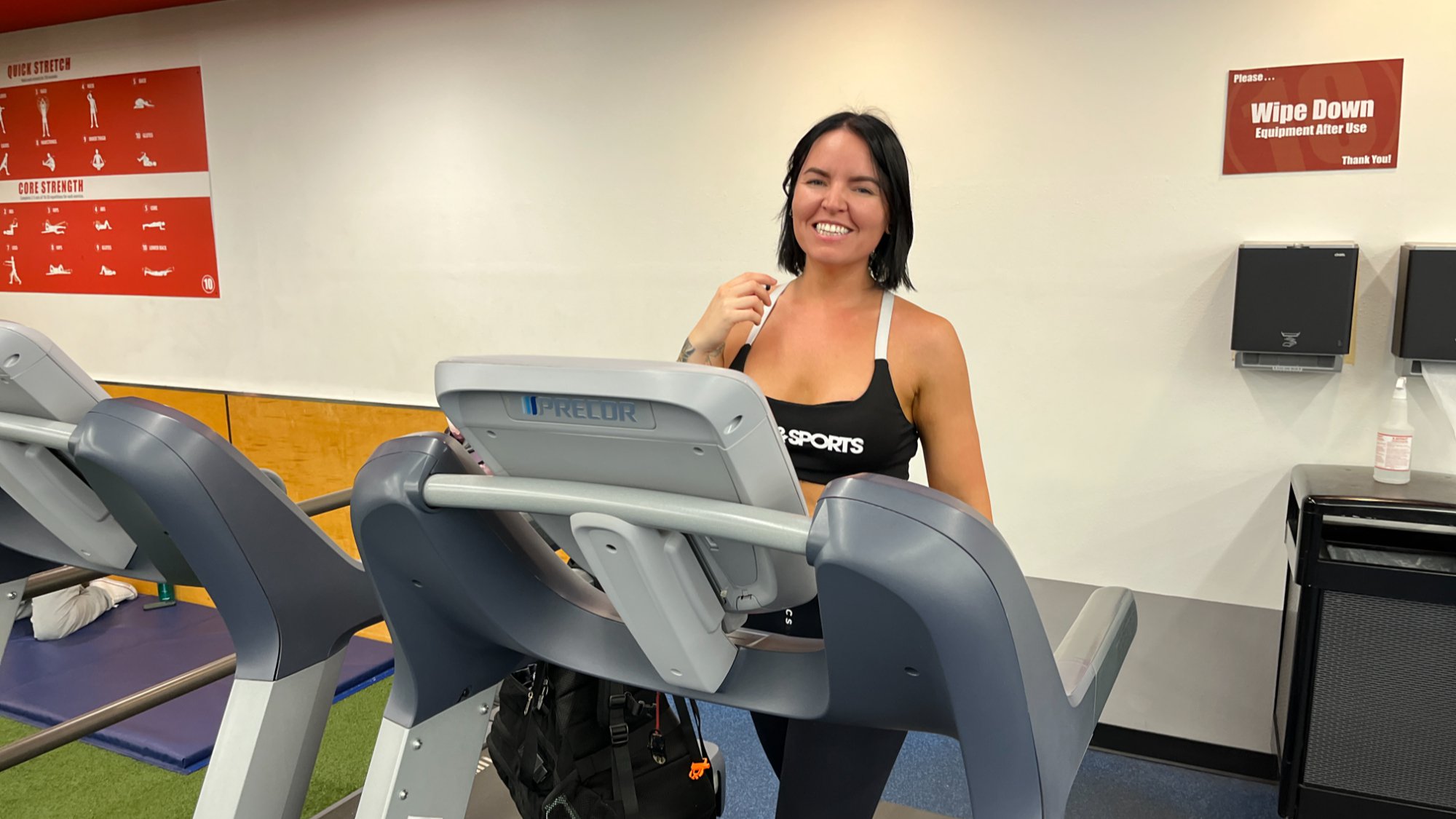
Treadmills offer a simple way to walk or run indoors. They improve cardiovascular health and burn calories fast. Speed and incline settings adjust workout intensity. Ellipticals provide low-impact exercise. They protect joints while offering full-body movement. Both are great for beginners and advanced users.
Weight Machines And Free Weights
Weight machines guide your movement for safe strength training. They target specific muscles and control your form. Free weights include dumbbells, barbells, and kettlebells. They require balance and coordination, improving muscle control. Mixing machines and free weights leads to balanced muscle growth.
Resistance Bands And Other Accessories
Resistance bands are versatile and easy to carry. They add resistance without heavy weights. Bands help improve flexibility and strength. Other accessories include stability balls, foam rollers, and jump ropes. These tools enhance core strength, recovery, and cardio fitness.
Proper Form And Technique
Mastering proper form and technique is the foundation of any effective workout routine using gym equipment. Without it, you risk injury and limit your progress. Paying attention to how you move through each exercise can make your sessions safer and more productive.
Avoiding Common Mistakes
Many gym-goers rush through exercises or use weights that are too heavy, which compromises form. For instance, rounding your back during deadlifts not only reduces effectiveness but also strains your spine. Have you noticed if you lock your joints or use momentum instead of muscle control?
Focus on controlled movements and steady breathing. Start with lighter weights until you feel confident in your technique. It’s better to perform fewer reps correctly than many reps poorly.
Tips For Safe Lifting
- Warm up properly:Spend 5-10 minutes preparing your muscles with dynamic stretches or light cardio.
- Maintain a neutral spine:Keep your back straight and core engaged to support your body.
- Use full range of motion:Move joints through their natural path without forcing or overextending.
- Grip the equipment firmly:This prevents slipping and helps maintain control.
- Listen to your body:Stop immediately if you feel sharp pain or discomfort.
During my early gym days, I ignored proper form to lift heavier weights. The result? A nagging shoulder injury that sidelined me for weeks. That experience taught me that technique always trumps ego.
Credit: 10fitness.com
Maximizing Workout Efficiency
Maximizing workout efficiency helps you get the most from your gym time. Using gym equipment smartly can boost strength and stamina faster. Focused routines reduce wasted effort and improve results. Smart training methods increase calorie burn and build muscle effectively. Efficient workouts save time and keep motivation high.
High-intensity Interval Training
High-Intensity Interval Training (HIIT) alternates short bursts of effort with rest. This method burns fat and builds endurance quickly. Use gym machines like treadmills, rowers, or bikes for intervals.
- Work hard for 20-30 seconds at high speed or resistance.
- Rest or do light activity for 30-60 seconds.
- Repeat cycles for 15 to 20 minutes.
HIIT boosts metabolism long after the workout ends. It fits well with busy schedules and improves heart health. Switch machines to keep your body challenged and prevent boredom.
Circuit Training
Circuit training moves through different exercises with little rest. Combine strength and cardio using gym equipment for a full-body workout. This approach maintains a high heart rate and builds muscle tone.
- Choose 5 to 8 exercises targeting different muscle groups.
- Perform each exercise for 30-60 seconds.
- Move quickly between exercises.
- Rest for 1-2 minutes after completing one circuit.
- Repeat 2 to 4 circuits.
Circuit training saves time and keeps workouts exciting. Use machines like leg press, chest press, and cable rows for variety. This method improves strength, endurance, and calorie burn all at once.
Tracking Progress And Adjustments
Tracking your progress and making adjustments is essential to getting the most out of your workout routine using gym equipment. Without monitoring, you might miss signs of improvement or plateaus, leading to frustration and stalled results. Keeping a close eye on your progress helps you stay motivated and ensures your workouts remain challenging and effective.
Using Fitness Apps
Fitness apps can be powerful tools to track your workouts and monitor progress. Many apps allow you to log sets, reps, weights, and rest times, giving you a clear picture of your performance over time.
Apps like MyFitnessPal or Strong offer easy ways to record your gym sessions and provide visual charts to track gains. Have you ever noticed how seeing your numbers improve week by week pushes you to add just a bit more weight or squeeze out an extra rep?
Some apps also remind you to rest or suggest when to increase intensity based on your logged data. Using these digital tools can turn your workout routine into a well-planned journey rather than guesswork.
Regular Assessments
Assessing your fitness regularly gives you real insight into how well your routine is working. This can be as simple as measuring strength improvements or tracking body measurements every few weeks.
Try setting a schedule to test your max lifts or endurance levels monthly. Noticing even small improvements can boost your confidence and help you decide if you need to increase weights, change exercises, or add more rest.
Ask yourself: Are you feeling stronger? Can you do more reps with the same weight? If not, maybe it’s time to adjust your routine. Regular assessments keep your workouts aligned with your goals and prevent stagnation.
Credit: www.lemon8-app.com
Nutrition And Recovery
Nutrition and recovery are key pillars of any workout routine using gym equipment. They directly impact your energy levels, performance, and muscle growth. Without paying attention to what you eat and how you recover, your efforts in the gym may not yield the results you want.
Pre-workout Meals
Your body needs fuel before hitting the gym. Eating the right foods can boost your stamina and focus.
- Carbohydrates:Choose complex carbs like oatmeal, whole-grain bread, or sweet potatoes. They provide steady energy release.
- Protein:A moderate amount, such as a boiled egg or Greek yogurt, helps prevent muscle breakdown during exercise.
- Hydration:Drinking water before your workout keeps your muscles hydrated and reduces fatigue.
Have you noticed how skipping a meal before training affects your strength? Try experimenting with different pre-workout foods and see what makes you feel strongest.
Post-workout Recovery
Recovery starts the moment you finish your set. What you consume after exercise can speed up muscle repair and reduce soreness.
- Protein:Aim for 20-30 grams of protein within 30-60 minutes after your workout. Whey protein shakes or lean meats work well.
- Carbohydrates:Replenish glycogen with fruits, rice, or pasta to restore your energy levels.
- Electrolytes:Replace minerals lost through sweat with drinks containing sodium and potassium.
Think about how your muscles feel the day after different recovery meals. Are you recovering faster when you eat a balanced post-workout snack?
Staying Motivated
Staying motivated during your workout routine can be challenging, especially when progress feels slow or life gets busy. Motivation isn’t just about willpower; it’s about creating small wins and having support that keeps you moving forward. Let’s look at how setting clear goals and finding a workout buddy can make a real difference in your gym sessions.
Setting Short-term Milestones
Short-term milestones give you clear targets to aim for. Instead of focusing only on the big goal like losing 20 pounds, break it down into achievable steps like adding 5 pounds to your bench press or running an extra half mile. These smaller wins boost your confidence and keep your routine fresh.
Try writing down your milestones and check them off as you go. This visual progress can be incredibly motivating and helps you stay focused on what’s next. Have you ever noticed how ticking off a small goal can spark a burst of energy to keep going?
Finding A Workout Partner
Working out with a partner adds accountability and makes gym time more enjoyable. When someone else is counting on you, skipping sessions becomes harder. Plus, you can challenge each other and celebrate improvements together.
Your workout buddy can also spot you during heavy lifts or motivate you to push through tough sets. Think about who in your circle shares your fitness goals or energy—sometimes the best partners come from unexpected places, like a coworker or a neighbor.
Frequently Asked Questions
What Gym Equipment Is Best For Beginners?
Begin with machines like treadmills, stationary bikes, and cable machines. These provide controlled movements and reduce injury risk. Start with lighter weights and focus on proper form to build confidence and strength gradually.
How Often Should I Use Gym Equipment Weekly?
Aim for 3 to 5 workout sessions weekly. Balance cardio and strength training for overall fitness. Allow rest days to help muscle recovery and prevent burnout.
Can Gym Equipment Help With Weight Loss?
Yes, gym equipment supports weight loss by burning calories. Cardio machines like ellipticals and treadmills are effective. Strength training builds muscle, boosting metabolism and aiding fat loss.
How Do I Create A Balanced Gym Routine?
Include cardio, strength, and flexibility exercises. Use a mix of machines and free weights. Schedule workouts targeting different muscle groups for complete body fitness.
Conclusion
Using gym equipment helps build strength and improve fitness. Start with simple machines and increase weight slowly. Consistency matters more than speed or heavy lifting. Rest between workouts lets muscles grow and recover. Always focus on proper form to avoid injury.
Mix different equipment to work all body parts. Enjoy your routine and stay motivated every day. Small steps lead to big changes over time. Keep moving, stay safe, and feel stronger soon.







