
Imagine looking in the mirror and seeing the toned, muscular physique you’ve always dreamed of. A ripped body isn’t just about aesthetics—it’s a symbol of your hard work, dedication, and strength.
You might wonder how you can achieve such impressive results without spending endless hours at the gym. The secret lies in a well-crafted workout routine tailored just for you. This article is your guide to unlocking the potential of your body, helping you transform it step by step.
Dive in, and discover how you can turn your fitness goals into reality, and keep reading to learn the powerful strategies that will get you there faster than you ever thought possible.
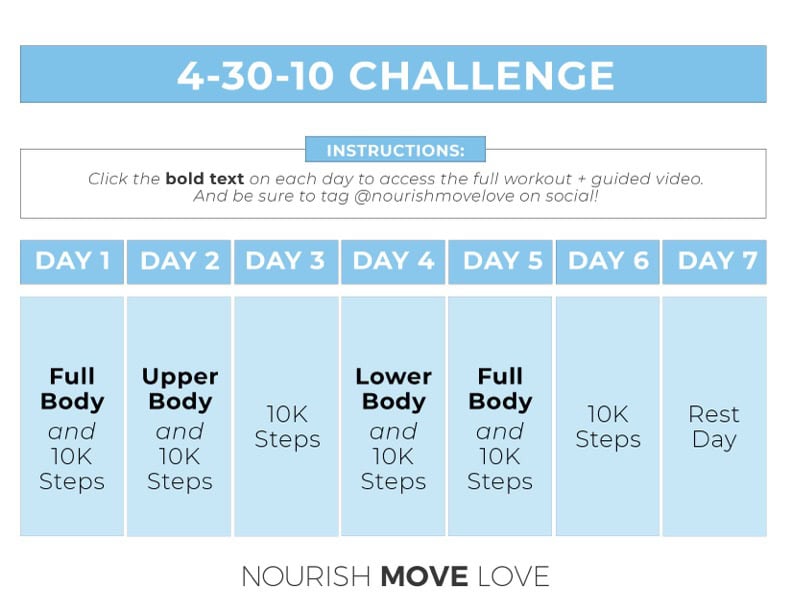
Credit: www.nourishmovelove.com
Key Principles For Muscle Growth
Building muscle isn’t just about lifting heavy weights. It’s about smart strategies that push your body to adapt and grow stronger. Understanding key principles like progressive overload, training frequency, and rest can change the way you approach your workouts and help you get ripped more effectively.
Progressive Overload
Progressive overload means gradually increasing the stress you put on your muscles. This could be adding more weight, increasing reps, or shortening rest times between sets.
I remember hitting a plateau until I started tracking my weights every week. Even a small increase, like 2.5 pounds, made a noticeable difference over time. Without pushing your muscles beyond what they’re used to, growth stalls.
Ask yourself: Are you challenging your muscles enough each session, or are you stuck repeating the same routine?
Training Frequency And Volume
How often you train a muscle and how much work you do matters. Aim to work each muscle group 2-3 times per week with a total volume that fits your recovery capacity.
Volume is the total amount of sets and reps you perform. For muscle growth, 12-20 sets per muscle group weekly is a good range to start with.
Finding the right balance for your body can speed up gains. Too little volume won’t stimulate growth, while too much can cause burnout. What frequency makes you feel strong but not drained?
Rest And Recovery
Muscle growth happens outside the gym, during rest. Without enough recovery, your hard work won’t translate into bigger muscles.
Make sure you get quality sleep and allow 48 hours before training the same muscle group again. Nutrition also plays a key role in recovery.
Think about your recent workouts—have you given your body the time it needs to repair and grow stronger?
Effective Workout Splits
Choosing the right workout split can shape your path to getting ripped. Effective splits balance training volume and recovery. They help target muscles properly while avoiding burnout.
Each split style suits different goals and schedules. Understanding them helps you pick the best fit for your body and lifestyle.
Full-body Workouts
Full-body workouts train all major muscle groups in one session. They usually happen three times per week. This approach boosts calorie burn and builds balanced strength.
Ideal for beginners or those with limited time. Full-body routines keep intensity moderate but consistent. Exercises often include squats, push-ups, rows, and deadlifts.
Rest days between sessions support muscle recovery. This split helps improve overall fitness and muscle tone fast.
Push/pull/legs Split
This split divides workouts into three groups: pushing muscles, pulling muscles, and legs. Pushing includes chest, shoulders, and triceps. Pulling covers back and biceps. Legs focus on quads, hamstrings, and calves.
Training these groups separately allows higher intensity. It also promotes better muscle recovery and growth. Usually done six days a week, with one rest day.
The push/pull/legs split suits intermediate lifters. It balances volume and frequency well for muscle building.
Upper/lower Body Split
The upper/lower split divides workouts into upper body and lower body days. Upper body covers chest, back, shoulders, arms. Lower body targets quads, hamstrings, glutes, calves.
This split typically runs four days per week. It allows enough work per muscle group without overtraining. Recovery days alternate between upper and lower muscle groups.
Good for those who want focused training but less frequency than push/pull/legs. It builds strength and muscle evenly across the body.
Essential Exercises For Ripped Physique
Building a ripped physique demands more than just showing up at the gym. You need to focus on essential exercises that target multiple muscle groups efficiently and sculpt your body with precision. Choosing the right moves can save you time and boost your results dramatically.
Compound Movements
Compound exercises are your best friends if you want to build muscle fast and burn fat. These moves engage multiple joints and muscle groups at once, making your workouts more efficient.
- Squats:Target your quads, hamstrings, glutes, and core. Squats also improve overall strength and balance.
- Deadlifts:Hit your back, glutes, hamstrings, and forearms. Deadlifts build serious power and help with fat loss.
- Bench Press:Work your chest, shoulders, and triceps. It’s great for upper body mass and strength.
- Pull-Ups:Target your back, biceps, and shoulders. Pull-ups improve grip strength and upper body definition.
I once struggled with slow progress until I focused on these compound lifts. The change was immediate—I gained muscle and shed fat faster than before. Which compound movement challenges you the most?
Isolation Exercises
Isolation exercises let you focus on specific muscles to shape and define your physique. They’re perfect for fixing weak spots and adding detail to your muscles.
- Bicep Curls:Target the biceps directly for arm definition.
- Tricep Extensions:Help carve out your triceps, essential for a balanced arm look.
- Leg Curls:Focus on hamstrings to improve leg symmetry and strength.
- Lateral Raises:Build shoulder width and create a more impressive upper body silhouette.
When you add isolation moves to your routine, you can correct muscle imbalances and enhance muscle shape. Do you know which muscles you should prioritize for better symmetry?
Core Strength Training
A strong core is the foundation of a ripped body. It stabilizes your movements and improves your posture, helping you lift heavier and avoid injuries.
- Planks:Engage your entire core, including deep muscles.
- Hanging Leg Raises:Focus on the lower abs for a well-rounded core.
- Russian Twists:Target your obliques to add definition to your waistline.
- Ab Wheel Rollouts:Challenge your core and improve your strength dramatically.
After I started prioritizing core training, my lifts improved and my abs became visible faster. How often do you challenge your core beyond basic crunches?
Optimizing Workout Intensity
Optimizing workout intensity is key to building a ripped physique. It pushes muscles beyond their comfort zone, triggering growth and strength gains. Adjusting intensity keeps workouts fresh and effective, avoiding plateaus.
Intensity involves manipulating reps, sets, rest, and exercise speed. Small changes in these variables can create big differences in muscle growth. It also helps you train smarter, not just harder.
Reps And Sets For Muscle Growth
Choose reps and sets to challenge muscles properly. Aim for 8-12 reps per set to build size. Use 3-4 sets for each exercise to create enough volume.
Lower reps with heavier weights build strength. Higher reps with lighter weights improve endurance. Balance both to develop muscle size and power.
Rest 30-60 seconds between sets. This keeps intensity high and muscles engaged. Longer rest reduces workout density and limits growth.
Incorporating Supersets And Drop Sets
Supersets pair two exercises back-to-back with no rest. This increases workout intensity and saves time. Use supersets for opposing muscle groups or similar movements.
Drop sets involve lowering weight after muscle fatigue. Continue exercise immediately with lighter weights. This pushes muscles beyond failure and boosts growth.
Both techniques maximize muscle stress. They increase blood flow and muscle pump. Use them wisely to avoid overtraining.
Using Tempo And Time Under Tension
Tempo controls how fast or slow you lift weights. Slower reps increase time under tension, stressing muscles more. Try 3-4 seconds lowering the weight and 1-2 seconds lifting it.
Time under tension helps muscle fibers grow stronger and bigger. Focus on controlled movements, not speed. It improves muscle control and reduces injury risk.
Mix tempos in your routine for variety. This challenges muscles differently and prevents plateaus.
Nutrition To Support Muscle Gain
Nutrition plays a key role in building muscle and getting ripped. Eating the right foods fuels workouts and helps muscles recover and grow. Focus on balanced meals that support your workout routine and body goals.
Macronutrient Breakdown
Muscle gain needs the right mix of protein, carbs, and fats. Protein helps repair muscle tissues. Carbohydrates provide energy for workouts. Healthy fats support hormone production and overall health.
- Protein: Aim for 1.2 to 2 grams per kg of body weight daily.
- Carbohydrates: Consume 3 to 5 grams per kg for energy and recovery.
- Fats: Include 0.5 to 1 gram per kg, focusing on healthy sources.
This balance helps build muscle while keeping fat gain low.
Meal Timing And Frequency
Eating at regular times helps maintain energy and supports muscle growth. Spread protein intake evenly across meals to keep muscles fed. Try eating every 3 to 4 hours with balanced meals.
Have a protein-rich meal or snack within 30 minutes after workouts. This kickstarts muscle recovery and growth. Hydrate well throughout the day to aid nutrient delivery and performance.
Supplements For Faster Results
Supplements can help fill nutrition gaps and support muscle gain. Whey protein is popular for quick, high-quality protein. Creatine boosts strength and muscle size over time. Branched-chain amino acids (BCAAs) may reduce muscle soreness and aid recovery.
Use supplements wisely. They support but do not replace whole foods.

Credit: www.olympicmuscle.com
Tracking Progress And Adjustments
Tracking progress is key to getting ripped. It shows what works and what needs change. Regular checks keep motivation high and ensure steady improvement. Adjustments help break through slow phases and avoid injuries. Use clear markers to measure strength, body changes, and routine effectiveness.
Monitoring Strength Gains
Track the weight lifted for each exercise. Note the number of reps and sets completed. Record any increase in resistance or difficulty. Use a workout journal or an app to keep data. Consistent strength gains indicate muscle growth and improved fitness.
Body Composition Changes
Measure body fat percentage regularly. Use tools like calipers, scales, or professional tests. Take body measurements of waist, arms, and chest. Take progress photos weekly or monthly. Changes in muscle size and fat loss show real progress.
Adjusting Routine For Plateaus
Plateaus happen when progress stalls. Change exercises to target muscles differently. Increase intensity by adding weights or reps. Vary workout order and rest periods. Try new training styles like supersets or circuits. Small changes prevent boredom and boost results.
Common Mistakes To Avoid
A workout routine to get ripped requires focus and care. Many people make mistakes that slow progress or cause injury. Avoiding these common errors helps you train smarter and see better results. Pay attention to your body and habits. Small changes can make a big difference.
Overtraining Risks
Training too much causes fatigue and injury. Muscles need time to repair and grow. Overtraining lowers strength and energy. It also weakens the immune system. Signs include constant soreness, trouble sleeping, and low motivation. Balance workout days with rest days. Quality beats quantity for muscle gain.
Neglecting Recovery
Skipping recovery stops your body from healing. Recovery includes sleep, nutrition, and rest days. Without recovery, muscles stay tired and weak. Growth happens during rest, not workouts. Drink water, eat protein, and get enough sleep. Use light activities like walking to help blood flow. Recovery boosts performance and prevents burnout.
Poor Form And Technique
Bad form leads to injury and poor results. Proper technique targets muscles correctly. It also prevents strain on joints and ligaments. Use mirrors or record yourself to check form. Start with light weights to learn movements. Ask for guidance from trainers or experienced friends. Consistent good form builds strength safely and effectively.

Credit: www.thebioneer.com
Frequently Asked Questions
What Is The Best Workout Routine To Get Ripped Fast?
A high-intensity strength training plan with compound exercises works best. Combine weightlifting, cardio, and proper nutrition for faster fat loss and muscle gain.
How Many Days A Week Should I Train To Get Ripped?
Train 4 to 6 days weekly, focusing on different muscle groups. Consistency and recovery are key to building lean muscle and burning fat effectively.
What Diet Supports A Ripped Workout Routine?
Eat a high-protein, moderate-carb, and low-fat diet. Prioritize whole foods, lean proteins, vegetables, and stay hydrated to fuel workouts and aid muscle recovery.
Should I Include Cardio In A Ripped Workout Plan?
Yes, include 2 to 3 cardio sessions weekly. Cardio helps burn fat, improves endurance, and enhances muscle definition when combined with strength training.
Conclusion
Building muscle takes effort and time. Stick to your workout routine every day. Eat healthy foods to fuel your body well. Rest is just as important as exercise. Track your progress to stay motivated and focused. Small changes lead to big results.
Keep pushing forward and stay patient. Your hard work will show soon enough.







