
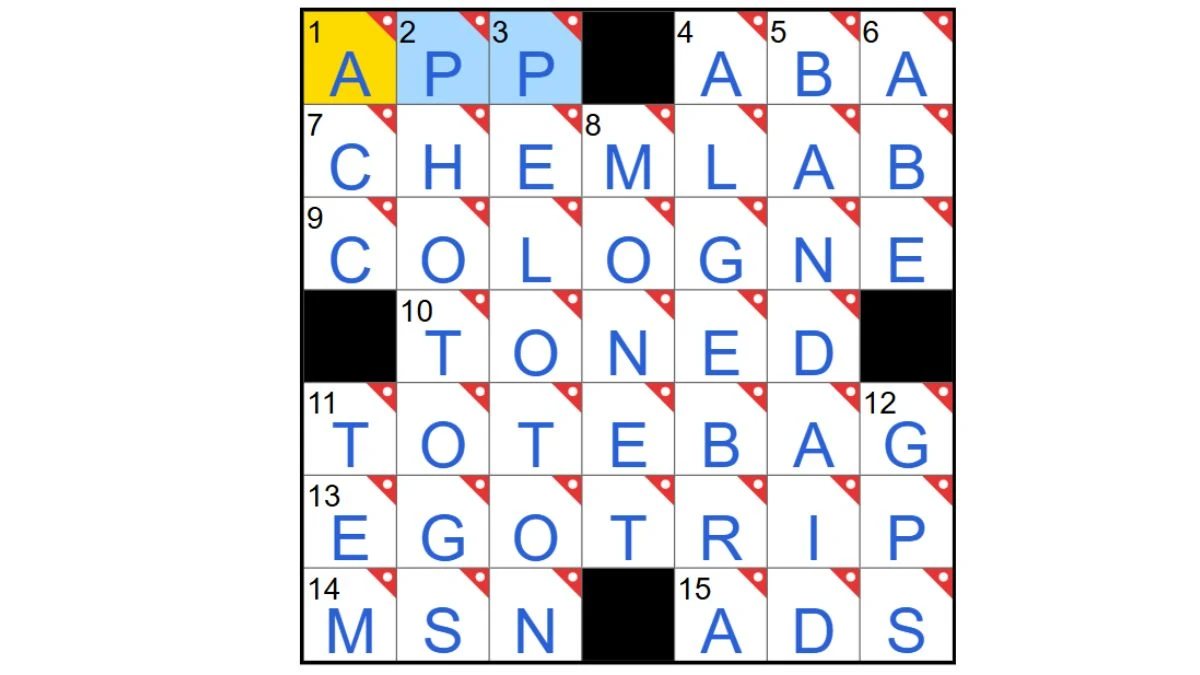
Imagine starting your day with a mental workout that feels as invigorating as a morning jog. You’re sipping your coffee, ready to tackle the day, and there’s that familiar grid of black and white squares staring back at you.
Yes, the New York Times Crossword is calling your name. You might have heard of workout routines for the body, but what about one for your mind? The “Workout Routine Nyt Crossword” is the perfect way to flex those mental muscles, keeping your brain sharp and agile.
You know the satisfaction of filling in each blank with precision, feeling the rush of solving a challenging clue. This isn’t just a puzzle; it’s a daily ritual that enhances your cognitive skills and boosts your mood. Are you ready to discover how this workout can become your new favorite routine? Dive into the full article to unlock the secrets of mastering the NYT Crossword and transforming it into a powerful tool for mental fitness.
Daily Workout Essentials
Starting a workout daily requires some key steps. These essentials protect your body and improve results. Each part of the workout plays a unique role. Understanding these helps build a safe and effective routine.
Warm-up Techniques
Warming up prepares muscles and joints for exercise. It raises body temperature and increases blood flow. Simple moves like jogging in place or arm circles work well. Aim for 5 to 10 minutes to reduce injury risk.
- Light cardio such as walking or cycling
- Dynamic stretches that move muscles gently
- Joint rotations to loosen shoulders and hips
Core Exercise Types
Core exercises strengthen the muscles around your abdomen and back. A strong core improves posture and balance. Include a mix of these types for full benefit:
- Planks to hold your body steady
- Crunches to target abdominal muscles
- Leg raises to engage lower abs
- Back extensions for spine support
Cool-down Importance
Cooling down helps your body return to normal after exercise. It lowers heart rate and relaxes muscles. Skipping cool-downs can cause stiffness or soreness. Spend 5 to 10 minutes doing slow stretches and deep breaths.
- Gentle walking to slow your pace
- Stretch major muscle groups slowly
- Focus on breathing to calm your mind
Crafting Your Routine
Crafting your workout routine is all about creating a plan that fits your goals, lifestyle, and energy levels. It’s not just about what exercises you do, but how you balance them and when you fit them into your week. Taking control of these details can make your routine more effective and enjoyable.
Balancing Cardio And Strength
Both cardio and strength training have unique benefits. Cardio improves your heart health and endurance, while strength training builds muscle and boosts metabolism. Think about your goals—if you want to run longer, more cardio might be your focus; if you want to tone your body, strength should take priority.
Try splitting your sessions or alternating days. For example, you could do cardio on Monday, Wednesday, and Friday, and strength on Tuesday and Thursday. This balance prevents burnout and keeps your progress steady.
Scheduling Workout Days
Setting specific workout days helps you stick to your routine. Look at your weekly calendar and choose times when you have the most energy and fewest distractions. Consistency beats intensity here—regular shorter sessions often work better than occasional long ones.
Remember to schedule rest days too. Your muscles need time to recover, and rest prevents injury. Do you find it easier to train in the morning or evening? Use that insight to lock in your workout schedule.
Adjusting Intensity Levels
Not every workout has to push you to your limit. Varying intensity keeps your body challenged without causing burnout. You might start with moderate effort and gradually increase as you build strength and stamina.
Use tools like heart rate monitors or simply listen to how you feel during workouts. If a session feels too easy, add more reps or speed. Too hard? Scale back and focus on form. How do you know when it’s time to push harder?
Nutrition For Fitness
Nutrition plays a vital role in fitness. It fuels your workouts and aids recovery. Eating the right foods helps improve strength and endurance. Proper nutrition supports muscle growth and repair. It also boosts energy levels and overall health. Understanding what to eat before and after exercise is key. Staying hydrated keeps the body working well during workouts.
Pre-workout Meals
Eat a balanced meal 1 to 2 hours before exercise. Focus on carbohydrates for quick energy. Include some protein for muscle support. Avoid heavy or greasy foods that slow digestion. Good options include:
- Bananas or other fruits
- Oatmeal with nuts
- Whole grain toast with peanut butter
- Greek yogurt with berries
These foods provide lasting energy without discomfort. They help keep blood sugar steady during workouts.
Post-workout Recovery Foods
Eat soon after exercise to help muscles recover. Combine protein and carbohydrates for best results. Protein repairs muscle tissue. Carbohydrates restore energy stores. Examples of post-workout foods:
- Grilled chicken with brown rice
- Eggs and whole grain bread
- Protein shake with fruit
- Cottage cheese with pineapple
These meals support muscle growth and reduce soreness. They prepare the body for the next workout session.
Hydration Tips
Drink water before, during, and after exercise. Staying hydrated helps maintain strength and focus. Avoid sugary or caffeinated drinks that cause dehydration. Track your water intake with these simple tips:
- Drink at least 8 cups of water daily
- Drink 1-2 cups 30 minutes before exercise
- Take small sips every 15 minutes during workouts
- Rehydrate with water or electrolyte drinks after exercise
Proper hydration improves performance and speeds recovery.

Credit: www.nytimes.com
Staying Motivated
Staying motivated during your workout routine can be challenging, especially when progress feels slow or life gets busy. The key is to keep your focus sharp and your mindset positive. Motivation isn’t just about willpower; it’s about creating habits that support your goals and keep you moving forward.
Setting Achievable Goals
Start by setting goals that are realistic and clear. Instead of aiming to “get fit,” try something like “complete 20 push-ups without stopping” or “run 1 mile in under 10 minutes.”
These specific targets give you something concrete to work toward. You’ll feel a real sense of accomplishment each time you hit a milestone, which fuels your motivation to keep going.
Tracking Progress
Tracking your progress shows you how far you’ve come and highlights areas for improvement. Use a journal, app, or simple checklist to record your workouts and results.
Seeing consistent progress, no matter how small, can boost your confidence. Have you ever noticed how checking off a completed workout can brighten your whole day?
Overcoming Plateaus
Plateaus can feel frustrating, but they’re a normal part of any workout journey. When progress stalls, try changing your routine by adding new exercises or increasing intensity.
Sometimes, a short break or focusing on rest and recovery helps your body reset. What new challenge can you add this week to push past your current limits?
Common Mistakes To Avoid
Knowing the common mistakes to avoid can save you from frustration and injury during your workout routine. These errors often slow progress and can even cause setbacks. Let’s look at some key pitfalls that might be holding you back.
Skipping Warm-ups
Skipping warm-ups might seem like a time saver, but it actually increases the risk of injury. Warming up prepares your muscles and joints for the workout ahead, improving performance and reducing soreness.
Try spending at least 5-10 minutes on light cardio or dynamic stretches before jumping into intense exercises. Have you ever noticed how your body feels stiff or tight when you start without warming up? That’s your signal to slow down and prepare first.
Ignoring Rest Days
Rest days are essential for muscle recovery and growth. Without proper rest, your body can become fatigued and your progress stalls.
Plan at least one or two rest days each week. Use this time to stretch, hydrate, and get good sleep. Ask yourself—are you feeling more tired than energized after workouts? That might be a sign you need more rest.
Poor Form And Injuries
Using poor form during exercises not only reduces effectiveness but also risks injury. It’s better to perform fewer reps with correct form than to push too hard and hurt yourself.
Focus on mastering the basics and consider recording yourself or working with a trainer to check your technique. Have you ever felt sharp pain or discomfort while working out? That’s a red flag to stop and reassess your form.
Credit: www.freejobalert.com
Incorporating Crosswords And Mental Fitness
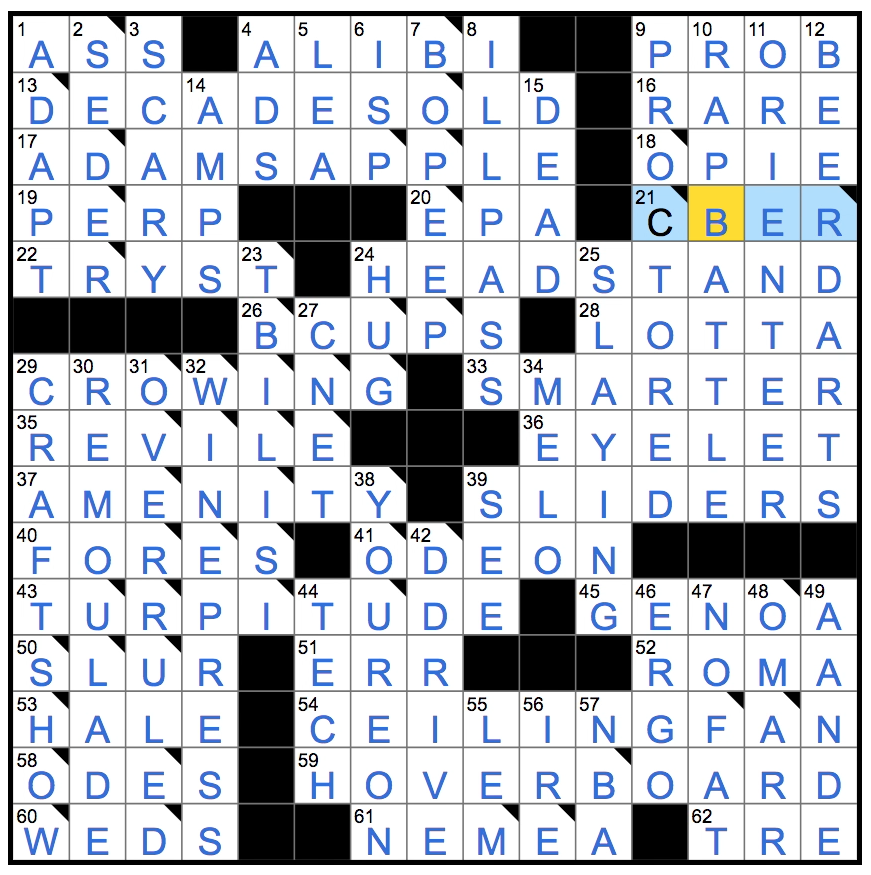
Incorporating crosswords into your workout routine sharpens both body and mind. Mental fitness is as important as physical health. Crosswords challenge your brain, improving memory and problem-solving skills. They offer a break from physical exercise while keeping your mind active and engaged.
Benefits Of Brain Exercises
Brain exercises help improve memory and attention. They reduce stress and boost creativity. Regular mental workouts can delay cognitive decline. Crosswords stimulate different brain areas, enhancing word recall and logic. They keep your mind flexible and alert every day.
Integrating Crosswords Into Routine
Add crossword puzzles before or after physical workouts. Use short sessions to avoid fatigue. Keep a puzzle book or app handy. Make it part of your daily habit. Small, consistent practice helps build strong mental fitness.
Enhancing Focus And Discipline
Crosswords improve concentration and patience. They train you to stay focused on tasks longer. Completing puzzles requires discipline and persistence. These skills transfer to your workout routine and daily life. Mental focus boosts overall performance and motivation.
Credit: medium.com
Frequently Asked Questions
What Is The Workout Routine Nyt Crossword?
The Workout Routine Nyt Crossword is a popular puzzle found in The New York Times. It features clues related to fitness and exercise routines. It challenges players to think about workout terms and concepts while enjoying a mental workout. This crossword appeals to fitness enthusiasts and puzzle lovers alike.
How To Solve The Workout Routine Nyt Crossword Efficiently?
Focus on common workout terms and abbreviations. Use knowledge of exercise routines and equipment. Start with easy clues to build momentum. Cross-check intersecting answers for accuracy. Practice regularly to improve speed and confidence. Online tools and dictionaries can assist with tricky fitness-related words.
Why Is The Workout Routine Nyt Crossword Popular?
It combines fitness knowledge with mental challenge. It engages both body and mind enthusiasts. The crossword offers educational value on workout terminology. It motivates people to learn more about fitness. Its difficulty level is balanced for broad appeal. Many enjoy the unique theme and variety.
Where Can I Find The Workout Routine Nyt Crossword?
You can find it in The New York Times daily crossword section. It’s also available on the NYT Crossword app. Some fitness blogs and puzzle websites share similar themed crosswords. Subscribing to NYT Crossword gives access to archives. Check online puzzle forums for community-shared versions.
Conclusion
A good workout routine helps keep your body strong and healthy. Try to exercise a little every day. Choose activities you enjoy to stay motivated. Remember, small steps lead to big results over time. Stay consistent and listen to your body’s needs.
Balance workouts with rest for better progress. Keep challenging yourself, but avoid pushing too hard. A steady routine makes fitness easier and more fun. Stay patient and enjoy the process of getting fitter each day.







