
Are you ready to transform your body and boost your confidence? Imagine fitting into those jeans you’ve always loved or feeling energetic throughout the day.
A well-designed workout routine for women’s weight loss can help you achieve these dreams. This guide isn’t just about shedding pounds; it’s about empowering you with the right tools and knowledge. You’ll discover simple yet effective exercises tailored to your needs, ensuring you stay motivated and committed.
So, are you curious to find out how you can make your fitness goals a reality? Dive into this article and unlock the secrets to a healthier, happier you.
Benefits Of Weight Loss Workouts
Weight loss workouts offer more than just shedding pounds—they transform your entire body and mind. By committing to a routine, you not only see changes on the scale but also gain energy, confidence, and better overall health. Understanding the key benefits can motivate you to stay consistent and make your workouts a regular part of your lifestyle.
Boosting Metabolism
Weight loss workouts help speed up your metabolism, which means your body burns calories more efficiently even when you’re resting. Think about how after a good workout you feel warmer or sweat more—that’s your metabolism kicking into gear. This boost can make a big difference in how quickly you lose weight and keep it off.
Have you noticed how some days you seem to burn more calories with the same activity? That’s your metabolism adapting and improving through consistent exercise.
Enhancing Muscle Tone
Building muscle through weight loss workouts shapes your body and gives you a firmer, more toned appearance. Muscle burns more calories than fat, so increasing your muscle mass helps you lose weight faster. Plus, toned muscles improve your posture and reduce the risk of injuries during daily activities.
Picture feeling stronger and more confident in your favorite outfit—that’s the power of enhanced muscle tone. What small changes can you add to your workouts to challenge your muscles more?
Improving Heart Health
Regular weight loss workouts strengthen your heart, improving circulation and lowering blood pressure. A healthy heart supports all your body’s functions and gives you more stamina throughout the day. Even short bursts of exercise can make a noticeable difference in your heart’s strength over time.
Have you felt your breathing improve or your energy last longer after starting a workout routine? Those are signs your heart is getting healthier with each session.

Credit: heydaisyday.com
Key Components Of A Weight Loss Routine
Building an effective weight loss routine means focusing on several key components that work together to help you shed pounds and keep them off. You can’t rely on just one type of exercise or approach. Combining cardio, strength training, and flexibility exercises creates a balanced plan that improves your overall fitness and supports lasting results.
Cardio Exercises
Cardio workouts burn calories quickly and boost your heart health. Activities like brisk walking, cycling, or dancing raise your heart rate and help you create the calorie deficit needed for weight loss.
Try mixing steady-state cardio with high-intensity intervals. For example, alternate between jogging and sprinting for 20 minutes. This keeps your workouts exciting and challenges your body in new ways.
Strength Training
Strength training builds muscle, which increases your resting metabolism. More muscle means you burn more calories even when you’re not exercising. Using weights, resistance bands, or bodyweight exercises like squats and push-ups can help you get stronger.
Don’t worry about getting bulky—women generally build lean muscle that tones the body. Focus on consistent, full-body workouts two to three times a week to see the best results.
Flexibility And Mobility
Flexibility and mobility exercises improve your range of motion and reduce injury risk. Stretching, yoga, or Pilates can keep your muscles loose and your joints healthy.
Adding these exercises into your routine aids recovery and helps you move better during cardio and strength sessions. How often do you take a moment to stretch and listen to your body’s needs?
Effective Cardio Workouts For Women
Cardio workouts play a key role in women’s weight loss routines. They help burn calories fast and improve heart health. Choosing the right type of cardio can boost fat loss and keep motivation high. This section covers effective cardio workouts tailored for women at different fitness levels.
High-intensity Interval Training
High-Intensity Interval Training (HIIT) alternates short bursts of intense activity with rest. This method burns a lot of calories quickly and raises metabolism. Exercises like sprinting, jumping jacks, or cycling can be used. HIIT sessions often last 20-30 minutes, making them time-efficient.
- Push yourself hard for 30 seconds
- Rest or move slowly for 1 minute
- Repeat for 15-20 minutes
HIIT improves endurance and promotes faster fat loss. It suits women who prefer quick, challenging workouts.
Steady-state Cardio
Steady-state cardio means maintaining a consistent pace for a longer time. Activities include jogging, swimming, or brisk walking. This type of cardio burns fat by using oxygen to fuel muscles over time. Sessions usually last 30 to 60 minutes.
- Choose a moderate pace you can keep steady
- Stay active for at least 30 minutes
- Repeat 3-5 times a week
Steady-state cardio builds endurance and burns calories steadily. It works well for beginners and those who enjoy rhythmic exercise.
Low-impact Options
Low-impact cardio protects joints while still burning calories. Ideal for women with joint pain or beginners. Options include walking, cycling, and water aerobics. These exercises reduce strain but keep the heart rate up.
- Walk at a brisk pace for 30-45 minutes
- Cycle at a gentle to moderate speed
- Join water aerobics classes for full-body movement
Low-impact cardio supports weight loss safely and gently. It suits all fitness levels and helps maintain consistency.
Strength Training Tips
Strength training plays a key role in women’s weight loss routines. It builds muscle, which boosts metabolism and burns more calories. Strength training also tones the body and improves overall fitness. Starting with the right approach helps create lasting results and avoids injury.
Choosing The Right Weights
Select weights that challenge your muscles but still allow good form. Start with lighter weights to learn the exercises. Gradually increase the weight as you get stronger. Use dumbbells, kettlebells, or resistance machines based on your comfort. The goal is muscle fatigue after 8 to 12 repetitions.
Compound Movements
Focus on compound exercises that work multiple muscle groups. Examples include squats, deadlifts, and push-ups. These movements burn more calories and build strength faster. Compound exercises improve coordination and balance too. Incorporate them into every workout for best results.
Frequency And Recovery
Train strength 2 to 3 times per week for effective weight loss. Allow at least one day of rest between sessions. Rest helps muscles repair and grow stronger. Avoid training the same muscle groups on consecutive days. Proper recovery reduces soreness and lowers injury risk.
Incorporating Flexibility Exercises
Incorporating flexibility exercises into a weight loss workout routine helps improve muscle function and reduces injury risk. Stretching keeps the body agile and supports better movement during cardio and strength training. Flexibility exercises also promote relaxation and reduce muscle tightness after intense workouts.
These exercises are gentle yet effective for enhancing overall fitness and weight loss results. Women can benefit from specific stretches and poses that target key muscle groups. Regular practice increases range of motion and helps maintain a balanced, strong body.
Yoga Poses For Weight Loss
Yoga is excellent for building flexibility and burning calories. Certain poses stimulate metabolism and tone muscles. Some effective yoga poses for weight loss include:
- Downward Dog – stretches the back and legs
- Warrior II – strengthens legs and improves balance
- Boat Pose – engages the core and burns belly fat
- Bridge Pose – tones glutes and hips
- Plank Pose – builds full-body strength
Practicing these poses regularly aids fat loss and improves flexibility. Yoga also calms the mind, reducing stress that can cause overeating.
Dynamic Stretching Routines
Dynamic stretches involve moving parts of the body through full range motions. These stretches prepare muscles for exercise and increase blood flow. Examples of dynamic stretches include:
- Leg swings – front to back and side to side
- Arm circles – small to large rotations
- Walking lunges – stretch hips and thighs
- Torso twists – loosen the spine
- High knees – warm up the legs
Incorporate dynamic stretches before workouts to boost performance. They improve flexibility and reduce muscle stiffness during exercise.
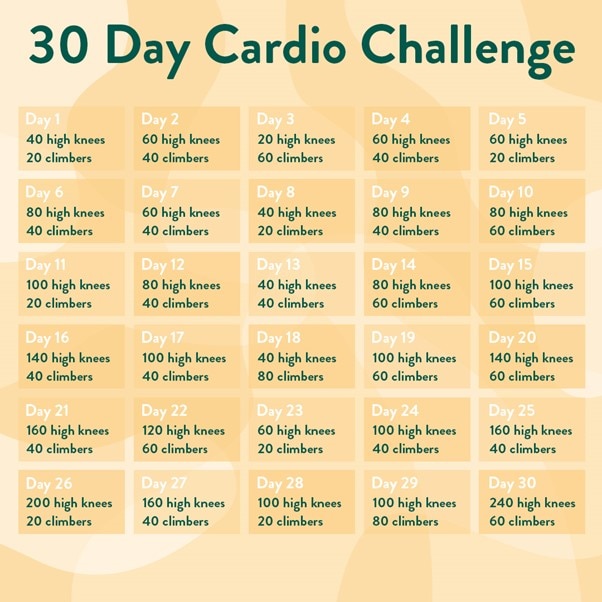
Credit: www.hollandandbarrett.com
Creating A Weekly Workout Schedule
Creating a weekly workout schedule helps maintain consistency and balance. It guides your efforts and keeps motivation high. Planning workouts in advance ensures all fitness goals receive attention.
Each week should include a mix of exercises. This approach supports weight loss and overall health. Scheduling rest days prevents burnout and injury. Adjusting workout intensity matches your energy and progress.
Balancing Different Exercise Types
Include cardio, strength training, and flexibility exercises. Cardio burns calories and boosts heart health. Strength training builds muscle and improves metabolism. Flexibility exercises reduce injury risks and increase mobility.
Try to rotate these types across the week. For example:
- Monday: Cardio (running, cycling)
- Wednesday: Strength training (weights, resistance bands)
- Friday: Flexibility (yoga, stretching)
This balance keeps workouts fresh and effective.
Rest Days Importance
Rest days allow muscles to recover and grow. They reduce the risk of injury and fatigue. Without rest, progress may stall or reverse. Plan at least one or two rest days each week.
Use rest days for light activities like walking. Avoid intense workouts on these days. Listen to your body and take extra rest if needed.
Adjusting Intensity Levels
Vary workout intensity based on your fitness and energy. Start with moderate intensity if you are new. Increase intensity gradually to avoid injury and burnout.
High-intensity workouts burn more calories quickly. Low-intensity sessions help with recovery and endurance. Mix both types throughout the week for best results.
Nutrition Tips To Support Workouts
Good nutrition supports weight loss and workout performance. Eating the right foods helps fuel your body and speeds recovery. It also keeps energy levels steady and builds muscle efficiently.
Choosing what to eat before and after exercise affects results. Proper hydration is equally important. These nutrition tips help women get the most from their workouts.
Pre-workout Meals
Eat a balanced meal 1 to 2 hours before exercise. Focus on foods with:
- Complex carbohydrates like oatmeal, whole grain bread, or brown rice
- Lean protein such as chicken, yogurt, or eggs
- Small amounts of healthy fats like avocado or nuts
This combination provides steady energy and prevents hunger during workouts. Avoid heavy or greasy foods that can cause discomfort.
Post-workout Recovery Foods
After exercise, your body needs nutrients to recover and build muscle. Aim to eat within 30 to 60 minutes. Include:
- Protein sources like grilled chicken, cottage cheese, or protein shakes
- Carbohydrates such as sweet potatoes, fruits, or quinoa
- Fluids to rehydrate
Protein repairs muscles and carbs replenish energy stores. Avoid sugary snacks that offer little nutritional benefit.
Hydration Strategies
Drink water before, during, and after workouts. Proper hydration helps maintain energy and supports muscle function. Tips include:
- Drink 16 to 20 ounces of water 2 hours before exercise
- Take small sips every 15 to 20 minutes during workouts
- Replenish fluids with 20 to 24 ounces after finishing
For intense or long sessions, consider drinks with electrolytes. Avoid sugary or caffeinated beverages that can cause dehydration.

Credit: apps.apple.com
Tracking Progress And Staying Motivated
Tracking your progress is key to staying motivated during your weight loss journey. Without keeping an eye on how far you’ve come, it’s easy to lose focus or feel discouraged. Small wins add up, and celebrating them keeps your drive alive.
Understanding what works and what doesn’t helps you adjust your workout routine for better results. Are you challenging yourself enough? Are you consistent? These questions become easier to answer when you track your progress regularly.
Using Fitness Apps
Fitness apps make tracking simple and convenient. You can log workouts, monitor calories burned, and even track your food intake all in one place.
Many apps offer visual progress charts, which give you clear feedback on your improvements. Seeing numbers change, like weight loss or increased reps, can boost your confidence.
- Try apps like MyFitnessPal or Fitbit to track daily activity.
- Use workout timer features to keep your sessions structured.
- Set reminders so you never miss a workout day.
How often do you check your stats? Consistent monitoring helps you catch plateaus early and keep pushing forward.
Setting Realistic Goals
Goals should be clear and achievable, not overwhelming. Instead of aiming to lose 20 pounds quickly, focus on losing 1-2 pounds per week.
Break your main goal into smaller milestones. Celebrate when you reach each milestone to stay encouraged.
- Set goals like “complete 3 workouts per week” instead of vague ones.
- Track improvements in strength, endurance, or energy, not just weight.
- Adjust goals as you progress—flexibility keeps motivation steady.
What’s a small, specific goal you can set for this week? Starting small makes big changes more manageable.
Finding Workout Partners
Having someone to exercise with can make workouts enjoyable and keep you accountable. A workout partner pushes you to show up even when motivation dips.
Partners can share tips, celebrate achievements, and turn exercise into a social activity. This makes sticking to your routine less of a chore.
- Invite a friend or join a local fitness group.
- Try partner workouts to add variety and challenge.
- Use video calls for virtual workout sessions if meeting in person isn’t possible.
Who could you ask to join your next workout? Sharing the journey often makes it easier to stay on track.
Frequently Asked Questions
What Is The Best Workout Routine For Women’s Weight Loss?
A mix of cardio, strength training, and flexibility exercises works best. Aim for 30-45 minutes, 4-5 times a week for effective weight loss.
How Often Should Women Exercise To Lose Weight?
Women should exercise at least 4-5 days weekly. Consistency with varied workouts boosts metabolism and aids fat loss efficiently.
Can Strength Training Help Women Lose Weight?
Yes, strength training builds muscle, which increases metabolism. More muscle means more calories burned, even at rest, aiding weight loss.
What Role Does Cardio Play In Women’s Weight Loss?
Cardio burns calories and improves heart health. Combining cardio with strength training maximizes fat loss and overall fitness results.
Conclusion
Sticking to a regular workout helps women lose weight effectively. Choose exercises that fit your schedule and feel good. Small steps add up to big results over time. Stay patient and keep your routine consistent. Celebrate progress, no matter how small it seems.
Remember, healthy habits lead to lasting changes. Your body will thank you for the effort. Keep moving forward, one day at a time.







