
Are you looking to elevate your game on the basketball court? Imagine confidently making that jump shot, effortlessly outpacing your opponents, and having the endurance to keep pushing through every quarter.
It all starts with the right workout routine tailored specifically for basketball players like you. But here’s the catch – not all workouts are created equal. Some might leave you exhausted with little improvement, while others can transform your performance and keep you injury-free.
Curious to discover what makes the difference? Dive in as we unravel the secrets of crafting a workout plan that not only enhances your skills but also keeps you at the top of your game. Your future self – the one who dominates on the court – will thank you.
Credit: blog.overtimeathletes.com
Key Physical Traits For Basketball
Basketball demands a unique set of physical traits. Players must combine several abilities to perform well on the court. These traits help with shooting, defending, and quick movements. Training should focus on developing these key areas to improve overall performance.
Strength And Power
Strong muscles help players jump higher and resist opponents. Power allows quick bursts of movement, like sprinting or sudden stops. Building strength improves shooting and rebounding skills. Exercises like weightlifting and plyometrics boost these traits.
Speed And Agility
Speed is essential for fast breaks and chasing the ball. Agility helps change direction quickly without losing balance. Drills like ladder runs and cone drills enhance footwork and reaction time. These skills help players stay ahead of defenders.
Endurance And Stamina
Basketball games require constant movement for long periods. Good endurance keeps players active and focused throughout the game. Cardiovascular exercises like running and cycling build stamina. This prevents fatigue and maintains high energy levels.
Flexibility And Mobility
Flexible joints and muscles reduce injury risk and improve movement. Mobility allows players to reach and stretch during plays. Stretching routines and yoga enhance flexibility. This helps players move smoothly and recover faster.
Warm-up Exercises
Warm-up exercises prepare the body for the intense movements in basketball. They help increase blood flow to muscles and reduce injury risk. A good warm-up also improves flexibility and mental focus. This section covers key warm-up exercises every basketball player should include.
Dynamic Stretching
Dynamic stretching involves moving parts of your body through a full range of motion. It warms muscles and joints without holding a stretch. Examples include leg swings, arm circles, and walking lunges. These stretches improve mobility and mimic basketball movements.
Activation Drills
Activation drills target specific muscles used in basketball. They wake up the glutes, core, and calves for better performance. Try exercises like glute bridges, planks, and calf raises. Activation drills enhance muscle readiness and stability on the court.
Light Cardio
Light cardio raises your heart rate and body temperature gently. Jogging, skipping, or jumping rope works well. Aim for 5 to 10 minutes to boost endurance and prepare your lungs. This step ensures you start the workout energized and alert.
Strength Training
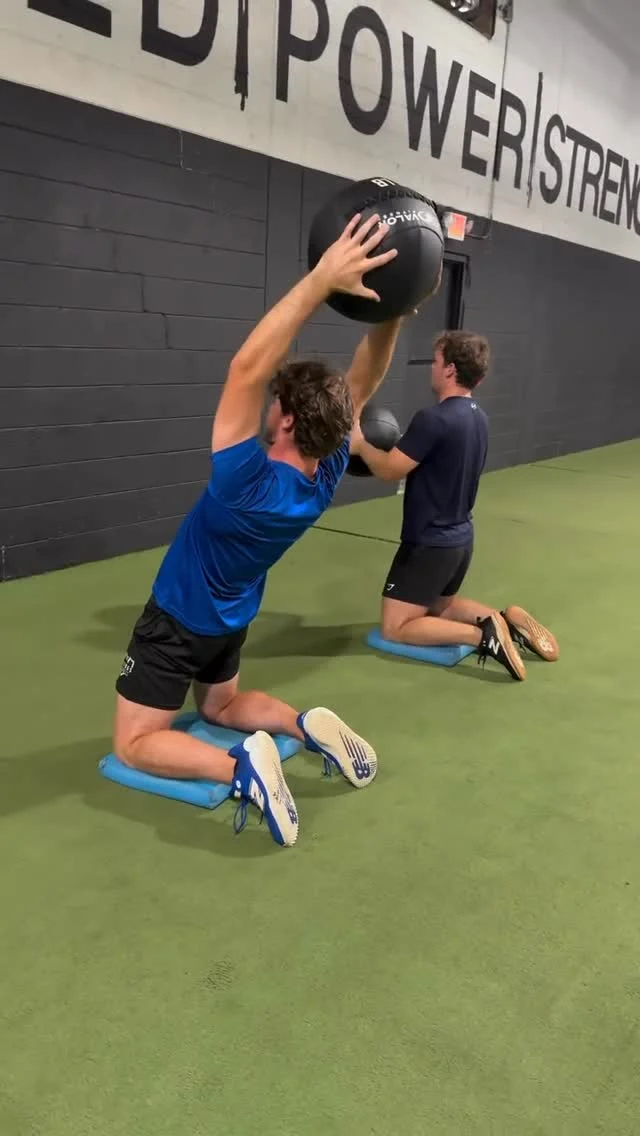
Strength training is essential for basketball players. It builds power, endurance, and injury resistance. A well-rounded routine targets key muscle groups. This helps improve speed, jumping, and overall performance.
Lower Body Focus
Strong legs support quick movements and high jumps. Squats, lunges, and deadlifts develop quadriceps, hamstrings, and calves. Plyometric exercises like box jumps improve explosive power. Consistent lower body training enhances balance and stability on the court.
Upper Body Development
Upper body strength aids in shooting, passing, and defense. Push-ups, bench presses, and rows build chest, shoulders, and back muscles. Strengthening arms and wrists improves ball control and shooting accuracy. Regular upper body workouts boost overall physical presence.
Core Stability
A strong core supports balance and body control. Planks, Russian twists, and leg raises engage abdominal and lower back muscles. Core stability reduces injury risk during sudden moves. It also enhances coordination for better court agility and strength.
Credit: payhip.com
Speed And Agility Drills
Speed and agility are key skills for basketball players. Fast moves and quick changes in direction help you beat opponents. Drills that improve these skills boost your overall performance on the court.
These drills focus on short bursts of speed and sharp footwork. Regular practice increases your reaction time and balance. It also builds muscle memory for quick, smooth moves.
Sprint Intervals
Sprint intervals train your explosive speed. Run at full speed for a short distance, then rest briefly. Repeat this cycle to build stamina and fast-twitch muscle fibers.
- Run 20 to 40 meters at maximum effort
- Rest for 30 to 60 seconds between sprints
- Complete 6 to 10 sets per session
This drill improves your ability to sprint during fast breaks and defensive plays.
Ladder Drills
Ladder drills enhance foot speed and coordination. Use an agility ladder placed on the ground. Move your feet quickly through each rung with controlled steps.
- Try one-foot hops, two-foot hops, and lateral steps
- Focus on light, quick foot contacts
- Perform drills for 15 to 20 seconds each
These drills sharpen your ability to change direction and maintain balance.
Cone Drills
Cone drills build agility and quickness. Set up cones in different patterns, such as zig-zag or T-shapes. Run around the cones with fast, precise movements.
- Practice cutting sharply at each cone
- Keep your knees bent and body low
- Repeat drills for 3 to 5 minutes
This training helps you maneuver past defenders and stay quick on defense.
Endurance Training
Endurance training is vital for basketball players. It helps sustain energy through long games and intense practices. Building stamina allows players to perform better during fast breaks and defensive plays. Consistent endurance workouts improve heart health and muscle recovery. A strong endurance base reduces fatigue and boosts overall performance on the court.
High-intensity Interval Training
High-Intensity Interval Training (HIIT) mixes short bursts of intense effort with brief recovery periods. This style mimics the stop-and-go nature of basketball. Sprinters run full speed for 20-30 seconds followed by walking or jogging for 30-60 seconds. Repeat these cycles for 15-20 minutes. HIIT improves both aerobic and anaerobic endurance. It also increases speed and agility essential for basketball.
Steady-state Cardio
Steady-state cardio involves maintaining a consistent pace over a longer time. Activities like jogging, cycling, or swimming for 30-45 minutes are common. This training builds a strong aerobic base. It helps players recover faster between plays. Regular steady-state cardio sessions improve lung capacity and overall stamina. Keeping a steady rhythm trains the body to use oxygen efficiently during games.
Basketball-specific Conditioning
Basketball-specific conditioning targets movements used in the sport. Drills include shuttle runs, defensive slides, and jump rope exercises. These workouts improve endurance in muscles used most during play. Combining conditioning with ball handling and shooting drills sharpens skills and stamina. Conditioning also lowers injury risks by strengthening muscles and joints. Practice these drills 3-4 times a week for best results.

Credit: www.youtube.com
Flexibility And Recovery
Flexibility and recovery are key parts of a basketball player’s workout routine. They help keep muscles loose and reduce injury risk. Proper recovery lets players train harder and perform better. Stretching, foam rolling, rest, and sleep all support these goals.
Static Stretching
Static stretching means holding a stretch for 20 to 30 seconds. It improves muscle flexibility and joint range of motion. Focus on major muscles like calves, hamstrings, and hips. Stretch after workouts to help muscles relax and recover. Avoid bouncing or quick movements to prevent injury.
Foam Rolling
Foam rolling releases tight muscles and improves blood flow. Use a foam roller on sore areas like thighs, back, and calves. Roll slowly over each muscle for 1 to 2 minutes. This helps break up muscle knots and speeds up recovery. Foam rolling before workouts can also prepare muscles for exercise.
Rest And Sleep
Rest days are vital for muscle repair and growth. Avoid intense training every day to prevent burnout. Sleep is the best form of recovery. Aim for 7 to 9 hours each night to support energy and focus. Good sleep helps heal muscles and improves reaction time on the court.
Sample Weekly Workout Plan
A well-structured workout plan can make a huge difference in your basketball game. It helps you build strength, improve agility, and maintain endurance throughout the season. Below is a sample weekly workout plan tailored specifically for basketball players aiming to enhance their performance on the court.
Day-by-day Breakdown
| Day | Workout Focus | Key Exercises |
|---|---|---|
| Monday | Strength Training (Lower Body) |
|
| Tuesday | Speed and Agility |
|
| Wednesday | Upper Body Strength |
|
| Thursday | Basketball Skills & Conditioning |
|
| Friday | Core and Stability |
|
| Saturday | Active Recovery |
|
| Sunday | Rest Day | Complete rest or gentle yoga |
I used to skip rest days thinking I could push harder every single day. That mindset drained my energy and led to injuries. Have you ever felt like you hit a wall during training? That’s often your body telling you it needs a break.
Balancing Workouts And Rest
Rest is not a sign of weakness—it’s a crucial part of your progress. Muscles grow and recover when you rest, not while you train. Without proper balance, your performance can plateau or even decline.
Listen to your body’s signals. If you feel unusually tired or sore, consider swapping a workout day for active recovery. Stretching, light cardio, or yoga can keep your body moving without overloading it.
Think about your long-term goals. Would you rather risk burnout or improve steadily? Effective basketball training is about smart effort, not just hard effort.
Nutrition Tips For Performance
Nutrition plays a crucial role in how you perform on the basketball court. The right fuel can boost your energy, improve focus, and speed up recovery. Let’s break down what you should eat and drink before, during, and after your workouts to get the most out of your training sessions.
Pre-workout Meals
Your body needs energy to power through intense basketball drills and games. Aim to eat a balanced meal 1.5 to 2 hours before your workout.
- Carbohydrates:Choose complex carbs like whole-grain bread, oatmeal, or brown rice to provide steady energy.
- Protein:Add lean protein such as chicken, turkey, or Greek yogurt to help maintain muscle strength.
- Fats:Healthy fats from avocado, nuts, or olive oil support long-lasting energy but keep portions moderate.
Ever felt sluggish during practice? Maybe your pre-workout meal lacked the right balance. Try planning your meals ahead and note how your energy levels respond.
Post-workout Recovery
What you eat after training matters just as much. Your muscles need nutrients to repair and grow stronger.
- Protein:Aim for 20-30 grams of protein within 30 minutes post-workout to kickstart muscle recovery.
- Carbohydrates:Replenish your glycogen stores with fruits, sweet potatoes, or whole grains.
- Antioxidants:Include colorful veggies and berries to reduce inflammation and support healing.
Think about your last game. Did you eat soon after? Delaying nutrition can slow recovery and affect your next session’s performance.
Hydration Strategies
Hydration is often overlooked but it’s key for maintaining peak performance. Dehydration can cause fatigue, reduced coordination, and slower reaction times.
- Drink water regularly throughout the day, not just during workouts.
- Before exercise, sip 16-20 ounces of water about two hours prior.
- During intense training, hydrate every 15-20 minutes with small amounts.
- After practice, weigh yourself to check fluid loss and drink 20-24 ounces of water for every pound lost.
Have you noticed your energy dropping halfway through a game? It might be your hydration levels. Experiment with your fluid intake to find what keeps you sharp.
Frequently Asked Questions
What Is The Best Workout Routine For Basketball Players?
A balanced routine includes strength training, cardio, agility drills, and flexibility exercises. Focus on explosive movements and endurance to improve performance on the court.
How Often Should Basketball Players Work Out Weekly?
Aim for 4-6 sessions per week. Include skill practice, conditioning, and rest days to allow recovery and avoid injury.
Which Exercises Improve Basketball Player Agility?
Ladder drills, cone drills, and plyometric jumps enhance quick footwork and reaction time. These improve your ability to change direction fast during games.
Can Strength Training Boost Basketball Performance?
Yes, strength training builds muscle power, improves jumping ability, and reduces injury risk. Include squats, lunges, and core workouts for best results.
Conclusion
Staying consistent with your basketball workout helps improve skills and strength. Focus on exercises that boost speed, agility, and endurance. Rest and recovery are important parts of any routine. Keep challenging yourself but avoid overtraining. A balanced workout supports better performance on the court.
Practice, patience, and hard work lead to steady progress. This routine can help players stay fit and confident. Stick to it, and watch your game grow.







