
Are you ready to take your rowing performance to the next level? Whether you’re a beginner or an experienced rower, having the right workout plan can make all the difference.
Your body needs strength, endurance, and flexibility to power through every stroke with ease. This guide will show you exactly how to train smarter, avoid common mistakes, and build a routine that fits your goals. Keep reading to discover the secrets behind an effective workout plan designed just for rowers like you.
Key Strength Areas For Rowers
Building strength in specific areas is essential for rowers to boost performance and prevent injury. Your workout plan should target muscles that play a crucial role during rowing strokes. Focusing on these key strength areas will help you row more efficiently and powerfully.
Core Muscles
Your core stabilizes your body throughout the rowing motion. Strong core muscles help transfer power from your legs to your arms smoothly. Without a solid core, your movements can become inefficient and put extra strain on your lower back.
Try exercises like planks, Russian twists, and leg raises to build endurance and control in your core. Have you noticed how even small improvements in core strength can reduce fatigue during long rowing sessions?
Leg Power
Legs drive the rowing stroke, providing the initial burst of force that propels the boat forward. Squats, lunges, and leg presses develop the quadriceps, hamstrings, and glutes to give you explosive power off the catch.
Think about your last rowing workout: did your legs feel strong enough to push through the entire stroke? Adding targeted leg exercises can dramatically increase your stroke power and endurance.
Upper Body Strength
Your upper body pulls the oar through the water and maintains control over the boat’s direction. Focus on your back, shoulders, and arms with exercises like pull-ups, rows, and shoulder presses.
Building upper body strength helps maintain proper technique, especially during the finish phase of your stroke. Have you ever felt your arms tire too quickly? Strengthening these muscles can keep you strong until the very last stroke.
Endurance Training Techniques
Endurance is the backbone of any rower’s success. Building it means you can keep your strokes strong and steady from start to finish. The right techniques help you push your limits without burning out too fast.
Interval Workouts
Interval workouts mix short bursts of intense rowing with periods of rest or low activity. This trains your body to recover quickly and sustain high power. Try 30 seconds of hard rowing followed by 90 seconds of easy pace, repeated 8 to 10 times.
When I added intervals to my routine, I noticed my stamina improved faster than with steady rowing alone. It’s tough but effective. Are you ready to challenge your limits this way?
Steady-state Cardio
Steady-state cardio means rowing at a moderate pace for a longer time without breaks. It builds your aerobic base and teaches your muscles to use oxygen efficiently. Aim for 30 to 60 minutes at about 60-70% of your max heart rate.
On days when I focus on steady-state, I feel my endurance deepening subtly but surely. It’s less intense but crucial for lasting power. Could steady, consistent effort be the secret to your endurance?
Cross-training Options
Cross-training adds variety and targets different muscles that rowing alone might miss. Consider cycling, swimming, or running to keep your cardiovascular system sharp. These activities reduce injury risk while boosting overall fitness.
- Cycling improves leg strength and endurance.
- Swimming enhances lung capacity and upper body strength.
- Running builds cardiovascular fitness and mental toughness.
Mixing in cross-training helped me avoid burnout and stay motivated. What new activity can you add to your week to keep your endurance growing?
Sample Weekly Workout Schedule
Creating a balanced weekly workout schedule is key to improving your rowing performance. This schedule blends strength, endurance, and recovery to keep your body strong and ready for the water. Think about how each day’s focus can impact your overall progress and energy levels.
Strength Days
Strength days are designed to build the muscle power you need for powerful strokes. Focus on compound movements like squats, deadlifts, and bench presses to target multiple muscle groups at once. Adding exercises such as pull-ups and core work will enhance your stability and rowing efficiency.
Try 3–4 sets of 6–8 reps with challenging weights. You might notice your strokes feel stronger and more controlled after a few weeks. How can you push your limits safely without risking injury?
Endurance Days
Endurance days help you maintain speed over long distances. These workouts often include steady-state rowing sessions of 30 to 60 minutes at a moderate pace. You can mix in interval training—rowing hard for short bursts followed by easy recovery—to boost cardiovascular fitness.
Don’t overlook cross-training activities like cycling or swimming on these days to reduce strain while building stamina. What strategies help you stay motivated during long endurance sessions?
Active Recovery
Active recovery days are essential for muscle repair and injury prevention. Light activities such as yoga, stretching, or easy rowing keep blood flowing without adding stress. These days often improve your flexibility and reduce soreness, preparing you for the next workout.
Use this time to listen to your body and adjust your intensity accordingly. Have you noticed how gentle movement can speed up recovery compared to complete rest?
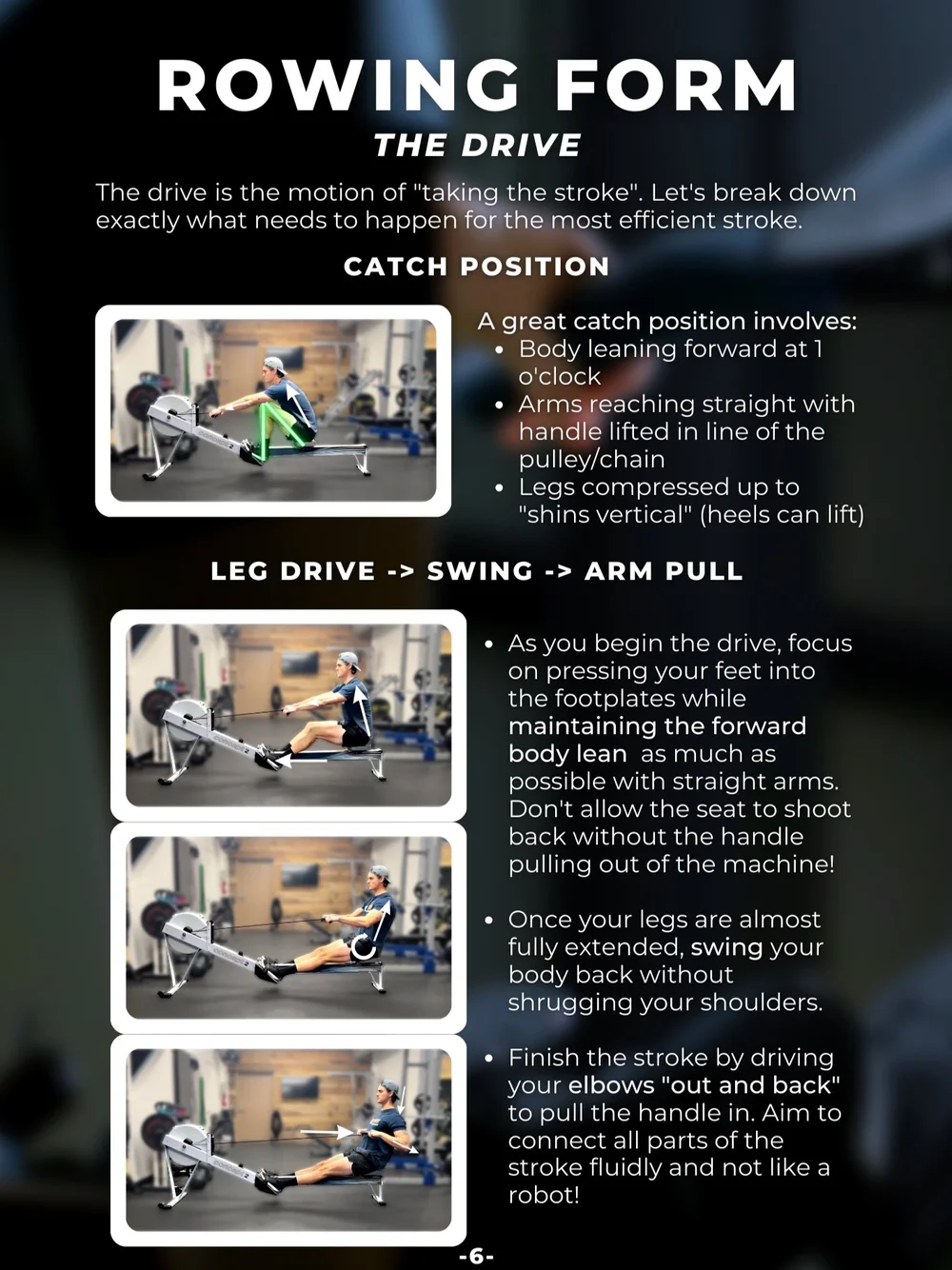
Credit: www.trainingtall.net
Nutrition Tips For Performance
Nutrition plays a crucial role in boosting your rowing performance. What you eat before, during, and after workouts directly affects your energy levels, muscle recovery, and overall endurance. Getting the timing and content of your meals right can make a noticeable difference in how you feel on the water and in training.
Pre-workout Meals
Eating the right foods before a workout gives you sustained energy without feeling heavy. Focus on meals rich in complex carbohydrates and moderate protein to fuel your muscles. Examples include oatmeal with a banana and a spoon of peanut butter or whole-grain toast with scrambled eggs.
Avoid high-fat and high-fiber foods right before training as they can cause discomfort. Timing matters too—try to eat about 1.5 to 2 hours before your session. Have you noticed how certain pre-workout snacks either boost or drag your energy? Pay attention to what works best for you.
Post-workout Recovery
After rowing, your body needs nutrients to repair muscles and replenish energy stores. Aim to eat a balanced meal within 30 to 60 minutes post-exercise. A mix of protein and carbohydrates works best to kickstart recovery.
Good options include grilled chicken with quinoa and steamed veggies or a smoothie with protein powder, berries, and spinach. Don’t skip this step—neglecting recovery nutrition can slow your progress and increase fatigue.
Hydration Strategies
Staying hydrated is vital for rowers, especially during long or intense workouts. Drink water consistently throughout the day, not just when you feel thirsty. Dehydration can reduce your strength and concentration, affecting your rowing technique.
During workouts lasting over an hour, consider electrolyte drinks to replace lost salts. Have you tracked how your hydration habits influence your performance? Small changes can lead to big improvements on race day.
Common Mistakes To Avoid
When working on your rowing workout plan, avoiding common mistakes can make a big difference in your progress and safety. Many rowers push too hard without realizing the risks or overlook key aspects like form and recovery. Identifying these pitfalls early helps you stay on track and improve efficiently.
Overtraining Signs
It’s easy to think more training equals faster gains, but overtraining can actually set you back. Watch for constant fatigue, irritability, or a drop in performance—these are clear signals your body needs a break.
If you feel sore for days or struggle to complete your usual workouts, ask yourself: Are you giving your muscles enough time to recover? Balancing intensity and rest is crucial to avoid burnout and injuries.
Poor Form
Rowing is all about technique. Sloppy form can lead to injuries and waste your effort. If your back rounds or your stroke feels uneven, it’s time to slow down and focus on posture.
Try recording your sessions or working with a coach to spot mistakes you might not notice. Small tweaks, like maintaining a straight back and a smooth catch, can significantly boost your power and reduce strain.
Ignoring Rest
Rest days are not optional; they’re part of the training plan. Skipping rest can cause your body to break down instead of build up strength. Sleep, hydration, and light stretching on off days help your muscles repair and grow.
Ask yourself if you’re really recovering or just pushing through tiredness. Proper rest improves endurance and keeps you motivated for your next session.
Credit: www.trainingtall.net
Equipment Recommendations
Choosing the right equipment is a game-changer for your rowing workout plan. It not only boosts your performance but also keeps your routine interesting and effective. Let’s look at some essential gear that can make a real difference in your training.
Rowing Machines
A quality rowing machine is your best friend when you can’t hit the water. Look for models that offer smooth resistance and adjustable settings to match your fitness level. Brands like Concept2 and WaterRower are popular because they mimic real rowing motions well.
Think about the space you have—some machines fold up for easy storage. Also, check if the monitor tracks key stats like stroke rate and calories burned. These details help you push harder and see your progress clearly.
Strength Training Tools
Rowing demands strong legs, core, and upper body. Adding strength tools like dumbbells, resistance bands, or kettlebells can target these areas effectively. You don’t need a full gym; just a few versatile pieces can boost your power and endurance.
Try exercises like squats, deadlifts, and rows with free weights to build muscle that translates directly to your stroke. Resistance bands are great for warm-ups and injury prevention too. What’s your go-to tool for building strength off the boat?
Tracking Progress
Tracking your workouts keeps you honest and motivated. Apps like Strava or dedicated rowing software can log your sessions, helping you spot patterns and improvements. Some rowing machines even sync with these apps automatically.
Wearable tech like heart rate monitors gives real-time feedback on your effort and recovery. This data helps you train smarter, not just harder. Are you ready to use numbers to fine-tune your rowing?

Credit: www.craftsbury.com
Frequently Asked Questions
What Are The Key Exercises In A Rower’s Workout Plan?
A rower’s workout plan includes rowing machine sessions, strength training, and flexibility exercises. Focus is on endurance, power, and core stability. Combining cardio with weightlifting enhances rowing performance and reduces injury risk.
How Often Should Rowers Train Each Week?
Rowers typically train 5 to 6 times weekly. Sessions mix on-water rowing, ergometer workouts, and strength training. Rest days are vital for recovery and muscle repair to maintain peak performance.
What Strength Training Benefits Rowers The Most?
Strength training improves muscle power, endurance, and injury prevention. Key areas include legs, back, core, and arms. This balanced approach supports better rowing technique and overall athletic ability.
How Can Flexibility Improve Rowing Performance?
Flexibility enhances stroke length and reduces injury risk. Stretching key muscle groups like hamstrings, hips, and shoulders improves range of motion. Regular flexibility work supports smoother, more efficient rowing.
Conclusion
A well-structured workout plan helps rowers build strength and endurance. Consistency is key to achieving rowing goals. Focus on exercises that target core, legs, and upper body. Rest days are essential for muscle recovery and growth. Adjust the plan according to your fitness level and progress.
Stay hydrated and maintain a balanced diet for optimum performance. Listen to your body to prevent injuries. Training with dedication and patience leads to improvement over time. Enjoy the process and celebrate small victories. Keep pushing forward, and you’ll see results.
Remember, every stroke counts on your journey to success.







