
Are you a 60-year-old woman looking to stay fit and healthy without spending hours at the gym? You’ve come to the right place.
Imagine having a workout plan tailored specifically for your needs, right at your fingertips. This easy-to-follow workout plan, available in a convenient PDF format, is designed to help you maintain your strength, flexibility, and overall well-being. It’s time to embrace a healthier lifestyle without the hassle.
Ready to discover how this plan can transform your daily routine and boost your energy? Let’s dive into the details and unlock the secrets to staying active and vibrant at 60 and beyond.
Credit: www.etsy.com
Benefits Of Exercise After 60
Exercise after 60 offers more than just physical benefits—it transforms how you live each day. Staying active can help you maintain independence, boost your mood, and keep many health issues at bay. If you’ve been hesitant about starting, consider the powerful changes that regular movement can bring to your life.
Improved Mobility And Balance
As you age, your muscles and joints may feel stiffer, making daily tasks harder. Exercise helps keep your body flexible and strong, which improves your ability to move freely. Simple activities like walking, stretching, and balance exercises can reduce your risk of falls and injuries.
Have you noticed any changes in how easily you get up from a chair or walk up stairs? Adding gentle strength training or yoga to your routine can make those movements easier and safer.
Enhanced Mental Health
Physical activity isn’t just good for your body; it can brighten your mind too. Moving regularly releases chemicals in your brain that lift your mood and reduce feelings of anxiety or depression. Even 20 minutes of light exercise can help clear your thoughts and improve your focus.
Think about how good you feel after a short walk outside or a dance session in your living room. Wouldn’t it be great to feel that boost every day?
Chronic Disease Management
If you have conditions like diabetes, heart disease, or arthritis, exercise can be a powerful tool to manage symptoms. Staying active helps control blood sugar, lower blood pressure, and reduce joint pain. You don’t need to run marathons—consistent, moderate exercise is enough to make a difference.
What small changes can you make today to ease your symptoms and improve your health? A workout plan tailored for your age and needs can guide you safely through these steps.
Key Considerations Before Starting
Starting a workout plan at 60 is a powerful step toward maintaining your health and energy. However, certain factors demand your attention before you begin. Taking the time to consider these key points can help you create a safe and effective routine tailored to your needs.
Consulting A Healthcare Provider
Talking with your healthcare provider is essential before you start any new exercise plan. They can help identify any health issues that might affect your workout choices, such as joint problems or heart conditions.
Be honest about your medical history and current medications. Your doctor’s advice can prevent injuries and suggest exercises that fit your situation, making your fitness journey both safe and successful.
Assessing Fitness Levels
Understanding your current fitness level helps you pick the right intensity and types of exercises. You might consider simple tests like checking how long you can walk comfortably or how many chair stands you can do.
This assessment guides you to avoid pushing too hard or too fast. It’s okay to start slow; even small progress is a win that builds confidence and strength.
Setting Realistic Goals
Setting clear, achievable goals keeps you motivated and focused. Think about what you want to gain—whether it’s more energy, better balance, or just feeling good in your body.
Break your goals into small steps, like walking 10 minutes a day or doing gentle stretches three times a week. These manageable targets make your progress visible and encourage you to keep going.
Components Of A Balanced Workout
A balanced workout plan is essential for a 60-year-old woman to stay healthy and active. It supports heart health, muscle strength, and flexibility. Each component plays a unique role in improving overall fitness and well-being. Combining these exercises creates a safe and effective routine that fits her needs.
Cardiovascular Exercises
Cardiovascular exercises boost heart and lung health. These activities increase endurance and energy levels. Walking, swimming, and cycling are low-impact options. They help burn calories and improve circulation. Aim for at least 150 minutes per week of moderate cardio.
Strength Training
Strength training builds muscle and bone density. It helps maintain independence and daily function. Simple weight lifting or resistance band exercises work well. Focus on major muscle groups like legs, arms, and back. Perform strength exercises two to three times weekly.
Flexibility And Stretching
Flexibility exercises improve joint movement and reduce stiffness. Stretching lowers injury risk and eases muscle tension. Gentle yoga or simple stretches work best. Hold each stretch for 15 to 30 seconds. Stretch all major muscle groups after workouts or daily.
Balance Exercises
Balance exercises prevent falls and increase stability. They enhance coordination and body awareness. Standing on one foot or heel-to-toe walking are good examples. Practice balance moves for a few minutes daily. Balance training supports safer movement and confidence.

Credit: www.muscleandfitness.com
Sample Weekly Workout Schedule
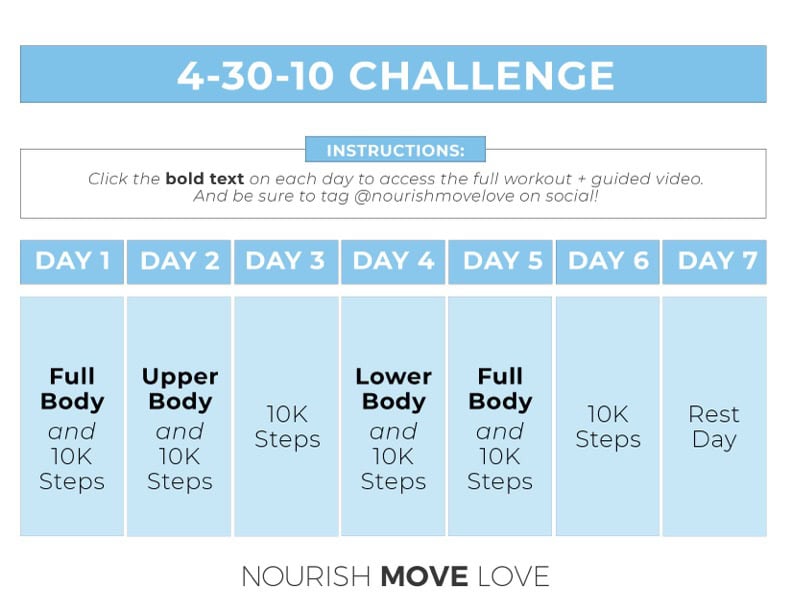
A well-structured weekly workout plan helps maintain consistency and balance. It guides a 60-year-old woman through different activities that boost strength, flexibility, and endurance. The schedule includes varied exercises to keep the routine interesting and effective.
Day-by-day Activity Plan
- Monday:Light cardio like walking or cycling for 30 minutes.
- Tuesday:Strength training with light weights or resistance bands.
- Wednesday:Gentle yoga or stretching to improve flexibility.
- Thursday:Low-impact aerobic exercises such as swimming or water aerobics.
- Friday:Balance and core exercises using simple moves.
- Saturday:Moderate walking or hiking for endurance.
- Sunday:Rest or very light stretching.
Rest And Recovery Days
Rest days are crucial for muscle repair and energy restoration. They help prevent injuries and reduce fatigue. On rest days, focus on gentle activities like walking or stretching. Listen to your body and avoid any intense workouts. Proper rest improves overall progress and keeps motivation high.
Safety Tips For Older Women
Staying safe during workouts is crucial, especially as your body changes with age. Your muscles, joints, and bones need extra care to avoid injuries and keep you moving comfortably. Paying attention to safety tips can make your fitness journey enjoyable and effective.
Proper Warm-up And Cool-down
Starting your workout with a warm-up prepares your muscles and heart for exercise. Simple activities like marching in place or gentle stretching can increase blood flow and reduce stiffness.
Cooling down is equally important. It helps your heart rate return to normal and prevents dizziness. Try slow walking and light stretches for five to ten minutes after exercising.
Listening To Your Body
Your body sends clear signals about how it feels during exercise. If you experience pain, dizziness, or excessive fatigue, stop and rest immediately.
It’s okay to adjust exercises to fit your comfort level. Maybe you need to take more breaks or reduce intensity on some days. Staying connected to your body helps you avoid overexertion and keeps workouts safe.
Avoiding Common Injuries
Older women often face injuries like strains, sprains, and joint pain. Protect yourself by using proper form and avoiding sudden, jerky movements.
Wearing supportive shoes and exercising on even surfaces can also prevent falls. If you feel persistent pain, don’t ignore it—seek advice from a healthcare professional to avoid worsening the injury.
Credit: www.nourishmovelove.com
Nutrition And Hydration
Nutrition and hydration play a crucial role in supporting your workout routine, especially as you navigate the unique needs of being a 60-year-old woman. Fueling your body with the right foods helps you stay energized during exercise and aids recovery afterward. Staying properly hydrated ensures your muscles work efficiently and reduces fatigue.
Eating For Energy And Recovery
Your body needs a balance of nutrients to power through workouts and repair muscle tissue afterward.
- Protein:Aim for lean sources like chicken, fish, beans, or Greek yogurt to help rebuild muscles.
- Complex Carbohydrates:Foods like whole grains, sweet potatoes, and vegetables provide steady energy without spikes.
- Healthy Fats:Add nuts, seeds, and olive oil to support joint health and reduce inflammation.
Have you noticed how your energy levels change with different meals? Paying attention to this can guide your food choices before and after workouts.
Hydration Guidelines
Water is key to maintaining strength and preventing cramps during exercise.
- Drink a glass of water about 30 minutes before you start exercising.
- Take small sips every 15-20 minutes while working out to stay hydrated without feeling bloated.
- After exercise, replenish fluids with water or an electrolyte-rich drink if you sweat heavily.
Notice how your body feels when you’re well-hydrated versus dehydrated? Listening to your thirst cues can prevent fatigue and improve performance.
Accessing And Using The Pdf Guide
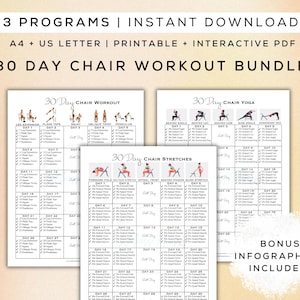
Accessing and using the PDF guide for a workout plan designed for a 60 year-old woman is simple and convenient. This guide offers clear instructions and exercises tailored to fit different fitness levels. It acts as a helpful companion on the fitness journey, making workouts easy to follow at home or in the gym.
The PDF format allows easy access on various devices like smartphones, tablets, and computers. It also lets users print the plan for quick reference during workouts. Understanding how to download and customize the plan ensures a smooth and effective fitness experience.
Downloading The Workout Plan
Find the download link on the website or email provided. Click the link and wait a few seconds for the file to save. Choose a folder on your device where you can easily find the PDF later.
Make sure your device has enough space to store the file. Open the PDF using any standard reader app. Check that all pages load correctly before starting your workout.
Customizing The Plan To Your Needs
Review the exercises and note any that feel too hard or too easy. Adjust the number of repetitions or sets to match your comfort level. Add rest days if needed to allow your body to recover.
Use a notebook or digital app to track your progress. Mark completed workouts and note any changes to your routine. Personalizing the plan helps maintain motivation and prevents injury.
Frequently Asked Questions
What Is A Good Workout Plan For 60-year-old Women?
A good workout plan includes low-impact cardio, strength training, flexibility, and balance exercises. It should be tailored to individual fitness levels and health conditions. Consistency and gradual progression are key for safety and effectiveness.
How Often Should A 60-year-old Woman Exercise Weekly?
A 60-year-old woman should aim for at least 150 minutes of moderate exercise weekly. This can be spread over 3-5 days. Including strength training 2-3 times a week is beneficial for muscle maintenance and bone health.
Can A Pdf Workout Plan Help With Fitness Goals?
Yes, a PDF workout plan offers clear, structured guidance. It helps track progress and stay motivated. It’s convenient to follow anywhere and can be customized for personal fitness needs and goals.
What Exercises Are Safest For Women Over 60?
Safe exercises include walking, swimming, yoga, resistance bands, and light weightlifting. These improve cardiovascular health, strength, and flexibility without stressing joints. Always consult a healthcare provider before starting new exercises.
Conclusion
This workout plan helps women aged 60 stay active and strong. It fits daily routines and supports health goals. You can use the PDF anytime, anywhere. Small steps build better fitness over time. Keep moving and enjoy a healthier life.
Remember, consistency matters more than speed. Start today and feel the positive changes soon.







