
Ever thought about squeezing more than one workout into your day? You’re not alone.
The idea of working out multiple times a day is catching on. It’s a trend that promises quicker results, more energy, and a sharper mind. But is it really the key to unlocking your fitness goals, or is it just another fitness fad?
Before you lace up your sneakers for another round at the gym, there are crucial things you need to know. This article will reveal the truth about doubling up on workouts. You’ll discover the potential benefits, hidden pitfalls, and expert tips to help you decide if this approach fits into your lifestyle. Prepare to challenge your routine and redefine your fitness journey. Keep reading to find out if working out multiple times a day could be your game-changer.
Benefits Of Multiple Daily Workouts
Working out multiple times a day offers many benefits for both the body and mind. Splitting exercise into shorter sessions can boost your fitness progress. It helps your body stay active and recover better throughout the day. This routine suits people with busy schedules and those wanting faster results.
Enhanced Muscle Growth
Exercising more than once daily can increase muscle growth. Shorter, focused workouts allow better muscle stimulation without overworking. Muscles get enough time to repair and grow between sessions. This approach can lead to stronger, leaner muscles over time.
Improved Metabolism
Multiple workouts raise your metabolism throughout the day. Your body burns calories even after exercise ends. Doing several sessions keeps your metabolism active for longer periods. This helps with weight management and fat loss efficiently.
Increased Energy Levels
Breaking exercise into parts boosts your energy levels. Moving more often keeps your blood flowing and mind sharp. It reduces fatigue and improves alertness. Regular activity refreshes your body, making daily tasks easier.
Types Of Workouts To Split
Splitting workouts across different sessions in a day helps target various fitness goals. It lets the body recover between exercises while maintaining energy. Choosing the right types to split can improve results and keep the routine fresh. Focus on combinations that balance effort and recovery for the best effect.
Strength Training And Cardio
Separate strength training and cardio into different sessions. Strength workouts build muscle and improve power. Cardio sessions boost heart health and endurance. Doing them at different times avoids fatigue and keeps intensity high. For example, lift weights in the morning and run or cycle later.
Morning Mobility And Evening Strength
Start the day with mobility exercises. These include stretching and light movements to increase flexibility. Mobility work wakes up the body and reduces injury risk. Save heavy strength training for the evening. This split balances gentle movement with intense effort. It helps maintain good form during strength exercises.
High-intensity Vs Low-intensity Sessions
Divide workouts by intensity levels. High-intensity sessions push your limits with short bursts of effort. Low-intensity sessions focus on steady, easier movements. This approach prevents burnout and supports recovery. For example, do a quick HIIT workout in the morning and a gentle walk or yoga later.
Scheduling Strategies
Scheduling multiple workouts throughout your day requires more than just splitting your time—it demands smart planning to keep your energy high and your progress steady. Getting the timing right can make a big difference in how effective each session feels and how well your body recovers. Let’s break down some strategies that help you stay on track without burning out.
Optimal Workout Timing
Think about when you feel most energetic during the day. Some people hit their peak performance in the morning, while others shine later in the afternoon or evening. Plan your workouts around these natural energy highs to maximize results.
For example, doing a high-intensity session in the morning when you’re fresh, then a lighter activity like yoga or stretching in the evening can keep your body moving without overloading it. You might also find that spacing workouts 4-6 hours apart gives your muscles enough time to partially recover.
Balancing Intensity And Recovery
Not every workout needs to push you to the limit. Alternating between intense and moderate sessions prevents fatigue from piling up. If you go all out twice a day, you risk injury and burnout.
Try pairing a strength training session with a low-impact cardio or mobility workout. This way, you’re challenging different muscle groups and energy systems without overtaxing any single part of your body. How do you currently manage your workout intensity throughout the day?
Incorporating Rest Days
Rest days aren’t just breaks—they’re essential for muscle repair and overall performance. Even with multiple workouts daily, scheduling full rest days or active recovery days can boost your gains.
On rest days, focus on light activities like walking or gentle stretching. This keeps you moving without adding stress. Have you noticed how your body responds when you skip rest days versus when you honor them?

Credit: www.goodrx.com
Nutrition For Twice-a-day Training
Nutrition plays a key role in twice-a-day training. Eating right helps keep energy high and muscles strong. You need to fuel your body before workouts and aid recovery after. Proper hydration supports all your efforts too. This section covers how to eat and drink smart for two workouts daily.
Pre-workout Fueling
Eat a small meal 30 to 60 minutes before training. Focus on easy-to-digest carbs for quick energy. Add some protein to protect muscles. Avoid heavy fats or fiber that may cause discomfort.
- A banana with peanut butter
- Oatmeal with berries
- Yogurt and a small handful of nuts
- Whole-grain toast with honey
These choices give steady energy without feeling full or sluggish.
Post-workout Recovery Meals
After each session, eat within 30 to 45 minutes. Include protein to repair muscles and carbs to refill energy stores. Balance meals with vegetables or fruits for vitamins and minerals.
- Grilled chicken with rice and steamed veggies
- Egg omelet with whole-grain bread and fruit
- Protein shake with a banana and spinach
- Quinoa salad with beans and colorful veggies
Small, frequent meals help keep energy levels stable between workouts.
Hydration Tips
Drink water before, during, and after training. Stay ahead of thirst to avoid dehydration. Include electrolytes for longer or intense sessions. Avoid sugary or caffeinated drinks that may drain fluids.
- Carry a water bottle and sip regularly
- Use coconut water or electrolyte tablets if needed
- Monitor urine color to check hydration (light yellow is ideal)
- Limit alcohol and excess caffeine
Common Mistakes To Avoid
Working out multiple times a day can boost your fitness, but it also comes with pitfalls that can slow your progress or cause injury. Avoiding common mistakes is key to making your multiple daily workouts effective and sustainable. Let’s look at some of the biggest errors people make and how you can steer clear of them.
Overtraining Risks
Doing too much too often can backfire quickly. Overtraining leads to fatigue, weakened immunity, and even injury. Your muscles and joints need time to heal between sessions. If you feel constantly sore or notice a drop in performance, it’s a warning sign.
Have you ever pushed through pain only to regret it later? That’s a classic symptom of overtraining. Listening to your body is not optional—it’s essential for long-term gains.
Ignoring Sleep And Recovery
Skipping on sleep or neglecting recovery days can undo all your hard work. Sleep is when your body repairs muscle tissue and restores energy. Without enough rest, your workouts become less effective and increase your injury risk.
Think about the last time you felt exhausted after just one workout—imagine doing that multiple times a day without proper rest. Recovery isn’t a luxury; it’s part of the training plan.
Poor Workout Planning
Jumping into multiple sessions without a clear plan can cause imbalance and burnout. Each workout should have a purpose—whether it’s strength, cardio, or flexibility. Mixing too many intense sessions in one day without variety can overwhelm your system.
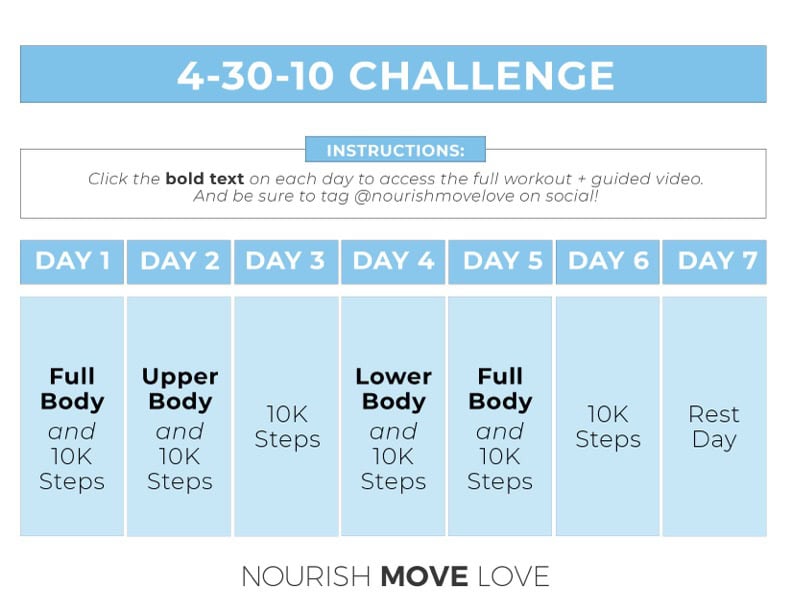
Try breaking your workouts into complementary activities. For example, strength training in the morning and light cardio or stretching in the evening can help maintain balance. Are your workouts organized to build on each other, or just random bursts of effort?
Credit: www.nourishmovelove.com
Tracking Progress And Adjustments
Tracking progress and making adjustments are key when working out multiple times a day. They help maintain balance and avoid burnout. Careful tracking also boosts motivation and ensures steady improvement.
Monitoring Performance
Keep a log of your workouts to see patterns and progress. Note exercises, sets, reps, and rest times. Track how you feel after each session. Use simple tools like a notebook or apps. This helps identify strengths and areas needing focus.
Adjusting Volume And Intensity
Change workout volume by adding or reducing sets and reps. Adjust intensity by altering weights or speed. Increase volume slowly to avoid injury. Lower intensity if you feel overly tired. Balance is important for recovery and growth.
Listening To Your Body
Your body sends signals about your limits and needs. Watch for pain, fatigue, and mood changes. Rest if you feel sharp pain or extreme tiredness. Hydrate and sleep well to support workouts. Respect your body’s messages to stay healthy and strong.

Credit: www.si.com
Frequently Asked Questions
Is Working Out Multiple Times A Day Safe?
Yes, working out multiple times daily can be safe with proper rest and balanced intensity. It suits experienced individuals who listen to their bodies and avoid overtraining.
How To Schedule Workouts Multiple Times A Day?
Plan workouts with varied intensity, focusing on different muscle groups. Allow sufficient recovery time between sessions to maximize benefits and prevent injury.
What Are The Benefits Of Multiple Daily Workouts?
Multiple workouts improve metabolism, increase calorie burn, and boost endurance. They help maintain energy and improve focus throughout the day.
Can Beginners Workout Multiple Times Daily?
Beginners should start slowly and avoid multiple sessions at once. Gradually increase workout frequency as fitness and recovery improve to prevent burnout.
Conclusion
Working out multiple times a day can boost your energy and focus. It helps break long sitting periods and keeps your body active. Short, frequent sessions may improve your mood and reduce stress. Listen to your body to avoid feeling tired or hurt.
Plan workouts that fit your schedule and goals. Small efforts add up to big results over time. Try this routine and see how your body responds. Stay consistent and enjoy the process of staying healthy.







